
04 Dec Why an Emergency Dental Hospital Matters If You Have Diabetes, Heart Disease, or Other Health Issues
Living with diabetes, heart disease, or other chronic conditions means your body handles infections differently than most people. A simple toothache can escalate into a serious medical emergency faster than you might expect. When dental pain strikes, waiting for a regular appointment could put your overall health at risk.
This guide explains why an emergency dental hospital becomes critical for patients with chronic health conditions. You’ll learn to recognize warning signs that require immediate care and understand what to expect during an urgent dental visit.
Key Takeaways
- Diabetes and heart disease significantly increase your risk of severe dental complications.
- Mouth infections can directly affect blood sugar control and heart function.
- emergency dental hospitals provide specialized care for medically compromised patients.
- Certain symptoms require immediate attention rather than waiting for regular appointments.
- Proper prevention strategies can reduce your emergency dental risks.
Understanding these connections between oral health and chronic conditions helps you make informed decisions about when to seek urgent care.
Why dental emergencies Are Riskier When You Have Diabetes, Heart Disease, or Other Conditions
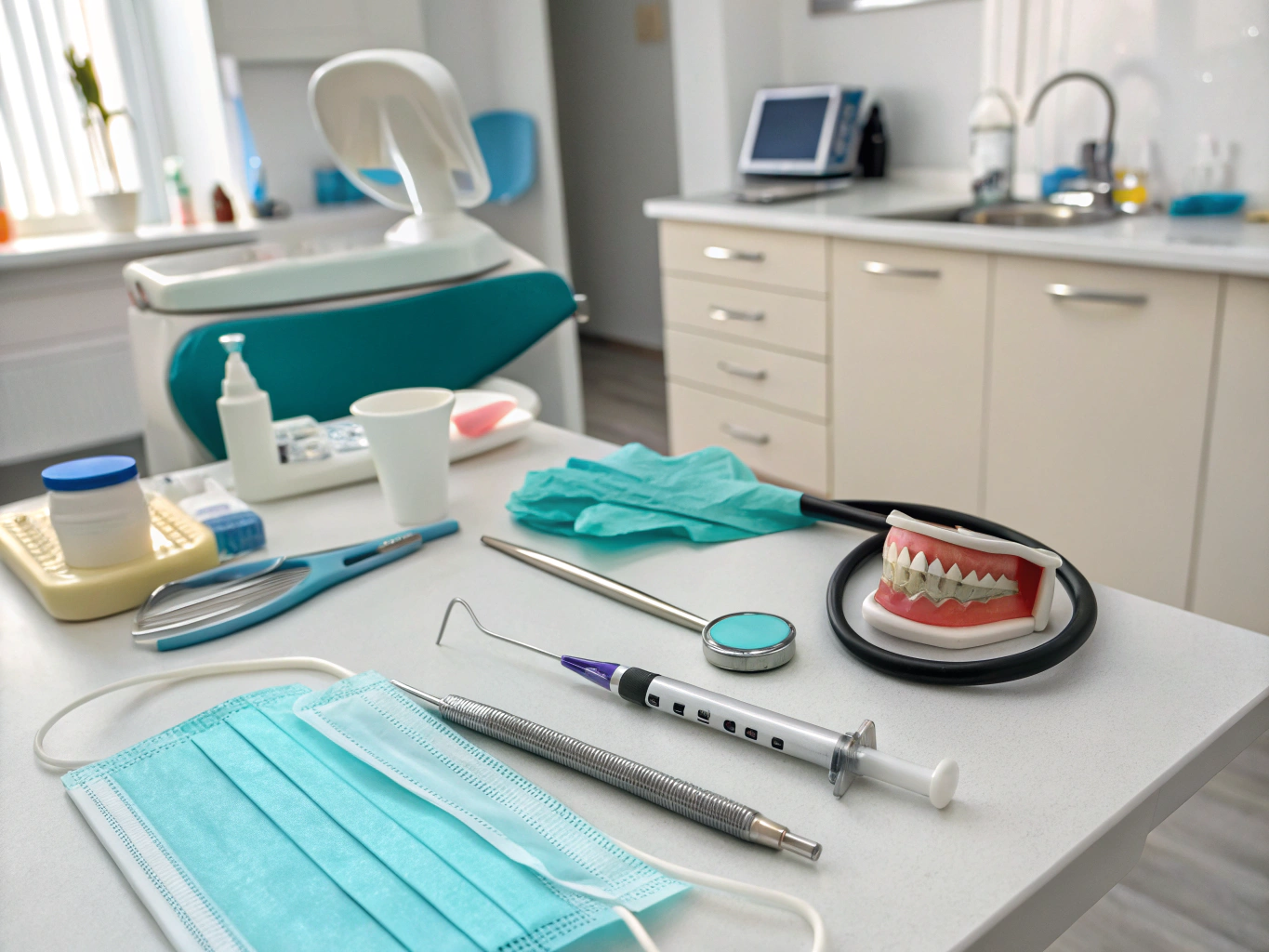
Your chronic health condition changes how your body responds to dental infections and injuries. Diabetes affects your immune system’s ability to fight bacteria, while heart disease patients often take medications that complicate dental treatment. These factors create a perfect storm that can turn dental emergencies into medical crises.
Slower Healing and Increased Infection Risk
High blood sugar levels impair your body’s natural healing processes. White blood cells don’t function properly when glucose levels remain elevated, making it harder to fight off oral bacteria.
Medication Complications
Blood thinners prescribed for heart conditions can cause excessive bleeding during dental procedures. Many heart medications also cause dry mouth, which increases cavity and gum disease risk.
Compromised Immune Response
Chronic conditions weaken your overall immune system. A small cavity that might heal naturally in a healthy person can quickly progress to a painful abscess requiring emergency treatment.
Blood Sugar Fluctuations
Dental pain and infection stress your body, leading to unpredictable spikes in blood sugar. This creates a dangerous cycle where dental problems worsen diabetes control.
Cardiovascular Strain
Severe dental pain increases heart rate and blood pressure. For patients with existing heart conditions, this additional stress can trigger serious cardiac events.
The risks multiply when you consider how common dental problems become serious threats for medically compromised patients.
How Mouth Infections Can Affect Your Whole Body Health
The connection between oral health and systemic disease runs deeper than most people realize. Bacteria from dental infections don’t stay confined to your mouth—they enter your bloodstream and travel throughout your body. This process, called bacteremia, poses particular dangers for patients with diabetes and heart disease.
Blood Sugar Control Disruption
Dental infections trigger inflammatory responses that reduce insulin’s effectiveness. Your blood sugar becomes harder to control, potentially leading to diabetic emergencies.
Heart Disease Progression
Oral bacteria can attach to damaged heart valves or arteries, causing dangerous infections like endocarditis. The inflammation from gum disease also contributes to the progression of atherosclerosis.
Systemic Inflammation
Chronic dental infections keep your body in a constant state of inflammation. This ongoing immune response worsens many chronic conditions and increases overall mortality risk.
Antibiotic Resistance Concerns
Delaying treatment often leads to more severe infections requiring more potent antibiotics. Patients with chronic conditions may develop antibiotic-resistant infections that become life-threatening.
Hospitalization Risk
Advanced dental infections can spread to your neck, chest, or brain. These complications frequently require hospital admission and intensive medical intervention.
Research shows that untreated dental infections can worsen existing chronic conditions and create new health problems.
When to Go Straight to an Emergency Dental Hospital and What to Expect
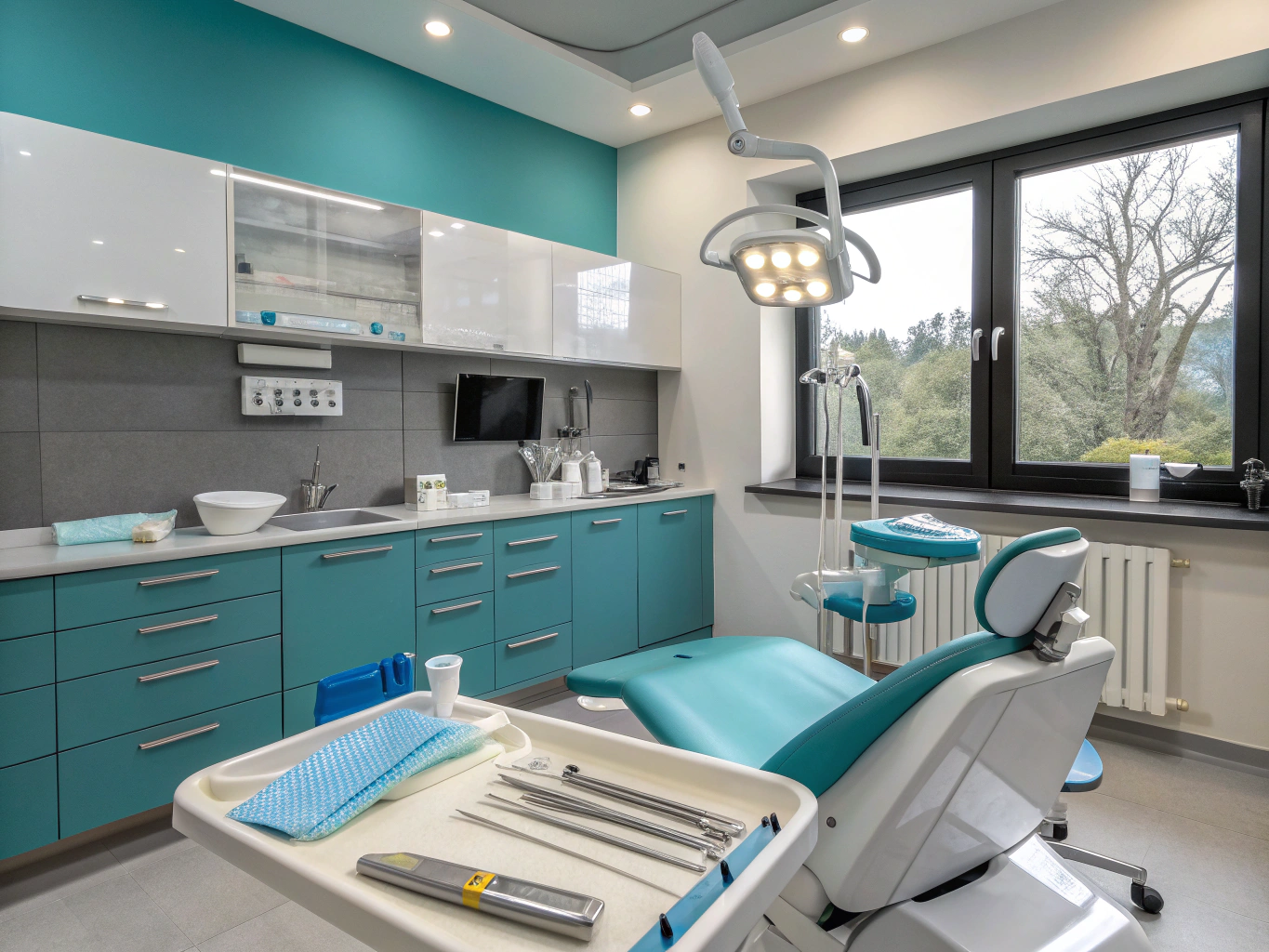
Recognizing the warning signs that require immediate emergency dental hospital care can prevent minor problems from becoming medical emergencies. Patients with chronic conditions should seek urgent care sooner rather than later when experiencing dental symptoms. The window between manageable and dangerous narrows significantly when you have diabetes or heart disease.
| Symptom | Risk Level | Action Required |
|---|---|---|
| Mild toothache | Low | Monitor, schedule routine appointment |
| Pain with swelling | Medium | Same-day emergency dental care |
| Fever and facial swelling | High | Immediate emergency dental hospital |
| Breathing difficulty | Critical | Call 911 or emergency room |
Fever With Dental Pain
Any fever accompanying tooth pain signals a spreading infection. For diabetic and heart patients, this combination requires immediate emergency dental hospital evaluation.
Facial Swelling
Swelling that extends beyond your gums into your face or neck indicates serious infection spread. This symptom demands urgent attention regardless of pain level.
Difficulty Swallowing or Breathing
These symptoms suggest the infection has reached critical areas near your airway. Seek emergency care immediately—this can become life-threatening quickly.
Uncontrolled Bleeding
Patients on blood thinners may experience excessive bleeding from minor dental trauma. Emergency dental hospitals have specialized equipment and expertise to control bleeding safely.
Severe Pain Despite Medication
When over-the-counter pain relievers provide no relief, the infection has likely progressed beyond what routine dental care can handle. Emergency intervention becomes necessary.
Blood Sugar Instability
If dental pain makes it impossible to maintain normal blood sugar levels, seek urgent care. The stress response from severe dental problems can trigger diabetic emergencies.
Understanding what constitutes a true dental emergency helps you make quick decisions about your care.
How Emergency Dental San Francisco Protects High-Risk Patients During Dental Emergencies
Emergency Dental San Francisco specializes in treating medically compromised patients who need urgent dental care. Our team understands the unique challenges faced by patients with diabetes, heart disease, and other chronic conditions. We coordinate care with your medical providers and adjust treatment protocols to ensure your safety during emergency procedures.
Comprehensive Medical History Review
We thoroughly review your medications, allergies, and medical conditions before any treatment. This information guides our approach to ensure procedures won’t interfere with your chronic disease management.
Blood Sugar Monitoring
For diabetic patients, we can monitor blood glucose levels during treatment. Our team knows how to recognize and respond to blood sugar emergencies that might occur during dental procedures.
Specialized Bleeding Control
Patients taking blood thinners receive specialized care to minimize the risk of bleeding. We use advanced techniques and materials designed specifically for anticoagulated patients.
Infection Control Protocols
Our strict sterilization procedures and infection control measures provide extra protection for immunocompromised patients. Every surface and instrument meets CDC and OSHA standards.
Same-Day Pain Relief
We prioritize immediate pain control to reduce stress on your cardiovascular and endocrine systems. Quick relief helps prevent the cascading health effects that chronic pain can trigger.
Coordination With Medical Providers
When necessary, we communicate directly with your physician or cardiologist to ensure coordinated care. This collaboration helps prevent complications and drug interactions.
Our 24/7 availability means you don’t have to wait for regular office hours when a dental emergency strikes.
Everyday Steps to Lower Your Chance of a Dental Emergency With Chronic Health Issues
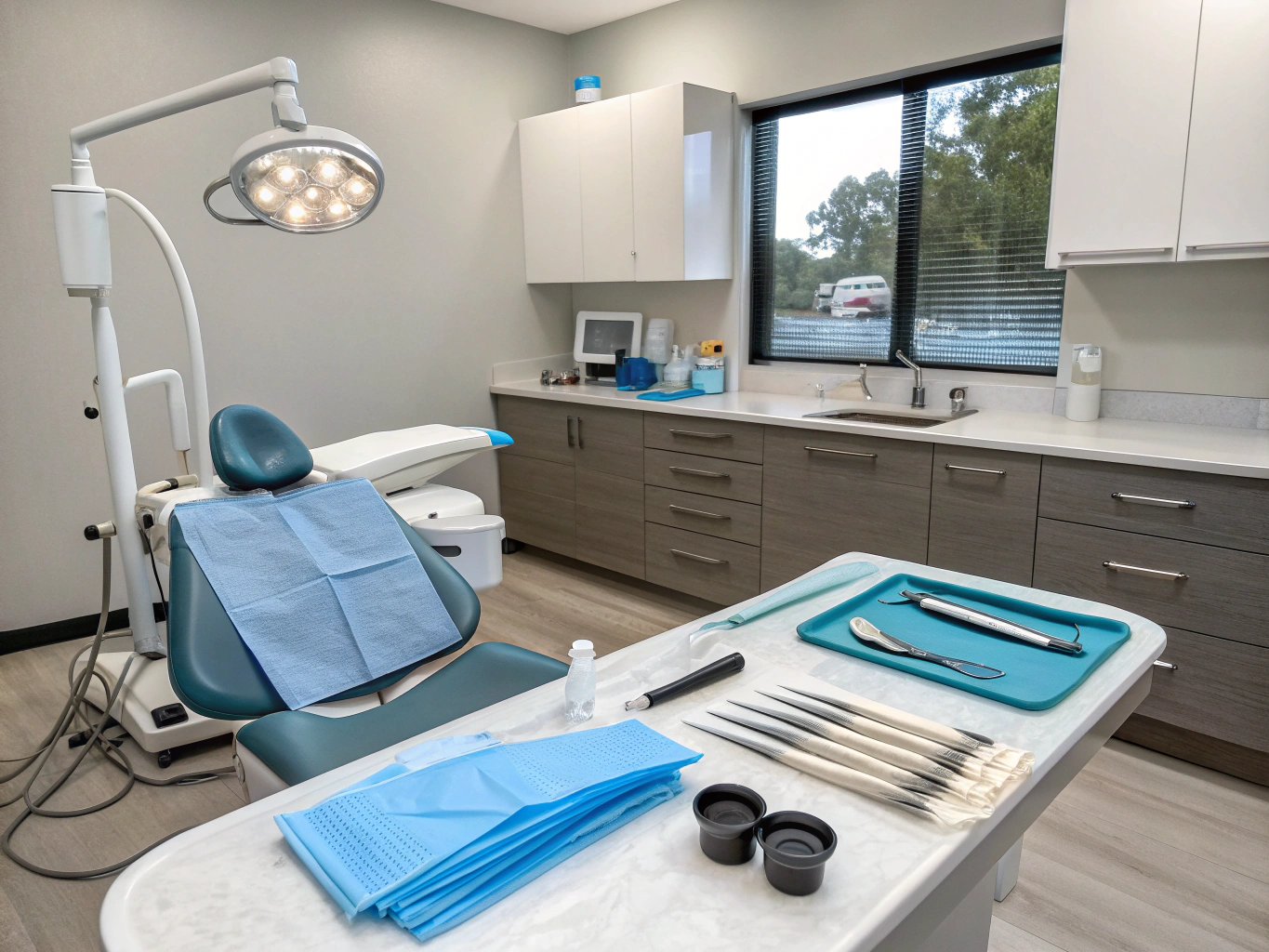
Prevention becomes even more critical when you have diabetes, heart disease, or other chronic conditions. Small daily habits can significantly reduce your risk of dental emergencies. The key lies in understanding how your medical condition affects your oral health and adjusting your routine accordingly.
Blood Sugar Control
Maintaining stable blood glucose levels supports your mouth’s natural ability to fight bacteria. Work with your endocrinologist to optimize your diabetes management plan.
Enhanced Oral Hygiene
Brush twice daily with fluoride toothpaste and floss regularly. Consider using an antimicrobial mouthwash to reduce bacterial load in your mouth.
Regular Professional Cleanings
Schedule dental cleanings every three to four months instead of the standard six months. More frequent professional care helps catch problems before they become emergencies.
Medication Management
Understand how your medications affect your oral health. Discuss dry mouth side effects with your physician and use saliva substitutes if needed.
Dietary Modifications
Limit sugary and acidic foods that feed harmful oral bacteria. Choose tooth-friendly snacks that support both your dental health and chronic disease management.
Early Warning Recognition
Learn to identify early signs of dental problems like persistent bad breath, bleeding gums, or tooth sensitivity. Address these issues promptly before they escalate.
Emergency Preparedness
Keep contact information for Emergency Dental San Francisco readily available. Know the warning signs that require immediate attention versus those that can wait for routine care.
These strategies help maintain oral health while managing your chronic condition effectively.
Conclusion
Diabetes, heart disease, and other chronic conditions make dental emergencies more dangerous and complicated. Quick access to specialized emergency dental care protects both your oral health and overall medical stability. Don’t wait when warning signs appear—call Emergency Dental San Francisco at 415-230-2783 for immediate, expert care tailored to your unique health needs.
Emergency Dental San Francisco provides urgent care with strict medical safety protocols for patients with diabetes and heart conditions. Our licensed professionals follow CDC compliance standards to ensure safe treatment. Learn more about our specialized emergency care today.
FAQs
Why Is It More Dangerous To Delay An emergency dental visit If I Have Diabetes?
Delaying an emergency dental visit can lead to complications in individuals with diabetes, as high blood sugar levels can impair healing and increase the risk of infections. Prompt treatment is crucial to avoid severe consequences, including complications that could affect overall health.
Can A Tooth Infection Make Heart Disease Worse Or Cause Serious Complications?
Yes, a tooth infection can worsen heart disease by spreading bacteria into the bloodstream, potentially leading to serious complications such as endocarditis. Immediate dental care is essential to manage infections and protect your heart health.
Is It Safe To Get Emergency Dental Treatment If I Have Multiple Chronic Health Conditions?
Yes, it is generally safe to receive emergency dental treatment even if you have multiple chronic health conditions. Our experienced clinicians are trained to handle complex medical histories and will take necessary precautions to ensure your safety during treatment.
What Should I Tell An Emergency Dentist If I’m On Blood Thinners Or Heart Medication?
Inform the emergency dentist about all medications you are taking, especially blood thinners or heart medication. This information is vital for determining the safest treatment options and minimizing any risks during your dental care.
When Should I Choose A 24-Hour Emergency Dental Hospital Instead Of Waiting For My Regular Dentist?
You should choose a 24-hour emergency dental hospital if you are experiencing severe pain, significant bleeding, or have sustained an injury that requires immediate attention. Delaying care can lead to more serious health issues, so it’s best to seek help as soon as possible.

Emergency Dental San Francisco is a dental office focused on providing same-day dental appointments to patients in San Francisco and the surrounding area. We provide urgent dental care services during weekends, evenings and holidays.
We accept several forms of payment and have financing options available to those who qualify. We accept most dental insurance.