

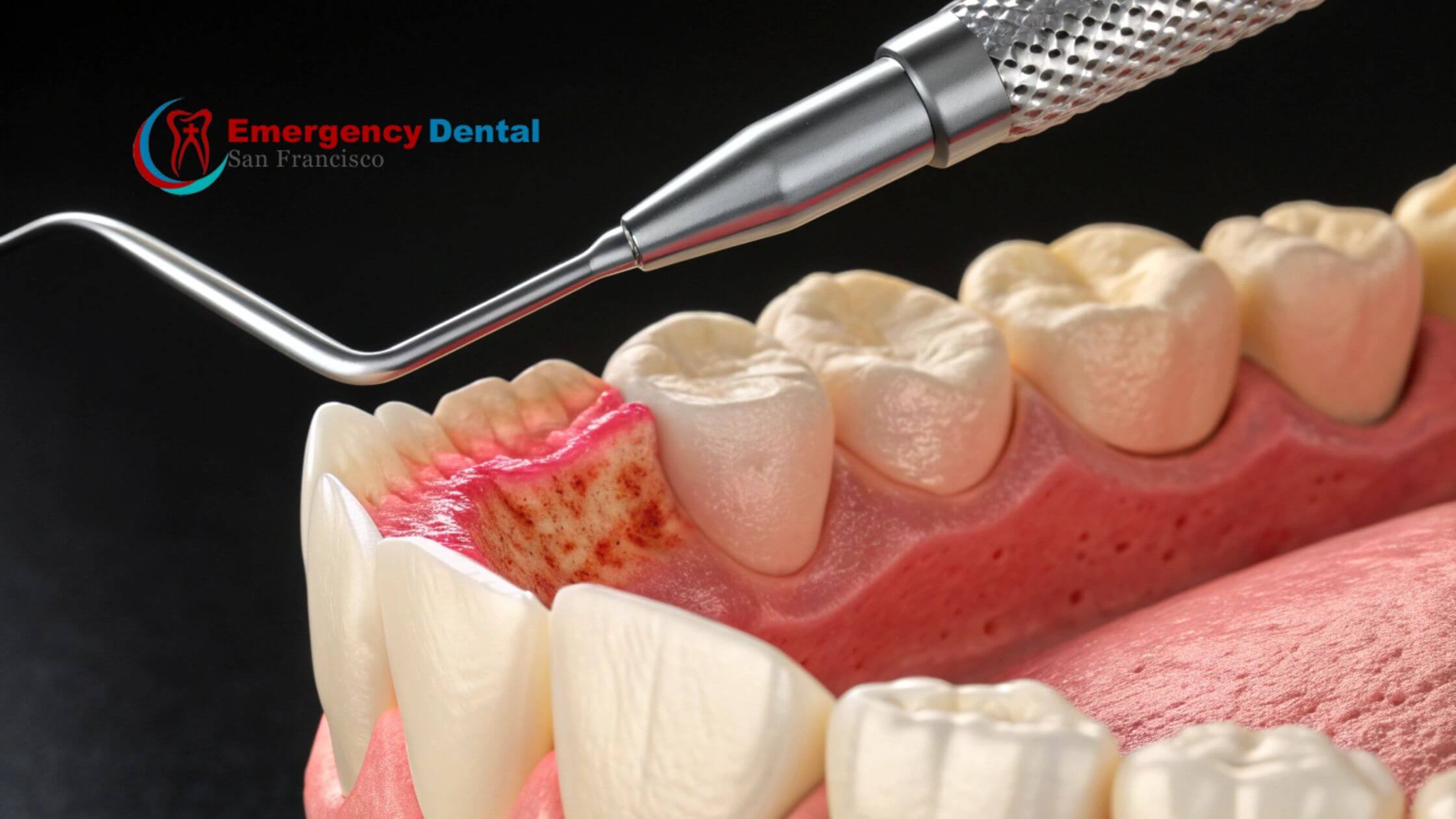
03 Dec Emergency Dental Work for Gum Infections: Don’t Ignore the Swelling
Swollen, throbbing gums with pus or a metallic taste signal a serious infection that demands immediate attention. What starts as mild discomfort can rapidly escalate into a life-threatening condition if bacteria spread to your bloodstream or airways. emergency dental work for gum infections saves teeth, prevents complications, and provides fast pain relief when you need it most.
This guide explains why gum swelling is a red flag, what causes these painful infections, and exactly what to expect during emergency treatment. You’ll also learn how to access same-day care in San Francisco and prevent future gum emergencies.
Key Takeaways
- swollen gums with fever, pus, or severe pain require immediate emergency dental care to prevent serious complications.
- Gum infections develop from poor hygiene, trapped food particles, advanced periodontal disease, or underlying health conditions.
- Emergency treatment includes drainage, deep cleaning, antibiotics, and pain management with same-day relief available.
- Emergency Dental San Francisco provides 24/7 urgent care for gum infections across the Bay Area with transparent pricing.
- Regular brushing, flossing, and professional cleanings prevent most gum infections from becoming dental emergencies.
When gum pain keeps you awake at night, waiting until Monday morning isn’t an option.
Why Swollen, Painful Gums Are a Red Flag You Shouldn’t Ignore
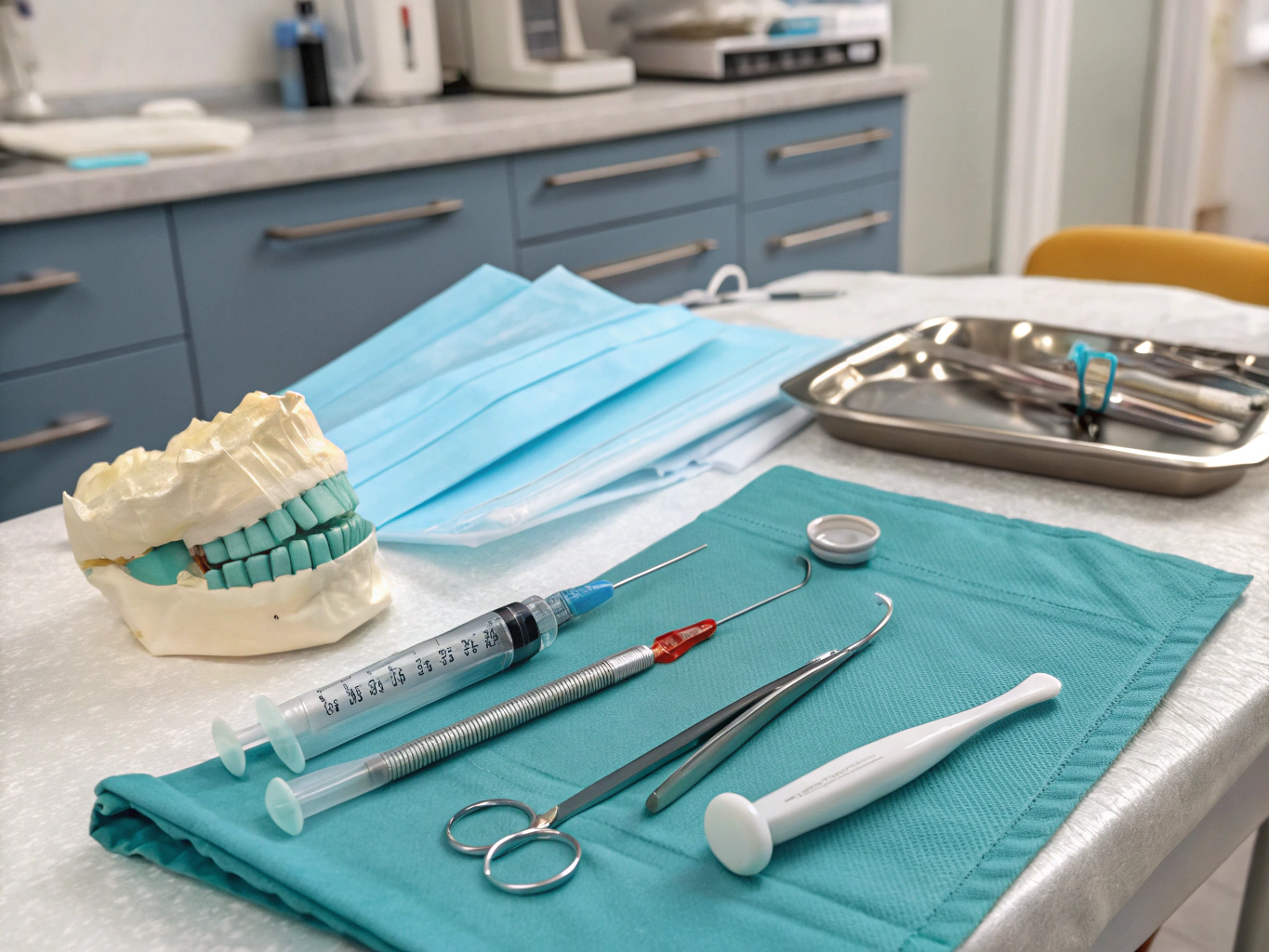
Healthy gums don’t swell without reason. When your gums become puffy, tender, or painful to touch, your body is fighting an active bacterial infection. The swelling you feel represents your immune system’s attempt to contain harmful bacteria before they spread to deeper tissues or enter your bloodstream.
A metallic taste in your mouth often signals pus formation. Bad breath that doesn’t improve with brushing indicates bacterial overgrowth in infected pockets around your teeth.
Fever alongside gum swelling means the infection is spreading beyond the local area. Your body temperature rises as your immune system works overtime to fight bacteria that may be entering your circulation. This combination requires immediate professional intervention.
Throbbing pain that worsens when lying down suggests pressure is building in the infected tissues. The pain often radiates to your jaw, ear, or neck as inflammation affects nearby nerves. Over-the-counter pain relievers provide minimal relief because they can’t address the underlying infection.
Delaying treatment allows bacteria to multiply rapidly. According to CDC data, tooth disorders account for nearly 2 million emergency department visits annually, with many stemming from untreated gum infections that progressed to abscesses. Emergency departments can prescribe antibiotics but cannot provide the drainage and deep cleaning needed to eliminate the infection source.
Serious complications develop when gum infections spread. Ludwig’s angina affects the floor of your mouth and can block your airway. Necrotizing fasciitis destroys soft tissues rapidly. Sepsis occurs when bacteria enter your bloodstream and can be fatal without immediate treatment.
The sooner you seek emergency dental care for gum infections, the simpler and more effective your treatment will be.
What Causes Gum Infections and How They Turn Into Dental Emergencies
Poor oral hygiene creates the perfect environment for harmful bacteria to flourish. When you don’t brush and floss regularly, plaque accumulates along your gum line and hardens into tartar. Bacteria in this buildup produce toxins that irritate your gums and create pockets where more bacteria can hide.
Food particles trapped between teeth or under the gum line feed bacterial growth. Sticky or sugary foods provide excellent nutrition for harmful bacteria.
Advanced gum disease (periodontitis) destroys the tissues and bone supporting your teeth. As your gums pull away from teeth, deep pockets form that are impossible to clean with regular brushing. These pockets become infected and may develop abscesses.
Cracked or broken teeth create pathways for bacteria to reach the tooth’s interior and surrounding gum tissues. Even small cracks you can’t see may allow bacterial invasion. Dental work like crowns or fillings that don’t fit properly can also trap bacteria.
Diabetes significantly increases your risk of gum infections. High blood sugar levels impair your immune system’s ability to fight bacteria and slow healing. People with diabetes are more likely to develop severe gum disease and experience complications from infections.
Smoking and tobacco use reduce blood flow to your gums, making it harder for your body to fight infections. Tobacco also masks early warning signs of gum disease, so problems often progress further before you notice symptoms.
Certain medications can contribute to gum problems. Blood thinners, some heart medications, and drugs that cause dry mouth all increase the risk of infection. Hormonal changes during pregnancy or menopause also make gums more susceptible to bacterial invasion.
Stress weakens your immune system and may lead to teeth grinding, which can damage gums and teeth. Poor nutrition, especially vitamin C deficiency, impairs your body’s ability to maintain healthy gum tissues and fight infections.
Once bacteria establish a foothold, infections can progress rapidly from mild inflammation to serious abscesses requiring urgent care for gum infection.
Emergency Gum Infection Treatment: What to Expect When You See a Dentist
Emergency dental treatment for gum infections follows a systematic approach designed to eliminate bacteria, drain infected areas, and provide immediate pain relief. Understanding each step helps reduce anxiety and prepares you for the treatment process.
Your visit begins with triage to assess the severity of your infection and prioritize immediate needs.
1. Initial Assessment and Pain Control
The dentist examines your gums, checks for swelling patterns, and measures your temperature. Immediate pain relief through local anesthesia or prescribed medications helps you feel comfortable during treatment.
2. Digital X-Rays and Diagnosis
X-rays reveal the extent of infection, bone loss, and any abscesses not visible during the clinical exam. This imaging guides treatment decisions and helps identify all affected areas.
3. Drainage of Infected Areas
If pus has accumulated, the dentist creates a small incision to drain the infection and relieve pressure. This procedure provides immediate pain relief and removes bacterial toxins from the area.
4. Deep Cleaning (Scaling and Root Planing)
Specialized instruments remove bacterial plaque and tartar from below the gum line and smooth root surfaces. This eliminates the bacterial source and helps gums reattach to clean tooth surfaces.
5. Antibiotic Therapy
Oral antibiotics help your immune system fight remaining bacteria and prevent infection spread. The specific antibiotic depends on the type of bacteria involved and your medical history.
6. Pain Management Plan
Prescription pain relievers and anti-inflammatory medications control discomfort while your body heals. Instructions for home care include warm salt water rinses and proper oral hygiene techniques.
7. Follow-Up Care Scheduling
Most patients need a follow-up visit within 3-7 days to monitor healing and ensure the infection is resolving. Additional deep cleaning sessions may be necessary for complete treatment.
The entire emergency treatment typically takes 60-90 minutes, depending on infection severity. Most patients experience significant pain relief within hours of treatment.
Simple Habits to Prevent Future Gum Infections and Emergencies
Prevention remains the most effective strategy for avoiding painful gum infections and emergency dental visits. Simple daily habits can eliminate most bacterial threats before they develop into serious problems requiring urgent intervention.
Consistent oral hygiene forms the foundation of gum health and prevents bacterial accumulation that leads to infections.
1. Brush Twice Daily with Proper Technique
Use a soft-bristled toothbrush and fluoride toothpaste, spending at least two minutes cleaning all tooth surfaces. Angle the brush toward the gum line to remove plaque where it accumulates most.
2. Floss Daily to Remove Hidden Bacteria
Dental floss reaches areas your toothbrush cannot access, removing food particles and plaque between teeth. Floss before brushing to loosen debris that brushing can then sweep away.
3. Use Antibacterial Mouthwash
Therapeutic mouthwash containing antimicrobial ingredients reduces bacterial counts and reaches areas missed by brushing and flossing. Rinse for 30 seconds after your regular cleaning routine.
4. Schedule Regular Professional Cleanings
Professional dental cleanings every six months remove tartar buildup that home care cannot eliminate. Early detection of gum problems allows for simple treatments before infections develop.
5. Avoid Tobacco Products Completely
Smoking and chewing tobacco significantly increase infection risk and slow healing when problems occur. Quitting tobacco improves your immune system’s ability to fight gum disease.
6. Manage Underlying Health Conditions
Control diabetes through proper medication and diet management to reduce infection susceptibility. Discuss medication side effects with your doctor if dry mouth or other oral health issues develop.
7. Maintain a Balanced Diet
Limit sugary and sticky foods that feed harmful bacteria, while eating plenty of fruits and vegetables rich in vitamins that support gum health. Stay hydrated to maintain saliva production that naturally cleanses your mouth.
Watch for early warning signs like bleeding gums, persistent bad breath, or sensitivity when brushing. These symptoms often appear weeks before serious infections develop, allowing time for preventive treatment.
Regular dental checkups catch problems early when simple treatments can prevent emergency situations. Professional monitoring is especially important if you have diabetes, take medications that affect your mouth, or have a history of gum disease.
How Emergency Dental San Francisco Quickly Relieves Gum Infection Pain 24/7
When gum infections strike at midnight or during weekend family gatherings, you need immediate access to professional care. Emergency Dental San Francisco provides urgent care for gum infections around the clock, ensuring you don’t suffer through another sleepless night or wait until regular business hours.
Our same-day treatment approach prioritizes pain relief first, then addresses the underlying infection with thorough cleaning and appropriate antibiotics.
You can walk into our clinic without an appointment or call 415-230-2783 to speak with a dental professional immediately. Our triage system ensures patients with severe infections receive priority treatment, while those with less urgent symptoms get scheduled for the earliest available slot.
We serve the entire Bay Area, including San Francisco, Oakland, Berkeley, Daly City, Fremont, Alameda, and San Leandro. Late-night traffic from the East Bay or Peninsula typically takes 20-30 minutes, making emergency care accessible even during off-hours.
Our clinic follows strict CDC and OSHA infection control standards with hospital-grade sterilization protocols. Licensed dental professionals use modern digital X-ray equipment and sterile instruments in a clean, clinical environment designed to prevent cross-contamination.
For patients without dental insurance, we accept cash and all major credit cards with upfront pricing estimates. Qualified patients can access financing options to spread treatment costs over time. We also work with most dental insurance plans and handle pre-authorization when possible.
The treatment process moves efficiently from diagnosis to relief. Digital X-rays provide immediate results, allowing our dentists to identify infection patterns and plan treatment without delays. Local anesthesia ensures comfort during drainage and cleaning procedures.
Emergency dentist for infected gums treatment includes comprehensive aftercare instructions and 24/7 phone support for questions or concerns during recovery. Prescription medications are available on-site, eliminating trips to pharmacies when you’re in pain.
Our transparent approach means you understand each treatment step and associated costs before procedures begin. No surprise bills or hidden fees complicate your recovery process.
Take Action Now
Gum infections don’t improve on their own and can become life-threatening without proper treatment. Emergency Dental San Francisco provides immediate relief with 24/7 availability across the Bay Area. Call 415-230-2783 now for same-day treatment and end your pain safely.
Emergency Dental San Francisco provides urgent gum infection treatment with same-day appointments available. Our licensed professionals prioritize immediate pain relief and safe infection control. Learn more about emergency gum care today.
FAQs
What Are The Signs That A Gum Infection Is An Emergency?
Signs of a gum infection that may indicate an emergency include severe swelling, persistent pain, bleeding gums, fever, and difficulty swallowing or breathing. If you experience any of these symptoms, it’s crucial to seek immediate care.
How Long Can I Leave Swollen, Infected Gums Before Seeing A Dentist?
It is not advisable to wait long with swollen, infected gums. Delaying treatment can lead to more severe complications. We recommend contacting a dentist as soon as you notice symptoms to receive prompt care.
Can A Gum Infection Go Away On Its Own Without Treatment?
While mild gum infections may improve temporarily, they typically do not resolve completely without professional treatment. Seeking urgent dental care is essential to ensure proper healing and prevent complications.
What Happens If A Gum Infection Is Left Untreated?
Leaving a gum infection untreated can lead to serious complications, including tooth loss, spread of the infection to other parts of the body, and the development of abscesses. Early intervention is key to avoiding these risks.
Is Gum Swelling From Infection Or Something Else, Like Irritation Or Brushing Too Hard?
Gum swelling can result from both infection and irritation from brushing too hard or other factors. However, if swelling persists or is accompanied by pain or bleeding, it’s important to consult a dentist for a proper diagnosis and treatment.

Emergency Dental San Francisco is a dental office focused on providing same-day dental appointments to patients in San Francisco and the surrounding area. We provide urgent dental care services during weekends, evenings and holidays.
We accept several forms of payment and have financing options available to those who qualify. We accept most dental insurance.