


19 Dec How to Handle a Pediatric Dental Emergency: Tooth Trauma
When your child experiences tooth trauma, every second counts. A fall at the playground, a collision during sports, or even a simple accident at home can result in broken, loose, or knocked-out teeth that require immediate attention. Research shows that pediatric dental emergencies account for 39% of all emergency dental visits, with trauma-related injuries being the second most common reason children seek urgent dental care.
This guide provides Bay Area parents with essential steps to handle pediatric dental emergencies effectively. You’ll learn immediate response actions, warning signs that require emergency care, safe comfort measures, what to expect during treatment, and how to access same-day pediatric dental care in San Francisco and surrounding areas.
Key Takeaways
- Act quickly within the first 30 minutes for the best chance of saving a knocked-out tooth.
- Control bleeding with clean gauze and apply cold compress for 10-15 minutes to reduce swelling.
- Seek immediate emergency care for loose teeth, exposed nerves, or uncontrolled bleeding.
- Keep knocked-out teeth moist in milk or saliva while heading to the dentist.
- Emergency Dental San Francisco provides 24/7 pediatric trauma care with same-day appointments.
What to Do Right Now After a Child’s Tooth Injury
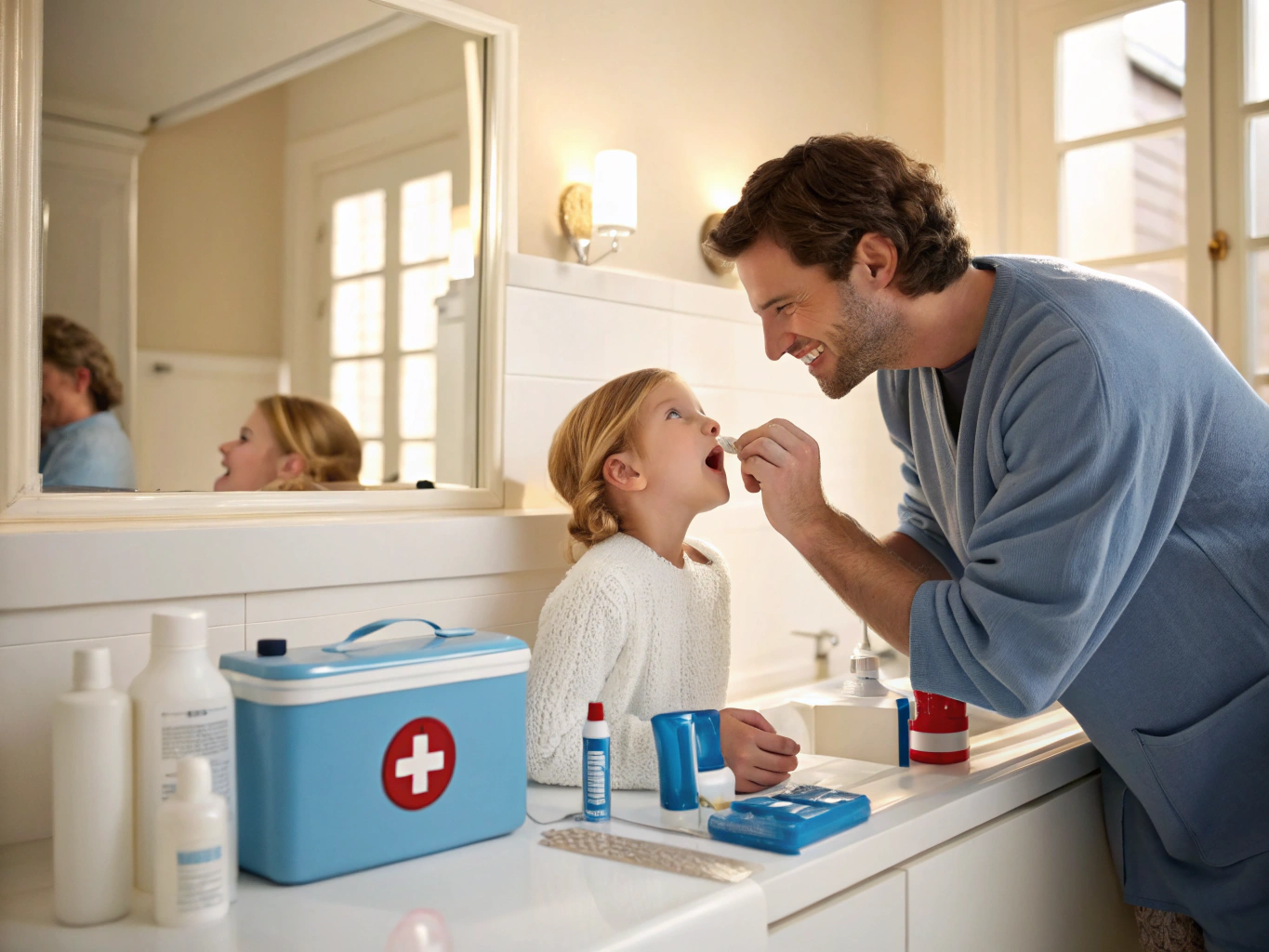
The first few minutes after a pediatric dental emergency determine the outcome for your child’s oral health. Stay calm and follow these immediate steps to protect the injured area and increase the chances of successful treatment. Quick action can mean the difference between saving and losing a permanent tooth.
Your immediate response should focus on controlling bleeding, managing pain, and preserving any damaged teeth. These steps help stabilize the situation before professional care.
1. Stay Calm and Assess the Situation
Take a deep breath and gently examine your child’s mouth for visible damage. Look for bleeding, loose teeth, chips, or cuts to the lips, gums, or tongue.
2. Control Bleeding Immediately
Apply gentle pressure with clean gauze or a soft cloth to any bleeding areas. Have your child bite down gently on the gauze for 10-15 minutes to help blood clot.
3. Handle Knocked-Out Teeth Properly
Pick up the tooth by the crown (white part) only, never touch the root. Gently rinse with water if dirty, but don’t scrub or remove attached tissue.
4. Preserve the Tooth in Proper Solution
Try to reinsert the tooth into its socket if possible, or store it in milk, saliva, or a tooth preservation kit. Avoid water or dry storage as these can damage root cells.
5. Apply Cold Compress for Swelling
Use a cold compress or ice pack wrapped in a thin towel against the outside of the cheek for 10-15 minutes. This reduces swelling and provides pain relief.
6. Avoid Common Mistakes
Don’t give aspirin to children, place ice directly on teeth, or attempt to straighten misaligned teeth. These actions can worsen the injury or complicate treatment.
7. Head to Emergency Care Immediately
Contact a pediatric dentist near me or emergency dental office within 30 minutes for the best treatment outcomes. Time is critical for saving traumatized teeth.
These immediate actions set the foundation for successful emergency treatment and help minimize long-term complications.
Signs Tooth Trauma Needs Emergency Care Today
Recognizing when a pediatric dental emergency requires immediate professional attention can prevent serious complications and save your child’s teeth. Some symptoms indicate urgent problems that worsen without prompt treatment. Understanding these warning signs helps you make the right decision about seeking emergency care.
1. Loose or Displaced Teeth
Any tooth that moves when touched or appears pushed in, out, or sideways needs immediate evaluation. Even slightly loose permanent teeth require stabilization to prevent loss.
2. Broken Teeth with Exposed Nerves
Teeth with visible pink or red areas inside the break, or that cause severe pain when touched, likely have exposed nerve tissue. This creates risk for infection and requires emergency treatment.
3. Uncontrolled Bleeding
Bleeding that continues after 15-20 minutes of direct pressure may indicate deep cuts or severe trauma. Persistent bleeding requires professional evaluation and possible suturing.
4. Severe Pain or Sensitivity
Intense, throbbing pain or extreme sensitivity to temperature often signals nerve damage or infection. Children who cannot eat, drink, or sleep due to dental pain need immediate care.
5. Facial Swelling or Fever
Swelling around the injured area, especially with fever, suggests developing infection. Facial swelling can spread quickly in children and requires urgent antibiotic treatment.
6. Jaw Pain or Difficulty Opening Mouth
Problems opening the mouth fully or jaw pain when chewing may indicate jaw injury or dislocation. These symptoms require immediate evaluation to prevent complications.
7. Behavioral Changes
Unusual irritability, difficulty concentrating, or changes in eating habits can signal significant pain or trauma. Trust your instincts about your child’s condition.
When you observe these warning signs, contact Emergency Dental San Francisco immediately at 415-230-2783 for same-day pediatric emergency care. Don’t wait if you notice any of these serious symptoms that suggest significant trauma or infection.
How to Care for Your Child Until the Dentist

Proper interim care helps manage your child’s pain and prevents complications while you arrange emergency dental treatment. The right comfort measures can make a significant difference in your child’s experience and treatment outcome. Focus on gentle, safe methods that won’t interfere with professional treatment.
These care strategies help maintain stability until you reach a dental office near me for professional evaluation.
| Safe Comfort Measures | Things to Avoid |
|---|---|
| Cold compress (10-15 minutes) | Direct ice on teeth |
| Soft, cold foods | Hard or sticky foods |
| Children’s ibuprofen/acetaminophen | Aspirin or topical pain gels |
| Gentle salt water rinse | Aggressive rinsing or spitting |
| Clean gauze for bleeding | Tissues or cotton balls |
1. Provide Safe Pain Relief
Give age-appropriate doses of children’s ibuprofen or acetaminophen following package directions. Avoid aspirin, which can increase bleeding risk in children.
2. Offer Soft, Cold Foods
Provide ice cream, yogurt, or cold smoothies to help numb pain and reduce swelling. Avoid hard, sticky, or hot foods that could worsen the injury.
3. Use Gentle Mouth Rinses
Have your child rinse gently with warm salt water (1/4 teaspoon salt in 1 cup warm water) to keep the area clean. Don’t force rinsing if it causes pain.
4. Apply Cold Compress Properly
Use 10-15 minute intervals with a cold pack wrapped in a thin towel against the cheek. Take 10-minute breaks between applications to prevent tissue damage.
5. Keep the Area Clean
Gently wipe away blood or debris with a clean, damp cloth. Avoid aggressive cleaning that could disturb clots or worsen bleeding.
6. Monitor for Changes
Watch for increasing pain, swelling, fever, or changes in your child’s condition. Document any worsening symptoms to report to the emergency dentist.
7. Avoid Harmful Actions
Don’t apply heat, give hard foods, or attempt to move loose teeth. Avoid topical pain relievers that can damage sensitive tissue.
These interim care measures help stabilize your child’s condition while you seek professional emergency treatment.
What the Dentist Will Check and Treat
Understanding what happens during an emergency pediatric dental visit helps reduce anxiety for both you and your child. Emergency dentists follow systematic evaluation procedures to assess damage and determine the best treatment approach. The examination process focuses on saving teeth, managing pain, and preventing complications.
Professional evaluation provides accurate diagnosis and appropriate treatment that home care cannot achieve.
1. Comprehensive Examination and X-rays
The dentist will examine all teeth, gums, and surrounding tissues for visible and hidden damage. Digital X-rays reveal root fractures, jaw injuries, or other trauma not visible during visual examination.
2. Tooth Stability Assessment
Loose teeth may require splinting to adjacent stable teeth using flexible wire or composite material. This stabilization allows healing while maintaining proper tooth position.
3. Nerve Vitality Testing
Special tests determine if tooth nerves remain healthy after trauma. Damaged nerves may require root canal treatment to prevent infection and save the tooth.
4. Chip and Crack Repair
Small chips can often be smoothed or bonded with tooth-colored filling material. Larger fractures may need crowns or more extensive restoration to protect remaining tooth structure.
5. Soft Tissue Injury Treatment
Cuts to lips, gums, or tongue may require cleaning, antibiotic treatment, or sutures. Proper wound care prevents infection and promotes healing.
6. Pain and Infection Management
Immediate pain relief through local anesthesia and appropriate medications helps your child feel comfortable. Antibiotics may be prescribed if infection risk is high.
7. Follow-up Care Planning
Regular monitoring appointments track healing progress and tooth vitality. Some trauma effects don’t appear immediately, making follow-up care essential for long-term success.
Professional treatment at a pediatric dentist near me ensures comprehensive care that addresses both immediate needs and long-term oral health.
Emergency Dental San Francisco: Same-Day Help for Pediatric Tooth Trauma
Emergency Dental San Francisco provides specialized urgent care for children experiencing dental trauma throughout the Bay Area. Our clinic offers 24/7 availability with same-day appointments, walk-in availability, and gentle, child-focused treatment approaches. We understand that pediatric dental emergencies create stress for the entire family and require immediate, compassionate care.
Our experienced team prioritizes pain relief, clear communication, and family-centered care during these challenging situations.
| What We Provide | What Parents Should Bring |
|---|---|
| 24/7 emergency availability | Insurance card and ID |
| Child-friendly treatment approach | Medication and allergy list |
| Digital X-rays and examination | Recent dental records if available |
| Same-day pain relief | Knocked-out tooth in milk/saliva |
| Flexible payment options | Questions about treatment options |
1. 24/7 Availability for Pediatric Emergencies
We provide round-the-clock emergency care for tooth trauma, including weekends and holidays when most dental offices are closed. Call 415-230-2783 anytime for immediate assistance and same-day appointment scheduling.
2. Child-Friendly Emergency Treatment
Our gentle approach helps children feel safe and comfortable during emergency procedures. We explain treatments in age-appropriate language and use techniques specifically designed for pediatric patients.
3. Comprehensive Trauma Assessment
Digital X-rays and thorough examinations quickly identify all trauma-related damage, including hidden injuries. Our modern equipment provides fast, accurate diagnosis while minimizing radiation exposure.
4. Same-Day Pain Relief and Stabilization
Immediate treatment focuses on eliminating pain and stabilizing damaged teeth to prevent further injury. We provide emergency splinting, temporary restorations, and appropriate pain management.
5. Bay Area Convenience and Accessibility
We serve San Francisco, South San Francisco, Alameda, Berkeley, Daly City, Fremont, Oakland, and San Leandro with convenient location access. Walk-ins are welcome, and we work to accommodate urgent scheduling needs.
6. Insurance and Payment Flexibility
We accept most dental insurance plans and offer financing options for families who qualify. Cash and all major credit cards are accepted, and we provide upfront cost estimates whenever possible.
7. What to Bring for Your Emergency Visit
Arrive with your child’s insurance card, a list of current medications and allergies, any recent dental records or X-rays, and the injured tooth if it was knocked out. Coming prepared helps streamline treatment and reduces wait time.
Our commitment to immediate, professional pediatric dental emergency care helps Bay Area families navigate tooth trauma with confidence and achieve the best possible outcomes.
Conclusion
Pediatric dental emergencies require quick thinking, proper immediate care, and professional treatment to achieve optimal outcomes. Following the right steps in those crucial first moments can save your child’s teeth and prevent serious complications. Emergency Dental San Francisco stands ready to provide expert care when your family needs it most, offering 24/7 availability and gentle, effective treatment for all types of tooth trauma.
Emergency Dental San Francisco provides immediate care for children’s dental trauma with compassionate, professional treatment. We’re available same-day, after-hours, and weekends for urgent pediatric cases. Learn more about protecting your child’s smile today.
FAQs
What should I do immediately after my child hurts a tooth in an accident?
Stay calm and check your child’s mouth for bleeding, loose teeth, or broken pieces. Apply gentle pressure with clean gauze to control bleeding and use a cold compress on the outside of the cheek for 10–15 minutes to reduce swelling. If a tooth is broken, loose, or knocked out, avoid touching the root and seek emergency dental care immediately. Acting within the first 30 minutes greatly improves the chance of saving the tooth.
How long do I have to save a knocked-out permanent tooth in a child?
You typically have 30–60 minutes to save a knocked-out permanent tooth. The sooner your child reaches an emergency dentist, the better the outcome. Keep the tooth moist at all times—ideally in milk, saliva, or a tooth preservation solution—and never let it dry out. Quick action significantly increases the chance the tooth can be successfully replanted.
Should I put a knocked-out baby tooth back in the socket?
No. Do not reinsert a knocked-out baby (primary) tooth. Putting it back can damage the developing permanent tooth underneath. Instead, control bleeding with gauze, keep the area clean, and contact an emergency dentist right away to evaluate the injury and ensure no further damage has occurred.
What are the signs of a dental injury that needs emergency care today?
Seek immediate emergency dental care if your child has a loose or displaced tooth, a broken tooth with visible pink or red tissue, bleeding that doesn’t stop after 15–20 minutes, severe pain, facial swelling, fever, or difficulty opening their mouth. These symptoms can indicate nerve damage, infection, or serious trauma that requires same-day treatment.
What’s the best way to store a knocked-out tooth before getting to an emergency dentist?
The best storage options are cold milk, saliva, or a tooth preservation kit. If your child is old enough, the tooth can also be placed between the cheek and gums. Avoid storing the tooth in water or wrapping it in a tissue, as this can damage the root cells needed for successful reattachment. Keep the tooth moist and head to an emergency dental clinic immediately.

Emergency Dental San Francisco is a dental office focused on providing same-day dental appointments to patients in San Francisco and the surrounding area. We provide urgent dental care services during weekends, evenings and holidays.
We accept several forms of payment and have financing options available to those who qualify. We accept most dental insurance.