


19 Dec How to Handle a Kids Dental Emergency: Knocked-Out Tooth
A knocked-out tooth represents one of the most urgent kids dental emergency situations parents face. Quick action within the first 30 minutes can mean the difference between saving and losing a permanent tooth. Understanding the proper steps protects your child’s oral health and prevents complications that could last a lifetime.
This guide provides clear instructions for handling a knocked-out tooth emergency. You’ll learn the critical differences between baby and permanent teeth, proper storage methods, and what to expect during emergency treatment.
Key Takeaways
- Handle knocked-out teeth by the crown only, never the root
- Baby teeth should not be replanted, but permanent teeth can often be saved
- Store displaced teeth in milk or saliva for transport to the dental clinic
- Seek emergency dental care within 30 minutes for best outcomes
- Control bleeding with clean gauze and apply cold compress for swelling
Immediate Steps When a Child’s Tooth Gets Knocked Out
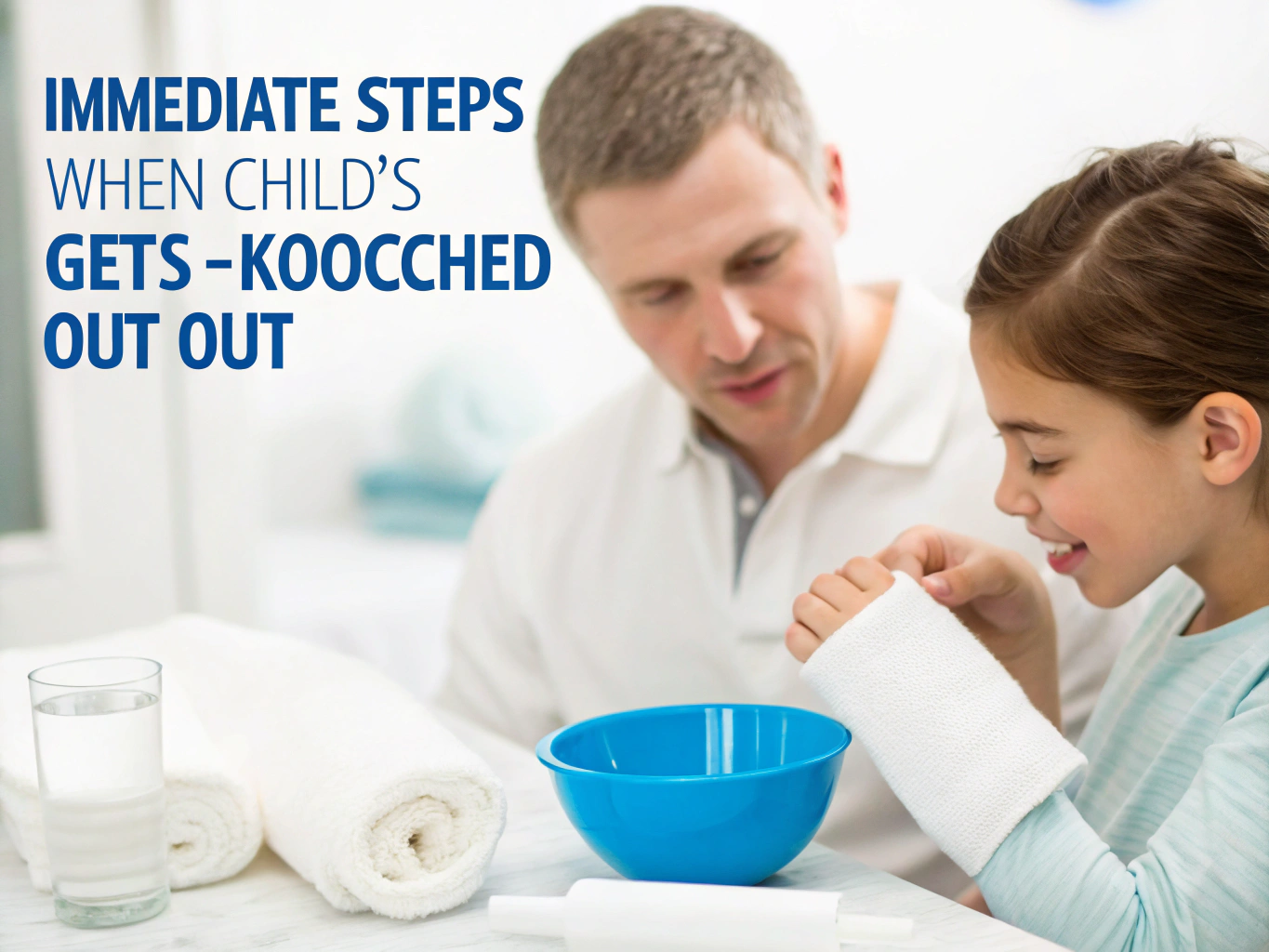
Time becomes your most critical factor when handling a kids dental emergency involving tooth displacement. The first few minutes determine whether the tooth can be successfully reimplanted. Stay calm and follow these essential steps to give your child the best chance of saving their tooth.
Your quick response directly impacts the long-term outcome. These steps work for any knocked-out tooth situation.
1. Stay Calm and Assess the Situation
Take a deep breath and comfort your child while quickly evaluating the injury. Check for other facial injuries, bleeding, or signs of head trauma that might require immediate medical attention.
2. Find the Tooth Immediately
Locate the displaced tooth as quickly as possible. Look around the accident area, including inside your child’s mouth, clothing, or nearby surfaces where it might have landed.
3. Handle the Tooth by the Crown Only
Pick up the tooth by the white crown portion, never touching the root. The root contains delicate cells needed for successful reimplantation.
4. Rinse Gently if Dirty
If the tooth appears dirty, rinse it briefly with clean water or milk. Avoid scrubbing, soap, or chemicals that could damage the root surface.
5. Attempt Reimplantation for Permanent Teeth
For permanent teeth only, try gently placing the tooth back in its socket. Have your child bite down on clean gauze to hold it in position.
6. Control Bleeding and Manage Pain
Apply gentle pressure with clean gauze to control bleeding from the socket. Use a cold compress on the outside of the face to reduce swelling and provide pain relief.
7. Seek Emergency Dental Care
Contact an open dental clinic immediately, ideally within 30 minutes. Emergency Dental San Francisco provides 24/7 urgent care for knocked-out teeth and other pediatric dental emergencies at 415-230-2783. Remember that children often feel scared and confused during dental emergencies.
Knocked-Out Tooth: Baby Tooth vs. Permanent Tooth
The type of tooth knocked out completely changes your emergency response plan. Baby teeth and permanent teeth require different handling approaches due to their distinct developmental stages. Making the wrong choice could damage developing permanent teeth underneath.
Understanding this difference prevents well-meaning parents from causing additional harm. Age provides the first clue about tooth type.
| Tooth Type | Typical Age | Action Required | Reimplantation |
|---|---|---|---|
| Baby Teeth | 6 months – 6 years | Do not reimplant | Never recommended |
| Permanent Teeth | 6 years and older | Attempt reimplantation | Often successful |
Baby Tooth Displacement Guidelines
Never attempt to reimplant a knocked-out baby tooth. Forcing a primary tooth back into its socket can damage the developing permanent tooth underneath, causing long-term problems.
Permanent Tooth Emergency Protocol
Permanent teeth require immediate reimplantation attempts when possible. These teeth can often be saved if handled properly and treated within the critical 30-minute window.
Mixed Dentition Challenges
Children between ages 6-12 have both baby and permanent teeth, making identification challenging during stressful moments. When in doubt, treat the situation as a permanent tooth emergency and contact a principal dental provider immediately.
Root Development Considerations
Young permanent teeth with incomplete root development actually have better reimplantation success rates. The developing root structure adapts more readily to trauma than fully mature teeth.
Professional evaluation becomes essential for proper identification and treatment planning.
Best Way to Store and Transport the Tooth
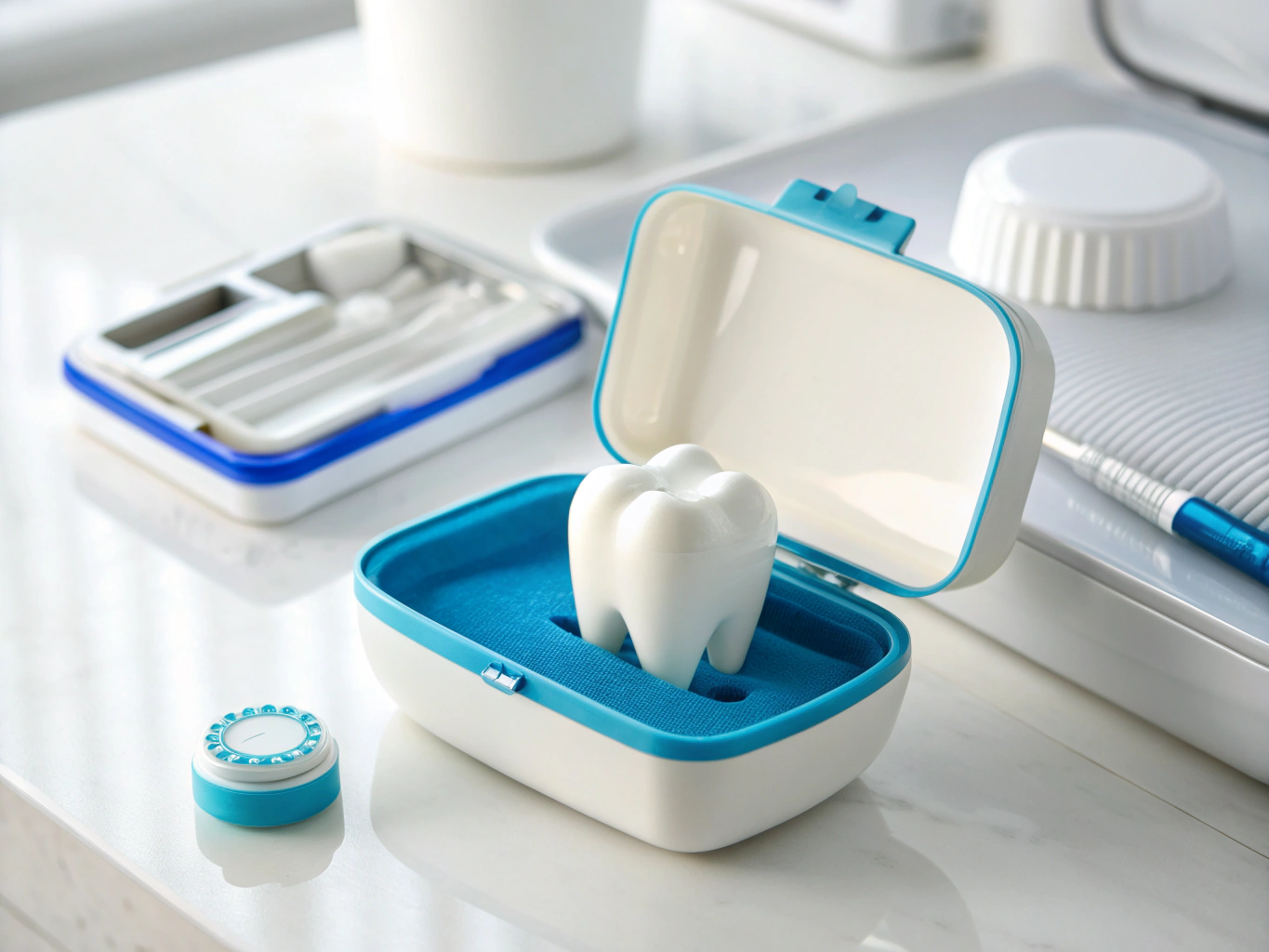
Proper tooth storage during transport to the dental clinic can determine reimplantation success. The root surface contains living cells that die quickly when exposed to air or inappropriate storage conditions. Using the right storage medium keeps these cells viable during your emergency trip.
Several household items work effectively for tooth preservation. Choose the best available option from your surroundings.
1. Milk as the Gold Standard
Cold milk provides the ideal storage environment for knocked-out teeth due to its compatible pH and osmolarity. Pour milk into a clean container and submerge the entire tooth for transport.
2. Saliva Storage Method
If milk isn’t available, place the tooth between your child’s cheek and gum, ensuring they won’t swallow it. Saliva maintains root cell viability better than water or air exposure.
3. Saline Solution Alternative
Contact lens saline solution works well for tooth storage when other options aren’t available. Avoid tap water, which can damage root cells through osmotic shock.
4. Commercial Tooth Preservation Products
Some pharmacies carry specialized tooth preservation kits containing balanced salt solutions. These products offer optimal storage conditions but aren’t commonly available during emergencies.
5. What Never to Use
Avoid storing teeth in tap water, alcohol, hydrogen peroxide, or allowing them to dry out completely. These conditions rapidly kill the root cells needed for successful reimplantation.
6. Temperature Considerations
Keep the storage medium at room temperature or slightly cool. Extreme temperatures can damage the delicate root surface cells.
7. Transport Speed
Get to an emergency dental clinic as quickly as possible, ideally within 30 minutes. Every minute counts when preserving tooth viability for reimplantation.
Your storage choice directly impacts the likelihood of successful tooth preservation.
What Happens at the Emergency Dentist
Emergency dental treatment for knocked-out teeth follows a systematic approach focused on tooth preservation and pain management. The dental team will quickly assess the situation and determine the best treatment approach based on tooth type, time elapsed, and overall condition. Understanding this process helps reduce anxiety for both parents and children during an already stressful situation.
Professional evaluation provides the expertise needed for optimal outcomes. The treatment timeline depends on several critical factors.
Initial Assessment and Triage
The dental team performs a rapid evaluation of the knocked-out tooth, socket condition, and any associated injuries. X-rays may be taken to assess root damage and check for tooth fragments in the socket.
Pain and Anxiety Management
Local anesthesia numbs the affected area before any procedures begin. Child-friendly techniques help manage anxiety and ensure comfort throughout the emergency treatment process.
Socket Preparation and Cleaning
The dentist gently cleans the tooth socket, removing any blood clots or debris that could interfere with reimplantation. This step requires delicate technique to preserve remaining tissue.
Tooth Reimplantation Process
For viable permanent teeth, the dentist carefully repositions the tooth in its socket and checks the bite alignment. A flexible splint may be placed to stabilize the reimplanted tooth.
Infection Prevention Protocol
Antibiotics may be prescribed to prevent abscess dental complications and promote healing. Tetanus vaccination status is reviewed and updated if necessary for contaminated injuries.
Follow-up Care Planning
Regular dental check up appointments monitor healing progress and tooth vitality. Root canal treatment may become necessary if the tooth’s nerve doesn’t recover properly.
Success rates vary significantly based on the time between injury and professional treatment.
Emergency Dental San Francisco for a Knocked-Out Tooth Emergency
When your child experiences a knocked-out tooth emergency, you need immediate access to specialized pediatric urgent care. Emergency Dental San Francisco provides 24/7 emergency services specifically designed for kids dental emergency situations, including tooth reimplantation and trauma management. Our experienced team understands that children require gentle, reassuring care during these frightening moments.
We serve San Francisco and the greater Bay Area with same-day appointments and walk-in availability. Our pediatric-friendly approach combines clinical expertise with compassionate care.
24/7 Emergency Access
Call 415-230-2783 any time of day or night for immediate guidance and appointment scheduling. Our team provides phone triage to help you take the right steps while traveling to our clinic.
Rapid Response Protocol
We prioritize knocked-out tooth cases due to the critical time factor in successful reimplantation. Walk-ins are welcome for dental emergencies, ensuring your child receives immediate attention.
Specialized Pediatric Care
Our clinicians have extensive experience managing children’s dental trauma with gentle techniques and age-appropriate communication. We focus on keeping young patients calm and comfortable throughout treatment.
Comprehensive Emergency Services
Beyond tooth reimplantation, we provide complete emergency dental care including pain management, infection control, and coordination with pediatric specialists when needed. Our modern facility follows strict safety protocols for optimal outcomes.
Insurance and Payment Options
We accept most dental insurance plans and offer financing options for emergency treatment. For families without insurance, we provide transparent pricing and accept all major credit cards to ensure accessible care.
Recent data shows that over 50% of children ages 6-8 experience dental caries, with many requiring emergency intervention when routine dental check up appointments are missed.
Conclusion
Acting quickly during a kids dental emergency can save your child’s tooth and prevent long-term complications. Proper handling, appropriate storage, and immediate professional care provide the best outcomes for knocked-out teeth. Contact Emergency Dental San Francisco at 415-230-2783 for expert emergency dental care when every minute counts.
Emergency Dental San Francisco specializes in dental trauma care for knocked-out teeth and pediatric emergencies. We provide same-day treatment with compassionate, professional care. Learn more about our emergency services today.
FAQs
What should I do first if my child’s tooth gets knocked out?
Act immediately and stay calm. Find the tooth, pick it up by the crown (not the root), and gently rinse it if dirty. If it’s a permanent tooth, try to place it back into the socket. If that’s not possible, store it in milk or saliva and go to an emergency dentist within 30 minutes for the best chance of saving the tooth.
Can a knocked-out tooth be saved in a child?
Yes, a knocked-out permanent tooth can often be saved if treated quickly—ideally within 30 to 60 minutes. Success depends on how the tooth is handled, how it’s stored, and how fast emergency dental care is received. Baby teeth, however, should not be replanted.
Should I put my child’s knocked-out baby tooth back in?
No. Never reinsert a knocked-out baby tooth. Replanting a primary tooth can damage the developing permanent tooth underneath. Instead, control bleeding with gauze, keep the area clean, and seek emergency dental care to assess the injury and protect future tooth development.
What is the best way to store a knocked-out tooth before seeing a dentist?
The best storage options are cold milk, saliva, or a tooth preservation kit. These keep the root cells alive during transport. Avoid storing the tooth in water, wrapping it in tissue, or letting it dry out, as this greatly reduces the chance of successful reimplantation.
How quickly should I take my child to the dentist for a knocked-out tooth?
You should seek emergency dental care immediately, ideally within 30 minutes. Every minute matters when a tooth is knocked out. Emergency Dental San Francisco offers 24/7 pediatric emergency care with same-day treatment to improve the chances of saving your child’s tooth.

Emergency Dental San Francisco is a dental office focused on providing same-day dental appointments to patients in San Francisco and the surrounding area. We provide urgent dental care services during weekends, evenings and holidays.
We accept several forms of payment and have financing options available to those who qualify. We accept most dental insurance.