

16 Jan Swollen Face: What Constitutes a Dental Emergency Today?
Facial swelling can signal a serious dental emergency that requires immediate professional attention, especially when accompanied by pain, fever, or difficulty swallowing. Common causes include dental abscesses, severe infections, or trauma that can spread to surrounding tissues and potentially become life-threatening without prompt treatment. When you notice sudden facial swelling related to dental issues, seeking immediate care from an emergency dentist near me becomes critical for your health and safety.
This article will help you understand what constitutes a dental emergency when facial swelling occurs, recognize warning signs that require urgent attention, and know when to contact Emergency Dental San Francisco for same-day emergency dental care. You’ll learn about the causes, symptoms, and immediate steps to take before reaching our clinic.
Key Takeaways
- Facial swelling with fever or difficulty swallowing requires immediate emergency dental care.
- Dental abscesses are the most common cause of facial swelling emergencies.
- Quick treatment prevents the spread of infection and potential life-threatening complications.
- Emergency Dental San Francisco provides 24/7 same-day treatment for facial swelling emergencies.
- Never ignore facial swelling that develops rapidly or worsens overnight.
Understanding the difference between minor dental discomfort and a true emergency can save your life when facial swelling develops.
Understanding What Constitutes a Dental Emergency With Facial Swelling

A dental emergency involving facial swelling occurs when infection or trauma causes rapid swelling of the tissues around your mouth, jaw, or face. This type of emergency requires immediate attention because infections can spread to vital areas, including your airway, brain, or bloodstream. The American Dental Association recognizes facial swelling as one of the most serious dental emergencies requiring professional intervention.
Emergency Dental San Francisco treats facial swelling emergencies 24/7 because we understand how quickly these conditions can become life-threatening. Our urgent care approach focuses on immediate pain relief and infection control.
Several factors determine whether your facial swelling constitutes a true emergency requiring immediate care.
1. Rapid Onset and Progression
Swelling that develops within hours or overnight typically indicates an active infection or severe trauma. This rapid progression suggests your body is fighting a serious condition that won’t resolve on its own.
2. Location and Extent
Swelling that affects your eye area, neck, or extends beyond the immediate tooth area represents a more serious emergency. These locations indicate infection spread that could compromise breathing or vision.
3. Associated Symptoms
Fever, difficulty swallowing, trouble breathing, or severe pain alongside swelling creates an emergency situation. These symptoms suggest systemic infection that requires immediate antibiotic treatment and possible drainage.
4. Impact on Daily Functions
When swelling prevents you from eating, drinking, speaking clearly, or opening your mouth normally, you need emergency dental care. Functional impairment indicates significant tissue involvement.
5. Previous Dental Work
Swelling around recent dental procedures, crowns, or root canals may indicate treatment failure or secondary infection. These situations require immediate evaluation to prevent complications.
Let’s examine the specific causes behind dental emergency facial swelling.
Common Causes of Emergency Dental Facial Swelling
Dental abscesses represent the leading cause of facial swelling emergencies, accounting for the majority of urgent dental care visits. These infections develop when bacteria invade the tooth’s pulp or surrounding tissues, creating pus-filled pockets that cause rapid swelling. Understanding these causes helps you recognize when to seek immediate treatment from a dental clinic.
Trauma and injury also create facial swelling that requires emergency attention, especially when combined with tooth damage or jaw injury.
| Cause | Symptoms | Urgency Level |
|---|---|---|
| Periapical Abscess | Tooth pain, facial swelling, fever | Immediate |
| Periodontal Abscess | Gum swelling, bad taste, pain | Same Day |
| Facial Trauma | Swelling, bruising, tooth damage | Immediate |
| Failed Root Canal | Recurring pain, swelling, sensitivity | Same Day |
| Wisdom Tooth Infection | Jaw pain, swelling, limited opening | 24-48 Hours |
1. Periapical Abscesses
These infections form at the tooth root tip when decay reaches the pulp chamber. The infection spreads through the root canal system into surrounding bone and soft tissue, causing significant facial swelling that often appears overnight.
2. Periodontal Abscesses
Gum infections can create abscesses between the tooth and gum tissue, leading to localized swelling that can spread to the facial area. These infections often result from untreated gum disease or food impaction.
3. Cellulitis
This serious soft tissue infection spreads rapidly through facial planes, causing diffuse swelling that can affect breathing or swallowing. Cellulitis requires immediate antibiotic treatment and possible hospitalization.
4. Impacted Wisdom Teeth
Partially erupted wisdom teeth create pockets where bacteria accumulate, leading to pericoronitis and facial swelling. This condition often worsens rapidly and affects jaw function.
5. Post-Surgical Complications
Infections following tooth extractions or oral surgery can delay healing and cause significant facial swelling. These complications require immediate evaluation and adjustment of treatment.
Recognizing warning signs helps determine when facial swelling requires emergency intervention.
Warning Signs That Require Immediate Emergency Dentist Care
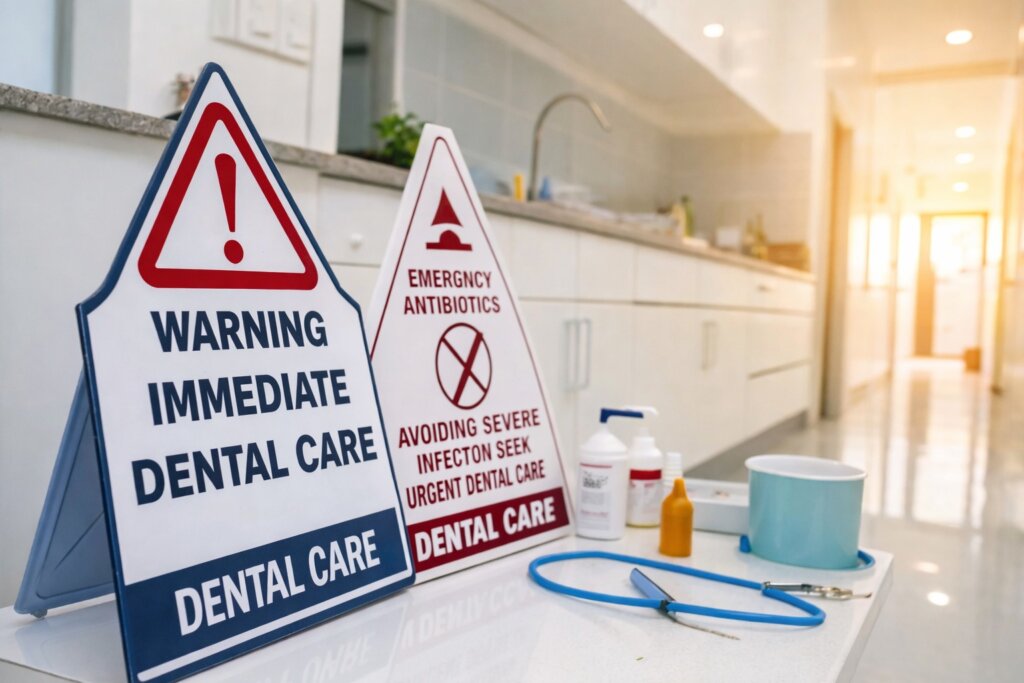
Certain symptoms accompanying facial swelling indicate a medical emergency that requires immediate professional attention, not just routine dental care. These warning signs suggest infection spread or complications that could become life-threatening without prompt treatment. Emergency Dental San Francisco monitors these critical indicators to ensure appropriate levels of urgent care.
Your safety depends on recognizing these symptoms and seeking immediate help rather than waiting for regular office hours.
1. Breathing Difficulties
Any swelling that affects your ability to breathe normally requires emergency room evaluation before dental treatment. Airway compromise represents a life-threatening emergency that takes priority over dental concerns.
2. Swallowing Problems
Difficulty swallowing saliva or liquids indicates swelling near your throat or airway. This symptom suggests a deep-space infection that requires immediate antibiotic treatment and close monitoring.
3. High Fever
A temperature above 101°F (38.3°C) with facial swelling indicates a systemic infection requiring immediate medical intervention. A fever suggests bacteria have entered your bloodstream, increasing your risk of sepsis.
4. Rapid Swelling Progression
Swelling that doubles in size within hours or continues expanding despite home care requires emergency evaluation. Rapid progression indicates an active infection that won’t respond to conservative treatment.
5. Eye Involvement
Swelling that closes your eye or affects vision suggests infection spread to dangerous facial spaces. Upper jaw infections can spread to areas around the eye, requiring immediate treatment.
6. Neck Swelling
Swelling that extends into your neck indicates a deep-space infection that could affect breathing or swallowing. This pattern requires immediate professional evaluation and aggressive treatment.
Understanding immediate care steps can help manage your condition while seeking professional treatment.
Immediate Steps Before Reaching Emergency Dental Care
Taking appropriate immediate action while arranging emergency dental care can help manage pain and prevent complications from worsening. These steps provide temporary relief but never replace professional treatment for facial swelling emergencies. Emergency Dental San Francisco recommends these measures as you travel to our clinic for urgent care.
Remember that facial swelling with systemic symptoms requires immediate professional evaluation, not extended home management.
1. Apply Cold Compression
Use ice packs wrapped in cloth for 15-20 minute intervals to reduce swelling and numb pain. Never apply ice directly to skin, as this can cause tissue damage and worsen your condition.
2. Take Over-Counter Pain Relief
Ibuprofen helps reduce both pain and inflammation associated with facial swelling. Follow package directions and avoid aspirin if you might need dental procedures that could cause bleeding.
3. Rinse With Salt Water
Gentle warm salt water rinses can help reduce bacteria in your mouth without irritating swollen tissues. Mix 1 teaspoon of salt into warm water, then rinse carefully without vigorous swishing.
4. Stay Hydrated
Drink plenty of water to help your body fight infection and prevent dehydration from fever. Avoid alcohol, which can interfere with healing and interact with medications.
5. Elevate Your Head
Sleep with extra pillows to keep your head elevated above your heart. This position helps reduce blood flow to the swollen area and may slow the overnight progression of swelling.
6. Avoid Heat Application
Never apply heat to facial swelling, as this increases blood flow and can worsen the spread of infection. Heat can also increase pain and accelerate bacterial growth in infected areas.
Professional treatment options vary based on the severity and cause of your facial swelling emergency.
Emergency Treatment Options for Facial Swelling
Professional treatment for dental emergency facial swelling focuses on infection control, pain management, and the prevention of complications through targeted interventions. Emergency Dental San Francisco offers comprehensive treatment options tailored to your specific condition and severity. Our approach prioritizes immediate relief while addressing underlying causes to prevent recurrence.
Treatment decisions depend on infection location, severity, and your overall health status.
1. Antibiotic Therapy
Immediate antibiotic treatment targets bacterial infections causing facial swelling, with specific medications chosen based on likely organisms and infection severity. Severe cases may require intravenous antibiotics for faster systemic delivery and more aggressive infection control.
2. Incision and Drainage
Abscesses with significant pus accumulation require surgical drainage to remove infected material and reduce pressure. This procedure provides immediate relief and improves antibiotic penetration into affected tissues.
3. Root Canal Therapy
Infected teeth that cause facial swelling often require emergency root canal treatment to remove the infected pulp and seal the root canal system. This procedure eliminates the source of the infection and preserves the natural tooth structure.
4. Tooth Extraction
Severely damaged teeth that cannot be saved through root canal therapy require extraction to eliminate the infection source. Emergency extractions prevent further spread of infection and provide definitive treatment.
5. Pain Management
Prescription pain medications provide relief from severe discomfort associated with facial swelling while other treatments take effect. Pain control improves your comfort and helps you maintain nutrition and hydration.
6. Hospitalization
Severe infections with systemic symptoms or airway involvement may require hospital admission for intravenous antibiotics and monitoring. We coordinate with medical facilities when dental infections require medical management.
Prevention strategies can help you avoid future facial swelling emergencies.
Preventing Future Dental Emergencies With Facial Swelling
Preventing dental emergencies that cause facial swelling requires consistent oral hygiene practices, regular professional care, and prompt attention to early warning signs. Most facial swelling emergencies stem from preventable conditions such as untreated decay, gum disease, or ignored dental pain. Emergency Dental San Francisco emphasizes prevention education to help patients avoid urgent situations that disrupt their lives.
Early intervention for minor dental problems prevents progression to serious infections requiring emergency treatment.
1. Maintain Excellent Oral Hygiene
Brush twice daily with fluoride toothpaste and floss regularly to remove bacteria that can cause infections and lead to facial swelling. Proper oral hygiene prevents most dental infections that require emergency treatment.
2. Address Dental Pain Promptly
Never ignore persistent tooth pain, as this often indicates an infection that can progress to facial swelling. Early treatment of dental pain prevents minor problems from becoming serious emergencies.
3. Complete Prescribed Treatments
Finish all recommended dental treatments, including root canals, extractions, or antibiotic courses, to prevent treatment failure and recurring infections. Incomplete treatment often leads to more serious complications requiring emergency care.
4. Avoid dental trauma
Wear mouthguards during sports and avoid using teeth as tools to prevent trauma that can lead to infection and swelling. Protective measures significantly reduce your risk of dental emergencies.
5. Schedule Regular Check-ups
Professional cleanings and examinations detect early problems before they progress to emergency situations requiring urgent treatment. Regular dental care represents the most effective prevention strategy.
6. Monitor Risk Factors
Diabetes, immune system problems, and certain medications increase your risk for dental infections that cause facial swelling. Work with your healthcare providers to manage these risk factors effectively.
Conclusion
Facial swelling represents a serious dental emergency requiring immediate professional attention to prevent life-threatening complications. Emergency Dental San Francisco provides 24/7 urgent care for facial swelling emergencies with same-day treatment and comprehensive infection management. Call 415-230-2783 immediately if you experience facial swelling with fever, breathing difficulties, or rapid progression.
Emergency Dental San Francisco provides immediate treatment for a swollen jaw with same-day appointments and after-hours care. Our licensed professionals prioritize fast pain relief and clear next steps. Learn more about ending your dental emergency today.
FAQs
What Is Considered a Dental Emergency?
A dental emergency is any mouth or facial problem that needs same-day care to stop severe pain, control infection, or prevent permanent damage—such as a swollen face, abscess, uncontrolled bleeding, knocked-out tooth, broken tooth with pain, or trauma to the jaw. If you’re unsure, call us 24/7 at 415-230-2783 for guidance and fast scheduling.
How Do I Know If My Tooth Pain Is an Emergency?
It’s an emergency if the pain is severe, sudden, worsening, or comes with facial swelling, fever, a bad taste/drainage, trouble sleeping, or pain when biting. These can signal infection or nerve damage, and prompt treatment can prevent complications and provide quicker relief.
What Should I Do If I Have a Knocked-Out Tooth?
Act immediately: pick up the tooth by the crown (not the root), gently rinse if dirty, and try to place it back in the socket. If you can’t, store it in milk or saliva and get urgent dental care right away—ideally within 30–60 minutes—for the best chance of saving it.
Is a Broken or Chipped Tooth a Dental Emergency?
It can be. If there’s significant pain, bleeding, sharp edges cutting your tongue/cheek, visible nerve exposure, or swelling, it’s urgent and should be seen the same day. Small chips without pain can often wait briefly, but should still be evaluated to prevent cracking or infection.
When Should I Go To The ER For A Dental Problem?
Go to the ER (or call 911) if you have trouble breathing or swallowing, rapidly spreading facial/neck swelling, fever with severe swelling, uncontrolled bleeding, or a serious facial/jaw injury. For most dental emergencies like toothaches, abscesses, and broken teeth, an urgent-care dentist can treat the cause and relieve pain faster.

Emergency Dental San Francisco is a dental office focused on providing same-day dental appointments to patients in San Francisco and the surrounding area. We provide urgent dental care services during weekends, evenings and holidays.
We accept several forms of payment and have financing options available to those who qualify. We accept most dental insurance.