

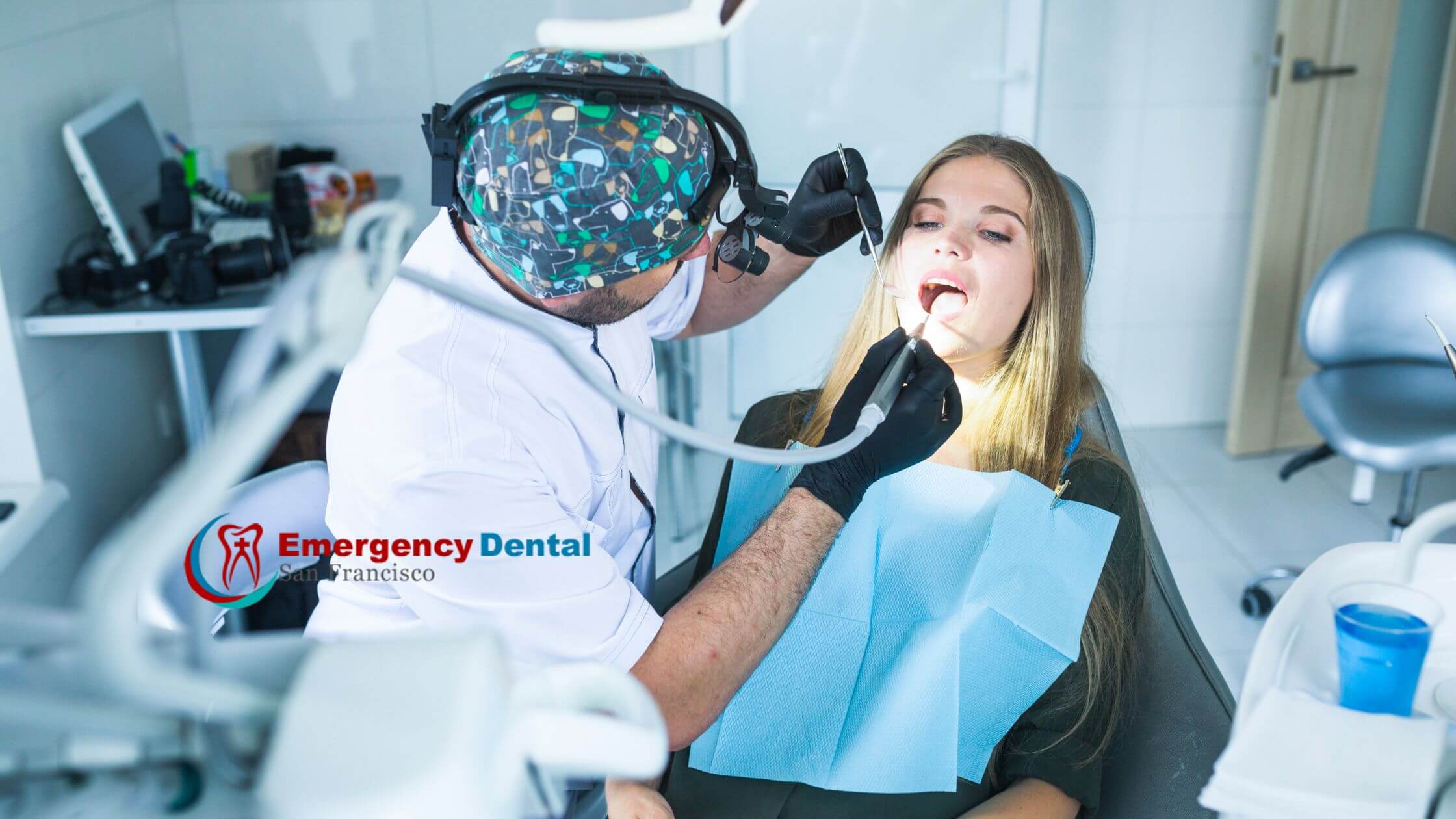
17 Feb Emergency Dental Exam: What to Expect and When to Go Immediately
An emergency dental exam can feel overwhelming when you’re already dealing with pain or trauma. The process typically begins with immediate pain assessment and triage, followed by diagnostic imaging and a thorough examination to determine the best course of treatment. Understanding what happens during this critical appointment can help reduce anxiety and ensure you receive the most effective care possible.
This guide walks you through every step of an emergency dental exam, from recognizing true dental emergencies to understanding treatment options and aftercare. You’ll learn when to seek immediate professional help versus managing symptoms at home, plus practical tips for preparing for your urgent dental visit.
Key Takeaways
- Emergency dental exams prioritize pain relief and infection control through rapid triage and diagnostic imaging.
- Severe toothaches, facial swelling with fever, knocked-out teeth, and uncontrolled bleeding require immediate professional care.
- The exam process includes pain assessment, X-rays, treatment planning, and immediate intervention when necessary.
- Proper preparation with insurance cards, medication lists, and dental records can streamline your emergency visit.
- Follow-up care and monitoring are essential components of successful emergency dental treatment outcomes.
Understanding When You Need an Emergency Dental Exam
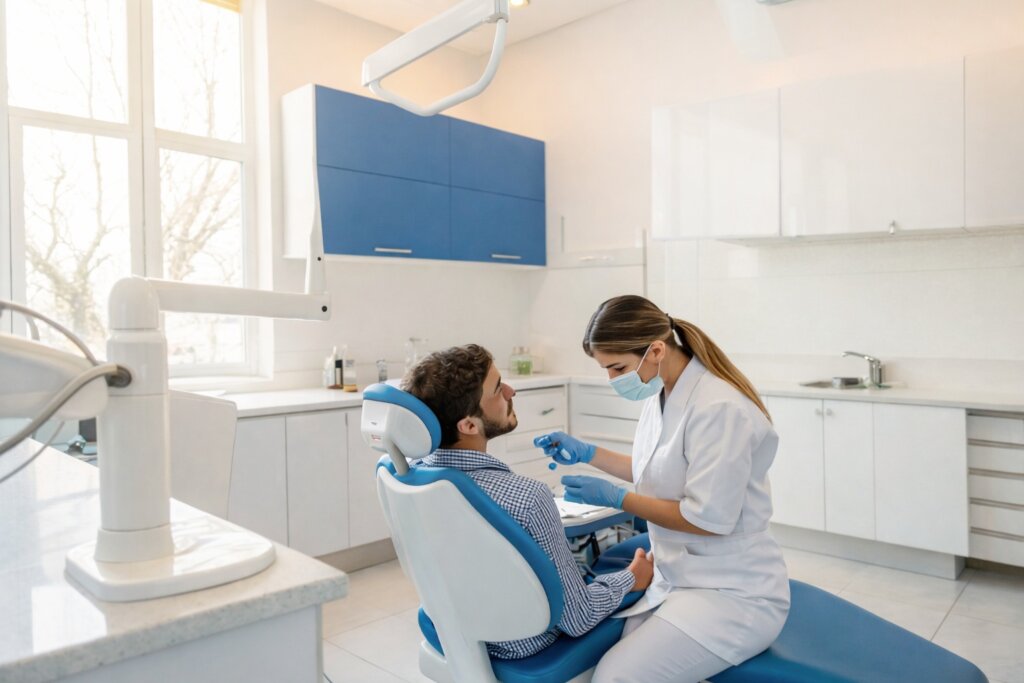
Recognizing a true dental emergency versus routine discomfort can save your tooth and prevent serious complications. Severe, persistent pain that doesn’t respond to over-the-counter medications signals the need for immediate professional evaluation. Facial swelling accompanied by fever may indicate a dangerous infection requiring urgent antibiotic treatment.
Trauma-related injuries demand prompt attention regardless of pain levels. A knocked-out tooth has the best chance of successful reimplantation when treated within 30 minutes of the incident.
1. Severe Pain That Disrupts Daily Activities
Throbbing, constant pain that prevents sleep or eating typically indicates nerve involvement or infection. This type of discomfort rarely resolves without professional intervention and may worsen rapidly without treatment.
2. Visible Swelling Around the Face or Jaw
Facial swelling, especially when accompanied by fever, suggests a spreading infection that could become life-threatening. These symptoms require immediate evaluation at an emergency dental clinic to prevent complications.
3. Knocked-Out or Fractured Teeth
dental trauma from accidents, sports injuries, or falls needs urgent assessment regardless of pain levels. Even seemingly minor chips can expose nerve tissue and lead to infection if left untreated.
4. Uncontrolled Bleeding from the Mouth
Persistent bleeding that doesn’t stop with direct pressure may indicate tissue damage requiring immediate suturing or other intervention. This symptom warrants emergency dental care to prevent excessive blood loss.
5. Lost Crowns or Fillings Causing Sharp Pain
Exposed tooth structure from lost dental work can cause severe sensitivity and leave teeth vulnerable to further damage. Emergency dentists can provide temporary or permanent solutions to protect the affected area.
Emergency Dental San Francisco provides 24/7 urgent care for all these situations, with same-day appointments available throughout the Bay Area. Our team prioritizes pain relief and infection control to get you comfortable quickly while planning appropriate follow-up treatment.
What Happens During Your Emergency Dental Exam
The emergency dental exam follows a systematic approach designed to address your immediate needs while gathering information for comprehensive treatment planning. Your visit begins with rapid triage to assess pain levels and identify any life-threatening conditions. The clinical team then performs diagnostic procedures to determine the underlying cause of your symptoms.
Most emergency exams can be completed within 30-45 minutes, depending on the complexity of your condition. The dentist will explain findings and treatment options in clear terms before proceeding with any procedures.
1. Initial Triage and Pain Assessment
The dental team immediately evaluates your pain level using a standardized scale and checks for signs of serious infection or trauma. This rapid assessment helps prioritize treatment and determine if additional emergency measures are needed.
2. Medical History Review
Staff will quickly review your current medications, allergies, and relevant medical conditions that might affect treatment options. This information helps ensure safe administration of anesthesia and appropriate antibiotic selection, if needed.
3. Clinical Examination
The dentist performs a focused examination of the affected area, checking for swelling, tenderness, tooth mobility, and signs of infection. Visual inspection often reveals obvious problems like fractures, decay, or gum inflammation.
4. Diagnostic Imaging
Digital X-rays provide detailed images of tooth roots, surrounding bone, and hidden decay that isn’t visible during clinical examination. These images are essential for accurate diagnosis and treatment planning in emergency situations.
5. Treatment Planning Discussion
The dentist explains findings and presents treatment options with clear cost estimates and expected outcomes. You’ll receive information about immediate interventions versus longer-term solutions based on your specific situation.
6. Immediate Treatment Implementation
Pain relief measures begin immediately, often including local anesthesia, drainage of infections, or temporary restorations. The goal is to stabilize your condition and provide comfort while planning definitive care.
Treatment Options Available During Emergency Dental Exams
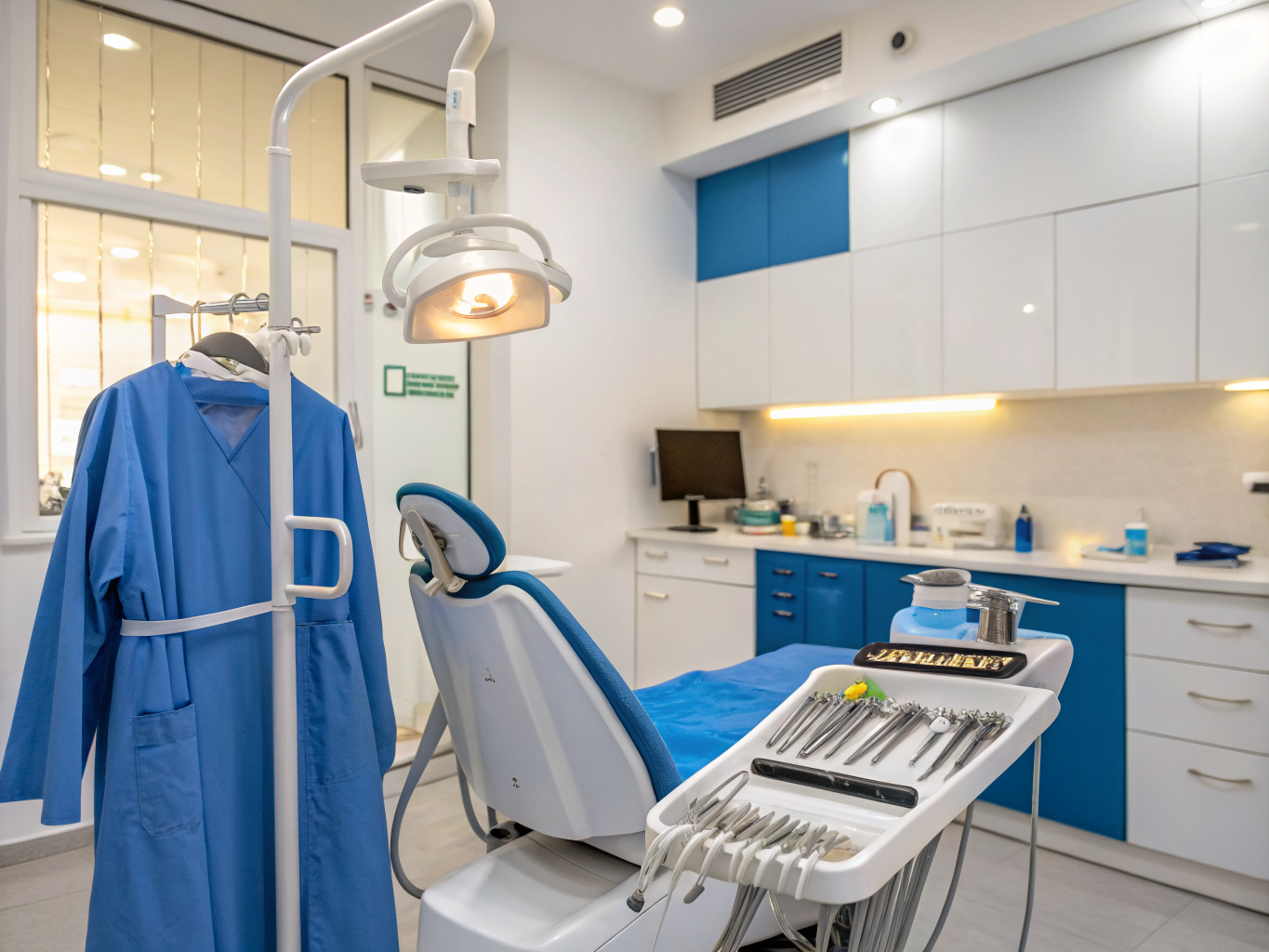
Emergency dental treatment focuses on immediate pain relief and infection control while stabilizing your condition for future definitive care. The specific interventions depend on your diagnosis, overall health status, and personal preferences regarding treatment approaches. Most emergency procedures can be completed during your initial visit, though complex cases may require staged treatment over multiple appointments.
Treatment decisions balance immediate needs with long-term oral health goals. Your emergency dentist will explain all available options and help you make informed choices about your care.
1. Pain Management and Anesthesia
Local anesthesia provides immediate relief for severe dental pain and allows for comfortable examination and treatment. Injectable medications can relieve discomfort within minutes, allowing necessary procedures to be performed without distress.
2. Infection Control Measures
Antibiotic therapy targets bacterial infections that cause abscesses and facial swelling, while drainage procedures provide immediate pressure relief. These interventions can prevent dangerous complications and reduce pain significantly within hours of treatment.
3. Tooth Preservation Techniques
Root canal therapy removes infected nerve tissue while preserving the natural tooth structure, avoiding extraction in many cases. This treatment can often be initiated during emergency visits and completed at follow-up appointments.
4. Emergency Extractions
Severely damaged or infected teeth may require immediate removal to prevent complications and eliminate sources of pain. Emergency extractions are performed under local anesthesia with careful attention to post-operative comfort and healing.
5. Temporary Restorations
Temporary crowns, fillings, and other restorations protect damaged teeth and provide immediate functional improvement. These solutions buy time for proper treatment planning while maintaining comfort and preventing further damage.
6. Trauma Management
Knocked-out teeth may be successfully reimplanted if treatment occurs within the critical time window, while fractured teeth can often be repaired with bonding or crowns. Soft tissue injuries are sutured and managed with appropriate wound care to promote proper healing.
We follow strict CDC and OSHA infection-control standards with comprehensive sterilization protocols and appropriate personal protective equipment. All procedures are performed by licensed professionals using modern equipment in a clean, clinical environment that prioritizes patient safety.
Post-Exam Care and Follow-Up Instructions
Proper aftercare following your emergency dental exam is essential for successful healing and preventing complications. Your dentist will provide specific written instructions tailored to your treatment, including medication schedules, dietary restrictions, and activity limitations. Following these guidelines carefully can significantly improve your recovery experience and long-term outcomes.
Most patients experience gradual improvement over the first 24-48 hours following emergency treatment. Pain and swelling typically peak within the first day and begin to subside with appropriate care and medication adherence.
Warning Signs Requiring Immediate Attention
- Increasing pain or swelling after the first 48 hours
- Fever above 101°F or persistent chills
- Difficulty swallowing or breathing
- Persistent bleeding that doesn’t respond to pressure
- Severe nausea or vomiting from pain medications
- Signs of allergic reaction to prescribed medications
Contact your emergency dentist immediately if you experience any of these symptoms, as they may indicate complications requiring additional treatment. Most emergency dental practices provide 24-hour phone access for post-treatment concerns and questions.
Finding Quality Emergency Dental Care Near You
Locating reliable emergency dental care before you need it can save valuable time during actual emergencies. Research local emergency dentists and urgent care dental clinics in your area, noting their hours of operation, services offered, and insurance acceptance policies. Many practices offer 24/7 availability, while others provide after-hours phone consultations and weekend appointments.
Quality emergency dental clinics maintain proper licensing, follow strict infection-control protocols, and employ experienced dentists who can handle complex urgent cases. Look for practices that offer transparent pricing, accept your insurance, and provide clear communication about treatment options and expected outcomes.
Emergency Dental San Francisco serves patients throughout the Bay Area with 24/7 availability, same-day appointments, and walk-in services. Our team focuses on immediate pain relief and professional care, ensuring you receive prompt attention whenever a dental emergency strikes, day or night.
Conclusion
Emergency dental exams provide critical care when pain, trauma, or infection threatens your oral health and overall well-being. Understanding the examination process, knowing when to seek immediate care, and preparing properly for your visit can significantly improve treatment outcomes. Remember that prompt professional attention often makes the difference between saving and losing a tooth in emergency situations.
Emergency Dental San Francisco provides same-day emergency dental exams, immediate pain relief, and clear treatment plans. Our licensed professionals prioritize your comfort while explaining the next steps in plain language. Get started with fast, compassionate care today.
FAQs
What Is Considered a Dental Emergency?
A dental emergency is any mouth pain, swelling, bleeding, or injury that needs prompt care—such as a severe toothache, facial swelling, abscess, knocked-out or loose tooth, cracked/broken tooth, uncontrolled bleeding, or signs of infection (fever, foul taste, difficulty swallowing). If you’re unsure, call us 24/7 at 415-230-2783 for guidance and same-day options.
How Much Does an Emergency Dental Exam Cost?
Costs vary based on what’s needed (exam, X-rays, and any immediate treatment). We accept most dental insurance plans, offer financing for those who qualify, and accept cash and major credit cards for self—pay patients. Our team will explain pricing clearly before treatment whenever possible.
Can I Go to the ER for a Dental Emergency?
You can go to the ER for trouble breathing, uncontrolled bleeding, major facial trauma, or rapidly spreading swelling, but most dental problems are best treated by an emergency dentist. ERs typically provide pain control and antibiotics, while we can diagnose the cause and deliver definitive dental treatment (such as draining an abscess or stabilizing a tooth) the same day, when appropriate.
What Happens During an Emergency Dental Exam?
We focus on fast, safe pain relief first, then evaluate the tooth and gums, review your symptoms/medical history and medications, take X-rays if needed, and explain what’s causing the problem. You’ll get clear treatment options, an estimate, and a realistic next-step plan for follow-up care.
Do I Need an Appointment for an Emergency Dental Exam?
No—walk-ins are welcome, and we also offer same-day appointments, as well as after-hours, weekend, and holiday appointments. Calling ahead at 415-230-2783 can help us prepare and get you seen faster, but you can also book online for immediate care.

Emergency Dental San Francisco is a dental office focused on providing same-day dental appointments to patients in San Francisco and the surrounding area. We provide urgent dental care services during weekends, evenings and holidays.
We accept several forms of payment and have financing options available to those who qualify. We accept most dental insurance.