

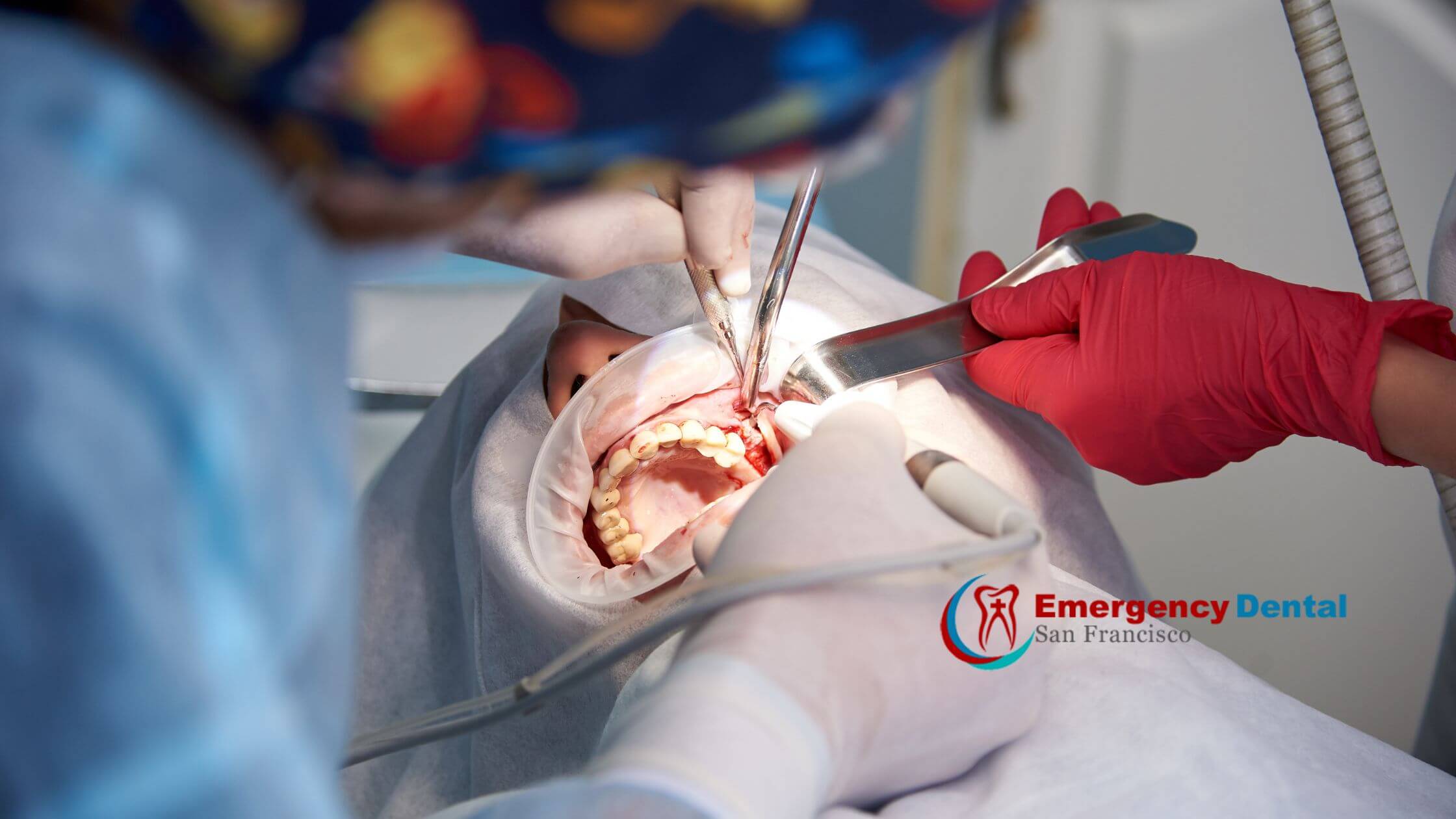
09 Dec Emergency Dental Surgery: Which Conditions Require Immediate Surgery Rather Than Temporary Treatment?
When severe dental pain strikes or an accident damages your teeth, determining whether you need emergency dental surgery becomes critical. CDC data shows tooth disorders cause nearly 1.9 million emergency department visits annually, yet many patients struggle to distinguish between situations requiring immediate surgical intervention and those that can wait for regular dental appointments. Understanding when emergency dental surgery is truly necessary can save your teeth, prevent life-threatening complications, and help you make informed decisions during stressful moments.
This guide will help you recognize urgent warning signs that demand immediate attention, understand common scenarios where emergency dental surgery becomes unavoidable, and learn what to expect during urgent procedures. You’ll also discover how professional emergency dental care teams evaluate your symptoms and provide practical prevention strategies to reduce your risk of future dental crises.
Key Takeaways
- Severe swelling with fever, difficulty swallowing, or breathing problems require immediate emergency dental surgery to prevent life-threatening complications.
- Knocked-out teeth have the highest chance of survival when emergency dental surgery occurs within 30 minutes of the injury.
- Abscessed teeth and failed root canals often need urgent surgical intervention to control infection and preserve oral health.
- Emergency dental surgery typically involves examination, X-rays, numbing, the procedure, and detailed aftercare instructions for optimal healing.
- Professional triage at emergency dental clinics helps determine whether surgery can’t wait or if symptoms can be managed until regular appointments.
- Regular checkups, early cavity treatment, and protective gear during sports significantly reduce the need for emergency dental surgery.
Recognizing Red-Flag Symptoms You Shouldn’t Ignore
Certain dental symptoms signal emergencies that require immediate professional attention and potentially emergency dental surgery. Severe, throbbing pain that prevents sleep or normal activities often indicates serious infection or nerve damage requiring urgent intervention. Facial swelling accompanied by fever suggests a spreading infection that could become life-threatening without prompt treatment.
Difficulty swallowing or breathing represents the most critical warning sign. These symptoms indicate infection has spread beyond the tooth into surrounding tissues and airways, requiring immediate emergency dental care.
Uncontrolled bleeding from the mouth, especially after trauma, needs urgent evaluation to prevent excessive blood loss and assess underlying damage. Knocked-out or completely fractured teeth are time-sensitive emergencies in which quick action determines whether the tooth can be saved. Visible pus drainage, particularly with swelling and fever, signals an active infection that may require emergency dental surgery to prevent complications.
Sharp, exposed tooth fragments or visible nerve tissue cause excruciating pain and leave the tooth vulnerable to further damage and infection. Jaw locking or inability to open your mouth normally can indicate serious injury or infection affecting the jaw joint or surrounding muscles.
Common Situations Where Emergency Dental Surgery Is Recommended
Several specific conditions frequently require urgent intervention to preserve oral health and prevent serious complications. In many of these cases, waiting too long can allow infection to spread, increase pain, and reduce the chances of saving the tooth. Understanding which situations may call for emergency dental surgery helps patients make safer decisions when symptoms suddenly worsen.
Abscessed Teeth and Severe Infections Requiring Emergency Dental Surgery
Abscessed teeth create a painful pocket of pus caused by bacterial infection that can spread quickly if not treated. Emergency dental surgery is often needed to drain the abscess, remove infected tissue, and sometimes extract the affected tooth to protect overall health. Symptoms like facial swelling, fever, and throbbing pain are red flags that immediate surgical care may be necessary.
Wisdom Tooth Impaction Causing Intense Pain and Swelling
Impacted wisdom teeth that are trapped under the gum or pressing against nearby teeth can cause severe pain, swelling, and infection. When these symptoms flare up, prompt surgical removal may be needed to relieve pressure and prevent damage to neighboring teeth and jawbone. Ignoring these issues can lead to recurrent infections and more complex surgery later.
Failed Root Canals and Recurrent Infections
Sometimes a tooth that has already had a root canal can become reinfected, leading to renewed pain and swelling. In these cases, emergency dental surgery may be needed to clean out the infection through retreatment or to remove the tooth entirely if it cannot be saved. Acting quickly helps stop the infection from spreading to the jaw, face, or bloodstream.
Trauma, Fractured Roots, and Knocked-Out Teeth
Accidents, sports injuries, or falls can cause teeth to crack below the gum line, loosen severely, or be completely knocked out. Fractured roots and severely displaced teeth often require immediate surgical stabilization or extraction to reduce the risk of permanent damage. Rapid treatment can make the difference between saving and losing one or more teeth.
Complications After Recent Dental Procedures
After a recent dental procedure, persistent bleeding, increasing pain, or signs of infection such as swelling and fever may signal a serious complication. In some cases, emergency surgical intervention is needed to control bleeding, drain infection, or correct a problem with the treated tooth or surrounding tissues. Seeking urgent evaluation helps prevent minor post-treatment issues from turning into major health risks.
These kinds of situations show how quickly a dental issue can escalate from uncomfortable to urgent. By recognizing when symptoms point to a possible surgical emergency, patients can get help faster and reduce the chances of long-term damage. Prompt evaluation by an emergency dentist ensures that the right treatment—whether surgery or a simpler procedure—is started before complications become more serious.
What Happens Before, During, and After Urgent Dental Surgery
Emergency dental surgery follows a step-by-step process designed to quickly relieve pain while keeping you safe and informed. From the moment you arrive, the team focuses on calming your symptoms, understanding what’s wrong, and choosing the best treatment. Knowing what happens before, during, and after urgent dental surgery can make the experience feel much less frightening and more manageable.
Initial Assessment and Pain Relief
Your visit begins with a rapid evaluation of your pain level, visible swelling, bleeding, and any trauma to the teeth or gums. The dental team will stabilize you first, often providing immediate pain relief with medication or numbing gel so you can feel more comfortable. This early focus on comfort helps you stay calm while the dentist gathers more detailed information.
Diagnostics and Surgical Planning
Once you are more comfortable, the dentist will perform a thorough exam and take X-rays or other imaging to see the full extent of damage or infection. These findings guide the decision about whether emergency dental surgery is needed and which procedure is most appropriate. Your dentist will then outline the plan in clear, simple language so you understand what will happen and why.
Anesthesia and Sedation Options
Before surgery begins, local anesthesia is used to completely numb the treatment area so you don’t feel pain during the procedure. For anxious patients or more complex cases, the dentist may recommend sedation options to help you relax or feel drowsy and less aware. Your medical history and comfort level are always considered when choosing the safest anesthesia approach.
What Happens During Emergency Dental Surgery
During the procedure, your dentist works with sterile instruments and strict infection control measures to protect your health. Depending on your situation, surgery may involve draining an abscess, removing a severely damaged tooth, performing root canal surgery, or repairing trauma to teeth and gums. Most urgent dental surgeries are completed within 30 to 90 minutes, with the dentist offering brief updates so you know how things are going.
Immediate Aftercare and Follow-Up Support
Once the surgery is finished, you’ll receive written and verbal instructions on caring for the surgical site, managing pain, and what activities to avoid. Your dentist may prescribe antibiotics to control or prevent infection and pain relievers to keep you comfortable in the first few days. A follow-up visit is usually scheduled to monitor healing and give you a chance to ask questions or address any new concerns.
By understanding each stage of urgent dental surgery, you can feel more prepared and less overwhelmed if an emergency ever arises. Knowing that there is a clear plan—from initial evaluation through follow-up—helps build trust in the process and your dental team. This clarity allows you to focus on healing, pain relief, and getting back to normal life as quickly and safely as possible.
Preventing Future Crises and Reducing the Need for Emergency Surgery
Proactive dental care significantly reduces your risk of requiring emergency dental surgery in the future. Regular checkups every six months allow your dentist to identify and treat problems before they become urgent situations requiring surgical intervention. Early cavity treatment prevents tooth decay from progressing to the point where extraction becomes necessary.
Professional cleanings remove plaque and tartar buildup that contributes to gum disease and tooth loss.
Addressing gum disease in its early stages prevents the bone loss and infection that often require emergency surgical treatment. Custom mouthguards protect your teeth during sports and recreational activities, preventing the trauma that frequently leads to emergency dental surgery. Avoiding extremely hard foods, ice chewing, and using teeth as tools reduces your risk of fractures and chips that may require urgent repair.
Pay attention to early warning signs such as persistent sensitivity, mild pain, or gum bleeding, as addressing these symptoms promptly can prevent them from escalating into surgical emergencies. Maintain good oral hygiene with regular brushing and flossing to prevent the bacterial buildup that causes abscesses and severe infections. If you grind your teeth at night, a custom night guard can prevent the excessive wear and fractures that sometimes require emergency intervention.
Managing underlying health conditions such as diabetes helps maintain better oral health and reduces infection risk. Avoiding tobacco products improves healing capacity and reduces complications from dental procedures.
How Emergency Dental San Francisco Helps You Decide If Surgery Can’t Wait
Our 24/7 emergency dental care team provides immediate phone consultation to assess your symptoms and determine the urgency of your situation. When you call 415-230-2783, our experienced staff can quickly triage your condition and advise whether you need immediate emergency dental surgery or if your symptoms can be safely managed until regular business hours. We understand that dental emergencies create anxiety and confusion, especially when pain levels are high.
Same-day and walk-in appointments ensure you receive prompt evaluation when urgent symptoms develop.
Our clinic serves San Francisco and the greater Bay Area, including South San Francisco, Alameda, Berkeley, Daly City, Fremont, Oakland, and San Leandro, making professional emergency dental care accessible when you need it most. We accept most dental insurance plans and offer financing options to make emergency dental surgery affordable. Our licensed clinicians follow CDC and OSHA infection-control standards with strict sterilization protocols, ensuring your safety during urgent procedures.
Pain relief becomes our immediate priority while we evaluate whether emergency dental surgery is necessary or if alternative treatments can address your condition. Clear communication in plain language helps you understand your options and make informed decisions about urgent care. We provide transparent cost estimates whenever possible and work with you to develop a treatment plan that addresses both immediate needs and long-term oral health.
Conclusion
Emergency dental surgery becomes necessary when infections threaten to spread, trauma damages teeth beyond repair, or severe pain indicates serious underlying problems. Professional evaluation helps distinguish true emergencies from conditions that can wait for regular appointments. Taking preventive measures and seeking prompt care for early symptoms reduces your risk of requiring urgent surgical intervention.
Emergency Dental San Francisco provides immediate emergency dental surgery when you need it most. Our licensed clinicians assess urgency and prioritize pain relief first. Learn more about when emergency surgery is truly necessary.
FAQs
What Is Considered Emergency Dental Surgery?
Emergency dental surgery refers to urgent procedures required to address severe dental issues that pose an immediate risk to your oral health. This can include surgeries for tooth extractions, treatment of abscesses, or repairing traumatic injuries. Our experienced team at Emergency Dental San Francisco is equipped to handle such situations promptly.
How Do I Know If I Need Emergency Dental Surgery?
You may need emergency dental surgery if you experience severe pain, swelling, uncontrolled bleeding, or a knocked-out tooth. If you are uncertain, our compassionate staff is available 24/7 to assess your situation and guide you on the next steps.
What Are The Common Types Of Emergency Dental Procedures?
Common types of emergency dental procedures include tooth extractions, root canal therapy, treatment for dental abscesses, and repairs for cracked or broken teeth. Our clinicians prioritize your comfort and safety while providing effective care for these urgent issues.
How Much Does Emergency Dental Surgery Cost?
The cost of emergency dental surgery can vary depending on the procedure and your insurance coverage. At Emergency Dental San Francisco, we accept most dental insurance plans and offer financing options to make care accessible and affordable for everyone.
What Should I Do Before Going To An Emergency Dentist?
Before visiting an emergency dentist, gather a list of your medications and allergies, and bring any recent dental records or X-rays if available. Arriving a few minutes early can help streamline your visit and ensure you receive prompt, effective care.

Emergency Dental San Francisco is a dental office focused on providing same-day dental appointments to patients in San Francisco and the surrounding area. We provide urgent dental care services during weekends, evenings and holidays.
We accept several forms of payment and have financing options available to those who qualify. We accept most dental insurance.