

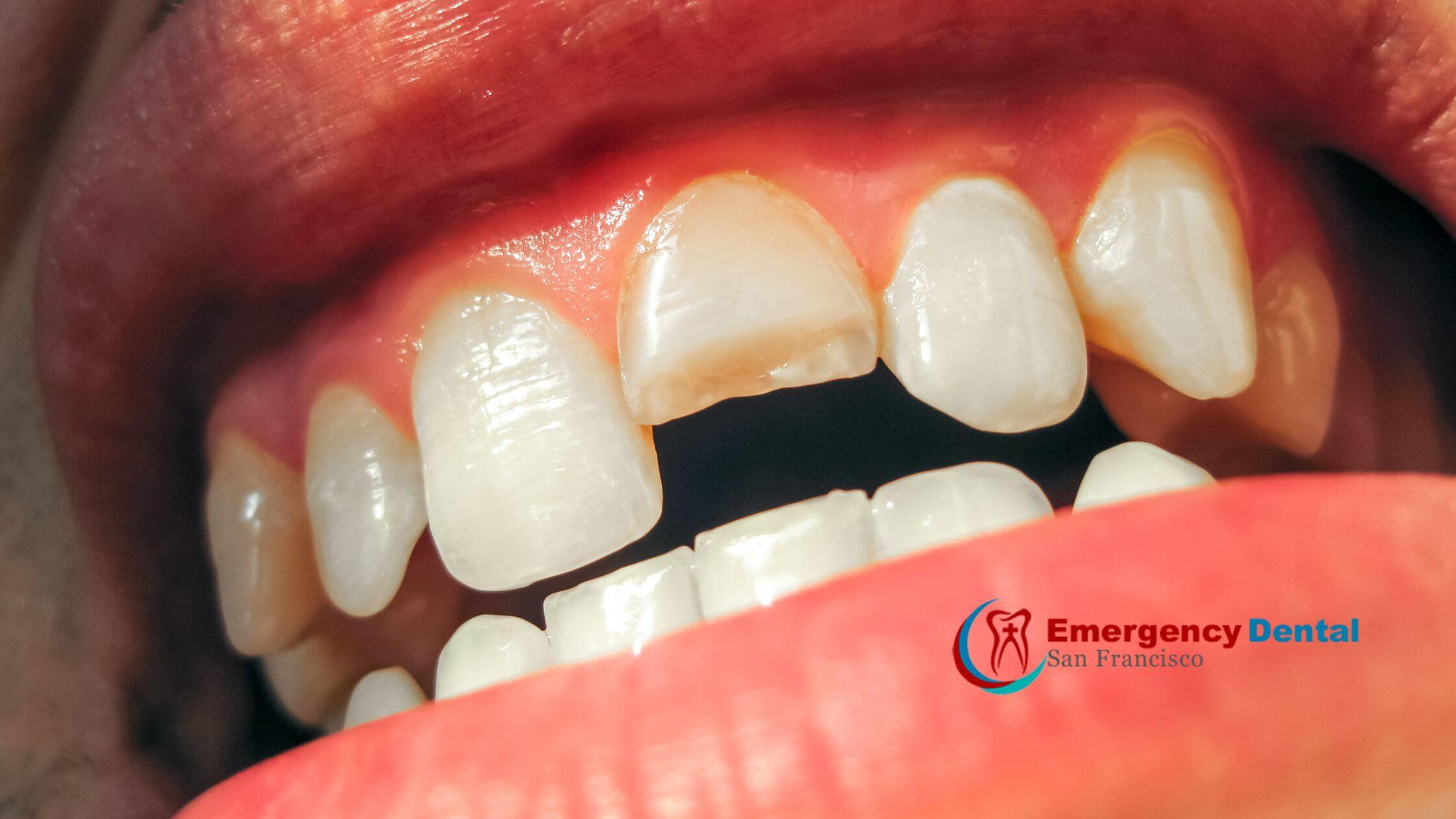
19 Jan Broken Tooth Dental Emergency: What to Do Based on the Location and Severity of the Damage
A broken tooth can happen in an instant—biting down on ice, a sports injury, or an unexpected fall. When dental trauma strikes, knowing what to do in a dental emergency can save your tooth and prevent serious complications. Quick action within the first hour often determines whether your natural tooth can be preserved.
This guide covers immediate steps for broken tooth emergencies, when to seek urgent care, and how to manage pain safely at home. You’ll learn what actions help and which mistakes to avoid during this critical time.
Key Takeaways
- Rinse your mouth with warm water and save any tooth fragments immediately after breakage.
- Apply a cold compress to reduce swelling and take over-the-counter pain medication as directed.
- Contact a 24-hour dentist within one hour for the best chance of saving your tooth.
- Avoid chewing on the affected side and avoid extremely hot or cold foods.
- Seek immediate care if you experience severe bleeding, facial swelling, or signs of infection.
Understanding the immediate response to dental trauma can make the difference between saving and losing a tooth.
Common Causes of Broken Teeth and Emergency Recognition
Dental fractures occur more frequently than most people realize, affecting millions annually across the United States. Sports injuries account for nearly 40% of broken teeth, while everyday activities like eating hard foods account for another 25%. Car accidents, falls, and even teeth grinding during sleep can cause sudden tooth breakage that requires immediate attention from a 24-hour dentistry provider.
Recognizing a true dental emergency helps you respond appropriately. Severe pain, visible tooth fragments, or bleeding gums signal urgent situations that need professional care.
1. Sports and Recreation Injuries
Contact sports like football, hockey, and basketball frequently result in facial trauma that breaks teeth. Even non-contact activities such as cycling or skateboarding can lead to falls that damage your smile.
2. Eating Hard or Sticky Foods
Ice cubes, popcorn kernels, and hard candies can crack teeth unexpectedly. Sticky foods like caramel sometimes pull out existing fillings, leaving teeth vulnerable to further damage.
3. Accidents and Falls
Slipping on wet surfaces or tripping over objects often results in facial impact. Car accidents, even minor ones, can cause passengers to bite down hard enough to fracture teeth.
4. Teeth Grinding and Clenching
Chronic bruxism weakens tooth enamel over time, increasing the likelihood of fractures. Many people grind their teeth during sleep without realizing the damage they’re causing.
5. Age-Related Tooth Weakness
Older teeth become more brittle due to years of wear and previous dental work. Large fillings can compromise tooth structure, increasing the likelihood of fractures.
6. Previous Dental Work Complications
Crowns, bridges, and large fillings can fail suddenly, especially if they’re several years old. Root canal-treated teeth are particularly susceptible to fractures without proper crown protection.
Emergency Dental San Francisco sees these scenarios daily, providing immediate relief for patients experiencing sudden tooth breakage throughout the Bay Area.
Immediate Steps When Your Tooth Breaks
The first 30 minutes after tooth breakage are critical for preserving your natural tooth and preventing complications. Your immediate response can significantly impact treatment options and long-term outcomes. Acting quickly while staying calm helps ensure the best possible result when you reach emergency dental care.
These steps provide a clear action plan for the crucial moments following dental trauma.
| Action | Timeframe | Purpose |
|---|---|---|
| Rinse mouth | Immediately | Clear debris and blood |
| Collect fragments | Within 5 minutes | Preserve tooth pieces |
| Apply cold compress | Within 10 minutes | Reduce swelling |
| Contact dentist | Within 30 minutes | Apply a cold compress |
1. Stay Calm and Assess the Damage
Take a deep breath and examine your mouth carefully in good lighting. Look for missing tooth pieces, check if the tooth is loose, and note any bleeding or swelling around the affected area.
2. Rinse Your Mouth Gently
Use warm water to rinse away blood and debris, but avoid vigorous swishing that might dislodge tooth fragments. Gentle rinsing helps you see the extent of damage more clearly.
3. Collect Any Broken Tooth Pieces
Gather all visible tooth fragments and place them in a clean container with milk or saliva. These pieces might be reattachable if you reach professional care quickly enough.
4. Control Bleeding with Gauze
Apply clean gauze or a damp tea bag to bleeding areas with gentle pressure. Most bleeding from broken teeth stops within 10-15 minutes with proper pressure.
5. Apply a cold compress for Swelling
Place ice wrapped in a thin cloth against your cheek for 10 minutes at a time. This reduces swelling and provides some pain relief while you arrange emergency care.
6. Take Pain Medication as Directed
Over-the-counter ibuprofen or acetaminophen can help manage pain until you receive professional treatment. Follow package directions and avoid exceeding recommended doses.
7. Contact Emergency Dental Care Immediately
Call a 24-hour dentist right away, even if the pain seems manageable. Many dental emergencies worsen rapidly without prompt professional intervention.
When you call Emergency Dental San Francisco at 415-230-2783, our team provides immediate guidance tailored to your specific situation and arranges same-day treatment.
What to Avoid After Breaking a Tooth
Certain actions can worsen tooth damage or complicate treatment, even when done with good intentions. Understanding what not to do prevents additional harm while you wait for professional care. Many people unknowingly make their dental emergency worse by following outdated advice or acting on impulse.
Avoiding these common mistakes protects your tooth and improves treatment outcomes.
- Never place aspirin directly on the broken tooth or surrounding gums, as this can cause chemical burns
- Avoid chewing on the affected side or eating hard, sticky, or extremely hot or cold foods
- Don’t ignore the problem hoping it will resolve on its own, as delays often lead to infection
- Resist the urge to probe the broken area with your tongue or fingers repeatedly
- Avoid using super glue or other household adhesives to reattach tooth pieces
- Don’t delay professional care because pain seems manageable, as nerve damage can occur without warning
These mistakes can transform a manageable dental emergency into a complex situation requiring extensive treatment.
Pain Management and Infection Prevention
Managing pain effectively while preventing infection requires a balanced approach that provides relief without masking important symptoms. Broken teeth create openings where bacteria can enter, potentially leading to serious infections if left untreated. Proper pain management keeps you comfortable while maintaining awareness of changes that might signal complications.
Smart pain control strategies help you function while awaiting professional treatment.
1. Safe Over-the-Counter Pain Relief
Ibuprofen works particularly well for dental pain because it reduces both pain and inflammation. Take 400-600mg every 6-8 hours with food, but don’t exceed 2400mg in 24 hours.
2. Saltwater Rinses for Cleanliness
Mix half a teaspoon of salt in warm water and gently rinse 2-3 times daily. This natural antiseptic helps prevent bacterial growth around the broken tooth area.
3. Cold Therapy for Swelling Control
Apply ice packs for 10 minutes on, 10 minutes off during the first 24 hours. This pattern reduces swelling effectively without causing tissue damage from prolonged cold exposure.
4. Soft Diet to Prevent Further Damage
Stick to room temperature liquids, yogurt, and soft foods that require minimal chewing. Avoid anything that requires biting or puts pressure on the damaged tooth.
5. Temporary Dental Wax Protection
Pharmacy-bought dental wax can cover sharp edges that cut your tongue or cheek. This provides comfort until professional repair can smooth rough surfaces.
6. Monitor for Infection Warning Signs
Watch for fever, facial swelling, pus discharge, or worsening pain that might indicate bacterial infection. These symptoms require immediate professional attention regardless of the hour.
Our clinic provides comprehensive pain management as part of emergency treatment, ensuring you’re comfortable throughout your recovery process.
When to Seek Immediate Emergency Dental Care
Certain broken tooth situations require immediate professional attention, while others can wait until regular business hours with proper home care. Understanding the difference helps you make informed decisions about when to find a dentist urgently. Some dental emergencies can become life-threatening if ignored, particularly those involving infection or severe trauma.
These warning signs indicate you need emergency care right away, regardless of time or day.
- Severe, uncontrolled pain that doesn’t respond to over-the-counter medications
- Heavy bleeding that continues for more than 30 minutes despite applied pressure
- Facial swelling, especially if it affects your ability to swallow or breathe
- Signs of infection including fever, pus, or red streaking from the tooth area
- Trauma affecting multiple teeth or involving possible jaw fracture
- Complete tooth loss where the entire tooth has been knocked out
- Sharp tooth fragments that continuously cut your tongue or cheek
Emergency Dental San Francisco operates 24 hours a day, specifically for urgent situations, providing immediate relief when you need it most throughout San Francisco and the Bay Area.
Prevention Strategies for Future Dental Emergencies
Preventing broken teeth proves far easier and less expensive than treating them after damage occurs. Simple lifestyle modifications and protective measures can dramatically reduce your risk of dental trauma. Many dental emergencies are entirely preventable with proper precautions and awareness of risk factors.
Smart prevention strategies protect your smile for years to come.
- Wear properly fitted mouthguards during sports activities, even recreational ones
- Avoid chewing on hard objects like ice, pens, or fingernails that can crack teeth
- Address teeth grinding with a custom night guard to prevent stress fractures
- Maintain regular dental checkups to identify and treat weak areas before they break
- Use proper technique when opening packages instead of using teeth as tools
- Consider protective crowns for teeth with large fillings that might be vulnerable
- Be cautious with hard foods like nuts, hard candies, and popcorn kernels
Regular preventive care helps identify potential problems before they become emergencies, saving you time, money, and discomfort.
Conclusion
Quick action during a broken tooth emergency can mean the difference between saving and losing your natural tooth. Remember to stay calm, collect tooth fragments, control bleeding, and contact emergency dental care immediately for the best possible outcome.
Emergency Dental San Francisco provides immediate broken tooth care with same-day appointments and after-hours availability. Our licensed professionals prioritize pain relief first, then create clear treatment plans. Learn more about fast, compassionate emergency dental solutions.
FAQs
What Is Considered a Dental Emergency?
A dental emergency is any problem causing severe pain, swelling, bleeding, infection (abscess), trauma (broken/knocked-out tooth), or anything that could worsen quickly or affect breathing/swallowing. If you’re unsure, call Emergency Dental San Francisco at 415-230-2783 for guidance and same-day care.
What Should I Do If I Have a Toothache?
Rinse with warm salt water, floss gently to remove trapped debris, and use a cold compress for swelling. Avoid placing aspirin on the gums. If pain is strong, lingering, or paired with swelling or fever, book a same-day visit so we can find the cause and relieve it safely.
What Should I Do If I Knock Out a Tooth?
Pick it up by the crown (not the root), rinse briefly if dirty, and try to place it back in the socket. If you can’t, store it in milk or saliva and get to urgent dental care immediately—ideally within 30–60 minutes. Call 415-230-2783 so we can prepare for fast treatment.
How Can I Stop Dental Pain Fast At Home?
Use a cold compress in 10–15 minute intervals, take OTC pain medicine as directed (if safe for you), rinse with warm salt water, and keep the area clean. Home steps are temporary—if pain persists, wakes you up, or comes with swelling, you likely need same-day evaluation and treatment.
When Should I Go To The ER For A Dental Problem?
Go to the ER (or call 911) for trouble breathing or swallowing, rapidly spreading facial/neck swelling, uncontrolled bleeding, high fever with severe swelling, or significant trauma. For most urgent dental issues like severe toothache, abscess, or a broken tooth, Emergency Dental San Francisco can treat the cause quickly—call 415-230-2783.

Emergency Dental San Francisco is a dental office focused on providing same-day dental appointments to patients in San Francisco and the surrounding area. We provide urgent dental care services during weekends, evenings and holidays.
We accept several forms of payment and have financing options available to those who qualify. We accept most dental insurance.