
25 Nov What Is Considered a Dental Emergency? How to Tell Urgent Symptoms From Problems That Can Wait
A dental emergency is any oral health issue requiring immediate attention to alleviate severe pain, stop bleeding, or save a tooth. The American Dental Association defines dental emergencies as potentially life-threatening diagnoses requiring immediate treatment to address infection, trauma, or uncontrolled bleeding. Knowing when your tooth problem can’t wait may save your tooth, prevent severe illness, or protect your overall health.
This guide helps you identify true dental emergencies, understand when it’s safe to wait for your regular dentist, and know how to access immediate care when every minute counts. You’ll also discover practical prevention strategies to avoid future dental crises.
Key Takeaways
- severe tooth pain, facial swelling with fever, and knocked-out teeth require immediate emergency dental care.
- Uncontrolled bleeding, jaw trauma, and signs of infection spreading need urgent professional attention.
- Minor chips, mild sensitivity, and small lost fillings can typically be addressed at routine appointments.
- Emergency Dental San Francisco provides 24/7 same-day care across the Bay Area, with walk-ins welcome.
- Simple preventive habits, such as regular checkups and mouthguards, can prevent most dental emergencies.
Signs Your Tooth Problem Can’t Wait for an Emergency Dentist
Picture this: it’s 2 AM on a Saturday, and you’re jolted awake by excruciating tooth pain that makes your entire jaw throb. Or maybe you’re enjoying dinner when you bite down wrong and feel a sharp crack, followed by intense sensitivity and a piece of tooth in your mouth. These scenarios represent true dental emergencies that demand immediate attention from an emergency dentist near me.
Facial swelling accompanied by fever signals a potentially dangerous infection that could spread to other parts of your body. When your face looks noticeably puffy on one side, and you feel feverish, this combination indicates an abscess that needs urgent drainage and antibiotic treatment.
Ignoring these warning signs can lead to tooth loss, widespread infection, or even life-threatening complications. Emergencies don’t follow business hours, which is why recognizing these urgent symptoms helps you act quickly and seek appropriate care.
Situations That Truly Count as a Dental Emergency
Understanding what constitutes a genuine dental emergency helps you make informed decisions about seeking immediate care. According to dental professionals, true emergencies involve severe pain, active bleeding, trauma, or signs of severe infection. These conditions require prompt intervention to prevent permanent damage or health complications.
| Emergency Type | Symptoms | Action Required |
|---|---|---|
| severe tooth pain | Throbbing, constant pain that prevents sleep or function | Immediate pain relief and diagnosis |
| knocked-out tooth | Emergency treatment to prevent infection spread of infection | Urgent care within 30 minutes for best outcomes |
| Facial Swelling | Visible swelling with pain, fever, or difficulty swallowing | Emergency treatment to prevent the spread of infection |
| Uncontrolled Bleeding | Continuous bleeding that won’t stop with pressure | Immediate professional intervention |
| Jaw Trauma | Suspected fracture, dislocation, or inability to open/close | Urgent evaluation and stabilization |
1. Severe Persistent Tooth Pain
Intense, throbbing tooth pain that keeps you awake or interferes with daily activities signals nerve damage or infection. This type of pain often worsens with temperature changes or biting pressure.
2. Knocked-Out or Displaced Teeth
A completely dislodged tooth represents a true emergency with time-sensitive treatment options. Quick action within the first 30 minutes significantly improves the chances of successful reimplantation.
3. Uncontrolled Oral Bleeding
Bleeding that continues despite applying direct pressure for 10-15 minutes requires immediate professional attention. This may result from trauma, surgical complications, or underlying medical conditions.
4. Facial Swelling with Fever
Visible facial swelling accompanied by fever, difficulty swallowing, or breathing problems indicates a severe infection. These symptoms suggest an abscess that could spread to vital structures.
5. Broken or Fractured Teeth with Pain
Cracked or broken teeth that cause significant pain or expose the inner pulp need urgent care. Sharp edges can also cut your tongue or cheeks, increasing the risk of additional injury.
6. Lost Crowns or Large Fillings with Sensitivity
When a crown or a substantial filling falls out, leaving you with severe sensitivity or pain, prompt attention is required. The exposed tooth structure becomes vulnerable to further damage and infection.
When It’s Safe to Wait and See Your Regular Dentist
Not every dental problem requires emergency intervention, and understanding when you can safely wait helps avoid unnecessary stress and expense. Many common dental issues can be managed temporarily with proper home care until you can schedule a routine appointment. Distinguishing between urgent and non-urgent situations empowers you to make appropriate decisions about your dental care.
1. Small Chips or Rough Edges
Minor chips that don’t cause pain or have sharp edges can wait for regular dental appointments. Avoid chewing on the affected side and stick to soft foods until your visit.
2. Mild Temperature Sensitivity
Slight sensitivity to hot or cold that doesn’t persist or worsen may indicate early decay or worn enamel. Use desensitizing toothpaste and avoid extreme temperatures until your checkup.
3. Minor lost fillings Without Pain
Small fillings that fall out but don’t cause significant discomfort can typically wait a few days. Keep the area clean and avoid sticky or hard foods that might cause further damage.
4. Dull, Intermittent Toothaches
Occasional, mild tooth discomfort that comes and goes doesn’t usually constitute an emergency. Monitor the pain and schedule a routine appointment if it persists or worsens.
5. Loose Orthodontic Appliances
Slightly loose braces or wires that don’t cause severe pain or injury can often wait for your next orthodontic appointment. Use orthodontic wax to cover any irritating edges.
6. Canker Sores or Minor Oral Irritation
Small mouth sores or tissue irritation typically heal on their own within 7-10 days. Rinse with warm salt water and avoid spicy or acidic foods that might worsen the condition.
Minor dental problems that develop gradually or cause minimal discomfort typically don’t require emergency treatment. These situations often benefit from careful observation and gentle home care measures.
How Emergency Dental San Francisco Helps When Every Minute Matters
When dental pain strikes at midnight or a tooth gets knocked out during weekend sports, you need immediate access to professional care. Emergency Dental San Francisco provides 24/7 urgent dental services across the Bay Area, ensuring you never have to suffer through dental pain alone. Our same-day and walk-in appointments mean you can get relief when you need it most, not when it’s convenient for a traditional dental clinic schedule.
1. True 24/7 Availability Across the Bay Area
Our emergency dentist near me services extend throughout San Francisco, South San Francisco, Alameda, Berkeley, Daly City, Fremont, Oakland, and San Leandro. You can call 415-230-2783 any time of day or night, including holidays and weekends.
2. Same-Day and Walk-In Care Options
No appointment necessary means you can seek immediate relief when pain becomes unbearable. Our streamlined triage process ensures the most urgent cases receive priority attention while minimizing wait times.
3. Specialized Pediatric Emergency Support
Children’s dental emergencies require gentle, age-appropriate care that reduces anxiety and fear. Our team provides compassionate treatment for knocked-out teeth, sports injuries, and severe toothaches in young patients.
4. Pain Relief as the Primary Focus
We believe urgent dental care should provide immediate comfort above all else. Our clinicians prioritize pain management first, then address the underlying problem with clear treatment options.
5. Comprehensive Insurance and Payment Options
We accept most dental insurance plans and offer financing options for qualified patients. For those without insurance, we accept cash and all major credit cards while working to keep emergency care accessible and affordable.
6. Modern Equipment and Safety Protocols
Our practice follows California state dental regulations and adheres to CDC and OSHA infection-control standards. Licensed professionals perform all imaging, diagnostics, and procedures using modern equipment in a clean, clinical environment.
We understand that dental emergencies don’t follow business hours, which is why our emergency dentist team remains available around the clock. From severe toothaches and abscesses to cracked or knocked-out teeth, our clinicians prioritize comfort, safety, and transparent communication at every visit.
Simple Habits to Avoid Future Dental Emergencies
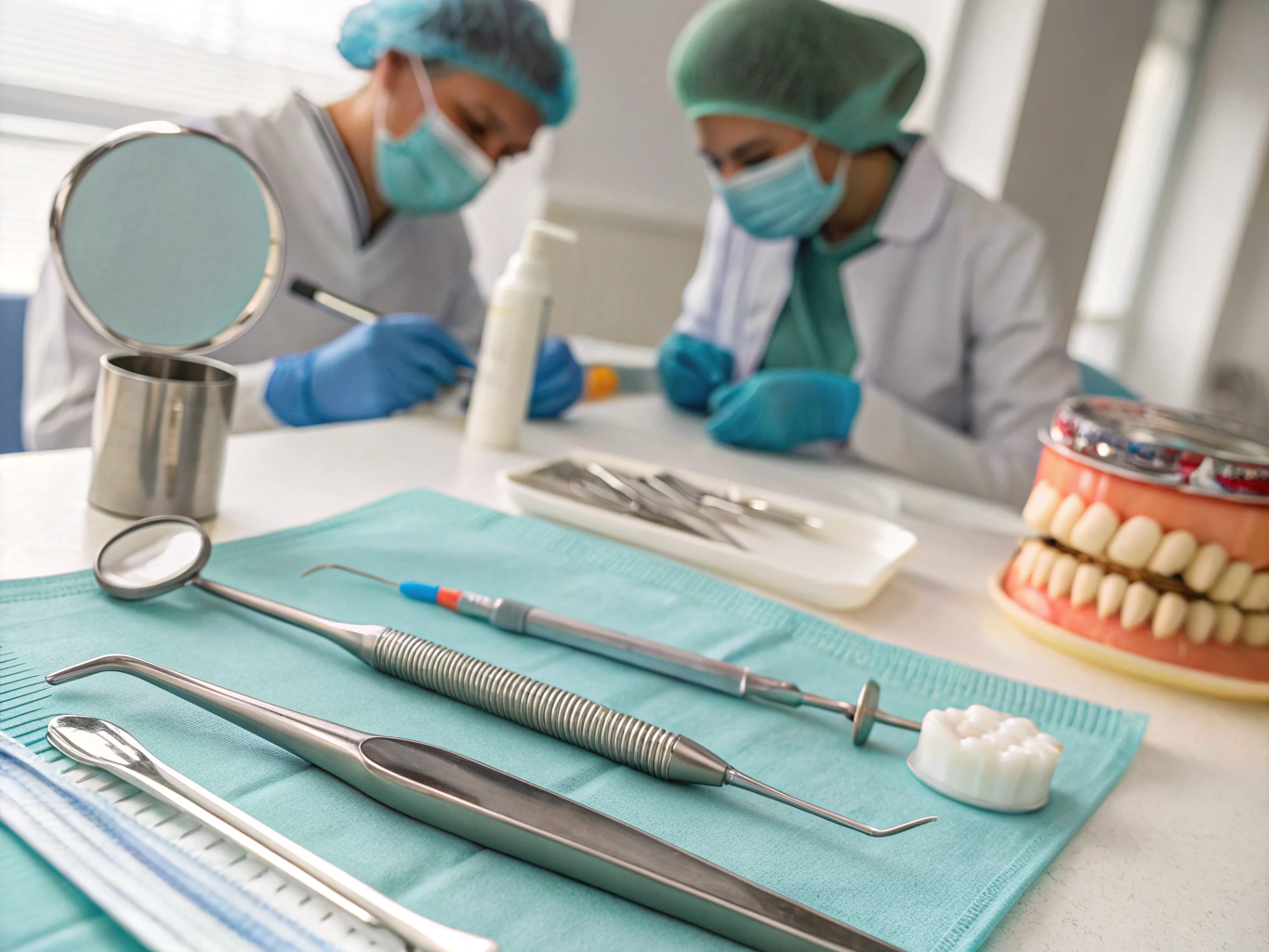
Prevention remains the most effective strategy for avoiding dental emergencies and the stress they bring. Simple daily habits and regular professional care can prevent most urgent dental situations from developing in the first place. Building these practices into your routine protects your oral health and saves you from unexpected pain and expense.
Most dental emergencies result from preventable causes, such as untreated decay, poor oral hygiene, or failure to address minor problems before they become significant issues.
1. Maintain Consistent Oral Hygiene Routines
Brush twice daily with fluoride toothpaste and floss regularly to prevent decay and gum disease. These fundamental habits remove bacteria that cause infections and weaken tooth structure.
2. Schedule Regular Dental Checkups and Cleanings
Professional cleanings every six months help detect and treat problems before they become emergencies. Your dentist can identify weak fillings, developing decay, or gum issues that need attention.
3. Use Mouthguards During Sports and Sleep
Custom-fitted mouthguards protect teeth from trauma during contact sports and prevent damage from nighttime teeth grinding. This simple protection prevents many common dental injuries.
4. Limit Sugary and Acidic Foods and Beverages
Frequent exposure to sugar and acid weakens tooth enamel and promotes decay. Choose water over sugary drinks and limit snacking between meals to reduce bacterial growth.
5. Replace Old Dental Restorations Before They Fail
Aging fillings, crowns, and other restorations can crack or fall out unexpectedly. Regular dental visits help identify restorations that need replacement before they cause emergencies.
6. Address Minor Problems Promptly
Small cavities, loose crowns, or mild sensitivity can often be treated easily during routine appointments. Ignoring these warning signs allows problems to progress into painful emergencies.
Taking Control of Your Dental Health
Recognizing true dental emergencies empowers you to seek appropriate care when it matters most. Quick action during genuine emergencies can save teeth and prevent serious health complications. Remember that professional guidance remains available 24/7 when you need it most.
Emergency Dental San Francisco provides same-day emergency care for severe toothaches, abscesses, and dental trauma. Our experienced clinicians prioritize fast pain relief and clear treatment plans. Learn more about immediate dental emergency solutions.
FAQs
What Are Examples Of Dental Emergencies?
Common examples of dental emergencies include severe toothaches, knocked-out teeth, cracked or broken teeth, abscesses, and uncontrolled bleeding from the mouth. If you’re experiencing any of these issues, our team at Emergency Dental San Francisco is ready to provide immediate care and relief.
How Do I Know If I Have A Dental Emergency?
If you’re experiencing severe pain, noticeable swelling, bleeding, or a knocked-out tooth, you likely have a dental emergency. It’s essential to seek prompt attention to alleviate pain and prevent further complications. Our clinicians are available to assess your situation and guide you to the right care.
What Should I Do In A Dental Emergency?
In a dental emergency, remain calm and contact Emergency Dental San Francisco immediately at 415-230-2783 or book online for same-day assistance. If possible, manage bleeding with a clean cloth, and avoid putting pressure on any injured teeth. Our team will provide you with clear instructions on how to proceed.
Is A Toothache Considered A Dental Emergency?
A toothache can be considered a dental emergency, especially if the pain is severe or persistent. It may indicate an underlying issue such as an infection or decay that requires prompt attention. At Emergency Dental San Francisco, we prioritize your comfort and aim to relieve your pain quickly.
When Should I Go To The Emergency Room For Dental Issues?
You should go to the emergency room if you experience severe trauma to the mouth, significant bleeding that won’t stop, or symptoms of a serious infection such as fever or swelling in the face. For dental emergencies, however, contacting Emergency Dental San Francisco is often the best option for specialized care.

Emergency Dental San Francisco is a dental office focused on providing same-day dental appointments to patients in San Francisco and the surrounding area. We provide urgent dental care services during weekends, evenings and holidays.
We accept several forms of payment and have financing options available to those who qualify. We accept most dental insurance.