

06 Feb Is a Dental Implant Falling Out an Emergency?
Yes, a dental implant falling out is absolutely considered a dental emergency that requires immediate professional attention. When a dental implant becomes loose or falls out completely, the exposed area becomes vulnerable to infection, bone loss, and other serious complications that can affect your oral health and overall well-being. Quick action within the first 24-48 hours is crucial for the best possible outcome and may determine whether the implant can be saved or needs replacement.
This article will guide you through the urgent steps to take when facing a dental implant emergency, explain the risks of delayed treatment, and help you understand your immediate care options. You’ll learn how to protect the affected area, when to seek emergency dental care, and what to expect during your urgent visit to restore your oral health safely.
Key Takeaways
- A dental implant falling out requires emergency dental care within 24-48 hours to prevent infection and bone loss.
- Immediate symptoms include pain, swelling, bleeding, and visible exposure of the implant site.
- Emergency Dental San Francisco provides same-day implant emergency care 24/7 across the Bay Area.
- Proper immediate care includes keeping the area clean and avoiding pressure on the affected site.
- Delayed treatment can lead to serious complications, including infection, bone deterioration, and implant failure.
- Professional evaluation determines whether the implant can be salvaged or requires replacement.
Understanding When a Dental Implant Falling Out Becomes an Emergency
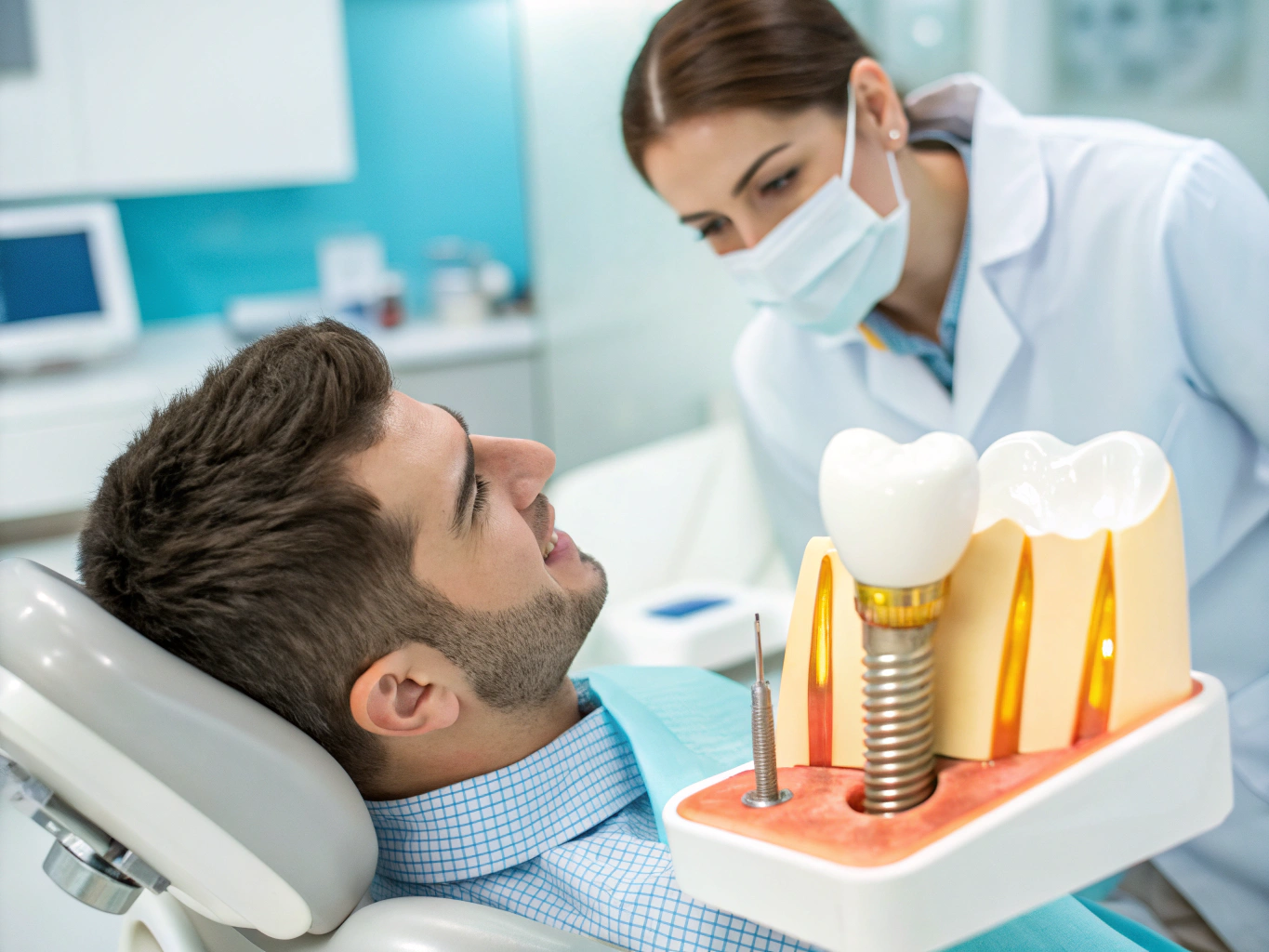
A loose or fallen dental implant creates an immediate risk to your oral health that goes beyond simple discomfort. The titanium post that anchors your implant to the jawbone creates a direct pathway to your bone tissue when exposed. This exposure allows bacteria to enter areas that are normally protected, potentially leading to serious infections that can spread rapidly.
The urgency increases significantly if you experience pain, swelling, or bleeding around the implant site. These symptoms often indicate that infection has already begun or that tissue damage is occurring.
What happens when a dental implant fails depends largely on how quickly you receive professional care. Early intervention can sometimes save the implant through repositioning and stabilization procedures. Waiting too long often means the implant must be removed and the area treated for infection before replacement options can be considered.
Immediate Signs That Require Emergency Dental Care

Recognizing the warning signs of implant failure helps you respond quickly when every hour matters. Some symptoms develop gradually over days or weeks, while others appear suddenly and demand immediate attention. Understanding these differences can help you decide whether to seek urgent care.
1. Visible Movement or Complete Displacement
If you can move your implant with your tongue or if it has fallen out completely, this represents a clear emergency requiring immediate professional evaluation.
2. Severe Pain or Throbbing
Intense pain around the implant site often signals infection or nerve involvement that needs urgent treatment to prevent complications.
3. Significant Swelling or Fever
Facial swelling, combined with fever, indicates a spreading infection that requires immediate antibiotic treatment and possibly drainage.
4. Uncontrolled Bleeding
Persistent bleeding from the implant site that doesn’t stop with gentle pressure needs professional intervention to prevent blood loss and identify the source.
5. Metallic Taste or Pus Discharge
These symptoms typically indicate active infection that can spread to surrounding tissues without prompt treatment.
Emergency Dental San Francisco provides immediate evaluation and treatment for all these symptoms with same-day appointments available 24/7. Our team prioritizes pain relief and infection control to stabilize your condition quickly.
What Happens When a Dental Implant Fails and Immediate Risks
Implant failure creates a cascade of potential problems that worsen with time. The bone that once supported your implant begins to deteriorate within hours of losing contact with the titanium post. This process, called bone resorption, can make future implant placement more difficult and expensive.
Infection represents the most serious immediate risk when an implant falls out. Bacteria can quickly colonize the empty socket and surrounding tissues, leading to abscesses that may require surgical drainage. In severe cases, untreated infections can spread to other areas of the face and neck.
The surrounding teeth may also shift position when an implant fails, potentially affecting your bite and creating additional dental problems. This movement can happen surprisingly quickly, especially in areas where chewing forces are concentrated.
Essential Steps to Take Before Reaching Emergency Care
Taking the right immediate actions can protect your oral health and improve your treatment options when you reach professional care. These steps focus on preventing infection, managing pain, and preserving the affected area until you can receive proper treatment. Simple measures taken in the first few hours can make a significant difference in your recovery.
1. Control Any Bleeding
Apply gentle pressure with clean gauze or a damp tea bag to the affected area for 10-15 minutes to stop bleeding naturally.
2. Rinse Gently with Salt Water
Mix half a teaspoon of salt in warm water, then gently rinse the area to clean it without disrupting any clotting that has formed.
3. Avoid the Affected Area
Don’t chew on the side with the failed implant and avoid touching the area with your tongue or fingers to prevent further irritation.
4. Save Any Implant Components
If the crown or any part of the implant has fallen out, save these pieces in a clean container to bring to your emergency appointment.
5. Take Over-the-Counter Pain Relief
Ibuprofen can help reduce both pain and inflammation, but avoid aspirin, which may increase bleeding.
6. Apply Cold Compress
Use an ice pack wrapped in a thin cloth for 15-20 minutes at a time to reduce swelling and numb pain.
Professional Emergency Treatment Options for Failed Implants
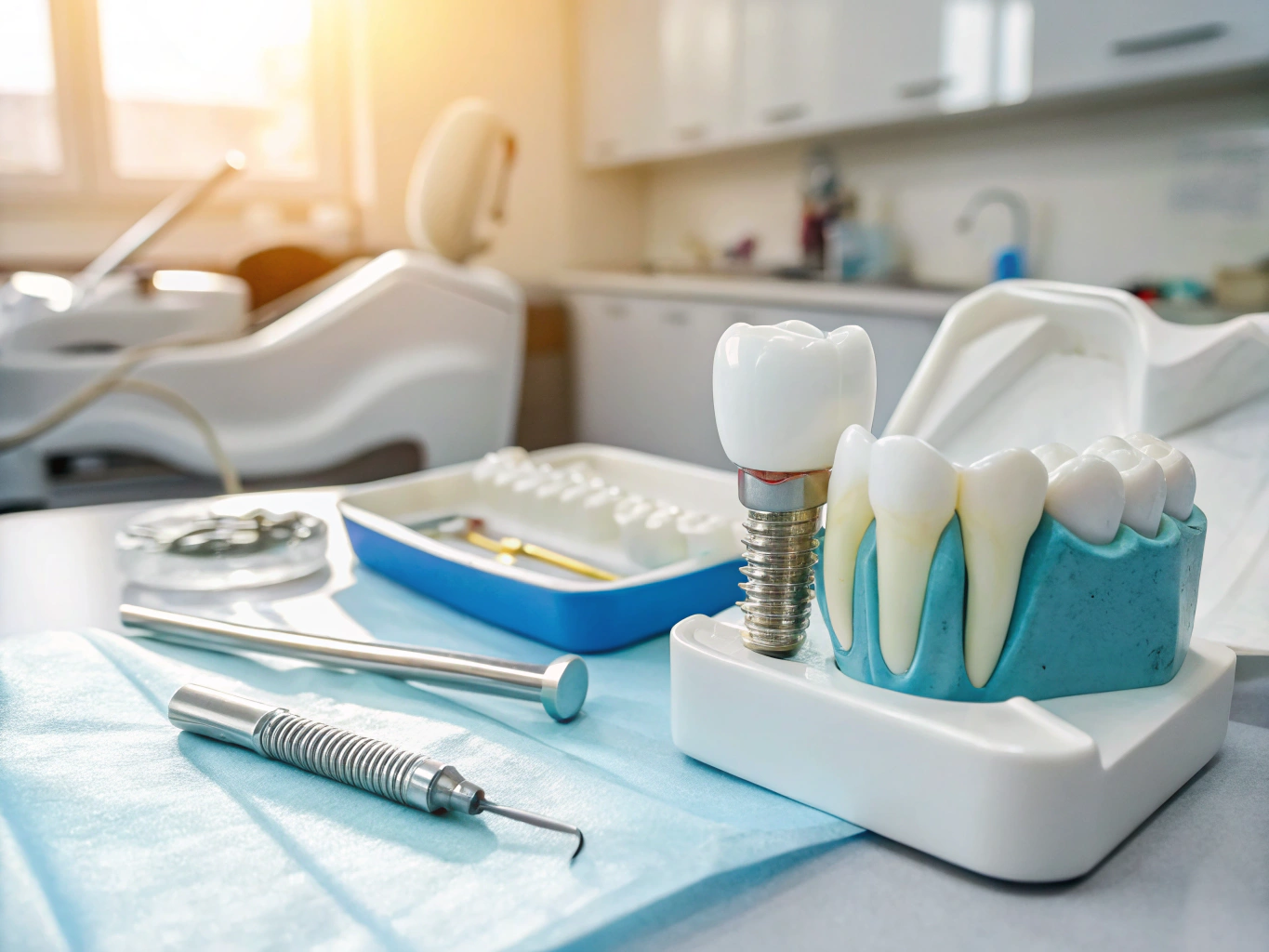
Professional treatment for a failed implant depends on the specific cause of failure and the extent of damage to the surrounding tissues. Your emergency dentist will first focus on controlling any infection and managing your pain before determining the best long-term solution. Advanced imaging may be needed to assess the condition of your bones and plan your treatment.
| Treatment Option | Best For | Timeline |
|---|---|---|
| Implant Repositioning | Recent loosening without infection | Same day |
| Infection Treatment | Signs of bacterial infection | 1-2 weeks |
| Implant Removal | Severe failure or bone loss | Immediate |
| Bone Grafting | Insufficient bone for replacement | 3-6 months |
Some implants can be repositioned and stabilized if caught early enough, while others require complete removal and healing time before replacement. The decision depends on factors such as bone quality, the presence of infection, and the reason for the original failure.
Why Can You Remove a Dental Implant and When Is Replacement Possible
Can you remove a dental implant safely? Yes, implant removal is a standard procedure when the implant cannot be saved or is causing ongoing problems. The removal process involves carefully extracting the titanium post while preserving as much surrounding bone and tissue as possible for future treatment options.
Replacement timing depends on several factors, including the presence of infection, bone quality, and your overall health. Some patients can receive immediate replacement implants during the same visit, while others need months of healing before a new implant can be placed successfully.
Emergency Dental San Francisco provides comprehensive implant emergency services, including removal, infection treatment, and replacement planning. Our team uses advanced techniques to minimize discomfort and preserve your options for future restoration.
Post-Emergency Care and Recovery Guidelines
Recovery from implant emergency treatment requires careful attention to oral hygiene and follow-up care to prevent complications. Your emergency dentist will provide specific instructions based on your treatment, but general principles focus on keeping the area clean and allowing proper healing. Most patients can return to normal activities within a few days with proper care.
Can I use mouthwash after dental implant surgery or emergency treatment? Your dentist will recommend specific rinses that promote healing without irritating the treated area, typically starting 24 hours after your procedure.
1. Follow Medication Instructions
Take prescribed antibiotics exactly as directed and complete the full course even if symptoms improve quickly.
2. Maintain Gentle Oral Hygiene
Brush carefully around the treated area and use recommended rinses to prevent infection while healing progresses.
3. Attend All Follow-up Appointments
Regular monitoring ensures proper healing and allows early detection of complications.
4. Watch for Warning Signs
Contact your dentist immediately if you experience increasing pain, swelling, fever, or unusual discharge from the treated area.
5. Avoid Certain Foods and Activities
Stick to soft foods and avoid smoking or strenuous activity that could interfere with healing for the first few days.
Preventing Future Dental Implant Emergencies
Understanding why dental implants fail helps you take steps to protect your investment and avoid future emergencies. Most implant failures result from infection, excessive force, or inadequate bone support that develops over time. Regular professional monitoring can often detect problems before they become emergencies.
Do dental implants fall out frequently? While implant failure rates are relatively low at around 5-10%, certain risk factors like smoking, diabetes, or poor oral hygiene significantly increase your chances of experiencing problems.
Proper home care, regular dental visits, and avoiding habits like teeth grinding can help ensure your implants last for decades. Your dentist can also recommend protective devices, such as night guards, if you’re at higher risk of implant stress.
When to Choose Emergency Dental San Francisco for Implant Emergencies
Emergency Dental San Francisco specializes in urgent implant care and is available 24/7 across the Bay Area, including San Francisco, Oakland, Berkeley, and surrounding communities. Our team understands that implant emergencies create both physical discomfort and anxiety about expensive treatment, so we focus on immediate pain relief and clear treatment options with transparent pricing.
We accept most dental insurance plans and offer financing options to make emergency implant care accessible when you need it most. Our clinic follows strict sterilization protocols and uses modern diagnostic equipment to provide safe, effective treatment even during urgent situations.
For immediate help with a dental implant emergency, call 415-230-2783 or book online for same-day care. Our experienced team will guide you through the process calmly and help restore your oral health with confidence.
Conclusion
A dental implant falling out requires immediate emergency care to prevent serious complications. Quick professional treatment within 24-48 hours offers the best chance for successful resolution. Emergency Dental San Francisco provides expert urgent implant care when you need it most.
Emergency Dental San Francisco provides urgent care for dental emergencies including loose or failing implants. Our experienced clinicians offer same-day appointments and after-hours care throughout the Bay Area. Get started with immediate professional relief today.
FAQs
Is a Loose Dental Implant an Emergency?
Yes—treat a loose implant as urgent, especially if you have pain, swelling, bleeding, bad taste, or fever. The sooner a clinician evaluates it, the better the chance of preventing infection and saving the implant or surrounding bone.
What Should I Do If My Dental Implant Is Falling Out?
Call an emergency dentist right away and avoid chewing on that side. Don’t try to push it back in or tighten anything; if a part comes out, keep it clean, store it safely, and bring it to your visit so we can assess and treat you safely.
Can a Dental Implant Be Saved If It’s Loose or Coming Out?
Sometimes, yes—especially if you’re seen quickly. Saving it depends on why it’s loose (such as gum infection, bite issues, or bone loss), so prompt evaluation and imaging are key to choosing the safest next step.
Why Would a Dental Implant Fall Out?
Common causes include infection around the implant (peri-implantitis), insufficient bone support, failed integration with bone, excessive biting forces or grinding, trauma, or loosening/fracture of implant components.
How Quickly Do I Need to See a Dentist If My Implant Is Loose?
Same day is best—within 24 hours if possible. Quick care can reduce pain, limit infection, and improve the odds of stabilizing the area and protecting your long-term outcome.

Emergency Dental San Francisco is a dental office focused on providing same-day dental appointments to patients in San Francisco and the surrounding area. We provide urgent dental care services during weekends, evenings and holidays.
We accept several forms of payment and have financing options available to those who qualify. We accept most dental insurance.