
23 Feb Emergency Dental Treatments Explained: How Dentists Choose Between Temporary Relief and Definitive Care
dental emergencies strike without warning, transforming ordinary days into urgent situations requiring immediate professional intervention. Emergency dental treatments provide fast relief for severe toothaches, knocked-out teeth, abscesses, and fractures that cannot wait for regular office hours. Understanding these critical interventions helps you respond effectively during dental crises.
This article explores essential emergency dental treatments, from pain management to tooth-saving procedures. You’ll learn when to seek immediate care, what treatments are available, and how professional intervention can prevent complications while restoring comfort and oral health.
Key Takeaways
- Emergency dental treatments address urgent conditions like severe pain, infections, and trauma that require immediate professional care.
- Common emergency procedures include extractions, root canals, drainage of infections, and repair or replacement of teeth.
- Professional emergency care prevents complications, saves teeth, and provides faster pain relief than home remedies.
- Recognizing true dental emergencies helps you seek appropriate treatment and avoid unnecessary hospital visits.
- Immediate intervention within the first 30 minutes to 2 hours often determines treatment success for traumatic injuries.
Emergency dental treatments encompass a range of urgent procedures designed to address critical oral health situations that cannot wait for scheduled appointments.
Understanding Emergency Dental Treatments and When They’re Needed
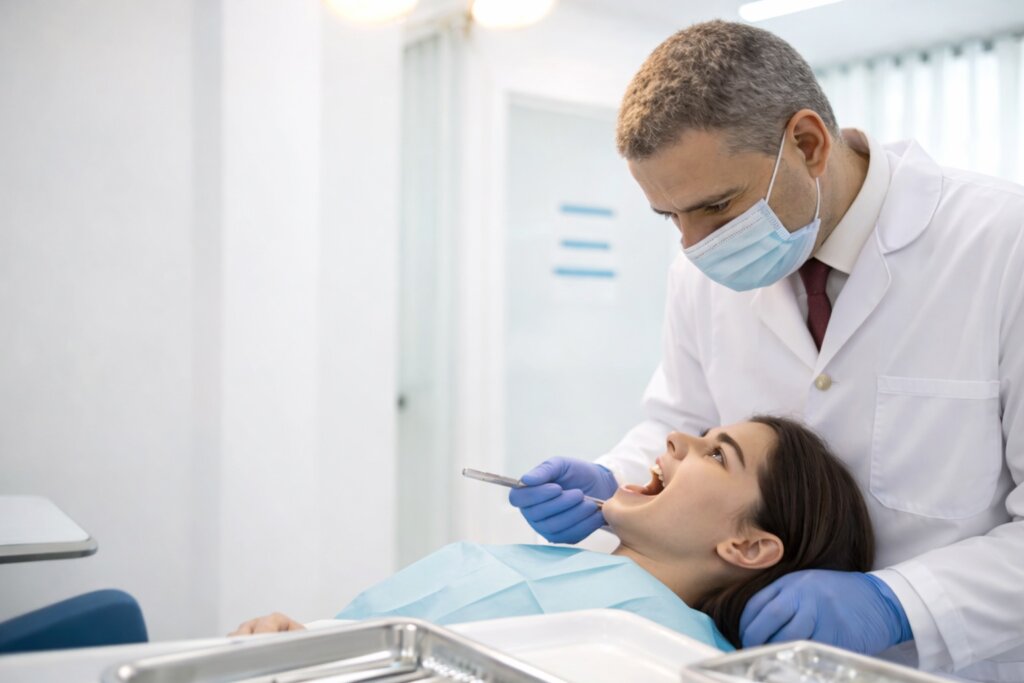
Emergency dental treatments target acute conditions causing severe pain, infection, or trauma to teeth and surrounding tissues. These interventions focus on immediate relief while preventing further damage or complications. Nearly 2 million Americans visit hospital emergency departments for dental pain yearly, with abscesses and dental caries accounting for 80% of dental ER visits.
Professional emergency dental care differs significantly from hospital emergency rooms in both scope and effectiveness. Emergency dentists possess specialized equipment, medications, and expertise to address oral health crises directly at their source.
True dental emergencies require immediate professional intervention and include several distinct categories:
1. Severe Tooth Pain and Abscesses
Intense, throbbing toothaches often signal an infection or nerve damage and require urgent treatment. Abscesses are serious infections that can spread to other areas of the body if left untreated.
2. Traumatic Tooth Injuries
Knocked-out, fractured, or severely loosened teeth from accidents or sports injuries need immediate care. Time-sensitive treatment within 30 minutes often determines whether teeth can be successfully saved.
3. Uncontrolled Bleeding
Persistent bleeding from tooth extraction sites, gum injuries, or oral trauma requires professional intervention to prevent complications. Home remedies rarely provide adequate control for serious bleeding.
4. Facial Swelling with Fever
Swelling accompanied by fever indicates serious infection requiring immediate antibiotic treatment and drainage. These symptoms suggest the infection may be spreading beyond the original site.
5. Lost or Damaged Dental Restorations
Crowns, fillings, or bridges that fall out or break can expose sensitive tooth structures to further damage. Emergency replacement or temporary protection prevents additional complications.
At Emergency Dental San Francisco, we provide immediate assessment and treatment for all these urgent conditions, offering same-day appointments and walk-in availability across the Bay Area.
Common Emergency Dental Treatment Procedures
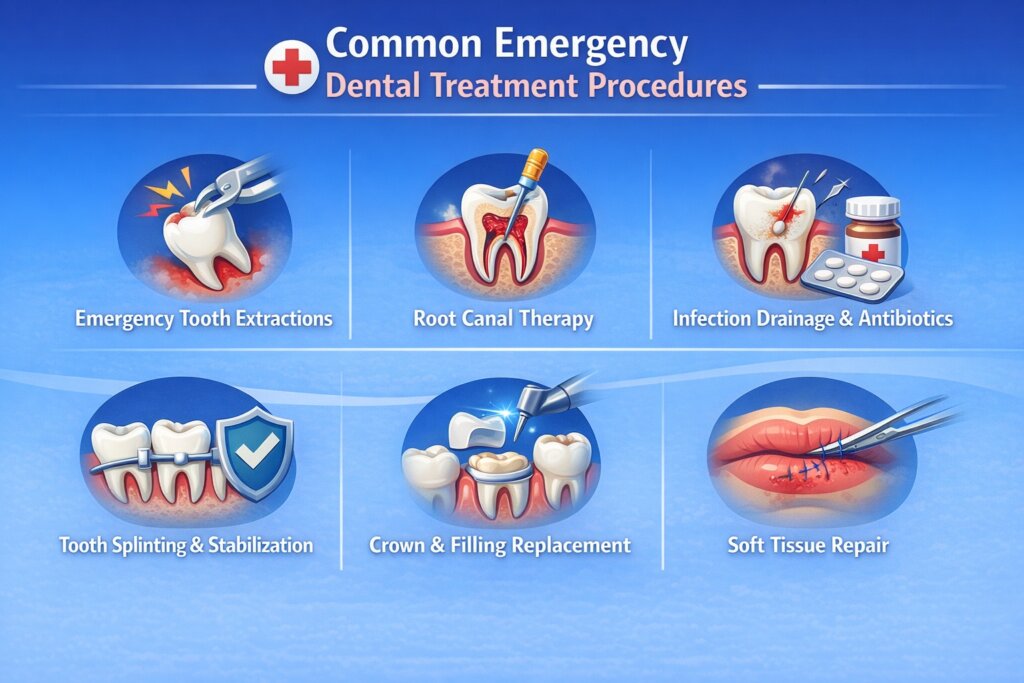
Emergency dental procedures address immediate threats to oral health while providing rapid pain relief. These treatments range from conservative management to surgical interventions, depending on the severity and nature of the emergency. Understanding available procedures helps patients make informed decisions during stressful situations.
Professional emergency treatments offer superior outcomes compared to temporary home remedies or hospital emergency room visits.
1. Emergency Tooth Extractions
Extractions remove severely damaged, infected, or impacted teeth that cannot be saved through other treatments. This procedure provides immediate pain relief and prevents the spread of infection to adjacent teeth or the jawbone.
2. Root Canal Therapy
Emergency root canals treat infected tooth pulp while preserving the natural tooth structure. This procedure removes infected tissue, cleans the root canals, and seals the tooth to prevent reinfection.
3. Infection Drainage and Antibiotic Treatment
Abscess drainage releases trapped pus and reduces pressure, causing severe pain. Combined with targeted antibiotic therapy, this treatment controls infection spread and promotes healing.
4. Tooth Splinting and Stabilization
Loose or partially displaced teeth receive stabilization through splinting to adjacent stable teeth. This technique allows damaged supporting structures to heal while maintaining tooth position.
5. Crown and Filling Replacement
Lost restorations are replaced immediately or temporarily to protect exposed tooth structures. Emergency repairs prevent sensitivity, further decay, and structural damage.
6. Soft Tissue Repair
Cuts, lacerations, or puncture wounds to lips, cheeks, tongue, or gums require professional cleaning and suturing. Proper repair prevents scarring and promotes optimal healing.
Our clinic provides all these emergency treatments using modern equipment and proven techniques, ensuring optimal outcomes for urgent dental situations.
The Critical Importance of Immediate Professional Care
Seeking immediate professional care during dental emergencies prevents complications, saves teeth, and reduces overall treatment costs. Delayed treatment often transforms manageable problems into complex, expensive procedures requiring extensive intervention. Professional emergency care provides superior pain relief compared to over-the-counter medications or home remedies.
Time plays a crucial role in the success of emergency dental treatment, particularly for traumatic injuries and infections.
Professional intervention offers several critical advantages over delayed treatment:
- Infection Control: Antibiotics and drainage procedures halt infection spread before it reaches dangerous levels
- Pain Management: Professional-grade anesthetics and pain medications provide immediate, effective relief
- Tooth Preservation: Timely treatment often saves teeth that would otherwise require extraction
- Complication Prevention: Early intervention prevents secondary problems like bone loss or adjacent tooth damage
- Proper Diagnosis: Professional examination identifies underlying causes missed by patients or general physicians
- Appropriate Treatment: Emergency dentists select optimal treatments based on specific conditions and patient factors
In 2022, 1.6 million dental-related ER visits cost $3.9 billion, up from 2019, with 72 million Americans lacking dental insurance. Hospital emergency rooms cannot provide definitive dental treatment; instead, they often prescribe pain medication and antibiotics while referring patients to dental professionals.
Emergency dental visit costs range from $200–$600 before treatment at a dental clinic or emergency dentist, making professional care more cost-effective than hospital visits followed by dental treatment.
Conclusion
Emergency dental treatments provide essential relief for urgent oral health crises requiring immediate professional intervention. Professional care prevents complications, saves teeth, and delivers superior pain management compared to temporary solutions. Recognizing true emergencies and seeking prompt treatment ensures optimal outcomes and prevents minor problems from becoming major complications.
Emergency Dental San Francisco provides same-day emergency treatments for severe toothaches, abscesses, and dental trauma. Our experienced clinicians prioritize fast pain relief and clear treatment plans. Learn more about immediate dental crisis solutions.
FAQs
What Is Considered a Dental Emergency?
A dental emergency is any mouth or tooth problem that needs prompt care to stop severe pain, bleeding, swelling, or infection—such as a bad toothache, abscess, broken tooth, knocked-out tooth, facial swelling, or uncontrolled bleeding. If you’re unsure, call 415-230-2783 for guidance and same-day options.
What Can the ER Do for a Dental Emergency?
The ER can help with serious swelling, bleeding, trauma, or fever by managing pain, evaluating for complications, and prescribing medications when appropriate, but they typically can’t perform definitive dental treatment like draining an abscess, doing a root canal, or repairing a tooth. An urgent-care dentist can diagnose the cause and provide targeted treatment to relieve pain and address the problem.
How Can I Treat a Dental Emergency at Home Until I See a Dentist?
Rinse gently with warm salt water, use a cold compress for swelling, and take over-the-counter pain relief as directed on the label (if safe for you). Keep the area clean, avoid chewing on that side, and never place aspirin directly on the gums; for a knocked-out tooth, store it in milk or saliva and seek care immediately.
How Much Do Emergency Dental Treatments Cost?
Costs vary based on the exam, X-rays, and what treatment you need (such as a filling, extraction, or infection care). We’ll explain findings in plain language, review options, and provide clear pricing before treatment whenever possible.
Can I Get Emergency Dental Treatment Without Insurance?
Yes. We accept cash and major credit cards, offer financing options for those who qualify, and focus on the most urgent, pain-relieving care first—so you can get safe, professional help even without insurance.

Emergency Dental San Francisco is a dental office focused on providing same-day dental appointments to patients in San Francisco and the surrounding area. We provide urgent dental care services during weekends, evenings and holidays.
We accept several forms of payment and have financing options available to those who qualify. We accept most dental insurance.