
08 Apr When to Visit an Emergency Dentist Immediately: Symptoms That Should Never Be Ignored
Dental emergencies strike without warning and often at the worst possible times. Whether it’s a sudden severe toothache during a weekend family gathering or a knocked-out tooth from a cycling accident in Golden Gate Park, knowing when to seek immediate emergency dental care can mean the difference between saving and losing a tooth. The key is recognizing true dental emergencies and acting quickly to get professional treatment.
This guide outlines the most critical situations that require immediate attention from an emergency dentist. You’ll discover the warning signs that shouldn’t be ignored, what steps to take before reaching the dental clinic, and how Emergency Dental San Francisco provides rapid relief when you need it most.
Key Takeaways
- Severe tooth pain, swelling with fever, and knocked-out teeth require immediate emergency dental care.
- Quick action within the first 30 minutes can often save a knocked-out tooth.
- Dental infections with facial swelling can become life-threatening if left untreated.
- Emergency dentists provide same-day relief for broken teeth, lost crowns, and orthodontic emergencies.
- Professional emergency dental care prevents minor issues from becoming major complications.
1. Severe Tooth Pain That Won’t Stop
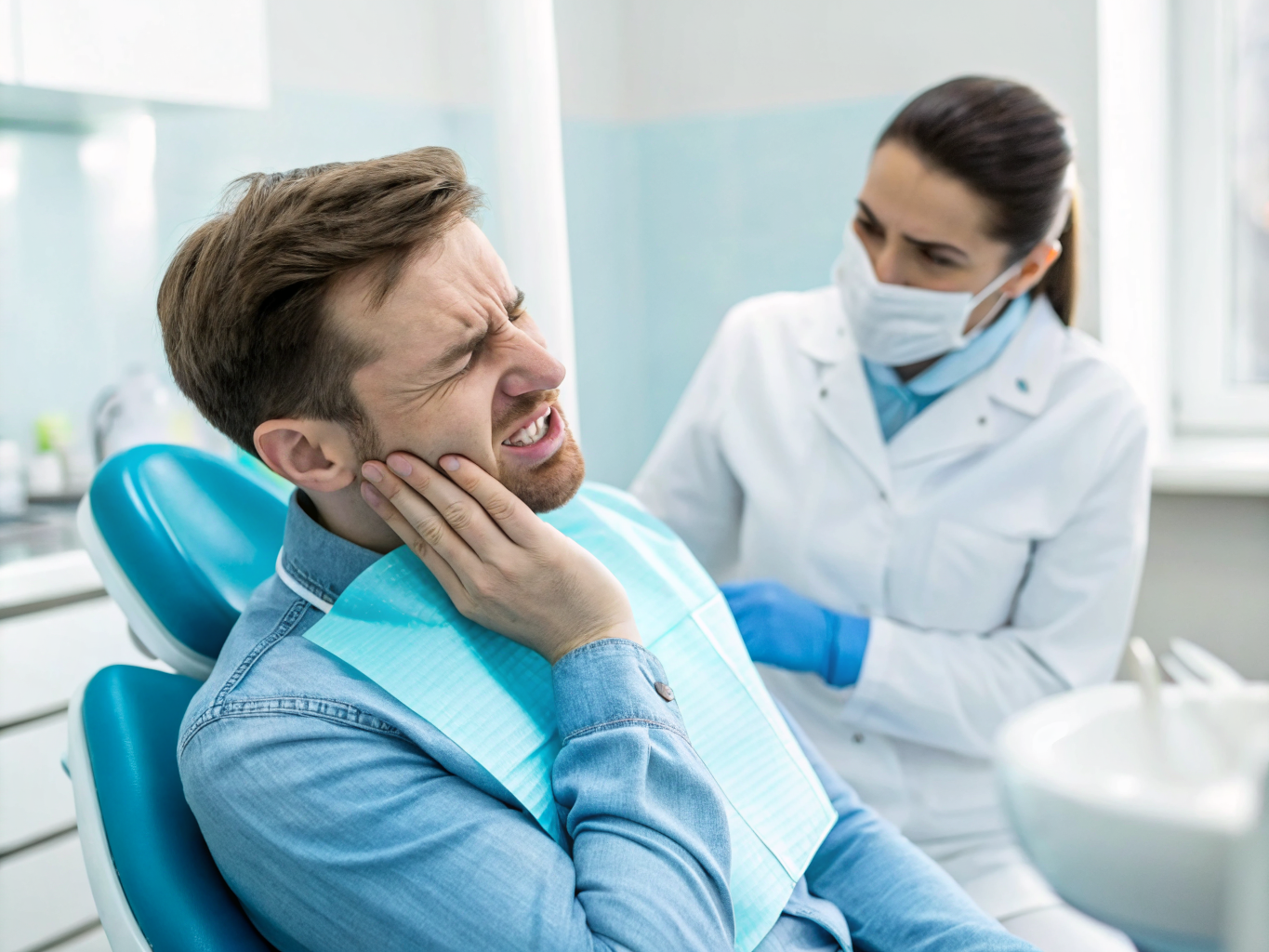
Intense, throbbing tooth pain that keeps you awake at night signals a serious problem requiring immediate attention. This type of pain often indicates nerve damage, infection, or advanced decay that has reached the tooth’s pulp. Over-the-counter pain medications may provide temporary relief, but the underlying issue needs professional treatment to prevent further complications.
The pain may worsen when you bite down, consume hot or cold foods, or lie flat. Some patients describe it as a constant, pulsing sensation that radiates to the jaw, ear, or neck.
Emergency Dental San Francisco provides rapid pain relief through targeted treatments such as emergency root canals, extractions, and infection control. Our team prioritizes comfort and uses effective numbing techniques to quickly relieve pain while addressing the root cause.
2. Signs of Dental Infection and Abscess
Facial swelling accompanied by fever represents one of the most serious dental emergencies requiring immediate care. A dental abscess occurs when bacteria infect the tooth’s pulp or surrounding gum tissue, creating a pocket of pus that can spread to other areas of the face and neck. Left untreated, the infection can enter the bloodstream and become life-threatening.
Watch for these warning signs that indicate a dental emergency dentist visit is needed right away. The combination of symptoms helps determine the severity and urgency of treatment required.
1. Facial Swelling with Fever
Swelling that extends beyond the immediate tooth area into the cheek, jaw, or neck indicates a spreading infection. When accompanied by fever, this becomes a medical emergency requiring immediate antibiotic treatment and drainage.
2. Difficulty Swallowing or Breathing
Any swelling that affects your ability to swallow normally or breathe comfortably requires emergency room attention followed by urgent dental care. This suggests the infection has spread to deeper facial spaces.
3. Persistent Bad Taste or Drainage
A constant foul taste in your mouth or visible pus drainage around a tooth indicates an active infection. The body is attempting to drain the infected material, but professional treatment is needed to eliminate the source.
4. Swollen Lymph Nodes
Tender, enlarged lymph nodes under the jaw or in the neck show that your immune system is fighting a significant infection. This systemic response requires prompt antibiotic therapy and dental intervention.
5. General Feeling of Illness
Fatigue, body aches, or feeling generally unwell alongside dental symptoms suggests the infection is affecting your entire system. Emergency dental care can prevent the condition from worsening.
Our emergency dental clinic follows strict infection control protocols and can provide same-day drainage, antibiotic prescriptions, and definitive treatment to eliminate the infection source.
3. Knocked-Out or Severely Damaged Teeth
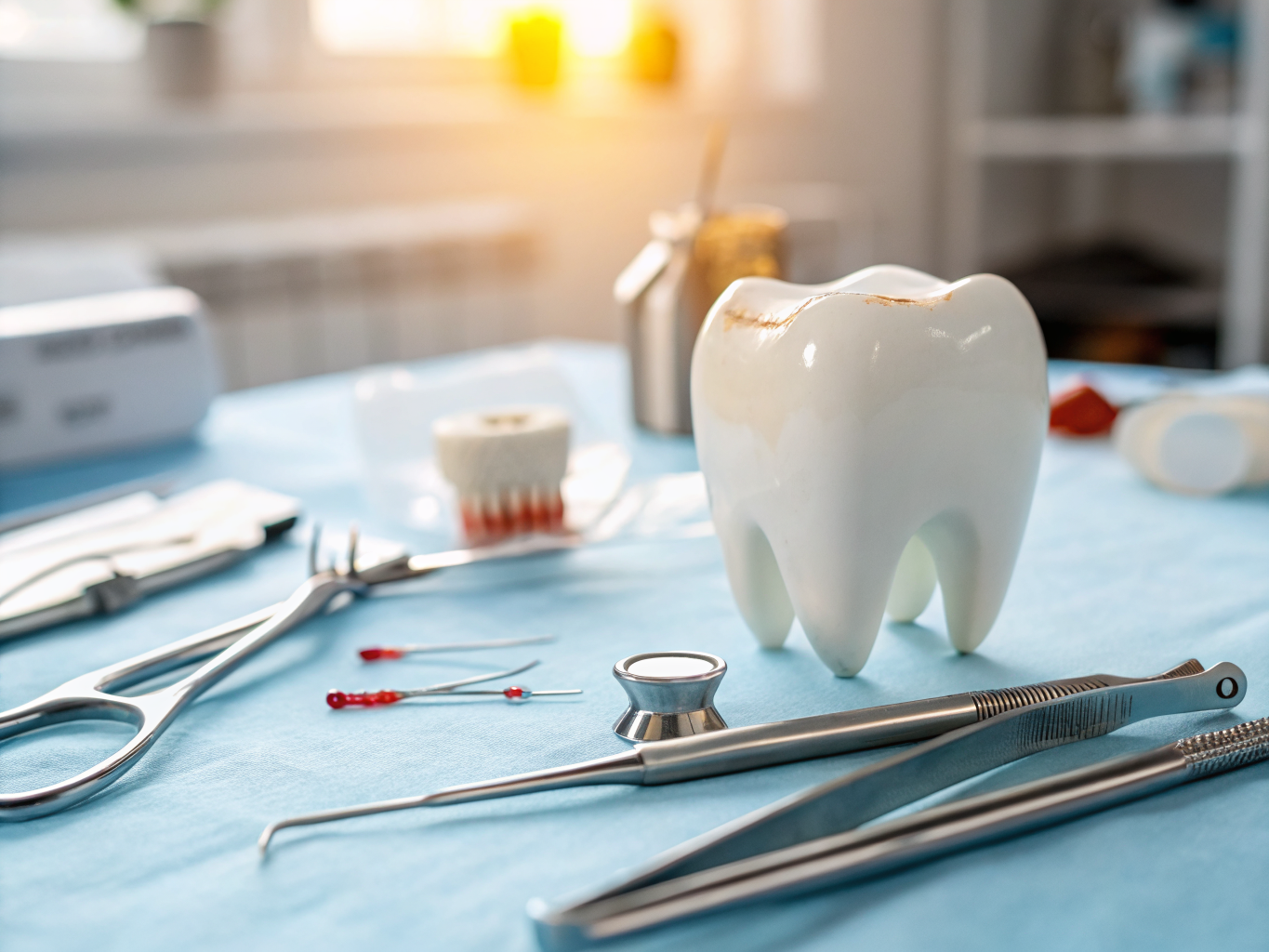
A completely knocked-out tooth is a true dental emergency, as time is critical for successful reimplantation. The best chance of saving the tooth occurs when you receive emergency dental care within 30 minutes of the injury. Sports accidents, falls, and motor vehicle incidents commonly cause this type of trauma, especially in active individuals throughout the Bay Area.
Handle the tooth carefully by the crown (the white part you normally see) and avoid touching the root. Gently rinse off any dirt, but don’t scrub or remove attached tissue fragments.
If possible, try to reinsert the tooth into its socket and hold it in place by gently biting on a clean cloth. If reinsertion isn’t possible, keep the tooth moist by placing it in milk, between your cheek and gum, or in a tooth preservation solution available at some pharmacies.
| Time Frame | Success Rate | Recommended Action |
|---|---|---|
| 0-30 minutes | 85-95% | Immediate reimplantation and stabilization |
| 30-60 minutes | 70-80% | Professional cleaning and reimplantation |
| 1-2 hours | 40-60% | Root canal therapy may be needed |
| Over 2 hours | 10-30% | Tooth replacement options discussed |
Even if the tooth cannot be saved, emergency dental care can address pain, prevent infection, and begin planning for tooth-replacement options such as dental implants or bridges.
4. Uncontrolled Bleeding from Dental Trauma
Heavy bleeding from the mouth that doesn’t stop with direct pressure requires immediate emergency dental care. This bleeding may result from tongue lacerations, gum injuries, or trauma to the soft tissues inside the mouth. While some bleeding is normal after dental injuries, persistent or heavy bleeding indicates damage that needs professional treatment.
Apply gentle pressure with a clean cloth or gauze to the bleeding area for 10-15 minutes. If bleeding continues or the wound appears deep, seek emergency dental care immediately.
Emergency Dental San Francisco can provide sutures, medication, and proper wound care to stop bleeding and promote healing. Our team also evaluates for underlying damage to teeth or bone that may not be immediately visible.
5. Broken or Cracked Teeth Needing Immediate Repair
Severely broken teeth with sharp edges or exposed nerves create both immediate pain and long-term complications if not treated quickly. Large fractures can expose the tooth’s inner pulp to bacteria, leading to infection and potential tooth loss. Sharp edges can also cut the tongue, cheeks, or lips, creating additional injury.
1. Enamel-Only Chips
Small chips affecting only the outer enamel can often wait for regular dental appointments. These rarely cause pain but should be smoothed to prevent cuts to soft tissues.
2. Dentin Exposure
Breaks that reach the yellow dentin layer underneath enamel cause temperature sensitivity and require prompt repair. The exposed dentin allows bacteria to penetrate deeper into the tooth structure.
3. Pulp Exposure
Deep fractures exposing the pink pulp tissue inside the tooth create severe pain and immediate infection risk. Emergency root canal therapy or extraction may be necessary to save the tooth.
4. Root Fractures
Breaks extending below the gum line into the tooth root often require extraction. These fractures are difficult to repair and may not hold restorations long-term.
5. Complete Crown Loss
When the entire visible portion of the tooth breaks off, emergency extraction and immediate replacement planning become necessary. Quick action can sometimes allow for same-day temporary restoration.
Save any broken tooth fragments and rinse your mouth with warm water to clean the area. Avoid chewing on the affected side and protect the broken tooth from further damage. The type of break determines the urgency and treatment approach needed from your emergency dentist near me.
6. Lost Crowns and Large Fillings
A lost crown or large filling leaves the underlying tooth structure vulnerable to damage, decay, and sensitivity. The exposed tooth often becomes painful when eating or drinking, and the rough edges can irritate your tongue and cheeks. Without the protective restoration, bacteria can quickly cause additional decay or infection in the compromised tooth structure.
Keep the lost crown or filling if you can find it, as your emergency dental care provider may be able to recement it temporarily. Avoid chewing on that side of your mouth and rinse gently with warm salt water to keep the area clean.
We provide same-day crown recementing, temporary restorations, and permanent repairs to restore function and comfort quickly. Our goal is to protect the tooth structure while you’re experiencing this dental emergency.
7. Orthodontic Emergencies and Broken Braces
Broken braces, loose wires, or lost brackets can cause significant discomfort and potentially injure the soft tissues in your mouth. Sharp wire ends may poke into your cheeks or gums, creating painful sores that interfere with eating and speaking. Loose appliances can also disrupt your orthodontic treatment progress if not addressed promptly.
Use orthodontic wax to cover sharp edges temporarily and avoid hard or sticky foods that could cause further damage. Don’t attempt to cut wires yourself, as this can create additional sharp edges.
Emergency Dental San Francisco provides urgent orthodontic repairs, wire adjustments, and temporary solutions to keep you comfortable until you can see your regular orthodontist. We work with patients of all ages experiencing orthodontic emergencies throughout the San Francisco Bay Area.
8. Jaw Injuries and Difficulty Opening Your Mouth
Jaw pain, clicking, or inability to open your mouth normally may indicate temporomandibular joint problems, muscle spasms, or trauma requiring immediate evaluation. These symptoms can develop suddenly or worsen gradually, but severe cases need emergency dental care to prevent long-term complications. Jaw injuries from accidents or sports can also cause fractures that require immediate medical attention.
If you suspect a jaw fracture, avoid moving the jaw and seek emergency room care first, followed by urgent dental evaluation. For other jaw problems, apply ice to reduce swelling and avoid hard foods that require extensive chewing.
Our emergency dental clinic can provide muscle relaxants, anti-inflammatory medications, and protective appliances to relieve jaw pain and restore normal function. We also coordinate care with oral surgeons when more extensive treatment is needed.
Conclusion
Recognizing dental emergencies and seeking immediate care protects your oral health and prevents minor problems from becoming major complications. Emergency Dental San Francisco stands ready to provide fast, compassionate relief when you need it most. Call 415-230-2783 for immediate assistance or book online for same-day emergency dental care throughout the Bay Area.
Emergency Dental San Francisco provides same-day emergency care for severe toothaches, abscesses, and knocked-out teeth. Our licensed professionals prioritize immediate pain relief with compassionate, professional treatment. Learn more about ending your dental pain today.
FAQs
What Is Considered a Dental Emergency?
A dental emergency is any mouth or tooth problem that causes severe pain, uncontrolled bleeding, swelling, infection (abscess), trauma (cracked or knocked-out tooth), or trouble swallowing/breathing. If symptoms are worsening or keeping you from eating, sleeping, or functioning, it’s best to be seen immediately.
Can I Go to the ER for a Dental Emergency?
Yes—go to the ER or call 911 for trouble breathing, facial/neck swelling that’s spreading, high fever, uncontrolled bleeding, or major trauma. For most urgent dental issues (toothaches, abscesses, broken teeth), an emergency dentist can treat the source of the problem the same day with dental imaging and procedures.
How Much Does an Emergency Dentist Visit Cost?
Costs vary based on the exam, X-rays, and treatment needed (such as a filling, drainage, extraction, or root canal). We accept most dental insurance plans, offer financing options for those who qualify, and provide clear, upfront estimates so you can make an informed decision.
What Should I Do If I Have a Toothache and Can’t See a Dentist Right Away?
Rinse with warm salt water, use a cold compress for swelling, and take OTC pain medication as directed (avoid placing aspirin on the gums). If you have swelling, fever, a bad taste/drainage, or worsening pain, call us 24/7 at 415-230-2783 for same-day guidance and care.
Do Emergency Dentists Take Walk-Ins or Same-Day Appointments?
Yes. We welcome walk-ins when possible and prioritize same-day, after-hours, weekend, and holiday visits to help you get relief quickly—call anytime or book online to secure the fastest opening.

Emergency Dental San Francisco is a dental office focused on providing same-day dental appointments to patients in San Francisco and the surrounding area. We provide urgent dental care services during weekends, evenings and holidays.
We accept several forms of payment and have financing options available to those who qualify. We accept most dental insurance.