

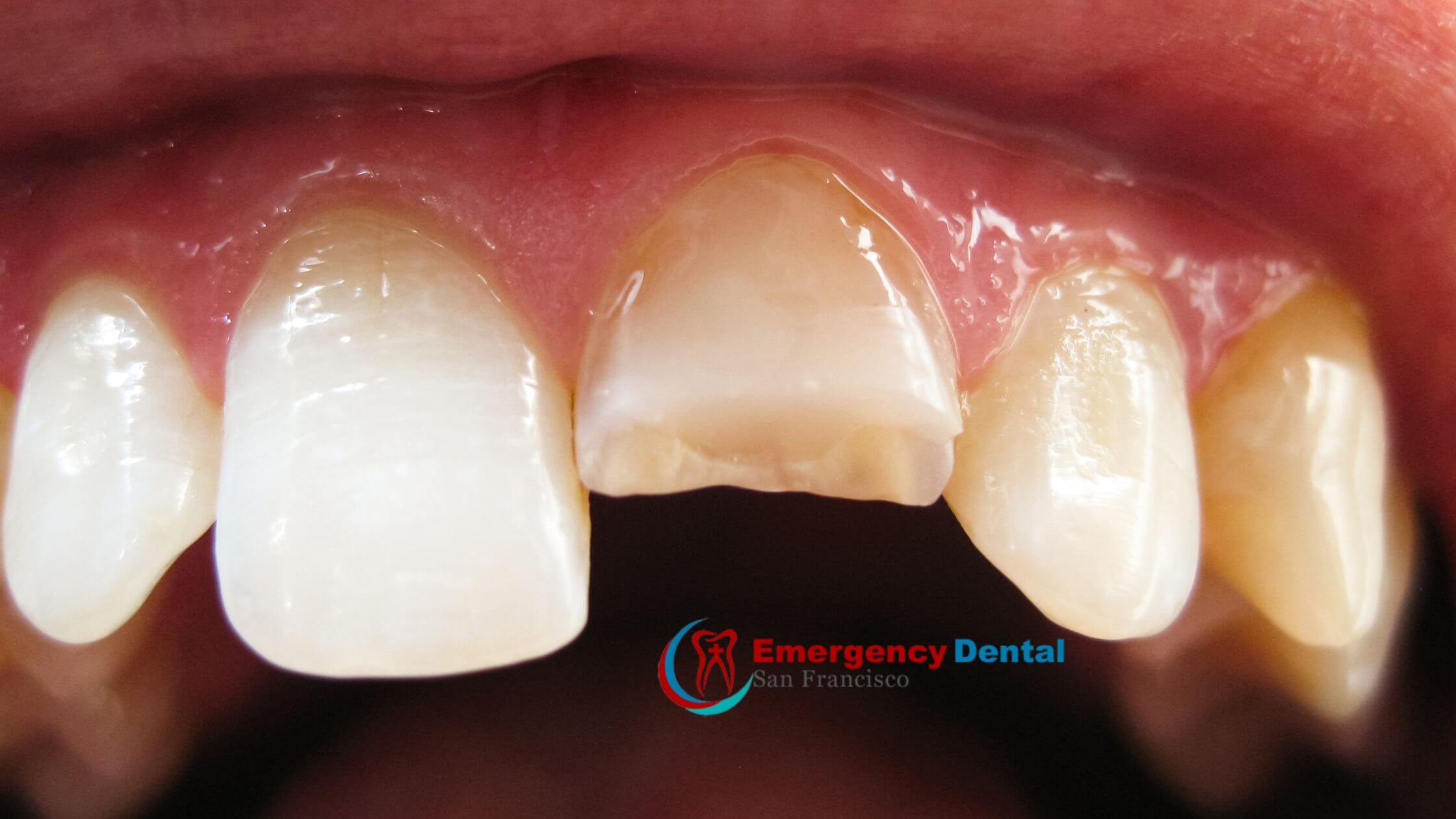
18 Mar Is a Broken Tooth a Dental Emergency?
A broken tooth can transform an ordinary day into a painful emergency. The key question isn’t whether it’s damaged, but whether you need immediate care to prevent complications, preserve the tooth, and stop the pain from escalating.
This article breaks down the clear warning signs that make a broken tooth a true dental emergency, what immediate steps to take, and how to access same-day treatment when every hour counts.
Key Takeaways
- Severe pain, visible bleeding, or exposed nerves make a broken tooth an immediate emergency requiring same-day care.
- Deep fractures exposing the tooth’s inner layers can lead to infection and permanent damage without prompt treatment.
- Swelling, fever, or pus around a broken tooth may indicate an abscess that requires urgent intervention.
- Emergency dentists can provide immediate pain relief, tooth preservation, and prevent complications through same-day procedures.
- Quick action within the first few hours often determines whether a damaged tooth can be saved or requires extraction.
Understanding When a Broken Tooth Becomes a Dental Emergency
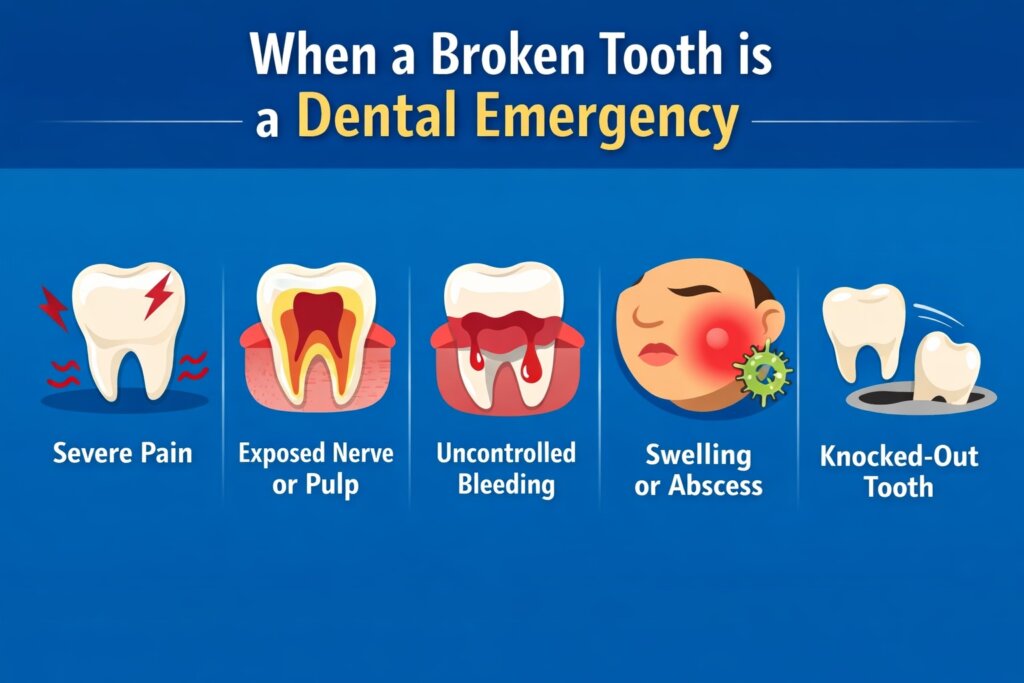
Not every chipped or cracked tooth requires emergency treatment, but certain warning signs demand immediate attention. The biggest clues that a broken tooth is an emergency are pain intensity, fracture depth, and any signs of infection. Your body sends clear signals when something needs urgent care.
1. Severe Pain That Worsens Over Time
Intense, throbbing pain that worsens rather than improves indicates nerve involvement or infection. This type of pain often prevents normal activities like eating, sleeping, or concentrating at work.
2. Visible Dentin or Pulp Exposure
When you can see the yellowish dentin layer or pinkish pulp inside the tooth, bacteria can enter and cause infection. These deeper layers lack the protective enamel coating and remain vulnerable to contamination.
3. Uncontrolled Bleeding
Bleeding that continues for more than 10-15 minutes despite gentle pressure suggests damage to blood vessels or soft tissue. This bleeding can interfere with eating and speaking while increasing the risk of infection.
4. Swelling or Abscess Formation
Facial swelling, especially when accompanied by fever, indicates a possible abscess. These infections can spread to other areas if left untreated and may require antibiotic therapy in addition to dental treatment.
5. Complete Tooth Avulsion
A completely knocked-out tooth represents a true emergency with a narrow window for successful reimplantation. The first 30 minutes are critical for saving the tooth.
When a broken tooth includes severe pain, deep exposure, bleeding, swelling, or total tooth loss, it should be treated as a dental emergency. Waiting too long can increase discomfort and make treatment more complicated than it needs to be. Getting prompt care gives you the best chance of relieving pain, preventing infection, and preserving your smile.
Types of Tooth Fractures and Their Emergency Status
Different types of breaks carry varying levels of urgency. Understanding these categories helps you make informed decisions about when to seek immediate care versus when to schedule a routine appointment.
Dental professionals classify fractures based on which layers of the tooth are affected and how deep the damage extends.
| Fracture Type | Description | Emergency Status | Typical Treatment |
|---|---|---|---|
| Enamel Crack | Surface-level crack in outer layer | Non-emergency | Monitoring or bonding |
| Enamel-Dentin Fracture | Break through both outer layers | Urgent (same day) | Filling or crown |
| Pulp Exposure | Crack reaches tooth’s nerve center | Emergency | Root canal or extraction |
| Root Fracture | Break below gum line | Emergency | Often requires extraction |
| Complete Avulsion | Entire tooth knocked out | Emergency | Reimplantation or replacement |
Enamel-only chips or small surface cracks can typically wait for a scheduled appointment, though sharp edges should be smoothed to prevent tongue or cheek injuries. However, any fracture that exposes the underlying dentin or pulp requires immediate attention to prevent bacterial invasion and preserve the tooth’s viability.
Immediate Steps to Take Before Reaching an Emergency Dentist
The actions you take in the first few minutes after breaking a tooth can significantly impact the treatment outcome. Quick, appropriate first aid helps control pain, prevent further damage, and improve the chances of saving your tooth.
1. Control Pain and Swelling
Rinse your mouth gently with warm salt water to clean the area and reduce bacteria. Apply a cold compress to the outside of your cheek for 15-20 minutes to minimize swelling and numb pain.
2. Save Any Tooth Fragments
Collect any pieces of broken tooth and store them in milk, saliva, or a tooth preservation kit if available. These fragments can sometimes be reattached, especially larger pieces with clean breaks.
3. Protect the Damaged Area
Cover sharp edges with dental wax, sugar-free gum, or a small piece of gauze to prevent cuts to your tongue or cheeks. Avoid chewing on the affected side and stick to soft foods.
4. Handle a Knocked-Out Tooth Properly
For a completely avulsed tooth, handle it by the crown only, rinse gently if dirty, and try to reinsert it into the socket. If reinsertion isn’t possible, keep the tooth moist in milk or between your cheek and gum.
5. Take Appropriate Pain Relief
Over-the-counter pain relievers like ibuprofen can help manage discomfort and reduce inflammation. Avoid aspirin directly on the gums, as this can cause tissue damage and interfere with clotting.
These steps provide temporary relief while you arrange emergency dental care, but they don’t replace professional treatment.
Treatment Options for Emergency Broken Teeth
Emergency dental treatment focuses on immediate pain relief, infection prevention, and, when possible, tooth preservation. The specific approach depends on the type and extent of damage, your overall oral health, and how quickly you seek care.
Modern emergency dentistry offers several same-day solutions that can effectively address most broken-tooth situations.
1. Emergency Fillings and Bonding
For moderate chips and cracks that don’t reach the pulp, tooth-colored composite bonding can restore function and appearance immediately. This treatment typically takes 30-60 minutes and provides durable results for most patients.
2. Root Canal Therapy
When the tooth’s nerve is exposed or infected, root canal treatment removes damaged tissue while preserving the tooth structure. Emergency root canals often provide immediate pain relief and can usually be completed in one visit.
3. Emergency Extractions
Severely damaged teeth that can’t be saved require extraction to prevent the spread of infection and ongoing pain. Emergency extractions include immediate aftercare planning and options for tooth replacement.
4. Temporary Crowns and Stabilization
Fractured teeth with significant structural damage may require temporary crowns to protect them while permanent restorations are fabricated. This approach maintains function and prevents further breakdown.
5. Antibiotic Therapy for Infections
Signs of infection around a broken tooth require immediate antibiotic treatment alongside dental procedures. This combined approach addresses both the source of infection and systemic symptoms such as fever or swelling.
Emergency Dental San Francisco provides comprehensive urgent care with same-day X-rays, pain management, and definitive treatment options. Our team prioritizes saving natural teeth whenever possible while ensuring patient comfort throughout the process.
Why Quick Action Matters for Broken Tooth Emergencies
The window for successful treatment narrows rapidly after a tooth breaks, especially when deeper structures are involved. Delaying care often transforms a straightforward repair into a complex procedure requiring extraction and replacement.
Bacterial contamination begins within hours of pulp exposure, making infection increasingly likely as time passes.
Teeth with exposed nerves experience progressive damage that can become irreversible. Once contaminated, pulp tissue rarely heals on its own and typically requires removal through root canal therapy or extraction. Pain levels also tend to escalate without treatment, as inflammation builds within the confined space of the tooth.
Blood supply to damaged teeth can be compromised, leading to tissue death and discoloration. Quick intervention helps preserve circulation and maintain tooth vitality. Additionally, broken teeth with sharp edges can cause soft tissue injuries that complicate eating and speaking.
Emergency Dental San Francisco operates 24/7 specifically because dental emergencies don’t follow business hours. Our same-day treatment approach has helped countless patients avoid tooth loss through prompt, professional intervention.
Preventing Future Dental Emergencies
While accidents happen, many broken tooth emergencies can be prevented through protective measures and good oral health habits. Understanding your risk factors helps you take appropriate precautions.
1. Use Protective Mouthguards
Custom mouthguards provide superior protection during sports and recreational activities compared to over-the-counter options. These devices distribute impact forces and significantly reduce fracture risk during contact sports and activities such as skateboarding and cycling.
2. Address Grinding and Clenching
Nighttime teeth grinding (bruxism) weakens teeth and increases susceptibility to fractures. A custom night guard protects teeth from excessive forces while you sleep and can prevent stress-related breaks.
3. Avoid Hard Foods and Objects
Chewing ice, hard candies, popcorn kernels, or using teeth as tools creates unnecessary stress that can cause sudden fractures. Being mindful of what you put in your mouth significantly reduces the risk of emergencies.
4. Maintain Regular Dental Care
Routine checkups identify weakened teeth, large fillings, and other risk factors before they lead to emergencies. Professional cleanings and fluoride treatments also strengthen enamel against decay that can weaken tooth structure.
5. Address Dental Problems Early
Small cavities, worn fillings, and minor cracks should be treated promptly before they compromise tooth integrity. Early intervention is always less invasive and more successful than emergency repairs.
Prevention strategies focus on strengthening teeth, avoiding high-risk activities, and addressing underlying dental problems before they lead to fractures.
When to Choose Emergency Dental Care Over the Hospital
Many people wonder whether to visit an emergency room or seek dental care for a broken tooth. Understanding the appropriate venue ensures you receive the most effective treatment without unnecessary delays or costs.
Emergency rooms can manage pain and prescribe antibiotics, but typically cannot provide definitive dental treatment.
Choose emergency dental care for tooth pain, fractures, infections without airway involvement, knocked-out teeth, and most urgent dental procedures. Dental clinics have the specialized equipment, materials, and expertise needed to address the root cause of your problem, not just the symptoms.
Hospital emergency rooms are appropriate for facial fractures, uncontrolled bleeding that won’t respond to pressure, difficulty breathing or swallowing due to swelling, or signs of serious infection spreading beyond the immediate dental area. These situations require medical intervention alongside dental care.
We provide immediate assessment and treatment for all types of dental emergencies, with walk-in availability and 24/7 phone support. Our facility combines the accessibility of urgent care with the specialized expertise your dental emergency requires.
Conclusion
A broken tooth becomes a dental emergency when pain is severe, deeper layers of the tooth are exposed, or signs of infection appear. Quick professional treatment within hours often determines whether your tooth can be saved or requires extraction. Emergency Dental San Francisco provides same-day care to address urgent dental needs and prevent complications through immediate, expert intervention.
Emergency Dental San Francisco provides immediate dental trauma care for broken teeth and urgent situations. Our licensed professionals prioritize fast pain relief with same-day appointments available. Learn more about protecting your smile today.
FAQs
Is a Broken Tooth Considered a Dental Emergency?
Often, yes—especially if there’s pain, bleeding, swelling, a sharp edge, or the nerve is exposed. Even small chips can worsen or get infected, so same-day evaluation is the safest choice.
What Should I Do Immediately If I Break a Tooth?
Rinse gently with warm water, apply cold compresses to reduce swelling, and, if bleeding, use clean gauze with light pressure. Save any tooth fragments, avoid chewing on that side, and call us right away at 415-230-2783 for urgent guidance and same-day care.
How Long Can I Wait To See a Dentist for a Broken Tooth?
Ideally, be seen the same day or within 24 hours—so we can relieve pain, protect the tooth, and reduce the risk of infection. If it’s a minor chip with no pain, you may be able to wait a day or two, but sooner is still better.
When Should I Go to the ER for a Broken Tooth?
Go to the ER if you have trouble breathing or swallowing, severe facial swelling, uncontrolled bleeding, fever with swelling, or signs of a serious injury (like head trauma or a broken jaw). For most broken-tooth problems, an emergency dentist is the right place for definitive treatment.
Can a Broken Tooth Heal on Its Own?
No—teeth don’t regenerate like skin or bone. A dentist can stabilize and restore the tooth (such as with bonding, a crown, or root canal treatment if needed) to prevent pain, infection, and further breakage.

Emergency Dental San Francisco is a dental office focused on providing same-day dental appointments to patients in San Francisco and the surrounding area. We provide urgent dental care services during weekends, evenings and holidays.
We accept several forms of payment and have financing options available to those who qualify. We accept most dental insurance.