

23 Feb Common Emergency Dental Problems: Which Warning Signs Require Immediate Treatment?
Emergency dental problems strike without warning and can escalate rapidly from manageable discomfort to life-threatening complications. According to the CDC, tooth disorders account for nearly 2 million emergency department visits annually, with abscesses and dental caries responsible for 80% of these urgent cases. Delaying treatment for serious dental issues often results in minor problems becoming complex, costly procedures that could have been prevented with prompt care.
This guide covers the most critical emergency dental problems that require immediate attention, warning signs indicating urgent care is needed, and practical steps to take before reaching a dental clinic. You’ll learn when home remedies aren’t enough and why professional evaluation is necessary to prevent serious complications.
Key Takeaways
- Severe toothaches with swelling may indicate dangerous infections requiring immediate treatment.
- Knocked-out teeth have the best chance of survival when treated within 30 minutes.
- Dental abscesses can spread to vital organs if left untreated.
- Uncontrolled bleeding from dental trauma needs professional intervention.
- Cracked or fractured teeth worsen rapidly without proper stabilization.
- Lost crowns or fillings expose sensitive areas to further damage and infection.
1. Severe Toothache and Abscess dental emergencies
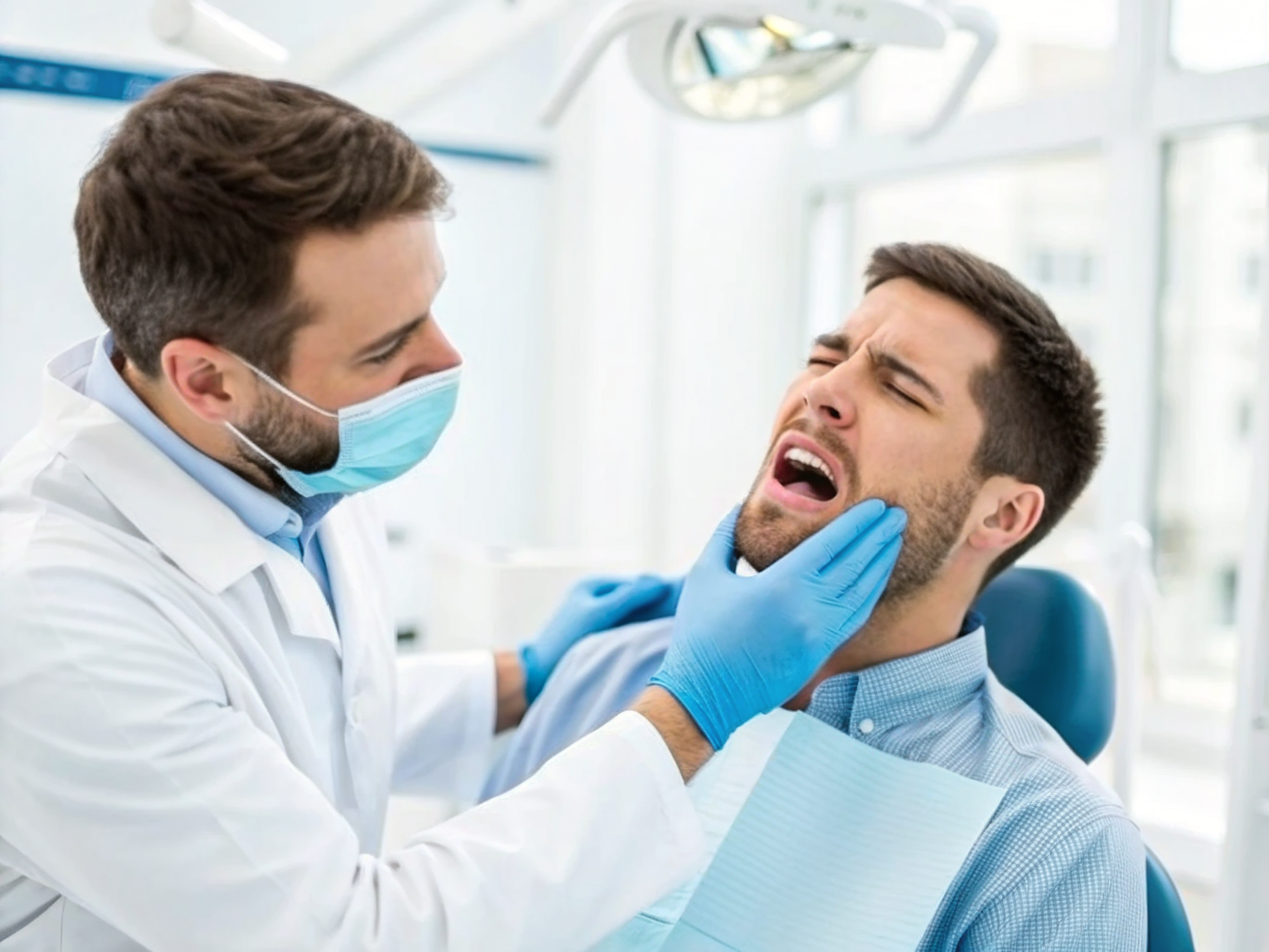
A severe toothache that disrupts sleep, eating, or daily activities signals a serious problem requiring immediate attention. Unlike mild sensitivity, emergency-level tooth pain often indicates infection, nerve damage, or advanced decay that won’t resolve without professional treatment. The pain may throb constantly, worsen with pressure, or radiate to your jaw, ear, or neck.
Dental abscesses are among the most dangerous dental emergencies you should never ignore. These infections form when bacteria invade the tooth’s pulp or surrounding gum tissue, creating pockets of pus that can spread throughout your body.
1. Recognizing Abscess Warning Signs
Facial swelling, especially around the cheek, jaw, or neck area, indicates a serious infection. Fever accompanying dental pain suggests the infection may be spreading beyond the tooth.
2. Understanding Pain Patterns
Throbbing pain that worsens when lying down often signals an abscess. Sharp, shooting pain when biting down may indicate a cracked tooth or deep infection.
3. Identifying Dangerous Symptoms
Difficulty swallowing, breathing problems, or severe facial swelling require immediate emergency room care. These symptoms suggest the infection is affecting vital airways or spreading to critical areas.
4. Recognizing Drainage Issues
Pus drainage with a foul taste indicates an active infection that needs professional drainage and antibiotic treatment. Home remedies cannot eliminate the underlying bacterial infection.
5. Monitoring Temperature Changes
A fever above 101°F with dental pain suggests a systemic infection. Your body’s immune response indicates the bacteria have entered your bloodstream, requiring urgent medical attention.
Emergency Dental San Francisco provides immediate relief for severe toothaches and abscess dental emergencies 24/7. Our team prioritizes pain control first, then addresses the underlying infection through drainage, root canal therapy, or extraction as needed.
2. Knocked-Out Teeth and Dental Trauma Emergencies
Dental trauma from accidents, sports injuries, or falls can result in knocked-out teeth, fractured roots, or severe displacement. Time becomes critical in these situations, as the chances of successfully reimplanting a knocked-out tooth decrease significantly after the first hour. Adult permanent teeth have the best survival rates when treated within 30 minutes of the injury.
The type and extent of trauma determine the appropriate emergency response and available treatment options.
1. Handling Knocked-Out Teeth Properly
Pick up the tooth by the crown, never the root, to avoid damaging the delicate periodontal ligament fibers. Gently rinse with clean water if dirty, but don’t scrub or remove any attached tissue fragments.
2. Attempting Immediate Reimplantation
Try to reinsert the tooth into its socket, if possible, and hold it in place by gently biting on a clean cloth. If reimplantation isn’t possible, store the tooth in milk, saliva, or between your cheek and gum to keep it moist.
3. Managing Fractured Teeth
Save any broken tooth fragments and avoid chewing on the affected side. Cover sharp edges with dental wax or sugar-free gum to protect your tongue and cheek from cuts.
4. Controlling Bleeding
Apply gentle pressure with clean gauze to control bleeding from the socket or surrounding gums. Persistent bleeding that doesn’t slow after 15 minutes of direct pressure requires immediate professional care.
5. Addressing Pain and Swelling
Use cold compresses on the outside of your face to reduce swelling and numb pain. Avoid placing ice directly on the tooth or gums, which can cause additional tissue damage.
Our clinic specializes in dental trauma cases, providing immediate stabilization, reimplantation, and follow-up care to maximize tooth survival.
3. Cracked and Fractured Tooth Emergency Dental Problems
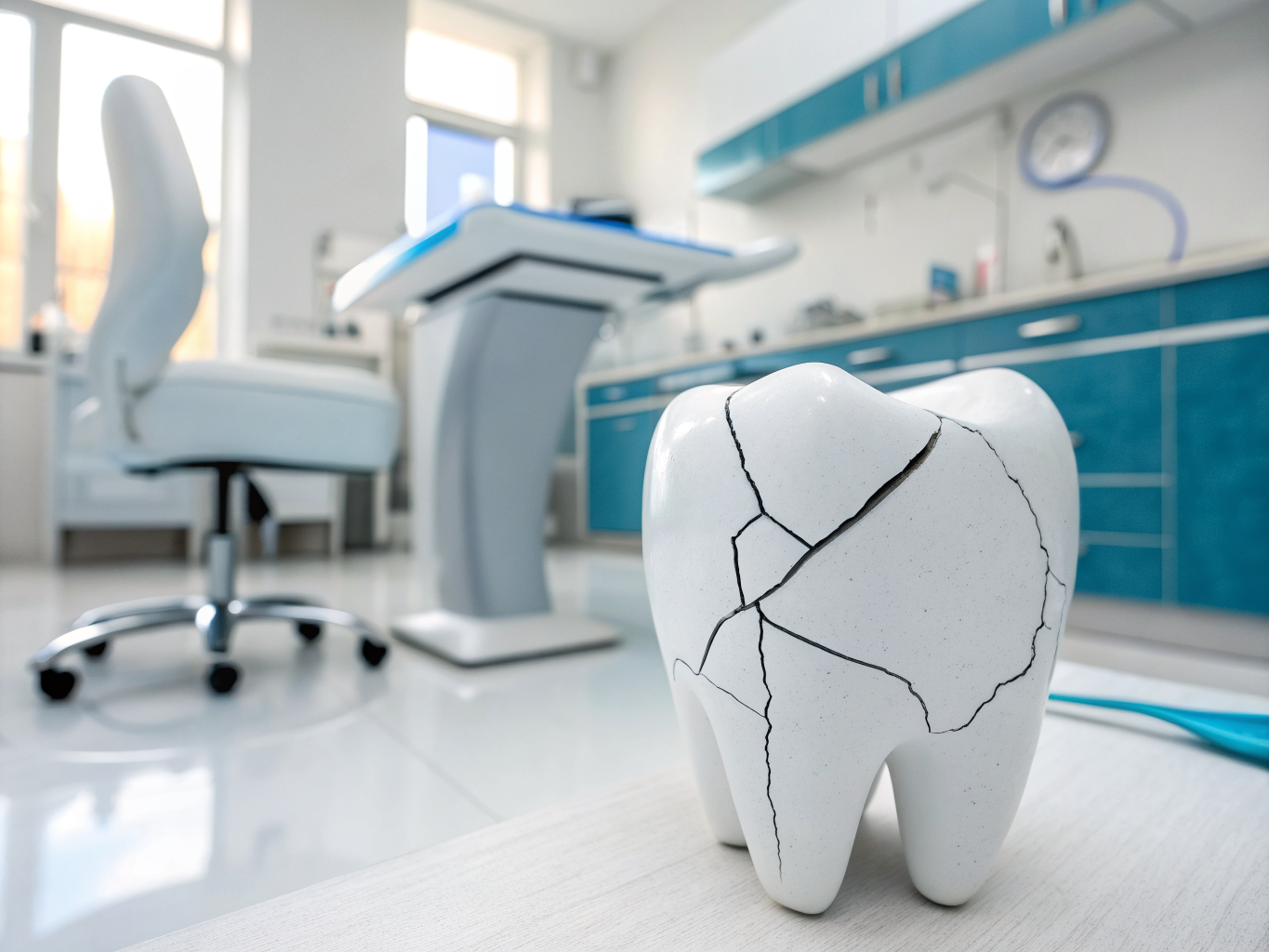
Cracked and fractured teeth are serious emergency dental problems because damage can extend deep into the tooth and worsen quickly without treatment. Unlike minor chips, deeper cracks may reach the pulp, exposing nerves and blood vessels to bacteria. Prompt evaluation is critical to prevent infection, escalating pain, or permanent tooth loss.
| Crack Type | Common Symptoms | Treatment Urgency |
|---|---|---|
| Surface crack (craze line) | Mild sensitivity, no sharp pain | Schedule within a few days |
| Cusp fracture | Pain when chewing or biting down | Same-day dental care recommended |
| Split tooth | Severe pain, swelling, visible separation | Immediate dental emergency |
| Root fracture | Constant throbbing pain, swelling, tooth mobility | Immediate dental emergency |
The severity, location, and direction of a crack determine both treatment options and urgency. Ignoring symptoms or delaying care can allow bacteria to penetrate deeper, increasing the likelihood of root canal therapy or extraction. Early emergency dental treatment offers the best chance to relieve pain, stop infection, and preserve the tooth.
4. Lost Crowns and Fillings Requiring Urgent Dental Check Up
Lost dental crowns and fillings expose the underlying tooth structure to bacteria, temperature changes, and physical damage. While not always painful initially, these situations can quickly develop into serious problems requiring emergency intervention. The exposed tooth often becomes extremely sensitive and vulnerable to fracture under normal chewing forces.
Quick action helps prevent complications and may allow for simple recementation rather than complex reconstruction.
1. Preserving the Restoration
Keep the crown or large filling pieces clean and bring them to your dental appointment. Many restorations can be recemented if they’re intact and the underlying tooth remains healthy.
2. Protecting the Exposed Tooth
Avoid chewing on the affected side and stick to soft, room-temperature foods. The exposed tooth structure is much weaker and more sensitive than the original restoration.
3. Temporary Protection Measures
Dental wax, sugar-free gum, or temporary filling material from the pharmacy can provide short-term protection. These are temporary solutions only and shouldn’t delay professional treatment.
4. Managing Sensitivity
Sensitivity toothpaste or clove oil can help reduce discomfort temporarily. Avoid extremely hot, cold, sweet, or acidic foods that can trigger severe pain.
5. Scheduling Prompt Treatment
Contact a dental clinic within 24-48 hours to prevent further damage or decay. Delaying treatment often requires more extensive and expensive procedures.
We provide same-day crown and filling replacement services, often allowing patients to leave with permanent restorations rather than temporary fixes.
5. Uncontrolled Bleeding and Soft Tissue Injuries
Uncontrolled bleeding from dental procedures, trauma, or gum disease represents a serious emergency requiring immediate professional intervention. While minor bleeding from brushing or flossing is common, persistent bleeding that doesn’t respond to direct pressure indicates underlying problems. Soft tissue injuries to the lips, cheeks, tongue, or gums can result in significant blood loss and require suturing.
The location and severity of bleeding help determine whether you need emergency dental care or hospital treatment.
1. Applying Proper Pressure
Use clean gauze or cloth to apply firm, direct pressure to the bleeding area for 15-20 minutes. Avoid repeatedly checking the area, which can disrupt clot formation and restart bleeding.
2. Positioning for Control
Sit upright and lean slightly forward to prevent blood from running down your throat. Swallowing large amounts of blood can cause nausea and vomiting.
3. Using Cold Therapy
Apply ice packs to the outside of your face to help constrict blood vessels and reduce bleeding. Cold also helps numb pain and reduce swelling in the affected area.
4. Avoiding Blood Thinning Substances
Don’t take aspirin, which can increase bleeding, and avoid alcohol or hot liquids that can interfere with clotting. Stick to cold or room-temperature water if you need to rinse.
5. Recognizing When to Seek Emergency Care
Bleeding that doesn’t slow after 20 minutes of direct pressure requires immediate professional attention. Large amounts of blood loss can lead to dizziness, weakness, or shock.
6. Jaw Injuries and TMJ Emergency Complications
Jaw injuries from trauma, severe teeth grinding, or temporomandibular joint (TMJ) disorders can create emergency situations requiring immediate evaluation. A dislocated jaw, fracture, or severe muscle spasm can prevent normal eating, speaking, or breathing. These conditions often worsen without prompt treatment and may require specialized emergency procedures.
Distinguishing between minor jaw discomfort and serious injury helps determine the appropriate level of care needed.
1. Identifying Jaw Dislocation
Inability to close your mouth, jaw stuck in an open position, or severe pain when attempting to move your jaw indicates possible dislocation. This condition requires immediate professional reduction to prevent permanent damage.
2. Recognizing Fracture Signs
Severe pain, swelling, numbness in your lip or chin, or changes in your bite alignment suggest a possible jaw fracture. These injuries often require hospital evaluation and surgical intervention.
3. Managing Severe Muscle Spasms
Sudden inability to open your mouth, severe pain when chewing, or jaw muscles that feel locked require professional muscle relaxation techniques. Home remedies are typically insufficient for severe spasms.
4. Controlling Pain and Swelling
Apply ice packs for 15-20 minutes at a time to reduce swelling and numb pain. Support your jaw with a soft bandage or towel to minimize movement during transport to care.
5. Avoiding Further Injury
Don’t attempt to force your jaw open or closed, and avoid hard foods that require significant chewing. Stick to liquids or very soft foods until you receive a professional evaluation.
Our team provides a comprehensive evaluation of jaw injuries and can coordinate with oral surgeons or hospital emergency departments when specialized care is needed.
When to Choose Emergency Dental Care vs. Hospital Emergency Rooms
Understanding when to visit an emergency dental clinic versus a hospital emergency room can save valuable time and ensure appropriate treatment. Most dental emergencies are best handled by dental professionals with specialized training and equipment for oral health issues. Hospital emergency rooms typically focus on life-threatening conditions and may only provide temporary pain relief for dental problems.
The nature and severity of your symptoms help guide this important decision.
| Emergency Dental Clinic | Hospital Emergency Room |
|---|---|
| Severe toothaches and abscesses | Difficulty breathing or swallowing |
| Knocked-out or fractured teeth | Suspected facial bone fractures |
| Lost crowns or fillings | Uncontrolled bleeding |
| Soft tissue injuries | High fever with facial swelling |
| Jaw dislocation | Signs of serious infection spread |
Emergency Dental San Francisco operates 24/7 to handle urgent dental problems that don’t require hospital-level care. We can provide definitive treatment rather than temporary pain management, often resolving your problem in a single visit.
Immediate Steps Before Reaching Professional Care
Taking appropriate immediate action before reaching professional care can significantly impact treatment outcomes and pain levels. These first-aid measures help stabilize your condition and prevent further damage while you arrange emergency dental treatment. The key is providing temporary relief without interfering with professional treatment options.
Proper preparation also helps streamline your emergency visit and ensures you have necessary information readily available.
1. Gathering Essential Information
Collect your insurance cards, identification, list of current medications, and any recent dental X-rays or records. This information helps speed your intake process and ensures safe treatment decisions.
2. Managing Pain Safely
Use over-the-counter pain relievers as directed, avoiding aspirin if bleeding is present. Cold compresses on the outside of your face can provide additional relief without interfering with treatment.
3. Protecting the Affected Area
Avoid chewing on the injured side and stick to soft, room-temperature foods and liquids. Keep the area as clean as possible with gentle salt-water rinses.
4. Preserving Dental Materials
Save any broken tooth fragments, lost crowns, or fillings in a clean container with milk or saliva. These materials may be reusable if kept properly moist and clean.
5. Documenting Your Symptoms
Note when symptoms started, what triggers pain, and any treatments you’ve tried. This information helps your dental team make accurate diagnoses and treatment decisions quickly.
Call 415-230-2783 immediately if you’re experiencing any of these emergency dental problems. Our team provides same-day appointments, walk-in availability, and 24/7 phone support to guide you through urgent situations.
Conclusion
Emergency dental problems demand immediate attention to prevent serious complications and preserve your oral health. Recognizing warning signs and seeking prompt professional care can mean the difference between simple treatment and complex reconstruction procedures.
Emergency Dental San Francisco provides same-day urgent care for severe toothaches, abscesses, and dental trauma. Our licensed professionals prioritize immediate pain relief and clear treatment plans. Learn more about protecting your oral health today.
FAQs
What Is Considered a Dental Emergency?
A dental emergency is any mouth or tooth problem that needs prompt care to stop severe pain, infection, bleeding, or to save a tooth—such as an abscess, swelling, uncontrolled bleeding, a knocked-out tooth, a cracked tooth with pain, or facial swelling/fever. When in doubt, call Emergency Dental San Francisco at 415-230-2783 for same-day guidance and care.
What Should I Do If I Have a Severe Toothache?
Rinse with warm salt water, gently floss to remove trapped debris, and use a cold compress for swelling; avoid placing aspirin on the gums. Because severe toothaches can signal infection or nerve inflammation, contact Emergency Dental San Francisco for same-day evaluation and safe pain relief.
How Do I Know If A Broken Tooth Needs Emergency Treatment?
Seek urgent care if the break causes significant pain, bleeding, sharp edges cutting your mouth, visible nerve exposure, swelling, or sensitivity that doesn’t improve—these can worsen quickly or become infected. Save any fragments, rinse gently, and call Emergency Dental San Francisco for prompt assessment and treatment options.
What Should I Do If I Knock Out A Tooth?
Handle the tooth by the crown (not the root), gently rinse if dirty, and try to place it back in the socket; if that’s not possible, store it in milk or saliva and get to a dentist immediately. Time matters most in the first hour—call Emergency Dental San Francisco right away for urgent re-implantation guidance.
Can I Go To The ER For A Dental Emergency?
Yes—go to the ER for trouble breathing or swallowing, rapidly spreading facial/neck swelling, high fever, or uncontrolled bleeding. For most dental emergencies (toothaches, abscesses, broken/knocked-out teeth), an urgent-care dentist like Emergency Dental San Francisco can diagnose the cause and provide definitive dental treatment, often same day.

Emergency Dental San Francisco is a dental office focused on providing same-day dental appointments to patients in San Francisco and the surrounding area. We provide urgent dental care services during weekends, evenings and holidays.
We accept several forms of payment and have financing options available to those who qualify. We accept most dental insurance.