

16 Dec Emergency Dental Clinics for Dental Trauma: Fast Stabilization
dental trauma strikes without warning—a fall, sports injury, car accident, or simple bite mishap can instantly damage teeth and surrounding tissues. emergency dental clinics provide the immediate stabilization needed to save your tooth, control pain, and prevent long-term complications. Fast action within the first hour often determines whether a damaged tooth can be preserved or requires extraction.
This guide covers the critical first steps after dental trauma, why professional stabilization matters, and what to expect during urgent treatment. You’ll learn when to seek immediate care and how emergency dental clinics can provide the rapid intervention your injury demands.
Key Takeaways
- Act within 10 minutes of dental trauma to maximize tooth survival chances.
- Emergency dental clinics offer specialized stabilization techniques unavailable in hospital ERs.
- Professional assessment prevents infection, nerve damage, and complete tooth loss.
- Knocked-out teeth have the highest success rate when treated within 30 minutes.
- Proper stabilization includes splinting, temporary repairs, and infection control.
- 24-hour emergency dental care ensures immediate treatment regardless of timing.
What to Do in the First 10 Minutes After Dental Injury
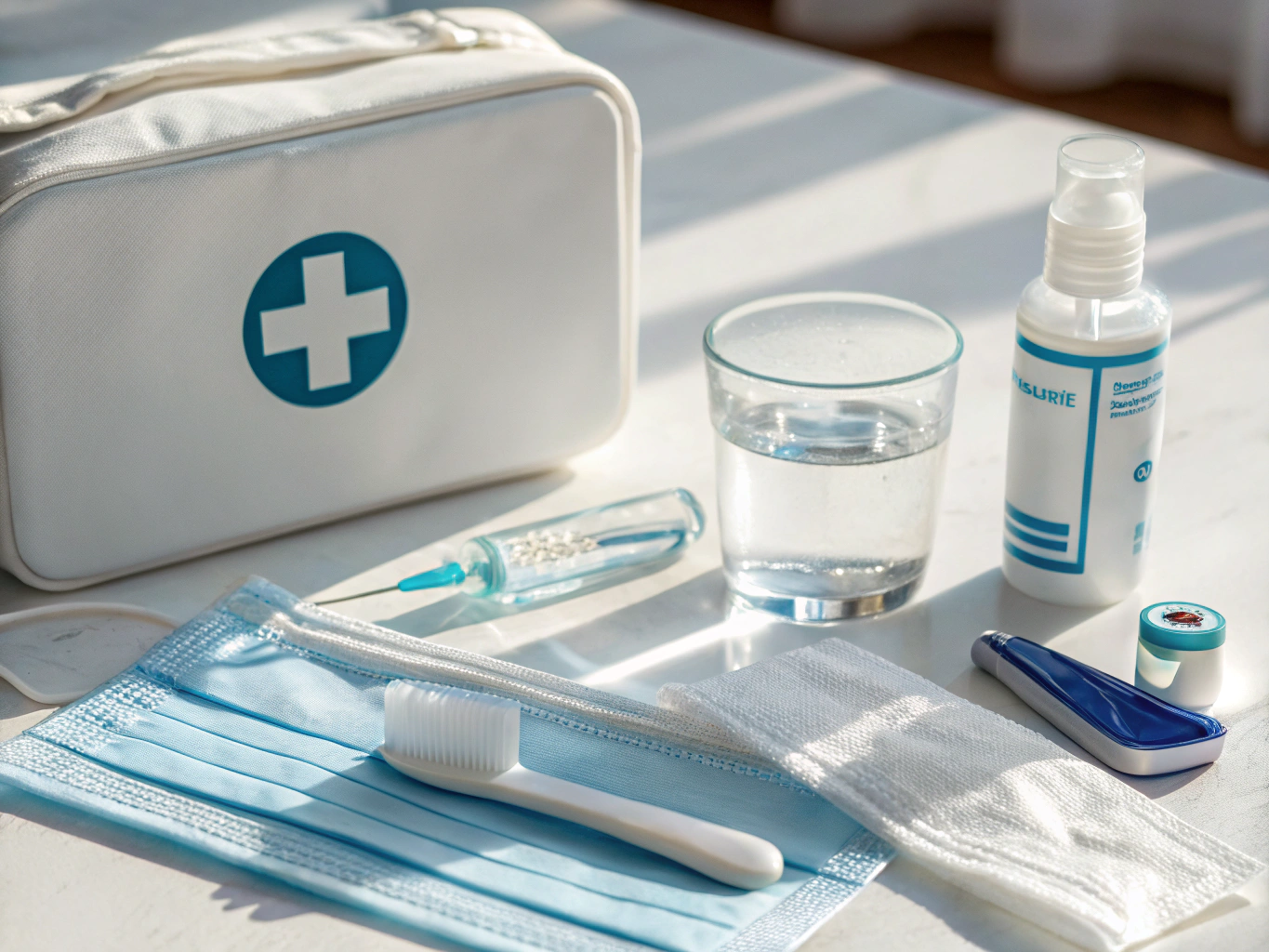
The first 10 minutes following dental trauma are critical for saving your tooth and minimizing damage. Your immediate actions can mean the difference between successful treatment and permanent tooth loss. Quick, calm responses protect injured tissues and improve treatment outcomes significantly.
Time-sensitive steps require careful attention to detail while managing pain and potential bleeding.
1. Control Bleeding Immediately
Apply gentle pressure using clean gauze or a damp cloth directly to the bleeding area. Avoid aspirin, which can increase bleeding, and focus on steady, consistent pressure for 10-15 minutes.
2. Locate and Preserve Any Tooth Fragments
Find broken pieces and handle them only by the crown (white part), never the root. Rinse fragments gently with milk or saline solution, avoiding tap water which can damage root cells.
3. Address a Completely knocked-out tooth
Pick up the tooth by the crown only and gently rinse off dirt without scrubbing. If possible, reinsert the tooth into its socket and bite down on clean gauze to hold it in place.
4. Keep Displaced Teeth Moist
If reinsertion isn’t possible, store the tooth in milk, saliva, or between your cheek and gum. Never use water or allow the tooth to dry out, as this kills essential root surface cells.
5. Manage Pain and Swelling
Apply a cold compress to the outside of your face for 15-20 minutes to reduce swelling. Take over-the-counter pain medication as directed, avoiding aspirin which can complicate bleeding control.
6. Avoid Common Mistakes
Don’t touch the tooth root, use hydrogen peroxide on wounds, or delay seeking professional care. Avoid hard foods and resist the urge to probe the injured area with your tongue.
7. Seek Emergency Dental Care Immediately
Call an emergency dentist within minutes of the injury, especially for knocked-out or severely damaged teeth. Hospital emergency rooms cannot provide the specialized dental care needed for optimal outcomes.
These immediate actions set the foundation for successful professional treatment and tooth preservation.
Why Dental Trauma Needs Immediate Stabilization at Emergency Dental Clinics
Emergency dental clinics provide specialized trauma care that hospital emergency rooms simply cannot match. Dental injuries require specific expertise, equipment, and treatment protocols designed to preserve teeth and prevent complications. The window for successful intervention closes rapidly, making immediate professional assessment essential.
Professional stabilization addresses both visible damage and underlying issues that may not be immediately apparent.
| Treatment Location | Services Available | Best For |
|---|---|---|
| Emergency Dental Clinic | Tooth stabilization, root canals, extractions, splinting | All dental trauma, knocked-out teeth, fractures |
| Hospital Emergency Room | Facial fracture treatment, severe bleeding control | Suspected jaw fractures, uncontrolled bleeding, airway issues |
| Urgent Care Center | Basic pain management, referrals | Minor injuries when dental clinics unavailable |
Dental trauma complications develop quickly without proper intervention. Infection can set in within hours, particularly when the tooth’s pulp (nerve) is exposed to bacteria. Nerve damage may occur gradually, leading to tooth death even if the initial injury seems minor.
Emergency dental clinics use specialized diagnostic tools like digital X-rays and pulp vitality testing to assess damage invisible to the naked eye. These assessments guide treatment decisions that can save teeth that might otherwise be lost. Quick professional evaluation also identifies injuries to surrounding tissues, jawbone, and adjacent teeth that require immediate attention.
At Emergency Dental San Francisco, we provide immediate trauma assessment and stabilization 24/7, ensuring that patients receive the specialized care their injuries demand. Our team understands that dental trauma requires urgent intervention, not delayed treatment that compromises outcomes.
The expertise and equipment available at emergency dental clinics make them the preferred choice for dental trauma care.
Dental Trauma Stabilization Options Available at Emergency Dental Clinics
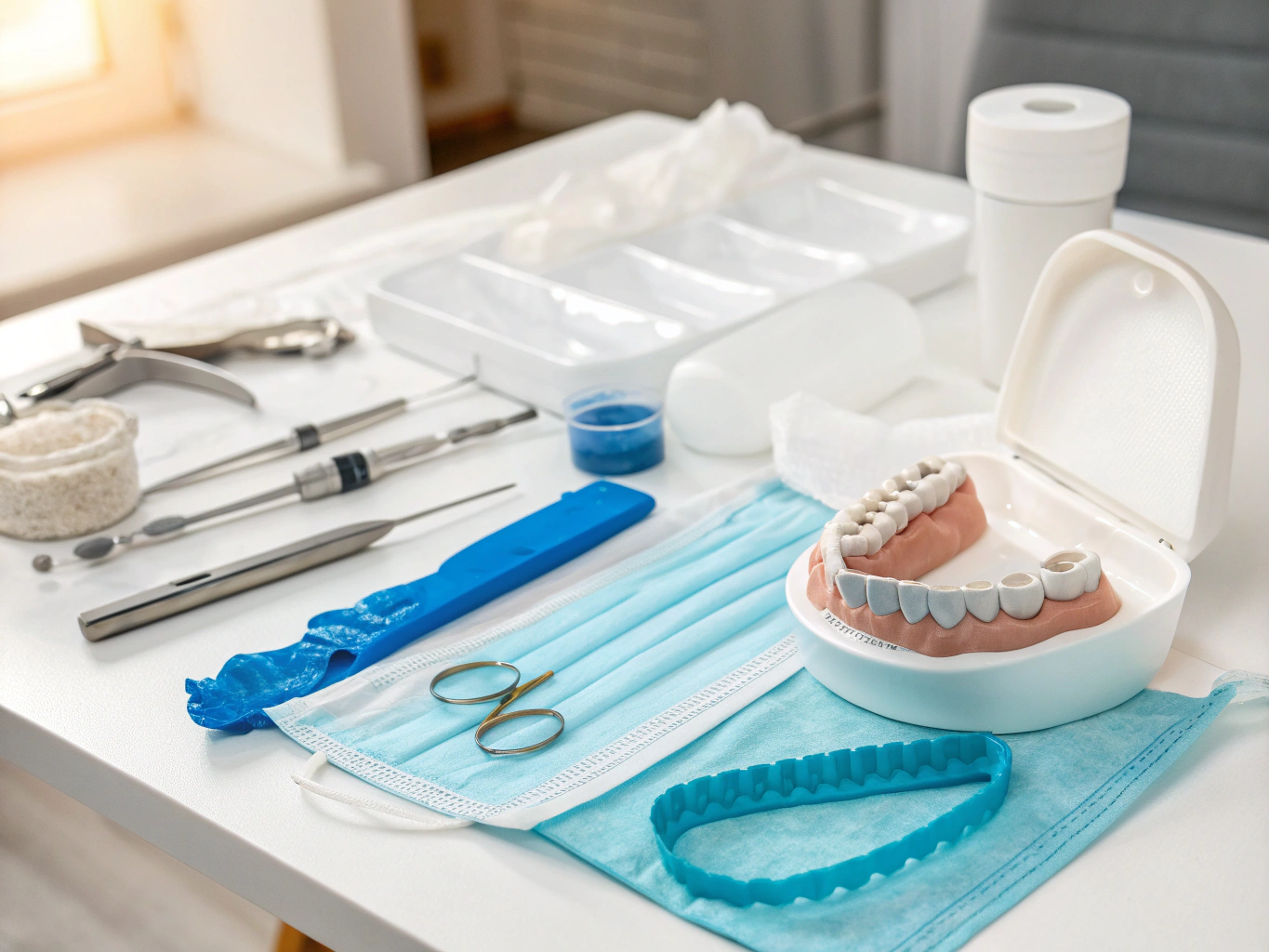
Emergency dental clinics offer comprehensive stabilization techniques tailored to specific types of dental trauma. These specialized procedures go far beyond basic pain management, providing definitive treatment that preserves teeth and prevents complications. Professional stabilization combines immediate intervention with long-term treatment planning.
Each stabilization technique addresses specific injury patterns and damage severity levels.
1. Splinting for Loose or Displaced Teeth
Flexible splints secure injured teeth to adjacent stable teeth using composite resin and wire. This technique allows natural healing while preventing further displacement during the critical recovery period.
2. Emergency Root Canal Therapy
When trauma exposes or damages the tooth’s nerve, immediate root canal treatment prevents infection and saves the tooth. This procedure removes damaged nerve tissue and seals the tooth against bacterial invasion.
3. Fracture Repair and Bonding
Composite resin bonding restores chipped or fractured teeth immediately, protecting exposed surfaces and restoring function. More severe fractures may require temporary crowns until permanent restoration.
4. Tooth Reimplantation and Stabilization
Knocked-out teeth can often be successfully reimplanted when treatment occurs within 30 minutes. The tooth is cleaned, repositioned, and splinted in place to allow reattachment to surrounding tissues.
5. Infection Control and Antibiotic Therapy
Prophylactic antibiotics prevent infection in cases involving exposed pulp or contaminated wounds. Professional cleaning removes debris and bacteria that could compromise healing.
6. Pain Management and Anti-Inflammatory Treatment
Targeted pain relief combines local anesthesia for immediate comfort with prescribed medications for ongoing management. Anti-inflammatory drugs reduce swelling and promote healing.
7. Soft Tissue Repair
Lacerations to lips, gums, and cheeks require careful suturing to prevent scarring and ensure proper healing. Professional repair techniques minimize long-term cosmetic and functional issues.
These stabilization options work together to address all aspects of dental trauma, from immediate pain relief to long-term tooth preservation.
What to Bring and What to Expect During Your Emergency Dental Visit
Preparation for your emergency dental visit can streamline treatment and improve outcomes significantly. Knowing what to bring and understanding the treatment process reduces anxiety during an already stressful situation. Emergency dental clinics are equipped to handle walk-ins, but having the right information and materials speeds up care.
Your visit will follow a structured approach designed to address pain first, then stabilize the injury.
Essential Items to Bring
- Government-issued photo identification
- Insurance cards (dental and medical if available)
- Complete list of current medications and known allergies
- Any tooth fragments or dental appliances that were damaged
- Recent dental X-rays or records if available
- Contact information for your regular dentist
What to Expect During Treatment
Your emergency visit begins with rapid triage to assess pain level and injury severity. The dental team will take your vital signs and gather essential medical history before beginning examination. Digital X-rays help identify hidden fractures, root damage, and bone involvement that aren’t visible clinically.
Pain control comes first through local anesthesia and appropriate medications. Once you’re comfortable, the dentist performs a thorough examination of the injured area and surrounding tissues. Treatment options are explained clearly, including immediate stabilization needs and follow-up care requirements.
Insurance and Payment Options
Most dental insurance plans cover emergency treatment, though coverage varies by specific procedures. We accept most dental insurance plans and provide upfront cost estimates whenever possible. For patients without insurance, we offer financing options for qualified applicants and accept cash and all major credit cards.
Special Considerations for Children
Pediatric dental trauma requires modified approaches to keep young patients calm and comfortable. Parents can remain with children during most procedures, and we use child-friendly explanations to reduce anxiety. Primary teeth may be treated differently than permanent teeth, depending on the child’s age and specific circumstances.
At Emergency Dental San Francisco, we understand that dental trauma creates stress for the entire family, which is why our team focuses on clear communication and gentle, efficient care that gets you back to normal as quickly as possible.
Get Fast Stabilization at Emergency Dental San Francisco
Emergency Dental San Francisco provides immediate trauma stabilization with the expertise and equipment needed for optimal outcomes. Our 24/7 availability ensures that dental injuries receive prompt attention regardless of when they occur. Walk-in patients are welcome, and same-day appointments can be scheduled by calling 415-230-2783 or booking online.
Our trauma care approach prioritizes rapid pain relief followed by comprehensive stabilization techniques that preserve teeth and prevent complications. We serve San Francisco and the greater Bay Area, including South San Francisco, Alameda, Berkeley, Daly City, Fremont, Oakland, and San Leandro, making professional dental trauma care accessible throughout the region.
The clinic follows strict CDC and OSHA infection-control standards with modern sterilization protocols and licensed professionals using state-of-the-art equipment. Our gentle approach works for both adults and children, providing the specialized care that dental trauma demands. From knocked-out teeth requiring immediate reimplantation to complex fractures needing stabilization, our team delivers the urgent intervention that can save your smile.
Conclusion
Dental trauma requires immediate professional stabilization to prevent permanent damage and preserve your natural teeth. Emergency dental clinics provide the specialized expertise that can make the difference between successful treatment and tooth loss. Quick action in those critical first minutes, combined with professional emergency care, offers the best chance for complete recovery from dental injuries.
Emergency Dental San Francisco provides fast stabilization for dental trauma with same-day emergency care. Our licensed clinicians prioritize immediate pain relief and clear treatment plans. Learn more about our urgent dental services.
FAQs
What Is Considered a Dental Trauma Emergency?
Dental trauma includes any sudden injury to the teeth, gums, jaw, or mouth caused by accidents, falls, sports injuries, or biting hard objects. Knocked-out teeth, cracked or broken teeth, severe tooth pain, bleeding gums, jaw injuries, and facial swelling are all considered dental emergencies that require immediate stabilization to prevent infection or permanent damage.
How Fast Should I See a Dentist After Dental Trauma?
You should see an emergency dentist as soon as possible—ideally within 30–60 minutes after the injury. Fast stabilization significantly improves the chances of saving the tooth, controlling pain, stopping bleeding, and preventing complications such as abscesses or nerve damage.
What Does Stabilization Mean in Dental Trauma Treatment?
Stabilization focuses on immediate care to control pain, stop bleeding, prevent infection, and protect injured teeth or tissues. This may include splinting loose teeth, placing temporary fillings or crowns, managing swelling, prescribing antibiotics, and securing damaged areas until definitive treatment can be completed.
Can a Knocked-Out or Broken Tooth Be Saved?
In many cases, yes—especially with quick action. A knocked-out tooth has the best chance of being saved if treated within an hour. Emergency dental clinics specialize in fast stabilization techniques such as reimplantation, bonding, or temporary restoration to preserve the tooth whenever possible.
Where Can I Get Emergency Dental Trauma Care in San Francisco?
Emergency Dental San Francisco provides 24/7 urgent dental care for dental trauma, including nights, weekends, and holidays. The clinic offers same-day stabilization, accepts walk-ins, treats adults and children, and focuses on rapid pain relief and protecting teeth after accidents or injuries.

Emergency Dental San Francisco is a dental office focused on providing same-day dental appointments to patients in San Francisco and the surrounding area. We provide urgent dental care services during weekends, evenings and holidays.
We accept several forms of payment and have financing options available to those who qualify. We accept most dental insurance.