


27 Nov What to Expect During Emergency Dental Treatment for an Abscess or Infection
A throbbing tooth abscess can turn your world upside down in hours. The relentless pain, facial swelling, and fever leave many patients wondering what will happen when they finally seek emergency dental treatment for their infection.
This guide walks you through exactly what to expect during emergency dental treatment for an abscess or infection, from the moment you call until you leave with relief. You’ll learn about the step-by-step process, realistic recovery timelines, and why prompt treatment protects both your tooth and your health.
Key Takeaways
- severe tooth pain with swelling and fever requires immediate emergency dental treatment to prevent serious complications.
- Emergency treatment typically involves examination, X-rays, drainage, antibiotics, and either root canal therapy or extraction.
- Pain relief often begins within hours of treatment, though complete healing takes several days to weeks.
- Delaying treatment for dental abscesses increases risks of infection spread and tooth loss.
- Same-day emergency appointments are available 24/7 with flexible payment options and insurance acceptance.
When dental pain becomes unbearable and swelling appears, understanding the treatment process helps reduce anxiety about seeking care.
When Tooth Abscess Pain Becomes Too Serious to Ignore

Dental abscesses create unmistakable symptoms that demand immediate attention. The pain often starts as a dull ache but quickly escalates to a constant, throbbing sensation that keeps you awake at night. Swelling around the affected tooth, jaw, or even your entire face signals that infection is spreading beyond the tooth root.
You might notice a persistent bad taste in your mouth or see pus drainage around the gum line. Fever and general malaise indicate your body is fighting a serious infection that won’t resolve on its own.
These warning signs mean the infection has progressed beyond what home remedies can address:
- Severe, constant tooth pain that worsens when lying down
- Facial swelling that affects your ability to open your mouth or swallow
- Fever above 101°F accompanied by dental pain
- Swollen lymph nodes in your neck or jaw area
- Pus discharge with a foul taste or odor
- Difficulty sleeping due to intensifying pain
A dental infection emergency dentist should evaluate these symptoms within hours, not days. The bacteria causing your abscess can spread to surrounding tissues, your jawbone, or even your bloodstream without proper treatment.
Emergency Dental Treatment for Abscesses and Infections: What Really Happens
Walking into an emergency dental office with severe tooth infection treatment needs can feel overwhelming. The good news is that emergency dentists follow a systematic approach designed to get you out of pain as quickly and safely as possible. Most patients experience significant relief within the first hour of treatment.
The treatment process unfolds in predictable stages that prioritize your comfort and safety. Here’s exactly what happens during your emergency visit:
1. Immediate Triage and Pain Assessment
Your emergency dentist begins by evaluating your pain level and vital signs. They’ll ask about symptom duration, pain triggers, and any medications you’ve taken. This quick assessment helps determine treatment urgency and appropriate pain management strategies.
2. Comprehensive Examination and Medical History
The dentist examines your affected tooth and surrounding tissues while reviewing your medical history and current medications. They’ll check for swelling patterns, test tooth sensitivity, and assess your ability to open your mouth normally. This examination identifies the infection source and potential complications.
3. Digital X-Rays for Precise Diagnosis
X-rays reveal the extent of infection around your tooth root and any bone involvement. These images help your dentist determine whether the tooth can be saved through root canal therapy or requires extraction. The X-ray process takes just minutes but provides crucial information for treatment planning.
4. Immediate Pain Relief and Local Anesthesia
Your dentist administers local anesthesia to numb the affected area completely. Many patients worry that infected tissue won’t numb properly, but modern anesthetic techniques work effectively even with active infections. You should feel significant pain relief within minutes of injection.
5. Abscess Drainage and Infection Control
If pus is present, your dentist creates a small incision to drain the infection. This drainage provides immediate pressure relief and removes infected material from the area. The procedure takes only a few minutes but often provides dramatic pain improvement.
6. Root Canal Treatment or Extraction Decision
Based on X-ray findings and tooth condition, your dentist will recommend either root canal therapy to save the tooth or extraction if the damage is too extensive. Root canals can often be started the same day, while extractions provide immediate infection source removal.
7. Antibiotic Prescription and Follow-Up Planning
Most patients receive antibiotic prescriptions to help fight remaining infection, especially if fever is present. Your dentist provides detailed aftercare instructions and schedules follow-up appointments to monitor healing progress.
At Emergency Dental San Francisco, we prioritize getting patients comfortable quickly while explaining each step clearly. Our same-day emergency appointments ensure you don’t have to endure pain while waiting for treatment.
How Fast You Can Expect Pain and Swelling to Improve
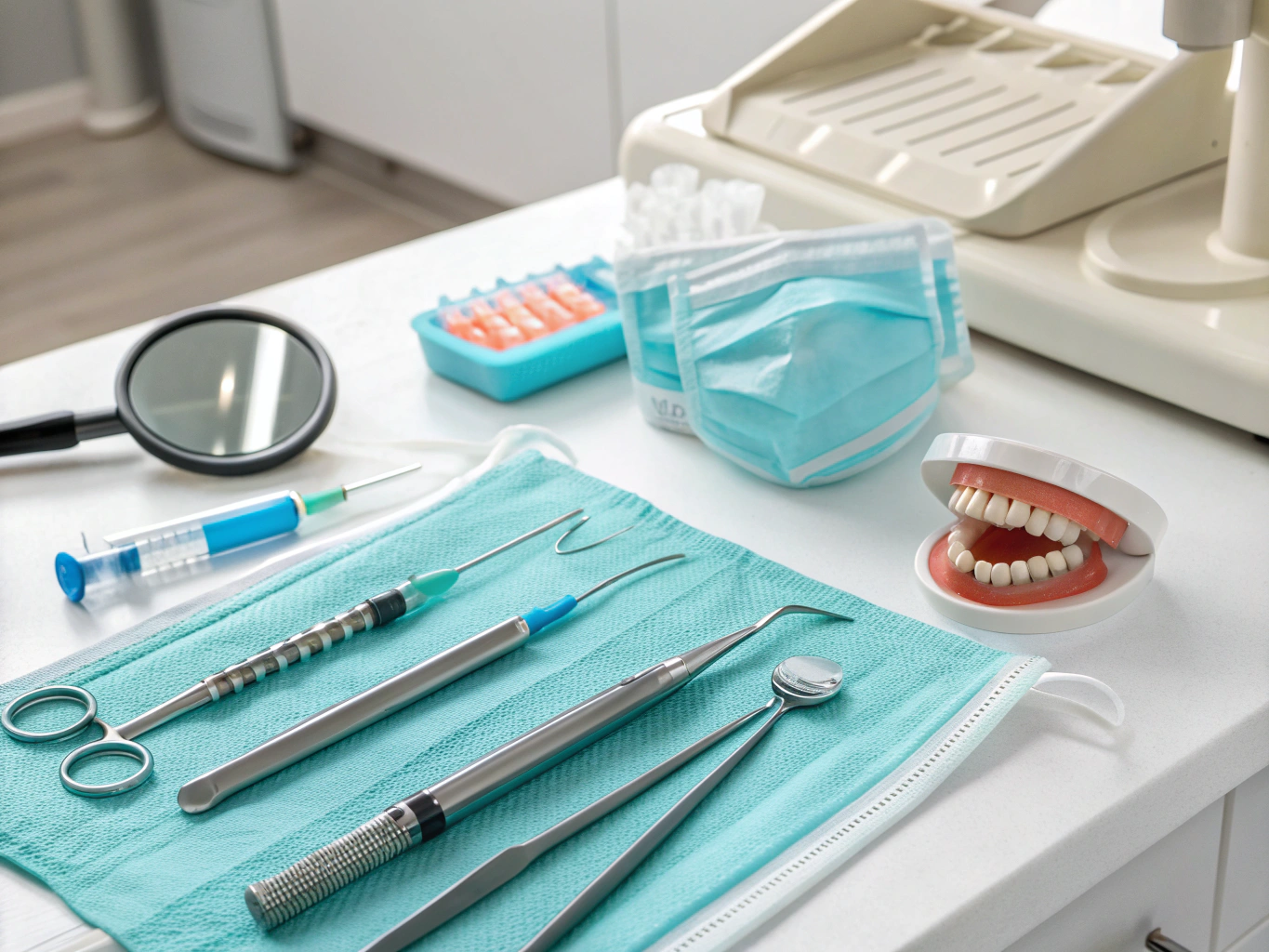
Understanding realistic recovery timelines helps manage expectations after emergency treatment for tooth abscess. Most patients experience some immediate relief, but complete healing follows a predictable pattern. The severity of your original infection and chosen treatment method influence your recovery speed.
Pain improvement typically occurs in stages rather than disappearing instantly. Swelling may actually increase slightly in the first 24 hours before beginning to subside.
| Time Frame | Expected Improvement | What to Watch For |
|---|---|---|
| First 2-4 Hours | Significant pain reduction, pressure relief from drainage | Take prescribed pain medication as directed |
| 24-48 Hours | Continued pain decrease, swelling may peak then reduce | Apply cold compress, avoid hard foods |
| 3-5 Days | Major improvement in pain and swelling | Continue antibiotics, gentle oral hygiene |
| 1-2 Weeks | Near-normal comfort, residual tenderness only | Follow-up appointment for healing assessment |
Several factors support faster healing and comfort during recovery:
- Take prescribed antibiotics exactly as directed, even if you feel better
- Use ice packs for 15-20 minutes at a time to reduce swelling
- Sleep with your head elevated to minimize overnight swelling
- Stick to soft foods and lukewarm beverages for the first few days
- Rinse gently with warm salt water after meals
- Avoid smoking, which significantly slows healing
Contact your emergency dentist immediately if pain worsens after initial improvement, fever returns, or swelling spreads to your neck or throat area.
Why Delaying Treatment for a Dental Abscess Is So Risky
Dental infections don’t resolve on their own and consistently worsen without professional treatment. What starts as localized tooth pain can progress to life-threatening complications within days or weeks. The bacteria causing your abscess actively multiply and seek new areas to invade.
Understanding these risks helps explain why emergency dentists emphasize prompt treatment for abscessed tooth pain relief fast. Early intervention prevents complications and often saves teeth that might otherwise require extraction. Untreated dental abscesses can lead to several serious complications:
1. Cellulitis and Facial Swelling
Infection spreads to soft tissues in your face and neck, causing widespread swelling and difficulty swallowing. This condition requires immediate medical attention and can affect your airway.
2. Osteomyelitis (Bone Infection)
Bacteria invade your jawbone, creating a chronic infection that’s difficult to treat and may require surgical intervention. Bone infections can lead to permanent jaw damage and tooth loss.
3. Sepsis and Systemic Infection
In rare but serious cases, dental infections enter your bloodstream and spread throughout your body. This life-threatening condition requires emergency hospital treatment.
4. Sinus Tract Formation
Your body creates drainage pathways through your gums or even facial skin. While this may temporarily relieve pressure, it indicates chronic infection that needs professional treatment.
5. Increased Treatment Complexity and Cost
Delayed treatment often means more extensive procedures, longer recovery times, and higher costs. A tooth that could have been saved with early root canal therapy might require extraction and replacement.
Emergency dentist for swollen face situations become more common when initial symptoms are ignored, making treatment more complex and uncomfortable.
Why Emergency Dental San Francisco Is the Right Place When Your Tooth Infection Can’t Wait

When severe tooth infection treatment same day becomes necessary, choosing the right emergency dental provider makes all the difference in your experience and outcome. Emergency Dental San Francisco specializes in urgent dental infections, offering 24/7 availability and same-day treatment for patients throughout the Bay Area. Our team understands that dental emergencies don’t follow business hours.
We’ve designed our practice specifically for anxious patients who need immediate relief from dental infections and abscesses. Our streamlined approach focuses on rapid pain control while maintaining the highest standards of clinical care. Here’s what sets our emergency dental care apart for infection treatment:
- 24/7 Availability: Call 415-230-2783 any time, day or night, weekends and holidays included
- Same-Day Treatment: Most abscess and infection cases receive complete treatment during the first visit
- Walk-In Welcome: No appointment necessary when you’re in severe pain
- Infection Specialists: Our clinicians have extensive experience with dental emergencies and complex infections
- Advanced Pain Management: Multiple anesthesia techniques ensure your comfort during treatment
- On-Site X-Ray Technology: Immediate digital imaging for accurate diagnosis
Our service area covers San Francisco and surrounding Bay Area communities, including South San Francisco, Alameda, Berkeley, Daly City, Fremont, Oakland, and San Leandro. We understand Bay Area living and the challenges of finding emergency dental care in our busy region.
Cost concerns shouldn’t delay your treatment for dental infections. We accept most dental insurance plans and offer financing options for qualified patients. For those without insurance, we accept cash and all major credit cards while working to keep emergency care accessible and affordable.
To streamline your emergency visit, arrive about 15 minutes early with your government ID, insurance card if available, current medication list, and any recent dental records. Our HIPAA-compliant practice follows strict CDC and OSHA infection-control standards with modern sterilization protocols.
Conclusion
Emergency dental treatment for abscesses follows a predictable process designed for rapid pain relief and infection control. Prompt treatment prevents serious complications while often saving teeth that might otherwise be lost. Don’t let fear of the unknown keep you in pain when effective, compassionate care is available 24/7.
Emergency Dental San Francisco provides immediate abscess treatment with same-day appointments and after-hours care. Our licensed professionals prioritize pain relief first, then explain your treatment options clearly. Learn more about ending your dental emergency today.
FAQs
Is A Tooth Abscess Considered A Dental Emergency?
Yes, a tooth abscess is considered a dental emergency. It can lead to severe pain, swelling, and potentially serious health complications if left untreated. Seeking immediate care at our practice ensures you receive prompt relief and appropriate treatment.
What Will An Emergency Dentist Do For A Tooth Infection On The First Visit?
During your first visit, our emergency dentist will conduct a thorough examination, likely including imaging, to assess the extent of the infection. We will prioritize pain relief and may drain the abscess, prescribe antibiotics, and discuss treatment options tailored to your needs.
How Long Does It Take For Pain To Go Away After Emergency Abscess Treatment?
Most patients experience significant pain relief shortly after treatment. However, complete recovery may take a few days, depending on the severity of the abscess and the treatment provided. Our team will guide you on pain management and follow-up care.
Can Antibiotics Alone Cure A Dental Abscess Without Seeing A Dentist?
No, antibiotics alone cannot cure a dental abscess. While they can help manage infection, professional dental treatment is essential to address the underlying cause, such as draining the abscess or performing a root canal.
What Happens If I Delay Emergency Dental Treatment For An Abscess Or Swelling?
Delaying treatment for an abscess can lead to worsening pain, increased infection, and potential complications such as tooth loss or systemic health issues. Our urgent-care practice is here to provide fast relief and prevent further complications.

Emergency Dental San Francisco is a dental office focused on providing same-day dental appointments to patients in San Francisco and the surrounding area. We provide urgent dental care services during weekends, evenings and holidays.
We accept several forms of payment and have financing options available to those who qualify. We accept most dental insurance.