


26 Feb What to Do for a Dental Emergency While Waiting for Your Appointment
dental emergencies strike without warning, often causing intense pain and anxiety when professional help isn’t immediately available. Knowing what to do during those critical moments before reaching a 24-hour dental clinic can mean the difference between saving and losing a tooth. Taking the right immediate actions helps manage pain, prevent further damage, and preserve your oral health until you receive professional treatment.
This guide provides clear, step-by-step instructions for handling common dental emergencies while waiting for your appointment. You’ll learn essential first aid techniques, pain management strategies, and when to seek immediate professional care from emergency dental services.
Key Takeaways
- Act quickly within the first 30 minutes for knocked-out teeth to maximize chances of successful reimplantation.
- Use cold compresses and saltwater rinses to safely manage pain and swelling at home.
- Never place aspirin directly on gums or attempt to extract loose teeth yourself.
- Save any broken tooth fragments and keep them moist for potential restoration.
- Contact a 24-hour dental emergency service immediately for severe pain, swelling with fever, or uncontrolled bleeding.
- Gather your insurance information, medication list, and recent dental records before your appointment.
Immediate Steps for What to Do for a Dental Emergency
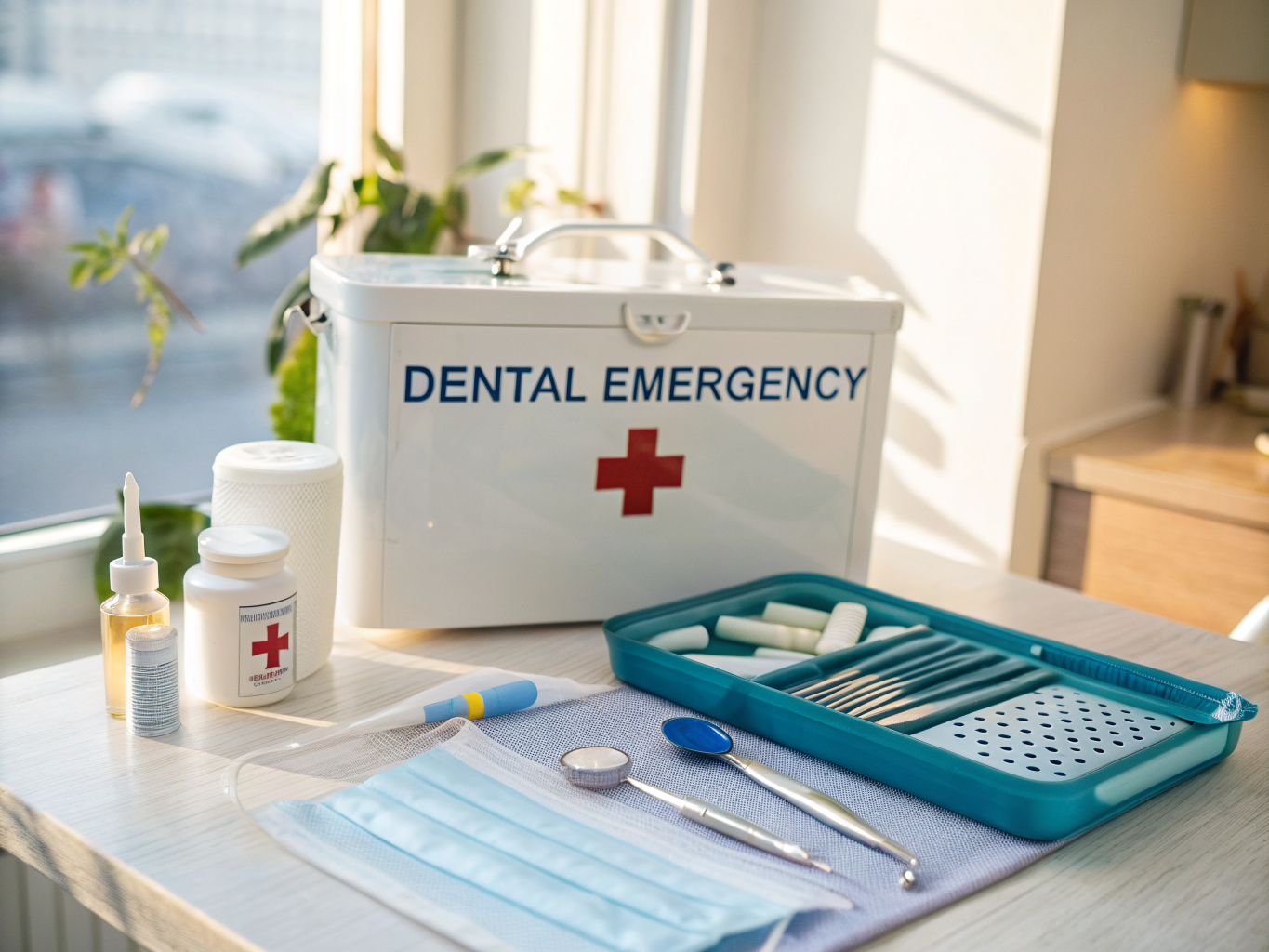
The first moments after a dental emergency determine how successfully your tooth can be saved. Your immediate response should focus on controlling pain, stopping bleeding, and preserving any damaged tooth structure. Time becomes your most valuable asset, especially with traumatic injuries like knocked-out teeth.
1. Assess the Severity of Your Dental Emergency
Determine whether you’re dealing with severe pain, visible damage, bleeding, or swelling. Life-threatening symptoms like difficulty breathing, swallowing, or facial swelling require immediate emergency room attention rather than waiting for dental care.
2. Control Bleeding and Pain
Apply gentle pressure with clean gauze to stop bleeding from injured gums or soft tissue. Use a cold compress on the outside of your cheek for 15-20 minutes to reduce swelling and naturally numb pain.
3. Preserve Damaged Tooth Material
Collect any broken tooth fragments, crowns, or fillings that have fallen out. Keep them moist in milk, saliva, or a tooth preservation solution until you reach professional care.
4. Clean the Affected Area Gently
Rinse your mouth with warm salt water to remove debris and bacteria. Avoid aggressive rinsing, as it may dislodge blood clots or worsen bleeding.
5. Take Over-the-Counter Pain Relief
Ibuprofen is most effective for dental pain because it reduces both inflammation and pain. Follow package directions and never exceed recommended dosages while waiting for professional treatment.
6. Contact Emergency Dental Services
Call your emergency dentist immediately to describe your symptoms and arrange urgent care. Many dental groups now offer 24-hour phone consultations to guide your immediate care decisions.
Emergency Dental San Francisco provides same-day appointments and 24-hour availability precisely because dental emergencies can’t wait. Call 415-230-2783 immediately while taking these initial steps.
Managing Specific Types of Dental Emergencies

Different dental emergencies require specific immediate care approaches to prevent complications and preserve your oral health. Understanding the proper response for each situation helps you take effective action while professional help is on the way. Some emergencies demand more urgent attention than others, particularly those involving infection or trauma.
Unlike heritage dental practices with limited hours, modern emergency dental services recognize that urgent situations don’t follow business schedules.
Knocked-Out Tooth (Avulsed Tooth)
Handle the tooth by its crown only, never touching the root surface. Gently rinse off dirt with water, but don’t scrub or remove attached tissue fragments.
Try to reinsert the tooth into its socket, if possible, and bite gently on gauze to hold it in place. If reinsertion isn’t possible, keep the tooth moist in milk or between your cheek and gum while seeking immediate dental care.
Severe Toothache
Rinse with warm salt water, then gently floss to remove trapped food particles. Apply a cold compress to the outside of your cheek, never placing aspirin directly on the gum tissue.
Persistent, throbbing pain often indicates infection requiring antibiotic treatment along with dental procedures like root canal therapy.
Broken or Chipped Tooth
Save any broken pieces and rinse them with warm water. Cover sharp edges with dental wax or sugarless gum to prevent cuts to your tongue and cheeks.
Avoid chewing on the affected side and stick to soft foods until professional repair is complete.
Lost Crown or Filling
Keep the crown or filling if you can find it, as it might be reusable. Clean the affected tooth gently, then apply clove oil to the exposed areas for temporary pain relief.
Temporary dental cement from pharmacies can provide short-term protection, but professional replacement remains essential.
Abscess or Facial Swelling
Rinse with salt water several times daily to help draw out infection. Apply cold compresses to reduce swelling, but seek immediate professional care if you have a fever or difficulty swallowing.
Dental abscesses can become life-threatening if infection spreads to the surrounding tissues or the bloodstream.
Pain Management Strategies While Waiting
Effective pain control helps you remain calm and functional while awaiting professional dental treatment. Safe, over-the-counter medications can provide significant relief when used correctly, but prescription pain management may be necessary for severe cases. Understanding which pain relief methods work best for dental emergencies helps you avoid choices that could worsen your condition.
Professional emergency dental services can prescribe stronger pain medications and provide palliative procedures (D9110) for immediate relief.
| Pain Level | Recommended Treatment | Duration | Additional Notes |
|---|---|---|---|
| Mild to Moderate | Ibuprofen 400-600mg | Every 6-8 hours | Best anti-inflammatory for dental pain |
| Moderate to Severe | Ibuprofen + Acetaminophen | Alternating every 3-4 hours | Safe combination for enhanced relief |
| Severe | Cold compress + medication | 15-20 minutes on/off | Numbs pain and reduces swelling |
| Infection-related | Professional care required | Immediate | Antibiotics may be necessary |
Natural Pain Relief Methods
Salt water rinses help reduce bacteria and inflammation while providing mild pain relief. Clove oil contains natural numbing properties, but use it sparingly as it can irritate sensitive tissues.
Cold compresses are more effective than heat for most dental emergencies, as heat can increase circulation and worsen throbbing pain.
What to Avoid During Pain Management
Never place aspirin directly on gums, as it can cause chemical burns to soft tissues. Avoid extremely hot or cold foods, as they can trigger additional pain in damaged teeth.
Alcohol-based mouthwashes may increase sensitivity and delay healing in injured oral tissues.
When to Seek Immediate Professional Care
Certain dental emergency symptoms require immediate professional intervention to prevent serious complications or permanent damage. Recognizing these warning signs helps you prioritize getting to emergency dental care rather than attempting home management. Some conditions can progress rapidly from manageable discomfort to life-threatening situations without prompt treatment.
Emergency Dental San Francisco operates 24/7 specifically because dental emergencies often escalate quickly and cannot wait for regular business hours.
Signs Requiring Immediate Dental Emergency Care
Facial swelling that affects your eye or extends down your neck indicates a serious infection requiring immediate antibiotic treatment. Fever accompanying dental pain suggests systemic infection that could spread to other body systems.
Uncontrolled bleeding that doesn’t stop with direct pressure needs professional evaluation and possibly suturing or other interventions.
Symptoms Warranting Emergency Room Visits
Difficulty breathing, swallowing, or opening your mouth indicates potential airway compromise requiring emergency medical attention. Suspected facial fractures from trauma need immediate imaging and medical evaluation.
High fever (over 101°F) with facial swelling suggests serious infection requiring IV antibiotics and monitoring.
Time-Sensitive Dental Emergencies
Knocked-out permanent teeth have the best chance of successful reimplantation when treated within 30 minutes of injury. Partially dislodged teeth may die if not stabilized promptly by dental professionals.
Unlike some heritage dental approaches that delay treatment, modern emergency protocols emphasize immediate intervention for optimal outcomes.
Preparing for Your Emergency Dental Appointment
Proper preparation streamlines your emergency dental visit and ensures you receive the most effective treatment possible. Gathering essential information and materials beforehand saves valuable time during your appointment and helps your dentist make accurate diagnoses. Being organized during a dental emergency reduces stress and allows you to focus on receiving care.
Many patients seeking dental treatment abroad through services like Helvetic Clinics discover that emergency preparation skills prove valuable regardless of location.
Essential Items to Bring
Government-issued photo identification and your current insurance card facilitate quick check-in and benefit verification. A complete list of medications, allergies, and medical conditions helps prevent dangerous drug interactions.
Recent dental X-rays or treatment records provide valuable baseline information for emergency diagnosis and treatment planning.
Information to Provide
Describe your pain level on a scale of 1-10 and note what triggers or relieves your symptoms. Document when the emergency began and any trauma or activities that preceded your symptoms.
List any home treatments you’ve already tried and their effectiveness in managing your condition.
Financial Preparation
Contact your insurance provider to understand emergency dental coverage and any pre-authorization requirements. Many dental groups accept payment plans or financing options for patients without adequate insurance coverage.
Emergency procedures such as extractions (D7140) or root canal therapy may incur significant out-of-pocket expenses, depending on your coverage.
Transportation and Timing
Arrange reliable transportation, especially if you’ll receive sedation or strong pain medications during treatment. Plan to arrive 15 minutes early to complete necessary paperwork without rushing.
Consider having someone accompany you for support and to help remember post-treatment instructions.
Post-Emergency Care Instructions
Following proper aftercare instructions prevents complications and promotes healing after emergency dental treatment. Your recovery depends largely on how well you follow professional recommendations and recognize warning signs of problems. Most emergency dental procedures require specific care protocols to ensure successful outcomes and prevent reinjury.
Professional emergency dental services provide detailed written instructions because verbal information can be forgotten during stressful situations.
Immediate Post-Treatment Care
Bite gently on gauze for 30-45 minutes after extractions to promote blood clot formation. Avoid spitting, rinsing vigorously, or using straws for 24 hours to prevent dislodging protective blood clots.
Take prescribed medications exactly as directed, completing full antibiotic courses even if symptoms improve.
Diet and Activity Restrictions
Stick to soft, cool foods for the first 24-48 hours after treatment to avoid irritating healing tissues. Avoid alcohol, tobacco, and carbonated beverages that can interfere with healing processes.
Limit physical activity for the first day to minimize bleeding and swelling at treatment sites.
Warning Signs to Watch For
Increasing pain, swelling, or fever after the first 2-3 days may indicate infection or other complications. Excessive bleeding that doesn’t respond to pressure requires immediate professional evaluation.
Contact your emergency dental provider immediately if you experience severe pain that doesn’t respond to prescribed medications.
Conclusion
Quick action during dental emergencies can save teeth and prevent serious complications. Professional emergency dental care provides the expertise and tools necessary for optimal outcomes. Call 415-230-2783 immediately for prompt, compassionate treatment during dental emergencies.
Emergency Dental San Francisco provides same-day emergency care when dental pain strikes unexpectedly. Our experienced team offers immediate relief and clear guidance for urgent situations. Learn more about fast, compassionate dental emergency services.
FAQs
What Qualifies as a Dental Emergency?
A dental emergency is any mouth problem that needs prompt care to stop severe pain, control bleeding, prevent infection, or save a tooth—such as a bad toothache, facial swelling, abscess, knocked-out or broken tooth, uncontrolled bleeding, or jaw injury. If you’re unsure, call Emergency Dental San Francisco at 415-230-2783 for guidance and same-day options.
What Should I Do If I Have a Toothache and Can’t See a Dentist Right Away?
Rinse with warm salt water, gently floss to remove trapped debris, and use a cold compress on the cheek in 10–15 minute intervals. Take OTC pain relief only as directed (avoid placing aspirin on the gum), and call us so we can help you get fast, safe relief and rule out infection.
What Should I Do If I Knock Out a Tooth?
Pick up the tooth by the crown (not the root), rinse briefly with water if dirty, and try to place it back in the socket. If you can’t, store it in milk or saliva, apply gentle pressure with gauze if bleeding, and get urgent care immediately—timing matters most in the first 30–60 minutes.
How Do I Stop Bleeding From My Mouth or Gums?
Apply firm, steady pressure with clean gauze or a damp tea bag for 15–20 minutes without checking repeatedly, and keep your head elevated. Avoid rinsing vigorously, spitting, smoking, or using straws. If bleeding is heavy, doesn’t slow, or you feel dizzy or weak, seek urgent care right away.
Should I Go to the ER for a Dental Emergency?
Go to the ER for trouble breathing or swallowing, rapidly spreading facial/neck swelling, uncontrolled bleeding, high fever with severe swelling, or major trauma. For most urgent dental problems (toothaches, abscesses, broken teeth, knocked-out teeth), an emergency dentist is usually the fastest way to get definitive treatment—call Emergency Dental San Francisco at 415-230-2783 anytime.

Emergency Dental San Francisco is a dental office focused on providing same-day dental appointments to patients in San Francisco and the surrounding area. We provide urgent dental care services during weekends, evenings and holidays.
We accept several forms of payment and have financing options available to those who qualify. We accept most dental insurance.