
24 Mar Is a Cracked Tooth a Dental Emergency?
A cracked tooth can happen at any moment—biting down on ice, grinding your teeth at night, or even chewing something unexpectedly hard. The immediate question is whether this situation requires urgent dental care or can wait until a regular appointment. Understanding the difference between a minor crack and a serious dental emergency can save your tooth and prevent complications.
This guide will help you identify when a cracked tooth demands immediate attention, what symptoms to watch for, and the steps you should take to protect your oral health. You’ll also learn about treatment options and how to handle the situation as you seek professional care.
Key Takeaways
- Severe pain, bleeding, or visible pulp exposure makes a cracked tooth a dental emergency.
- Minor enamel chips without pain may not require immediate urgent care.
- The Ellis Classification system helps determine the severity of tooth fractures.
- Swelling, fever, or signs of infection require same-day dental treatment.
- Proper first aid can preserve the tooth until professional care is available.
- Emergency dental services provide 24/7 access for urgent tooth fracture cases.
Understanding When a Cracked Tooth Becomes a Dental Emergency
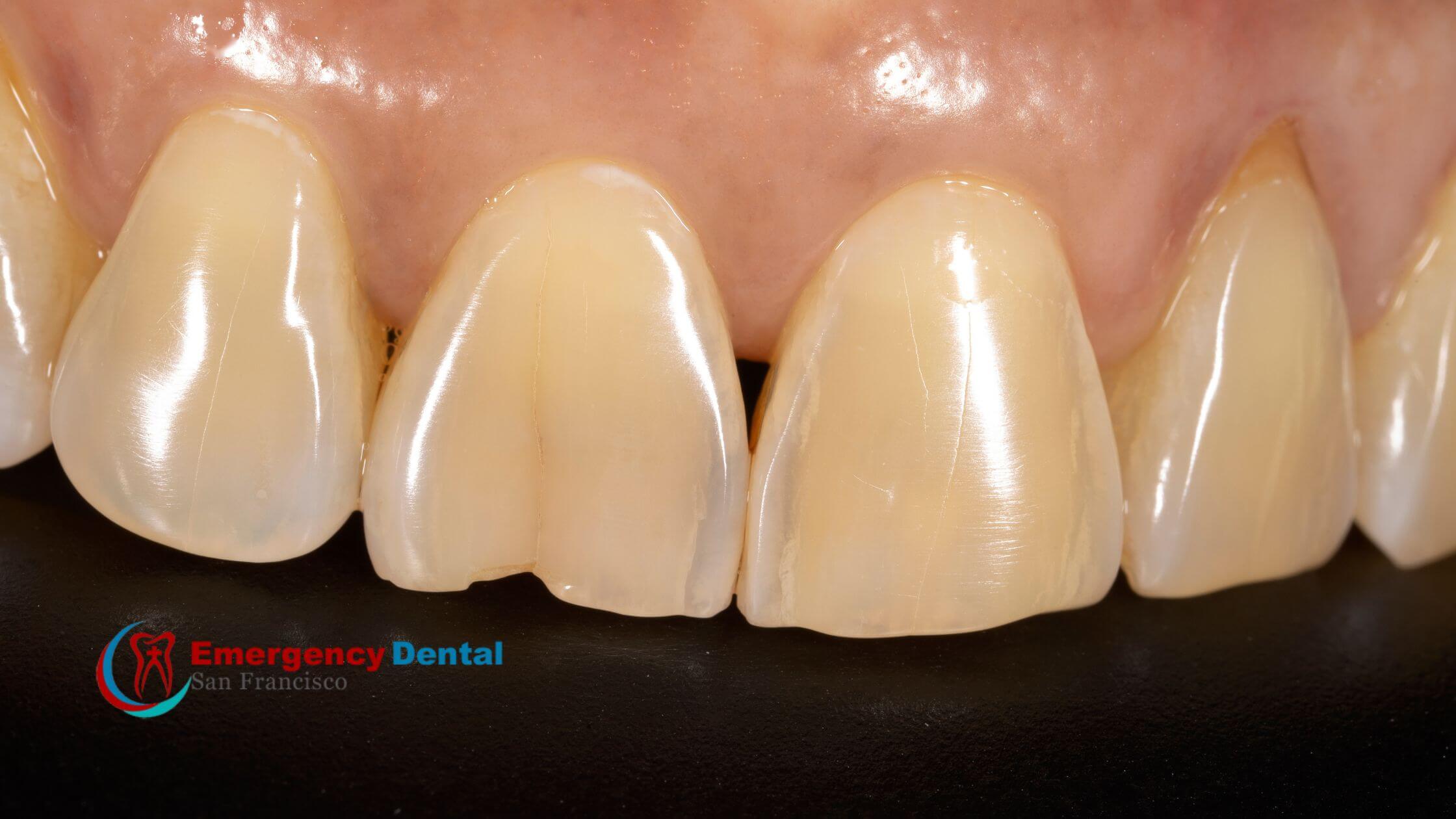
Not every cracked tooth qualifies as a dental emergency, but certain warning signs indicate you need immediate professional attention. The severity depends on how deep the crack extends and whether it affects the tooth’s nerve or pulp. Pain level, bleeding, and visible damage serve as primary indicators of urgency.
A cracked tooth with exposed pulp, severe pain, or signs of infection requires emergency treatment to prevent permanent damage. Minor surface cracks without symptoms may allow for scheduled appointments within 24-48 hours.
Emergency Dental San Francisco sees patients with cracked teeth daily and provides same-day assessment and treatment when time-sensitive care is needed. Our team evaluates each case using clinical guidelines to determine the appropriate level of urgency.
The Ellis Classification System for Dental Fractures
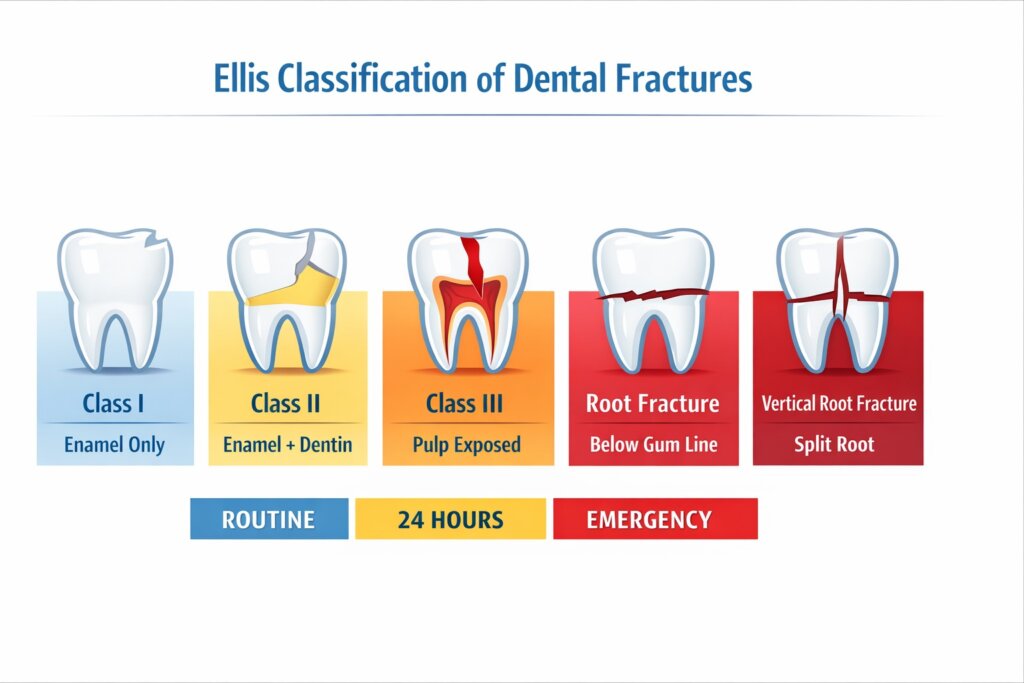
Dental professionals use the Ellis Classification system to categorize tooth fractures and determine treatment urgency. This system divides fractures into three classes based on which tooth structures are involved. Understanding these classifications helps patients recognize when immediate care is necessary.
1. Class I Fractures: Enamel Only
These fractures affect only the outer enamel layer and typically appear as small chips or rough edges. Most Class I fractures can be scheduled for elective follow-up care within a few days to weeks, depending on patient comfort and cosmetic concerns.
2. Class II Fractures: Enamel and Dentin
When the crack extends through the enamel into the dentin layer, patients often experience sensitivity to temperature and pressure. These fractures require the application of a protective sealant and dental follow-up within 24 hours to prevent further damage.
3. Class III Fractures: Pulp Exposure
The most serious classification involves exposure of the tooth’s pulp, often visible as a pink or red spot in the fracture. These cases require immediate sealant protection, possible antibiotic therapy, and urgent dental treatment within 24 hours to save the tooth.
4. Root Fractures: Below the Gum Line
Fractures extending into the tooth root present complex treatment challenges and may require extraction or specialized endodontic therapy. These cases always qualify as dental emergencies due to infection risk and structural instability.
5. Vertical Root Fractures: Complete Splits
Complete vertical fractures that split the tooth from crown to root typically cannot be saved and require immediate extraction. These fractures often cause severe pain and swelling, making emergency treatment necessary for patient comfort.
Each classification level corresponds to different treatment timelines and approaches. The deeper the fracture extends into the tooth, the more urgent the situation becomes.
Warning Signs That Require Immediate Emergency Care
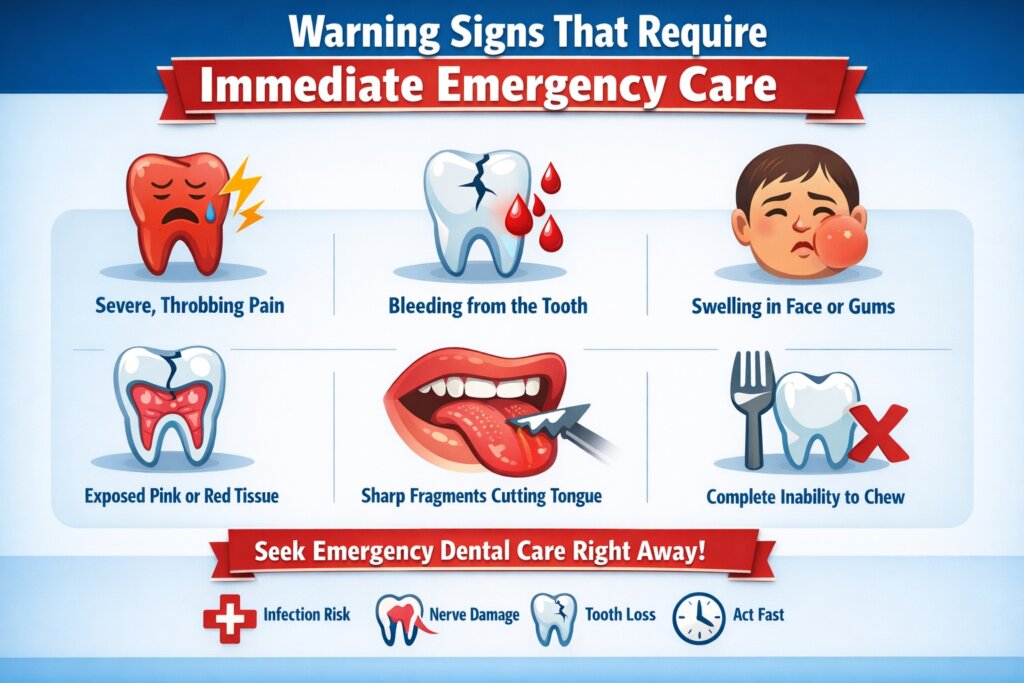
Certain symptoms accompanying a cracked tooth indicate you need emergency dental care right away. These warning signs suggest potential nerve damage, infection, or structural compromise that could lead to tooth loss. Recognizing these symptoms helps you make informed decisions about seeking urgent treatment.
1. Severe, Throbbing Pain
Intense pain that doesn’t respond to over-the-counter medication suggests nerve involvement or infection. This type of pain often worsens with pressure, temperature changes, or lying down, indicating the need for immediate professional evaluation.
2. Visible Bleeding from the Tooth
Active bleeding from a cracked tooth indicates damage to the pulp or surrounding tissues. Persistent bleeding that doesn’t stop with gentle pressure requires emergency assessment to prevent further complications and address the underlying cause.
3. Swelling in the Face or Gums
Facial swelling, especially when accompanied by fever, suggests a serious infection that could spread to other areas. This combination of symptoms requires immediate antibiotic therapy and emergency dental intervention to prevent systemic complications.
4. Exposed Pink or Red Tissue
Visible pulp tissue appearing as pink or red spots in the crack indicates nerve exposure to bacteria and contamination. This exposure creates high infection risk and requires emergency treatment to prevent irreversible nerve damage.
5. Sharp Fragments Cutting Your Tongue
Jagged tooth fragments that cut your tongue or cheek create additional injury risk and discomfort. These sharp edges need immediate smoothing or temporary covering to prevent soft tissue damage while awaiting definitive treatment.
6. Complete Inability to Chew
When a cracked tooth prevents normal chewing function or causes severe pain with any pressure, emergency care is necessary. This level of dysfunction often indicates extensive structural damage requiring immediate stabilization or extraction.
Emergency situations require prompt professional intervention to prevent complications and preserve oral health. Delaying treatment when these symptoms are present often leads to more extensive and expensive procedures.
Immediate Steps to Take with a Cracked Tooth Emergency
Taking the right first aid steps can protect your cracked tooth and reduce pain while you arrange emergency dental care. Proper immediate care may prevent further damage and improve treatment outcomes. These actions serve as temporary measures until professional treatment is available.
Quick response and appropriate first aid can make the difference between saving and losing a cracked tooth. Simple steps taken in the first hour after injury often determine long-term treatment success.
1. Rinse with Warm Salt Water
Gently rinse your mouth with warm salt water to clean the area and reduce bacteria around the crack. Use one teaspoon of salt in a cup of warm water, swishing carefully to avoid additional pressure on the damaged tooth.
2. Apply Cold Compress to Reduce Swelling
Place a cold compress on the outside of your cheek for 15-20 minutes at a time to control swelling and numb pain. Avoid applying ice directly to the tooth, which could cause additional sensitivity and discomfort.
3. Save Any Broken Tooth Fragments
Collect any pieces of the tooth that have broken off and store them in milk or saliva to keep them moist. Bring these fragments to your emergency dental appointment, as they may be useful for restoration procedures.
4. Take Over-the-Counter Pain Medication
Use ibuprofen or acetaminophen as directed on the package to manage pain and reduce inflammation. Avoid applying aspirin directly to the gums, as it can cause tissue irritation and doesn’t provide localized relief.
5. Protect the Tooth from Further Damage
Avoid chewing on the affected side and stick to soft foods until you receive professional treatment. Cover sharp edges with dental wax or sugar-free gum to prevent cuts to your tongue and cheeks.
6. Contact Emergency Dental Services Immediately
Call for same-day emergency dental care, especially if you experience severe pain, swelling, or visible pulp exposure. Many practices like ours provide 24/7 availability for urgent cases that cannot wait for regular business hours.
Treatment Options for Emergency Cracked Tooth Cases
Emergency treatment for cracked teeth varies depending on the extent of damage and which tooth structures are affected. Modern dental techniques offer several options to restore function and prevent further complications. The choice of treatment depends on crack depth, location, and overall tooth health.
Quick professional intervention often allows for conservative treatments that preserve natural tooth structure. Delayed treatment may limit options and require more extensive procedures like extraction and replacement.
1. Dental Bonding for Minor Cracks
Small cracks in the enamel can often be repaired with composite resin bonding during a single emergency visit. This treatment restores the tooth’s appearance, prevents the crack from spreading, and provides immediate relief from sensitivity.
2. Emergency Root Canal Therapy
When the crack extends to the pulp, emergency root canal treatment may save the tooth by removing infected tissue and sealing the canals. This procedure eliminates pain and infection while preserving the natural tooth structure for long-term function.
3. Temporary Crown Placement
Severely cracked teeth often require crown protection to prevent further fracturing during normal use. Emergency dental services can place temporary crowns to stabilize the tooth until a permanent restoration can be fabricated and fitted.
4. Emergency Tooth Extraction
Teeth with vertical root fractures or extensive damage that cannot be repaired may require immediate extraction to prevent the spread of infection. Emergency extraction relieves pain and eliminates the source of potential complications while preserving surrounding oral health.
5. Pain Management and Stabilization
In some cases, emergency treatment focuses on immediate pain relief and stabilization of the tooth until comprehensive treatment can be planned. This approach may include medication, temporary fillings, or protective splinting, depending on the specific situation.
Why Choose Same-Day Emergency Dental Care
Same-day emergency dental care provides immediate relief and prevents complications that can develop when cracked tooth treatment is delayed. Professional emergency services offer advanced diagnostic tools and treatment options not available through temporary home remedies. Quick intervention often means simpler, less expensive treatments.
Emergency Dental San Francisco provides 24/7 access to urgent dental care for cracked teeth and other dental emergencies throughout the Bay Area. Our team uses modern diagnostic equipment and follows strict sterilization protocols to ensure safe, effective treatment when you need it most.
We accept most dental insurance plans and offer financing options to make emergency care accessible and affordable. Patients can walk in or call 415-230-2783 for immediate assistance, with same-day appointments available even on weekends and holidays.
When to Call Emergency Services vs. Regular Dental Care
Understanding the difference between urgent and non-urgent cracked tooth situations helps you make appropriate decisions about seeking care. True emergencies require immediate attention to prevent permanent damage or serious complications. Non-urgent cracks can be managed with first aid until regular dental appointments are available.
| Emergency Indicators | Non-Emergency Signs |
|---|---|
| Severe, constant pain | Mild sensitivity only |
| Visible pulp or bleeding | Small enamel chip |
| Facial swelling or fever | No swelling or systemic symptoms |
| Cannot chew or function | Normal chewing ability |
| Sharp fragments cutting tissue | Smooth edges, no tissue damage |
Pain severity, visible damage, and functional impairment are primary factors in determining the urgency level. When in doubt, it’s better to err on the side of caution and seek professional evaluation rather than risk complications from delayed treatment.
Conclusion
A cracked tooth becomes a dental emergency when accompanied by severe pain, visible pulp exposure, bleeding, or signs of infection. Quick professional evaluation and treatment prevent complications and often save teeth that might otherwise require extraction. Emergency Dental San Francisco provides 24/7 access to urgent care when you need it most.
Emergency Dental San Francisco provides same-day emergency care for cracked teeth and urgent dental pain. Our experienced team offers immediate relief with transparent treatment options. Learn more about protecting your smile today.
FAQs
Is a Cracked Tooth an Emergency?
A cracked tooth can be an emergency, especially if it causes severe pain, bleeding, swelling, or exposes the inner part of the tooth. Some small cracks may not need immediate treatment, but deeper cracks can worsen quickly and lead to infection or tooth loss. It is best to have a cracked tooth checked by a dentist as soon as possible.
When Should I Go to the ER for a Cracked Tooth?
You should go to the ER for a cracked tooth if you have facial swelling, uncontrolled bleeding, fever, difficulty breathing or swallowing, or a serious injury to the jaw or face. The ER can help with urgent medical complications, pain control, and infection concerns. For a cracked tooth without those severe symptoms, an emergency dentist is usually the better choice.
How Urgent Is a Cracked Tooth?
A cracked tooth should be treated as an urgent matter because even a small crack can deepen with chewing or pressure. The longer it is left untreated, the greater the risk of pain, infection, or permanent damage. Quick evaluation helps improve the chances of saving the tooth and avoiding more complex treatment.
What Should I Do Immediately If I Crack a Tooth?
If you crack a tooth, rinse your mouth gently with warm water and avoid chewing on that side. If there is swelling, place a cold compress on the outside of your cheek, and take an over-the-counter pain reliever as directed if needed. Try to see a dentist quickly and avoid hard, crunchy, or very hot and cold foods until you are treated.
Can a Cracked Tooth Wait to Be Fixed?
A cracked tooth should not be left untreated for long because the damage can spread and become more painful over time. In some cases, a minor crack may seem manageable at first, but it can still weaken the tooth and increase the risk of infection. Prompt dental care is the safest way to protect the tooth and prevent the problem from getting worse.

Emergency Dental San Francisco is a dental office focused on providing same-day dental appointments to patients in San Francisco and the surrounding area. We provide urgent dental care services during weekends, evenings and holidays.
We accept several forms of payment and have financing options available to those who qualify. We accept most dental insurance.