

24 Feb How Walk In Emergency Dental Clinics Handle After-Hours Emergencies
Walk in emergency dental clinics transform urgent oral care by providing immediate access to professional treatment during evenings, weekends, and holidays when traditional dental offices remain closed. These specialized facilities operate with dedicated staff, advanced equipment, and streamlined protocols designed to handle dental emergencies ranging from severe toothaches and abscesses to knocked-out teeth and facial trauma. Emergency Dental San Francisco exemplifies this model by offering 24/7 urgent care across the Bay Area, ensuring patients receive fast, compassionate relief without the long waits and limited treatment options typical of hospital emergency departments.
This comprehensive guide explores the operational framework of walk-in emergency dental clinics during after-hours periods, detailing how these facilities maintain clinical excellence while providing accessible, immediate care. You’ll discover the triage systems, staffing models, equipment requirements, and patient management strategies that enable these clinics to deliver professional dental treatment around the clock.
Key Takeaways
- Walk-in emergency dental clinics operate 24/7 with specialized triage systems to prioritize urgent cases.
- These facilities maintain full clinical capabilities, including X-ray equipment, surgical tools, and pharmacy access during after-hours.
- Dedicated emergency dental teams use streamlined protocols to provide same-day treatment for most urgent conditions.
- After-hours emergency dental care saves patients time and money compared to hospital emergency department visits.
- Modern walk-in dental clinics accept insurance and offer financing options to ensure accessible care at any time.
How Walk-In Emergency Dental Clinics Operate During After-Hours
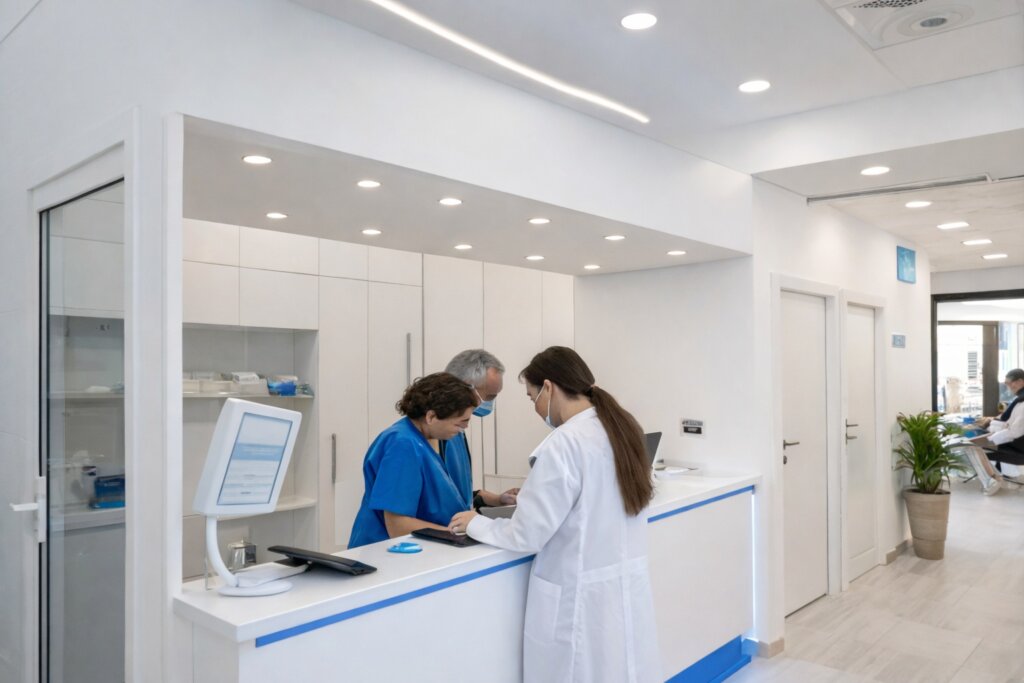
Walk-in emergency dental clinics maintain continuous operations through carefully structured systems that mirror hospital emergency departments while focusing specifically on oral health emergencies. These facilities staff licensed dentists, dental hygienists, and support personnel around the clock to handle urgent cases that cannot wait for regular business hours. The operational model centers on immediate triage, rapid diagnosis, and prompt treatment delivery to minimize patient discomfort and prevent complications.
The after-hours framework requires specialized scheduling systems, emergency supply management, and communication protocols that ensure seamless care delivery. Most walk-in emergency dental clinics maintain dedicated phone lines for urgent consultations and utilize electronic health records that provide instant access to patient information and treatment histories.
1. 24/7 Staffing and Clinical Coverage
Emergency dental clinics maintain rotating teams of licensed professionals who specialize in urgent care situations. These teams include emergency dentists trained in rapid diagnosis, oral surgeons for complex extractions, and support staff experienced in trauma management and patient triage.
2. Advanced Diagnostic Equipment Access
After-hours operations require immediate access to digital X-ray systems, intraoral cameras, and diagnostic tools that enable rapid assessment of dental emergencies. These facilities maintain backup power systems and redundant equipment to ensure continuous diagnostic capabilities regardless of external circumstances.
3. Comprehensive Emergency Pharmacy Services
Walk-in dental clinics stock extensive pharmaceutical inventories, including antibiotics for infections, pain management medications, and emergency sedation options. This immediate access eliminates delays associated with visits to external pharmacies during late-night or weekend emergencies.
4. Streamlined Patient Registration and Triage
Emergency dental facilities use rapid intake systems that prioritize collecting medical history, verifying insurance, and conducting clinical assessment. Triage protocols quickly identify life-threatening conditions requiring hospital referral versus treatable dental emergencies suitable for immediate clinic intervention.
5. Integrated Laboratory and Imaging Services
Many walk-in emergency dental clinics maintain on-site laboratory capabilities for culture testing, blood work when indicated, and immediate crown or temporary restoration fabrication. This integration eliminates referral delays that could compromise patient outcomes during critical treatment windows.
Emergency Triage Systems Used by Walk In Dental Clinics
Professional triage systems form the backbone of effective after-hours emergency dental care, ensuring the most critical cases receive immediate attention while efficiently managing patient flow. These systems use standardized assessment protocols to evaluate pain levels, infection severity, trauma extent, and potential complications, thereby determining treatment priorities. Emergency Dental San Francisco employs comprehensive triage protocols that quickly identify patients requiring immediate intervention versus those suitable for scheduled urgent appointments.
The triage process begins with an initial phone consultation when possible, allowing clinical staff to provide immediate guidance and prepare for incoming patients. Advanced triage systems incorporate telemedicine capabilities that enable visual assessment of dental injuries and infections before patients arrive at the clinic.
1. Pain Assessment and Management Priority
Triage protocols evaluate pain intensity using standardized scales while identifying underlying causes such as abscesses, nerve exposure, or traumatic injury. Patients experiencing severe pain receive immediate attention with rapid-acting analgesics and definitive treatment planning.
2. Infection Control and Systemic Risk Evaluation
Emergency dental triage systems prioritize cases involving facial swelling, fever, or signs of spreading infection that could compromise airway function. These protocols include vital sign assessment and immediate antibiotic therapy when indicated.
3. Trauma and Dental Injury Classification
Walk in emergency dental clinics utilize standardized trauma classification systems that prioritize tooth avulsion, facial fractures, and soft tissue injuries requiring immediate intervention. Time-sensitive cases, such as knocked-out teeth, receive priority scheduling within the critical 30-minute reimplantation window.
4. Pediatric Emergency Protocols
Specialized triage systems address unique pediatric considerations, including anxiety management, parent communication, and age-appropriate treatment modifications. These protocols ensure young patients receive gentle, effective care during stressful emergency situations.
5. Insurance and Payment Verification Systems
Efficient triage includes rapid insurance verification and discussion of payment options to eliminate financial barriers to emergency care. These systems provide upfront cost estimates and financing options, allowing patients to focus on treatment rather than financial concerns.
Treatment Capabilities of After-Hours Walk In Dental Clinics
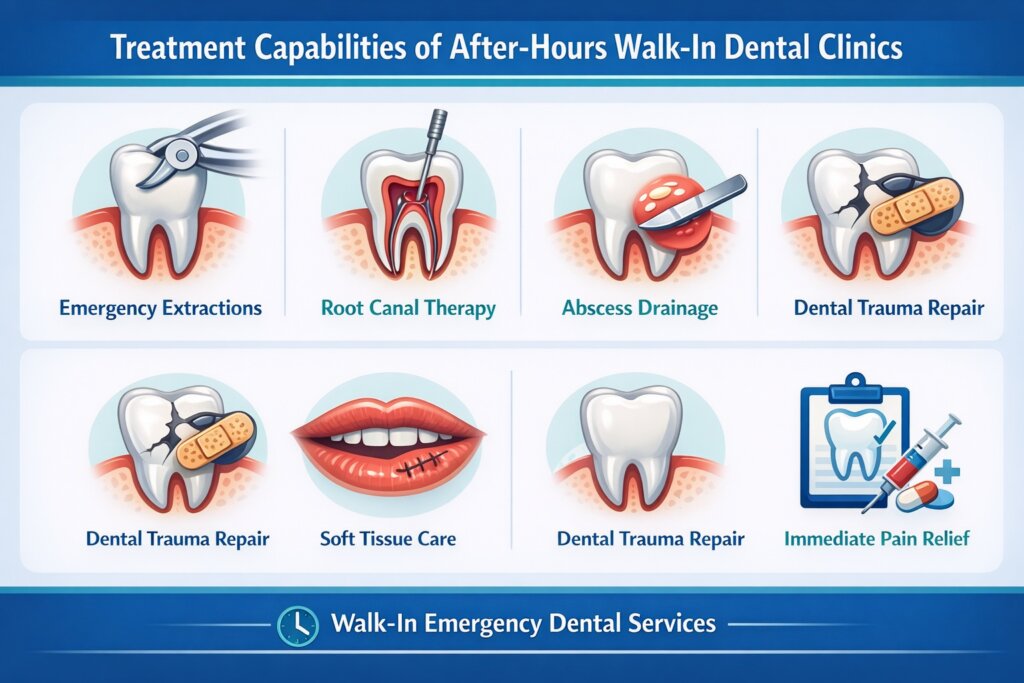
Walk in emergency dental clinics maintain comprehensive treatment capabilities that address the vast majority of urgent oral health conditions without requiring hospital referral. These facilities perform emergency extractions, root canal therapy, drainage of infections, and trauma repair using the same professional standards and equipment as traditional dental practices. The key difference lies in the streamlined approach that prioritizes immediate pain relief and stabilization over complex restorative procedures that can be scheduled for follow-up care.
Treatment protocols focus on definitive emergency care rather than temporary measures, ensuring patients leave with resolved conditions rather than band-aid solutions. This approach reduces the likelihood of recurring emergencies and provides better long-term outcomes for urgent dental conditions.
1. Emergency Tooth Extraction Services
After-hours dental clinics perform immediate extractions for severely damaged teeth, impacted wisdom teeth causing acute pain, and teeth with untreatable infections. These procedures utilize local anesthesia and conscious sedation when appropriate to ensure patient comfort during urgent surgical intervention.
2. Root Canal Therapy and Pulp Treatment
Emergency root canal procedures address infected or exposed tooth pulp that causes severe pain and poses an infection risk. Walk in dental clinics maintain specialized endodontic equipment and expertise to perform definitive root canal treatment during after-hours periods.
3. Abscess Drainage and Infection Control
Immediate drainage of dental abscesses prevents dangerous spread of infection while providing rapid pain relief. These procedures include incision and drainage techniques, initiation of antibiotic therapy, and follow-up planning to ensure complete resolution of the infection.
4. Dental Trauma and Fracture Repair
Emergency dental clinics treat chipped, cracked, and fractured teeth using composite bonding, temporary crowns, and protective splinting. These treatments preserve tooth structure while providing immediate functional restoration and pain relief.
5. Soft Tissue Injury Management
After-hours dental care includes suturing of oral lacerations, management of tongue and lip injuries, and treatment of gum trauma from accidents or sports injuries. These services prevent complications and promote proper healing of oral soft tissues.
Technology and Equipment Used in After-Hours Emergency Dental Care
Modern walk in emergency dental clinics utilize advanced technology and specialized equipment that enables comprehensive diagnostic and treatment capabilities during after-hours operations. These facilities invest in portable, efficient systems that deliver immediate results without compromising clinical quality or patient safety. Digital imaging, electronic health records, and telemedicine capabilities enhance the speed and accuracy of emergency dental care delivery.
The technology infrastructure supports seamless communication between emergency staff, consulting specialists, and follow-up care providers. This integration ensures continuity of care and proper documentation of emergency treatments for ongoing patient management.
1. Digital X-Ray and Imaging Systems
Instant digital radiography provides immediate diagnostic information that guides emergency treatment decisions. These systems offer superior image quality with reduced radiation exposure while enabling immediate consultation with specialists when complex cases require additional expertise.
2. Electronic Health Records and Patient Management
Comprehensive electronic systems maintain patient histories, medication lists, and treatment records, all accessible 24/7 to emergency care providers. These systems facilitate rapid clinical decision-making and ensure proper documentation of after-hours treatments.
3. Portable Surgical and Restorative Equipment
Emergency dental clinics maintain mobile equipment carts that bring necessary tools directly to patient treatment areas. This approach minimizes patient movement and discomfort while ensuring immediate access to surgical instruments, restorative materials, and emergency medications.
4. Telemedicine and Remote Consultation Capabilities
Advanced communication systems enable real-time consultation with specialists, patient pre-screening, and follow-up care coordination. These technologies expand the effective treatment capabilities of after-hours emergency dental clinics while maintaining high standards of clinical care.
Patient Experience and Accessibility Features
Walk in emergency dental clinics prioritize patient experience through streamlined processes, clear communication, and compassionate care delivery during stressful emergency situations. These facilities understand that dental emergencies often involve significant pain and anxiety, requiring specialized approaches that address both clinical needs and emotional support. Emergency Dental San Francisco focuses on creating a calm, professional environment where patients feel heard, respected, and confident in their treatment decisions.
Accessibility features ensure that emergency dental care remains available to all community members regardless of insurance status, financial situation, or timing of their urgent needs. These clinics accept most dental insurance plans while offering financing options and transparent pricing for uninsured patients.
The patient journey begins with compassionate phone triage that provides immediate guidance and realistic expectations for treatment timing and costs. Clear communication continues throughout the treatment process with plain-language explanations of procedures, alternatives, and follow-up requirements that help patients make informed decisions about their care.
Conclusion
Walk in emergency dental clinics provide essential after-hours care through specialized systems, advanced technology, and dedicated professional teams. These facilities offer comprehensive treatment capabilities that address urgent oral health needs while maintaining accessibility and affordability. Emergency Dental San Francisco stands ready to provide immediate relief when dental emergencies strike outside regular business hours.
Emergency Dental San Francisco specializes in after-hours emergency care available 24/7 by phone. Our licensed clinicians prioritize immediate pain relief using modern equipment and strict safety protocols. Learn more about our walk-in and same-day appointment options.
FAQs
Can I Go to the Emergency Dentist Without an Appointment?
Yes. Many urgent-care dental clinics accept walk-ins, and you can also call ahead to confirm availability and reduce wait time. At Emergency Dental San Francisco, you can walk in, book same-day online, or call 415-230-2783 24/7 for after-hours, weekends, and holiday care.
How Much Does a Walk-In Emergency Dentist Cost?
Costs vary based on the exam, X-rays, and the treatment needed (like a filling, extraction, or infection care). If you have insurance, your out-of-pocket cost depends on your plan; if not, most clinics offer transparent self-pay pricing and payment options. We accept most insurance, cash, and major credit cards, and financing may be available for those who qualify.
What Qualifies as a Dental Emergency?
Severe tooth pain, facial swelling, bleeding that won’t stop, a knocked-out or loose tooth, a cracked/broken tooth, signs of infection (like an abscess, pus, fever), or trauma to the mouth or jaw are common emergencies. If you’re unsure, calling an urgent dental clinic right away is the safest next step.
Where Can I Find a Walk-In Emergency Dentist Near Me?
You can search for “walk-in emergency dentist” in your area, or call a local urgent-care dental practice that offers after-hours service. Emergency Dental San Francisco provides same-day and after-hours care for San Francisco and the Bay Area, including South San Francisco, Alameda, Berkeley, Daly City, Fremont, Oakland, and San Leandro.
Will an Emergency Dentist Pull a Tooth the Same Day?
Often, yes—if it’s medically appropriate and you’re a good candidate after an exam and X-rays. Same-day extraction is common for severe decay, infection, or a non-restorable tooth, but some cases may need antibiotics first or a specialist referral. Our clinicians prioritize safe pain relief and clear next steps at every visit.

Emergency Dental San Francisco is a dental office focused on providing same-day dental appointments to patients in San Francisco and the surrounding area. We provide urgent dental care services during weekends, evenings and holidays.
We accept several forms of payment and have financing options available to those who qualify. We accept most dental insurance.