
11 Feb How to calm Emergency Dental Pain from an Abscess
A dental abscess creates some of the most intense pain you can experience. The throbbing, constant ache disrupts sleep, makes eating impossible, and can leave you desperate for relief. While professional treatment remains the only permanent solution, several immediate steps can help manage this emergency dental pain until you reach proper care.
This guide covers proven methods for temporarily relieving abscess pain and explains when immediate professional intervention is critical. You’ll learn practical techniques that work, understand warning signs that require urgent attention, and discover how Emergency Dental San Francisco provides 24/7 relief for patients across the Bay Area.
Key Takeaways
- Salt water rinses and cold compresses provide immediate but temporary relief from abscess pain.
- Over-the-counter pain medications can reduce inflammation and manage discomfort effectively.
- Fever, facial swelling, or difficulty swallowing require immediate emergency dental care.
- Professional drainage and antibiotic treatment are essential for the permanent resolution of an abscess.
- Emergency Dental San Francisco offers same-day appointments and 24/7 availability for urgent cases.
Understanding the causes of abscess pain helps you choose the most effective relief while you arrange professional treatment.
Understanding Emergency Dental Pain from Abscesses
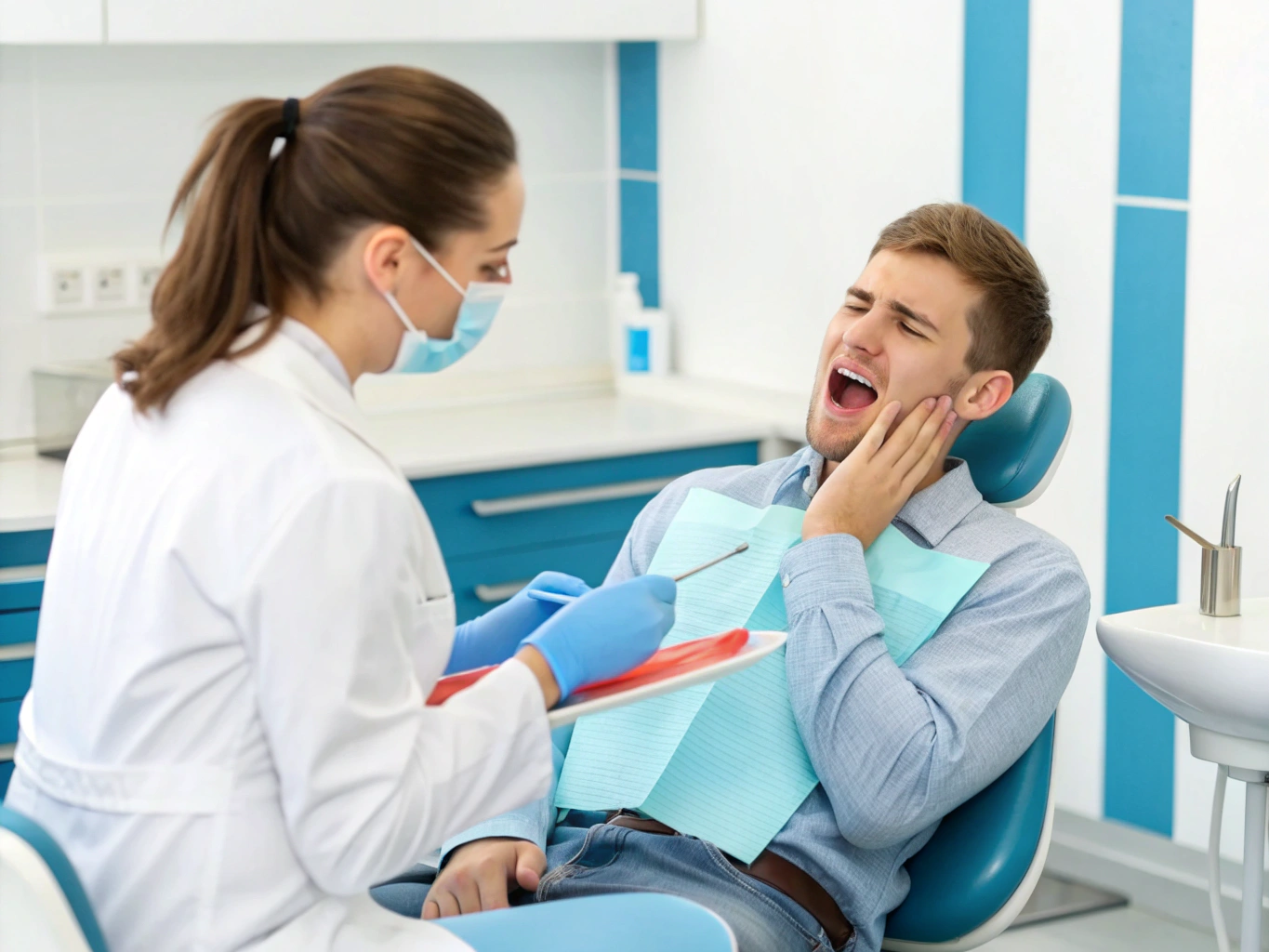
An abscess forms when bacteria invade the tooth’s pulp or surrounding gum tissue, creating a pocket of infection. The body’s immune response causes inflammation and pressure buildup, resulting in severe, pulsating pain. This infection can spread quickly, making prompt treatment essential for your health and safety.
The pain typically worsens with pressure, heat, or lying down because these conditions increase blood flow to the infected area. You might notice swelling in your face or gums, a bitter taste in your mouth, or sensitivity to temperature changes.
Emergency Dental San Francisco sees patients with abscesses daily, and our team understands how debilitating this pain can be. We prioritize immediate pain relief while addressing the underlying infection through professional drainage and appropriate antibiotic therapy.
Immediate pain management becomes your first priority when dealing with an abscess emergency.
Immediate Steps to Manage Emergency Dental Pain
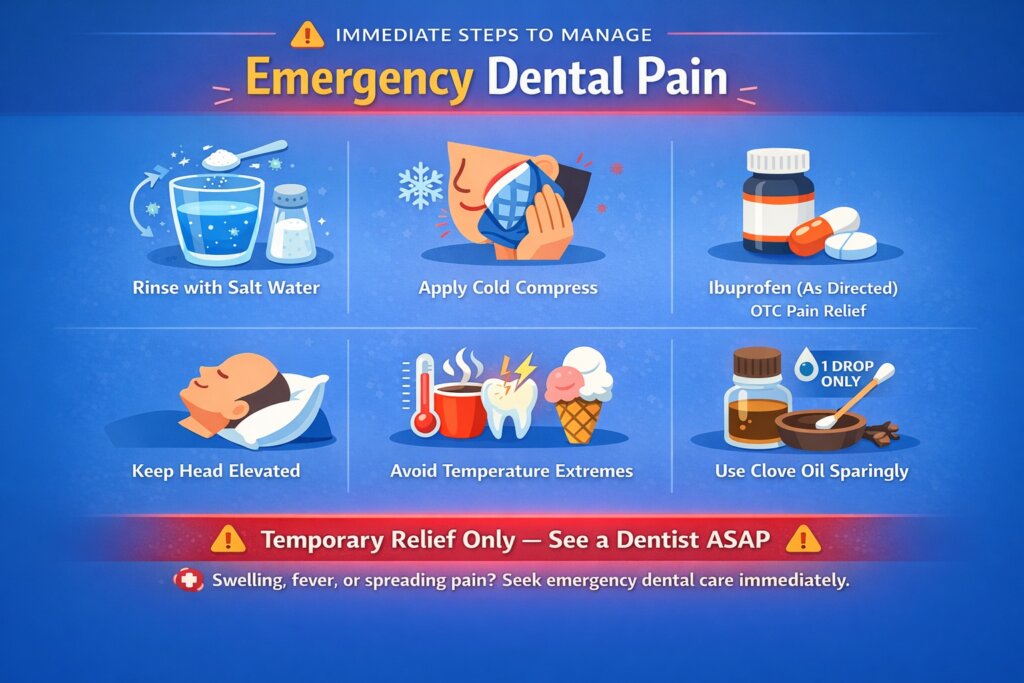
Taking quick action can significantly reduce your discomfort while you arrange professional care. These methods target inflammation and provide temporary relief, but they don’t eliminate the infection causing your pain. Think of these as bridge solutions that help you function until you receive proper treatment.
Start with the safest, most accessible options first. Most people have these supplies at home, making immediate relief possible even during late-night emergencies.
1. Rinse with Warm Salt Water
Mix half a teaspoon of salt in a cup of warm water and gently swish it around the affected area. This reduces bacteria and draws out some fluid from swollen tissues, providing noticeable relief within minutes.
2. Apply Cold Compress
Place an ice pack wrapped in a thin towel against your cheek for 15-20 minutes. The cold numbs pain receptors and reduces inflammation, offering significant comfort during acute episodes.
3. Take Over-the-Counter Pain Medication
Ibuprofen works particularly well for dental pain because it reduces inflammation. Follow package directions and avoid placing aspirin directly on your gums, which can cause tissue damage.
4. Keep Your Head Elevated
Sleep with extra pillows to reduce blood flow to the infected area. This simple position change can dramatically improve your comfort during rest periods.
5. Avoid Temperature Extremes
Skip hot or cold foods and drinks that can trigger sharp pain. Room-temperature liquids and soft foods can help prevent additional discomfort while you manage the situation.
6. Use Clove Oil Sparingly
A tiny amount of clove oil on a cotton swab can provide temporary numbing. Use this cautiously, as too much can irritate surrounding tissues and worsen your condition.
While these methods provide relief, certain symptoms demand immediate professional attention regardless of the time or day.
When Emergency Dental Pain Requires Immediate Professional Care
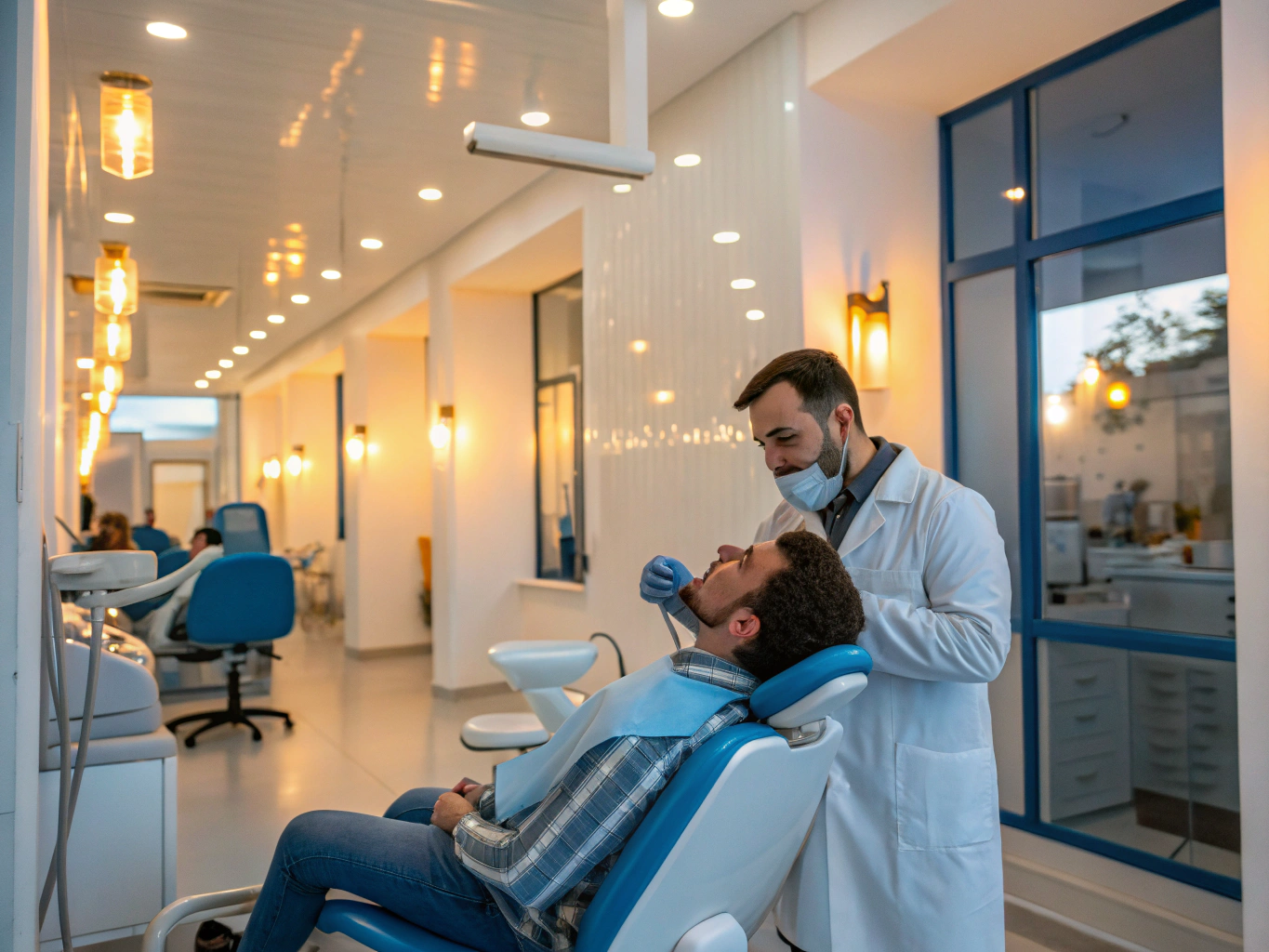
Some abscess symptoms indicate serious complications that home remedies cannot address. These warning signs indicate that the infection is spreading or affecting vital functions, requiring urgent intervention by an emergency dentist. Delaying treatment in these situations can lead to life-threatening complications.
Emergency Dental San Francisco operates 24/7 specifically for these critical situations. Our team can provide immediate relief through professional drainage, prescription antibiotics, and advanced pain management techniques.
| Symptom | Urgency Level | Action Required |
|---|---|---|
| Fever above 101°F | High | Call emergency dentist immediately |
| Facial swelling | High | Same-day appointment needed |
| Difficulty swallowing | Critical | Emergency room or urgent dental care |
| Trouble breathing | Critical | Call 911 immediately |
| Severe, constant pain | Moderate-High | Schedule urgent appointment |
Professional treatment options provide definitive solutions that home remedies simply cannot match.
Professional Treatment Options for Abscess Emergency Dental Pain
Emergency dental clinics offer several treatment options depending on the location and severity of your abscess. These procedures address both immediate pain relief and long-term infection control. Professional intervention typically provides dramatic improvement within hours, not days.
1. Incision and Drainage
The dentist makes a small cut to release trapped pus and pressure. This procedure provides almost instant pain relief and allows proper healing to begin.
2. Root Canal Therapy
For abscesses originating inside the tooth, root canal treatment removes the infected pulp. This preserves the natural tooth while eliminating the source of infection completely.
3. Tooth Extraction
When a tooth cannot be saved, extraction removes the source of infection. Modern techniques make this procedure comfortable with excellent post-operative pain management.
4. Antibiotic Prescription
Oral antibiotics help control bacterial spread and reduce systemic symptoms. These medications work alongside other treatments to ensure complete infection clearance.
5. Professional Pain Management
Prescription pain medications provide superior relief compared to over-the-counter options. These are carefully selected based on your specific needs and medical history.
Preventing future abscesses protects you from experiencing this intense pain again. At Emergency Dental San Francisco, we begin every abscess treatment with immediate pain management, then proceed with the most appropriate therapeutic approach. Our goal is to get you comfortable quickly while ensuring complete infection resolution.
Preventing Future Emergency Dental Pain from Abscesses
Most dental abscesses develop from untreated cavities or gum disease, making prevention straightforward with consistent oral care. Regular dental checkups catch problems early, before they progress to painful emergencies. Simple daily habits can dramatically reduce your risk of developing these serious infections.
Emergency Dental San Francisco provides preventive care alongside our urgent services, helping patients avoid future emergencies through education and early intervention strategies.
- Brush twice daily with fluoride toothpaste to remove bacteria and food particles
- Floss daily to clean areas your toothbrush cannot reach effectively
- Schedule regular dental cleanings and examinations every six months
- Address cavities promptly before they reach the tooth’s nerve
- Avoid using teeth as tools to prevent cracks that allow bacterial entry
- Manage underlying health conditions like diabetes that increase infection risk
- Don’t ignore persistent tooth sensitivity or mild pain that could indicate early problems
Knowing what to expect during your emergency visit helps reduce anxiety and ensures you receive optimal care.
What to Expect During Your Emergency Dental Visit
Emergency dental appointments follow a structured approach designed to provide rapid relief while ensuring comprehensive care. The process typically begins with immediate pain assessment and triage, followed by diagnostic procedures to determine the best treatment approach. Most patients experience significant improvement within the first hour of their visit.
At Emergency Dental San Francisco, we streamline the process to minimize your time in discomfort. Our team explains each step clearly, provides upfront cost estimates, and focuses on getting you comfortable as quickly as possible.
Your visit generally follows this timeline: initial pain control and assessment, digital X-rays to evaluate the extent of the infection, treatment planning with clear options and costs, immediate intervention when appropriate, and detailed aftercare instructions with follow-up scheduling. We accept most insurance plans and offer financing options to make emergency care accessible when you need it most.
You might be wondering about the costs of emergency abscess treatment and the payment options available in these urgent situations.
Conclusion
Dental abscess pain requires immediate attention through both home management and professional care. While saltwater rinses and cold compresses provide temporary relief, professional treatment remains essential for a complete resolution. Emergency Dental San Francisco offers 24/7 care across the Bay Area, ensuring you receive prompt, compassionate treatment when abscess pain strikes.
Emergency Dental San Francisco provides immediate abscess treatment with same-day appointments and after-hours care. Our licensed professionals prioritize fast pain relief and safe treatment. Learn more about ending your dental emergency today.
FAQs
What Can I Do for Emergency Dental Pain?
Call an emergency dentist right away—an abscess or deep infection won’t resolve on its own. Until you’re seen, rinse gently with warm salt water, take OTC pain relievers as directed (avoid aspirin on the gums), use a cold compress on the cheek, and avoid chewing on that side. If you have facial swelling, fever, trouble swallowing, or trouble breathing, seek urgent care immediately.
When Is Dental Pain Considered an Emergency?
It’s an emergency when pain is severe or worsening, you have swelling of the face or gums, fever, pus/bad taste, a cracked or knocked-out tooth, uncontrolled bleeding, or you can’t eat, sleep, or function normally. These can signal infection or trauma that needs same-day treatment to prevent complications.
How Can I Relieve Severe Tooth Pain Until I See a Dentist?
Use ibuprofen and/or acetaminophen as labeled (if safe for you), apply a cold compress 10–15 minutes at a time, keep your head elevated, and rinse with warm salt water. Avoid heat, alcohol, smoking/vaping, and chewing on the painful tooth. Don’t place pills or numbing gels directly on the gums, and don’t start leftover antibiotics—get evaluated for the right treatment.
Should I Go to the ER for Tooth Pain?
Go to the ER if you have trouble breathing or swallowing, rapidly spreading facial/neck swelling, high fever, severe weakness, or signs of dehydration—these can be dangerous. For most tooth pain and suspected abscesses without those red flags, an emergency dental clinic is usually the fastest place to get definitive care like drainage, dental X-rays, and treatment planning.
What Causes Sudden Severe Tooth Pain?
Common causes include a dental abscess (infection), a deep cavity that reaches the nerve, a cracked tooth, a lost filling/crown that exposes sensitive tooth structure, a gum infection, or pressure from grinding/clenching. Sudden severe pain is a sign that you should be examined promptly to identify the cause and relieve it safely.

Emergency Dental San Francisco is a dental office focused on providing same-day dental appointments to patients in San Francisco and the surrounding area. We provide urgent dental care services during weekends, evenings and holidays.
We accept several forms of payment and have financing options available to those who qualify. We accept most dental insurance.