

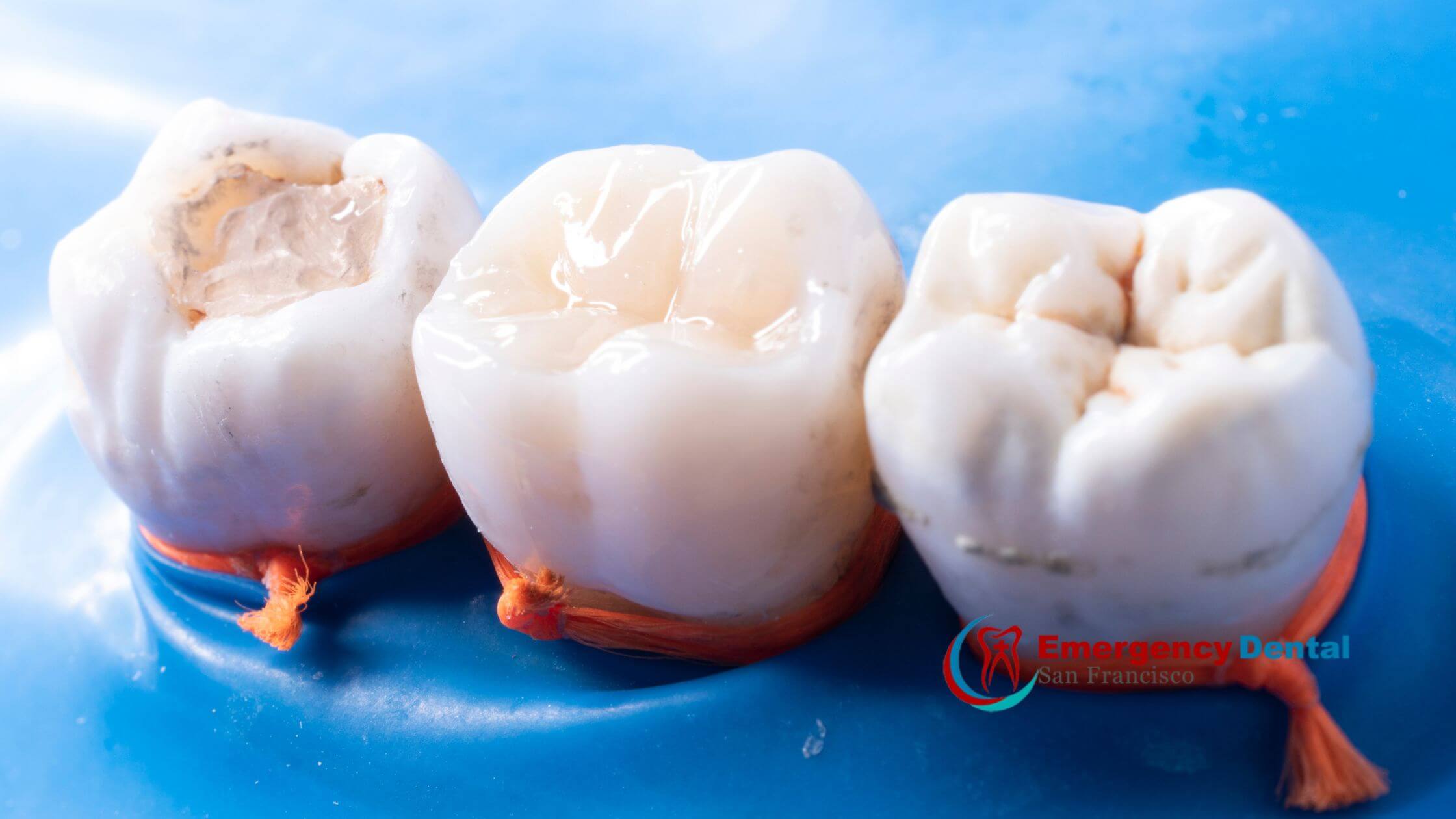
30 Apr Emergency Dental Fillings: When a Temporary Filling Is Used Instead of a Permanent Restoration
When tooth pain strikes unexpectedly, emergency dental fillings serve as your first line of defense against permanent damage and escalating discomfort. These protective barriers seal vulnerable areas of your tooth, preventing bacteria from infiltrating deeper structures and causing more severe complications. Quick intervention with emergency dental fillings can mean the difference between saving your natural tooth and requiring more complex treatments later.
This article explores how emergency dental fillings protect your tooth structure, when you need immediate treatment, and what to expect during the procedure. You’ll discover the types of emergency fillings available and learn actionable steps to take when dental pain becomes unbearable.
Key Takeaways
- Emergency dental fillings create an immediate barrier against bacterial infection and further tooth decay.
- Same-day treatment prevents minor cavities from becoming major dental emergencies requiring root canals or extractions.
- Different filling materials offer varying levels of durability and protection based on your specific needs.
- Most dental insurance plans, including Delta Dental and MetLife Dental, provide coverage for emergency filling procedures.
- Quick action within the first 24-48 hours of severe pain maximizes your chances of preserving the natural tooth.
Emergency dental fillings work by creating an immediate protective seal over damaged tooth structure.
How Emergency Dental Fillings Create a Protective Barrier
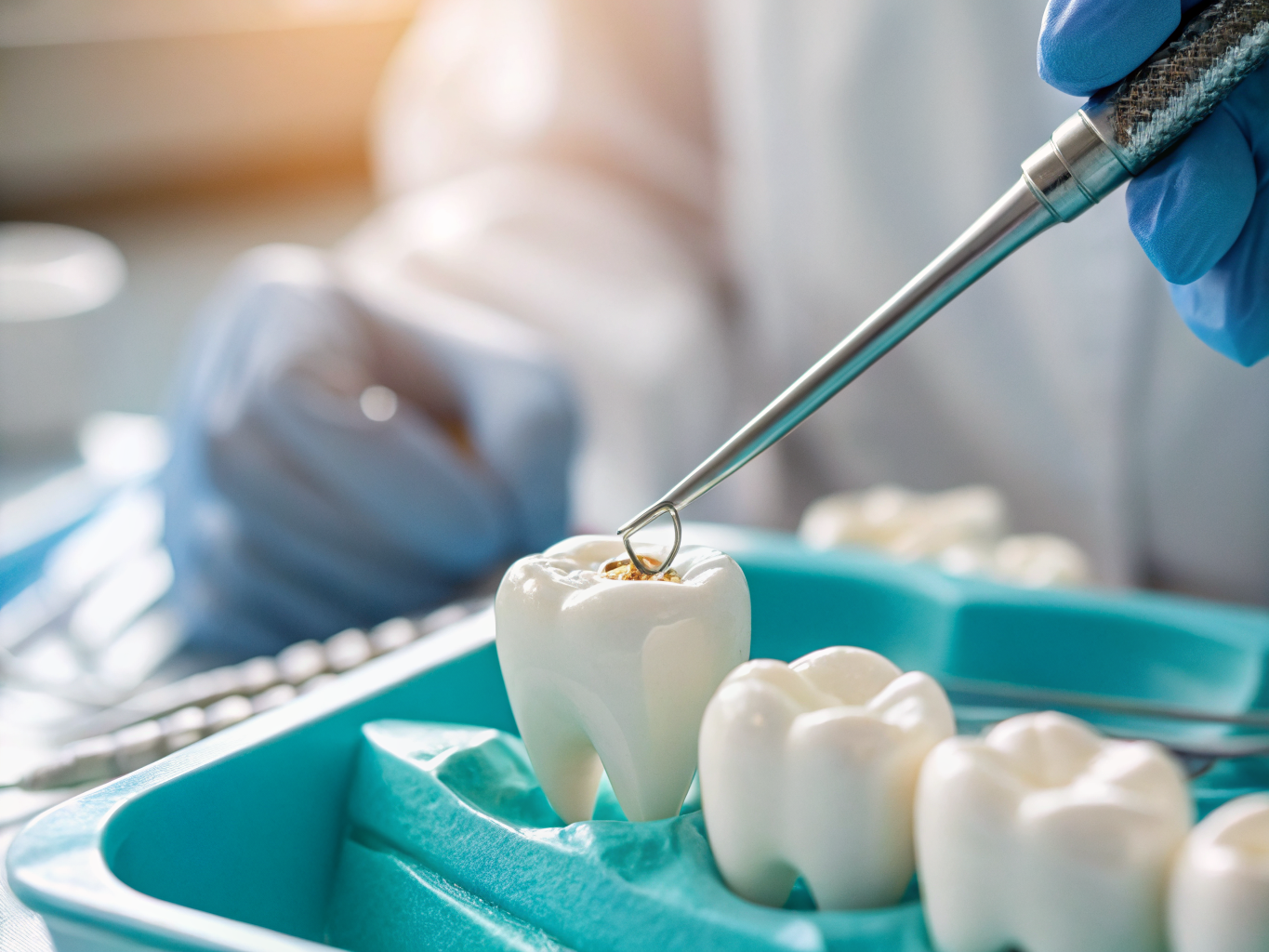
Emergency dental fillings function as a physical shield between your tooth’s inner layers and harmful bacteria in your mouth. When tooth enamel becomes compromised through decay, trauma, or wear, it creates pathways for bacteria to reach the sensitive dentin and pulp inside. The filling material bonds directly to your tooth structure, sealing these vulnerable openings and preventing further bacterial invasion.
This protective barrier also restores the tooth’s structural integrity. Without proper sealing, even small cavities can expand rapidly under the pressure of daily chewing and temperature changes.
1. Immediate Pain Relief Through Nerve Protection
Emergency dental fillings provide instant relief by covering exposed nerve endings that cause sharp, shooting pain. The filling material insulates these sensitive areas from hot, cold, and acidic substances that trigger discomfort.
2. Prevention of Bacterial Infiltration
The sealed environment created by emergency fillings prevents oral bacteria from establishing colonies within the tooth structure. This bacterial barrier significantly reduces your risk of developing abscesses or requiring root canal therapy.
3. Structural Reinforcement
Modern filling materials actually strengthen weakened tooth structure by distributing chewing forces more evenly. This reinforcement helps prevent fractures that could lead to tooth loss.
4. Chemical Protection Against Acid Erosion
Emergency fillings create a chemical barrier that protects exposed dentin from acid erosion caused by food, drinks, and bacterial waste products. This protection maintains the tooth’s mineral content and prevents further decay.
5. Temperature Insulation
The filling material provides thermal insulation that prevents temperature extremes from reaching sensitive inner tooth layers. This insulation eliminates the sharp pain many people experience when consuming hot or cold foods.
Understanding when you need emergency dental treatment helps you act quickly to protect your oral health.
When Emergency Dental Fillings Become Necessary
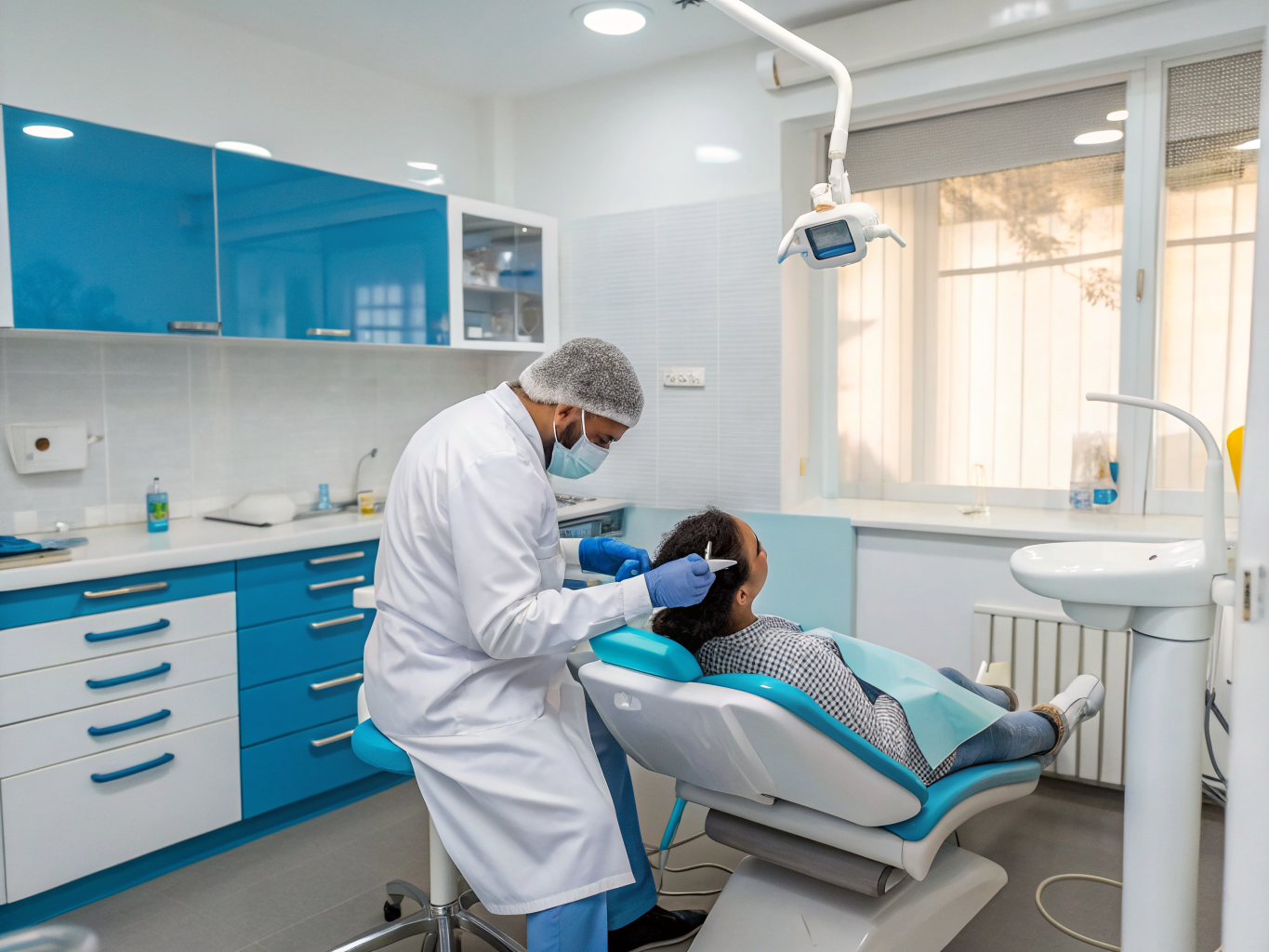
Recognizing the signs that require immediate dental attention can save your tooth and prevent more extensive damage. Sudden, severe tooth pain often indicates that bacteria have reached the tooth’s inner layers, creating an urgent need for protective intervention. Lost or damaged existing fillings also create immediate vulnerabilities that require same-day treatment to prevent complications.
Emergency Dental San Francisco provides 24/7 access to urgent dental care when these situations arise. Our team prioritizes pain relief first while creating comprehensive treatment plans that address both immediate needs and long-term oral health.
1. Severe Tooth Pain That Disrupts Daily Activities
Throbbing, constant pain that interferes with eating, sleeping, or concentrating signals that your tooth’s protective barriers have been compromised. This type of pain typically indicates bacterial infection approaching or reaching the tooth’s nerve center.
2. Lost or Damaged Existing Fillings
When existing fillings fall out or crack, they leave the treated area completely exposed to bacteria and debris. These situations require immediate attention to prevent rapid decay progression and potential tooth loss.
3. Sharp Pain When Eating or Drinking
Sudden, shooting pain triggered by hot, cold, sweet, or acidic substances indicates exposed dentin that needs immediate protection. This sensitivity often worsens rapidly without prompt treatment.
4. Visible Holes or Dark Spots on Teeth
New cavities or expanding dark areas on your teeth represent active decay that will continue spreading without intervention. Emergency fillings can halt this progression and preserve healthy tooth structure.
5. Swelling or Tenderness Around the Tooth
Gum swelling or tenderness near a problematic tooth may indicate that infection is spreading beyond the tooth itself. These symptoms require immediate evaluation and often emergency filling placement to prevent abscess formation.
Different types of emergency filling materials offer unique advantages depending on your specific situation.
Types of Emergency Dental Fillings and Their Protective Benefits
Emergency dental fillings come in several materials, each designed to provide specific types of protection based on your tooth’s location, size of the cavity, and immediate needs. Composite resin fillings offer excellent aesthetics and bond strength, making them ideal for front teeth or visible areas. Amalgam fillings provide superior durability for back teeth that endure heavy chewing forces, while glass ionomer materials release fluoride to provide ongoing protection against future decay.
Your emergency dentist will select the most appropriate material based on factors like the cavity’s size, location, and your insurance coverage through providers like Delta Dental or Guardian Dental.
1. Composite Resin Fillings for Natural Appearance
Tooth-colored composite materials blend seamlessly with your natural tooth structure while providing excellent protection against bacterial infiltration. These fillings bond chemically to tooth enamel, creating a strong, long-lasting seal.
2. Amalgam Fillings for Maximum Durability
Silver amalgam fillings offer unmatched strength and longevity, particularly for large cavities in back teeth. Their metallic composition provides superior resistance to chewing forces and can last decades with proper care.
3. Glass Ionomer Materials for Fluoride Release
These specialized fillings continuously release fluoride ions that strengthen surrounding tooth structure and prevent future decay. Glass ionomer materials work particularly well for cavities near the gum line or in areas prone to recurrent decay.
4. Temporary Fillings for Immediate Relief
When permanent filling placement isn’t immediately possible, temporary materials provide crucial protection until definitive treatment can be completed. These materials offer short-term pain relief and bacterial protection.
5. Ceramic Inlays for Large Cavity Protection
Custom-fabricated ceramic restorations provide maximum protection for large cavities that require more than traditional filling materials. These restorations offer superior durability and natural appearance.
Proper preparation before your emergency dental visit ensures the most effective treatment outcome.
What to Expect During Emergency Dental Filling Treatment
Emergency dental filling procedures follow a systematic approach designed to provide immediate pain relief while ensuring long-term tooth protection. The process typically begins with thorough pain assessment and X-ray imaging to determine the extent of damage and plan appropriate treatment. Local anesthesia ensures your comfort throughout the procedure, while modern techniques minimize treatment time and maximize filling durability.
Most dental insurance plans, including MetLife Dental and Guardian Dental, provide coverage for emergency filling procedures when they’re medically necessary.
1. Initial Pain Assessment and Triage
Your emergency dentist will evaluate your pain level and symptoms to prioritize treatment needs. This assessment helps determine whether immediate filling placement or additional treatments are necessary.
2. Digital X-Ray Imaging for Accurate Diagnosis
Modern digital X-rays provide detailed images of your tooth structure, revealing the extent of decay and helping plan the most effective treatment approach. These images also help identify any complications that might affect filling placement.
3. Local Anesthesia for Comfortable Treatment
Precise anesthetic injection ensures you remain comfortable throughout the procedure while maintaining full awareness. Modern anesthetic techniques provide profound numbness with minimal injection discomfort.
4. Decay Removal and Tooth Preparation
Careful removal of decayed tooth structure creates a clean, healthy foundation for the filling material. This step ensures optimal bonding and long-term filling success.
5. Filling Placement and Final Shaping
The selected filling material is carefully placed and shaped to restore your tooth’s natural contours. Final polishing ensures smooth surfaces that resist plaque accumulation and feel comfortable during chewing.
6. Bite Adjustment and Post-Treatment Instructions
Precise bite adjustment ensures your filling doesn’t interfere with normal chewing patterns. Clear post-treatment instructions help you care for your new filling and recognize any potential complications.
Taking immediate action when dental pain strikes can prevent minor problems from becoming major emergencies.
Steps to Take Before Your Emergency Dental Visit
Quick action during dental emergencies can significantly impact your treatment outcome and long-term oral health. Proper pain management and tooth protection during the hours before your appointment help preserve damaged tooth structure and reduce complications. Simple home care measures can provide temporary relief while preventing further damage until professional treatment becomes available.
Keep your insurance information readily available, whether you have coverage through Delta Dental, MetLife Dental, or other providers, as this information streamlines the treatment process.
1. Rinse with Warm Salt Water
Gentle rinsing with warm salt water helps remove debris from the affected area while providing mild antiseptic benefits. Mix half a teaspoon of salt in warm water and rinse gently without vigorous swishing.
2. Apply Cold Compress for Swelling
External cold application helps reduce swelling and provides temporary pain relief through numbing effects. Apply ice wrapped in cloth for 15-20 minutes at a time, avoiding direct ice contact with skin.
3. Take Over-the-Counter Pain Medication
Ibuprofen or acetaminophen can provide temporary pain relief and reduce inflammation until professional treatment becomes available. Follow package directions and avoid placing aspirin directly on gums, which can cause tissue damage.
4. Avoid Hard, Hot, or Cold Foods
Protecting the affected tooth from temperature extremes and mechanical stress prevents further damage and reduces pain. Stick to soft, room-temperature foods and chew on the unaffected side of your mouth.
5. Gather Insurance and Medical Information
Collect your dental insurance card, list of medications, and any recent dental records to streamline your emergency visit. This preparation helps ensure efficient treatment and accurate billing.
Professional emergency dental care provides the expertise and technology necessary for optimal treatment outcomes.
Why Professional Emergency Dental Care Makes a Difference
Professional emergency dental treatment offers significant advantages over temporary home remedies or delayed care through superior diagnostic capabilities, advanced materials, and comprehensive treatment planning. Emergency dental professionals possess specialized training in pain management and urgent care techniques that ensure both immediate relief and long-term success. Access to professional-grade materials and equipment enables more durable, effective treatments that home remedies simply cannot provide.
Emergency Dental San Francisco combines rapid access with clinical precision, providing same-day appointments and 24/7 availability when dental emergencies strike. Our team accepts most dental insurance plans and offers financing options to make urgent care accessible and affordable for all patients.
1. Advanced Diagnostic Technology
Digital X-ray systems and intraoral cameras provide detailed visualization of tooth damage that isn’t visible to the naked eye. This technology ensures accurate diagnosis and comprehensive treatment planning.
2. Professional-Grade Materials
Emergency dental practices stock high-quality filling materials that offer superior durability, aesthetics, and biocompatibility compared to temporary solutions. These materials provide long-lasting protection and natural appearance.
3. Sterile Treatment Environment
Professional dental facilities maintain strict infection control protocols that prevent complications and ensure safe treatment outcomes. Sterile instruments and proper technique minimize infection risk and promote healing.
4. Comprehensive Pain Management
Emergency dentists possess extensive training in pain control techniques, including local anesthesia and sedation options for anxious patients. Professional pain management ensures comfortable treatment and reduces stress.
5. Insurance Coordination and Financial Options
Professional dental practices work directly with insurance providers like Delta Dental and Guardian Dental to maximize your benefits and minimize out-of-pocket costs. Financing options make emergency care accessible regardless of your immediate financial situation.
Conclusion
Emergency dental fillings provide crucial protection by sealing damaged tooth structure and preventing bacterial invasion that leads to serious complications. Quick professional treatment preserves your natural tooth while eliminating pain and restoring normal function. When dental emergencies strike, immediate action and professional care make the difference between simple treatment and complex procedures.
Emergency Dental San Francisco provides same-day emergency fillings to stop pain and prevent further tooth damage. Our licensed clinicians prioritize immediate relief and clear treatment plans. Learn more about protecting your tooth today.
FAQs
Can a Dentist Do an Emergency Filling?
Yes. If you have a lost filling, cavity pain, or a chipped tooth, a dentist can often place a same-day filling (or a temporary filling) to seal the tooth, reduce sensitivity, and prevent further damage.
How Long Does an Emergency Filling Last?
A temporary emergency filling may last a few days to a few weeks, while a permanent filling can last for years depending on the material, bite forces, and oral hygiene. We’ll tell you what to expect and the best next step for long-term protection.
What Can I Use as a Temporary Filling in an Emergency?
You can use an over-the-counter temporary filling material (often sold as dental repair cement) to cover the area briefly. Avoid putting aspirin on the tooth, and get professional care as soon as possible to prevent infection or a larger fracture.
How Much Does an Emergency Dental Filling Cost?
Cost depends on the size and location of the filling, whether X-rays are needed, and if there’s deeper damage. We accept most insurance and offer payment options, and we’ll explain pricing clearly before treatment.
Can I Get a Filling the Same Day?
Yes. Many patients can get a filling the same day after an exam and X-rays, especially for sudden pain, a broken filling, or a new chip. Call 415-230-2783 or book online for the fastest availability.

Emergency Dental San Francisco is a dental office focused on providing same-day dental appointments to patients in San Francisco and the surrounding area. We provide urgent dental care services during weekends, evenings and holidays.
We accept several forms of payment and have financing options available to those who qualify. We accept most dental insurance.