


17 Nov Emergency Dental Services for Seniors: Fast Relief When Needed
Dental emergencies don’t wait for convenient hours, and for seniors, sudden tooth pain or broken dentures can create urgent health concerns that extend far beyond discomfort. Emergency dental services for seniors require specialized understanding of age-related oral health challenges, medication interactions, and mobility limitations that can complicate traditional dental care. When a 70-year-old experiences severe tooth pain at midnight or breaks their dentures on a weekend, they need immediate access to compassionate, professional emergency dental care that addresses both their pain and their unique needs as older adults.
This guide walks you through the most common dental emergencies affecting seniors, explains when immediate professional intervention becomes necessary, and provides practical steps for navigating emergency dental services. You’ll discover how to identify true dental emergencies, overcome common barriers seniors face in accessing urgent care, and create a comprehensive emergency plan that ensures fast relief when dental crises strike.
Key Takeaways
- Dental emergencies in seniors often involve infections, broken restorations, and medication-related complications that require immediate professional care.
- Emergency dental services should provide same-day appointments, gentle communication, and coordination with existing medical providers.
- Transportation challenges, medication interactions, and anxiety can prevent seniors from getting timely emergency dental care.
- A prepared emergency plan with contact information, medication lists, and dental history streamlines urgent care visits.
- Professional emergency dental clinics offer safer, more cost-effective treatment than hospital emergency rooms for most dental issues.
When Sudden Tooth Pain Stops Seniors in Their Tracks
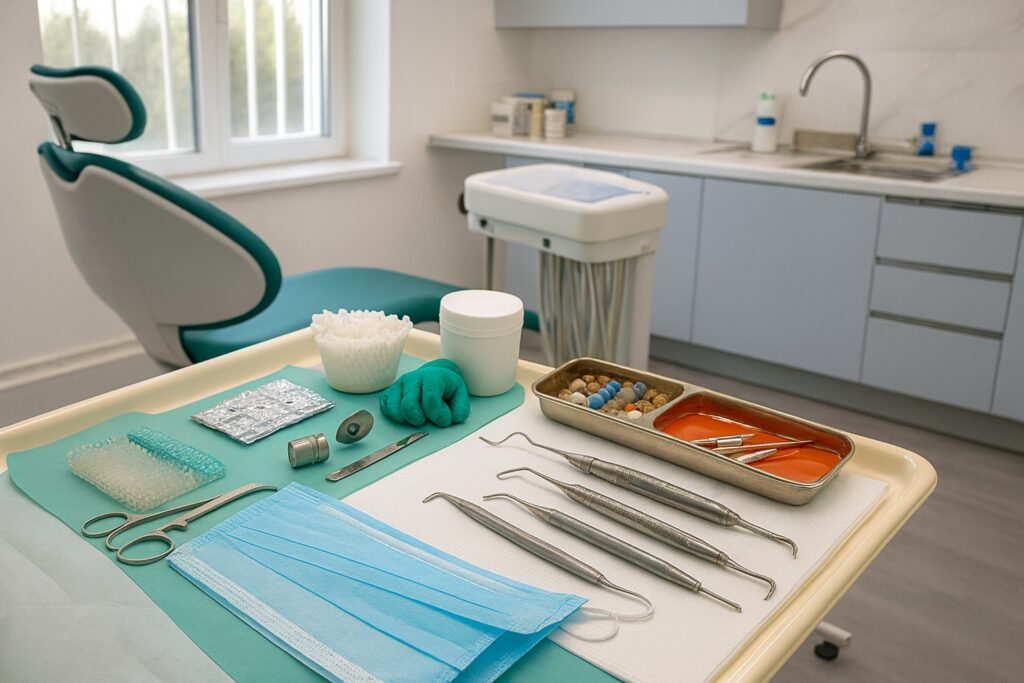
Seniors experience dental emergencies differently than younger adults, often facing complications from decades of dental work, age-related oral health changes, and complex medical conditions. The most common emergency scenarios include severe infections around existing crowns or bridges, sudden fractures in teeth weakened by previous treatments, and broken or ill-fitting dentures that prevent eating or speaking. These situations demand immediate attention because untreated dental infections can quickly spread to other parts of the body, creating serious health risks for older adults with compromised immune systems.
The psychological impact of dental emergencies on seniors often compounds the physical discomfort. Many older adults fear losing their independence or becoming a burden on family members when dental problems arise suddenly. This anxiety can delay treatment-seeking behavior, allowing minor issues to develop into serious emergencies that require more extensive intervention.
Age-related changes in pain perception sometimes mask the severity of dental problems until they reach crisis levels. Seniors may not experience the same intense pain signals as younger adults, leading to delayed recognition of serious conditions like abscesses or deep decay that require immediate professional treatment.
The financial concerns surrounding emergency dental care particularly affect seniors on fixed incomes. However, delaying treatment for cost reasons often results in more expensive procedures later, making immediate intervention both medically and financially prudent for most emergency situations. Recognizing what constitutes a true dental emergency helps seniors and their families make informed decisions about seeking immediate care.
Understanding Emergency Dental Services for Seniors: What Really Counts as an Emergency?
Emergency dental services for seniors focus on urgent problems that cannot safely wait for regular appointments. These include issues that threaten overall health, cause intense pain, or risk permanent damage to teeth and surrounding tissues. Recognizing what truly needs immediate care helps seniors and caregivers make confident, informed decisions during stressful situations.
Serious Dental Infections in Older Adults
Dental infections represent the most serious category of emergency dental services for older adults. Signs include persistent throbbing pain, swelling that affects the face or neck, difficulty swallowing, and fever above 101°F. These symptoms can signal rapidly progressing infections that require prompt treatment to prevent hospitalization or life-threatening complications.
Broken or Damaged Restorations Requiring Fast Attention
Broken or damaged dental restorations constitute another major category requiring emergency dental services. Lost crowns, broken bridges, or fractured dentures can expose sensitive tooth structures, create sharp edges that injure soft tissues, or prevent proper nutrition and medication intake. While these situations may not seem immediately life-threatening, they can quickly lead to secondary problems that become more serious over time.
Trauma-Related Dental Emergencies from Falls
Trauma-related dental emergencies in seniors often result from falls, which become more common with age due to balance issues or medication side effects. Knocked-out teeth, fractured jaw bones, or severe lacerations to the lips, tongue, or gums require immediate professional evaluation to determine the extent of damage and appropriate treatment options. Fast action in these situations can preserve teeth, protect the airway, and reduce long-term complications.
Medication-Related Risks and Emergency Dental Care
Medication-related dental emergencies present unique challenges for seniors taking multiple prescriptions. Blood-thinning medications can cause excessive bleeding from minor gum injuries, while certain antibiotics or pain medications can interact dangerously with emergency dental treatments. Professional emergency dental services must carefully coordinate with existing medical providers to ensure safe treatment protocols.
Issues That Can Often Wait for Regular Appointments
Some conditions may seem urgent but can often wait for regular appointments with proper temporary management. Minor chips in teeth without pain, small cavities discovered during routine care, or loose dental work that remains functional typically fall into this category, though seniors should always consult with dental professionals when in doubt. Clear guidance from a trusted dentist or emergency dental hotline helps prevent unnecessary late-night visits while still protecting oral health.
Emergency Room vs. Emergency Dental Services for Seniors
The distinction between emergency room visits and emergency dental services becomes particularly important for seniors. Hospital emergency departments can provide antibiotics for infections and pain management but cannot perform most dental procedures, often resulting in temporary relief followed by referral to dental professionals anyway. Understanding which situations require a dentist first helps seniors get faster, more targeted care and avoid duplicate visits.
Barriers to Accessing Emergency Dental Care
Several factors can prevent seniors from accessing emergency dental services when needed, requiring specialized approaches to care delivery. Mobility limitations, transportation challenges, financial concerns, or confusion about where to go can all delay essential treatment. Families, caregivers, and providers who plan ahead for emergency dental options make it much easier for seniors to receive timely, appropriate care.
By learning which situations qualify as true emergencies and how different providers can help, seniors and caregivers can respond calmly and effectively when dental crises arise. A clear plan for who to call, where to go, and what symptoms to watch for reduces panic and speeds up access to the right type of care. This proactive understanding turns emergency dental services from a last-minute scramble into a safety net that genuinely protects senior health and quality of life.
Barriers Seniors Face in Getting Fast Dental Help

Emergency dental care for seniors is often complicated by practical, medical, and financial barriers. Even when pain or swelling clearly needs urgent attention, many older adults struggle to reach a dentist quickly or understand their options. Recognizing these common obstacles helps families, caregivers, and providers design emergency dental services that truly work for senior patients.
Transportation Challenges and Mobility Limits
Transportation challenges represent one of the most significant obstacles preventing seniors from accessing emergency dental services when needed. Many older adults no longer drive, particularly at night or during poor weather, leaving them dependent on family members, friends, or ride services that may not be immediately available. Public transportation systems often operate on reduced schedules during evenings, weekends, and holidays when dental emergencies commonly occur, creating delays that can worsen conditions requiring immediate attention.
The complexity of coordinating rides during dental emergencies becomes particularly challenging when seniors experience severe pain or swelling that affects their ability to communicate clearly with transportation providers.
Medical Conditions, Medications, and Treatment Delays
Medical conditions and medications create additional barriers to emergency dental care for seniors. Multiple chronic conditions may require careful coordination between dental and medical providers before emergency procedures can begin safely. Blood pressure medications, heart conditions, diabetes management, and blood-thinning drugs all require special consideration during emergency dental services, potentially delaying treatment while medical clearances are obtained.
Cognitive Changes and Caregiver Availability
Cognitive changes associated with aging can complicate emergency dental visits for seniors. Memory issues may prevent accurate reporting of symptoms, medication lists, or medical history, while confusion or anxiety in unfamiliar clinical environments can interfere with treatment cooperation. Family members or caregivers may not be immediately available to provide necessary information or consent for emergency procedures, which can slow down or limit needed care.
Financial Concerns and Cost Anxiety
Financial concerns create significant stress for seniors facing emergency dental services, particularly those on fixed incomes or with limited insurance coverage. The fear of unexpected costs can delay treatment-seeking behavior, allowing manageable problems to develop into more serious and expensive conditions that require extensive intervention. Worry about bills can be just as paralyzing as the dental pain itself, leading some seniors to endure discomfort far longer than is safe.
Communication Difficulties in Crisis Settings
Communication difficulties often arise when seniors interact with busy emergency dental clinics during crisis situations. Age-related hearing loss, medication effects, or pain-related distress can interfere with understanding treatment options, costs, and aftercare instructions, leading to confusion and anxiety about the care process. Without extra time and clear communication strategies, important details can be missed or misunderstood.
Insurance Complexities and Coverage Gaps
Insurance complexities present particular challenges for seniors navigating emergency dental services. Medicare typically provides limited dental coverage, while supplemental insurance plans may have restrictions on emergency care providers or require prior authorization that delays treatment. Understanding coverage options and payment alternatives becomes especially difficult when urgent dental problems demand quick decisions.
Social Isolation and Lack of Support
Social isolation affects many seniors’ ability to access emergency dental services effectively. Without family members or friends readily available to provide transportation, emotional support, or assistance with post-treatment care, seniors may avoid seeking necessary emergency treatment or experience increased anxiety during dental visits. This lack of a support network can turn even straightforward emergencies into overwhelming experiences.
Specialized emergency dental services can address these barriers through targeted approaches designed specifically for senior patients. Practices that offer flexible transportation support, clear pricing, senior-friendly communication, and coordination with medical providers help remove many of the obstacles older adults face. When emergency dental care is intentionally designed with seniors in mind, it becomes more accessible, less frightening, and far more effective at protecting both oral health and overall well-being.
How Emergency Dental San Francisco Provides Fast, Gentle Emergency Care for Seniors
Emergency Dental San Francisco addresses the unique challenges seniors face during dental emergencies through specialized protocols designed specifically for older adult patients. Our 24-hour emergency dental services include same-day appointments with extended hours that accommodate seniors who may need more time for transportation arrangements or medical consultations. We maintain direct communication with primary care physicians and specialists to ensure safe treatment coordination, particularly for patients taking multiple medications or managing complex health conditions that affect dental care decisions.
Our emergency dental care team provides clear, unhurried communication that helps seniors understand their treatment options without feeling pressured or confused. We explain procedures in simple terms, repeat important information as needed, and encourage questions throughout the visit to ensure patients feel comfortable and informed about their care. Family members or caregivers are welcome to accompany patients and participate in treatment discussions when appropriate.
The clinic’s physical environment is designed with senior accessibility in mind, featuring easy parking access, comfortable seating areas, and treatment rooms equipped to accommodate mobility aids or medical equipment that patients may require. Our staff provides assistance with paperwork, insurance questions, and scheduling follow-up appointments to reduce stress and confusion during emergency visits.
Our 24-hour emergency dentist services recognize that dental emergencies don’t follow convenient schedules, particularly for seniors who may experience delayed symptom recognition or need additional time to arrange transportation and support. Walk-in availability combined with online booking options provides flexibility that accommodates different comfort levels with technology and varying support systems.
Preparing a Simple Senior Dental Emergency Plan Before Pain Strikes
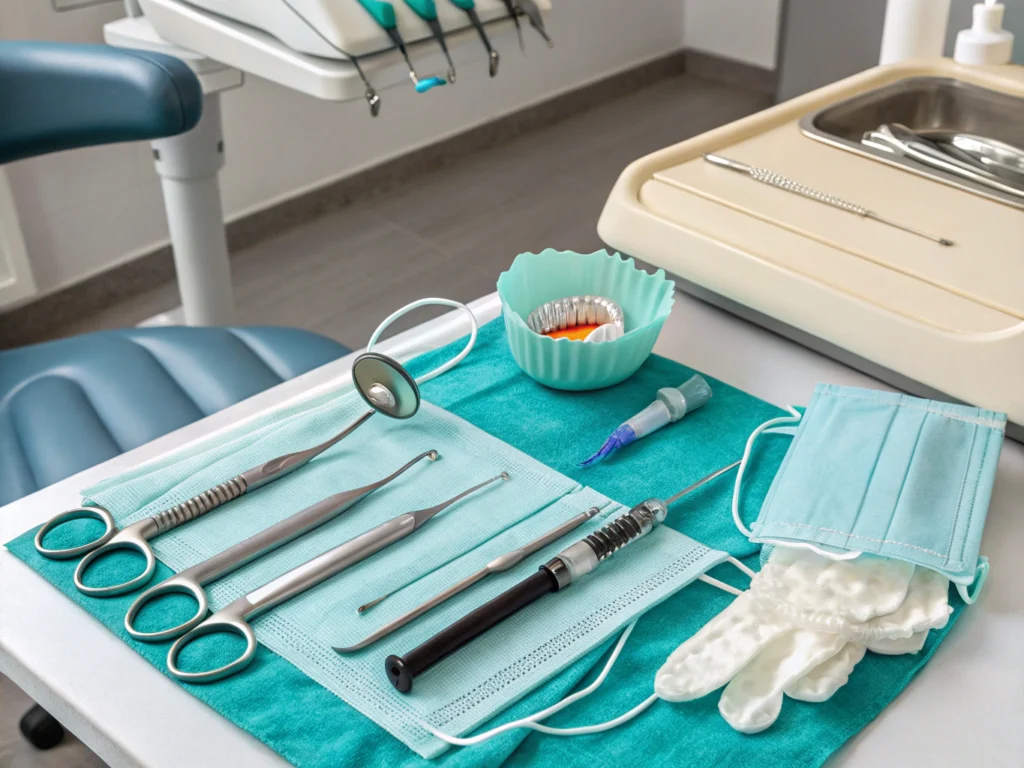
A well-prepared dental emergency plan eliminates the confusion and delays that can worsen urgent dental situations for seniors. The foundation of any effective plan includes a comprehensive contact list with emergency dental services, primary care physicians, and family members or friends who can provide transportation or support during dental emergencies. This list should include after-hours phone numbers, addresses with clear directions, and backup contacts in case primary options are unavailable when emergencies occur.
1. Create a Comprehensive Emergency Contact Directory
Compile phone numbers for your primary dentist, preferred emergency dental clinic, primary care physician, and local hospital emergency department. Include addresses with specific directions and parking information, particularly important for family members who may be unfamiliar with medical facility locations during stressful emergency situations.
2. Maintain Updated Medical Information
Keep a current list of all prescription medications, over-the-counter supplements, and known allergies in an easily accessible location. Include dosage information, timing schedules, and prescribing physician names, as this information becomes critical for emergency dental providers who must avoid dangerous drug interactions during treatment.
3. Organize Dental Records and Insurance Information
Store copies of recent dental X-rays, treatment records, and insurance cards in a designated emergency folder. Include contact information for your regular dentist and any specialists involved in ongoing dental care, enabling emergency providers to coordinate treatment decisions effectively.
4. Establish Transportation Arrangements
Identify multiple transportation options including family members, friends, ride services, or medical transport companies that operate during off-hours. Keep contact information readily available and consider pre-registering with ride services to streamline booking during emergency situations when clear communication may be difficult.
5. Prepare Financial Resources and Payment Information
Understand your insurance coverage for emergency dental services and identify alternative payment methods for uncovered expenses. Keep credit cards, cash reserves, or information about payment plans easily accessible to avoid treatment delays due to financial uncertainty.
6. Plan for Post-Treatment Support
Arrange for someone to accompany you to emergency dental appointments when possible, as pain medications or procedures may affect your ability to drive safely or remember post-treatment instructions clearly. Identify who can assist with prescription pickup, follow-up appointment scheduling, or monitoring for complications during recovery.
7. Practice Emergency Response Steps
Review common dental emergency scenarios with family members or caregivers, ensuring everyone understands when to call emergency dental services versus when to seek hospital emergency room care. Practice locating emergency supplies like pain relievers, cold compresses, and contact information to reduce panic and confusion during actual emergencies.
Emergency preparation also includes understanding what to expect during emergency dental visits, helping reduce anxiety and improve cooperation with treatment recommendations. Knowing that emergency dental clinics prioritize pain relief, provide clear explanations of treatment options, and coordinate with existing healthcare providers can help seniors feel more confident about seeking necessary care promptly.
Conclusion
Emergency dental services for seniors require specialized approaches that address unique age-related challenges while providing immediate relief from urgent dental problems. Professional emergency dental care offers safer, more effective treatment than hospital emergency rooms for most dental conditions affecting older adults. Preparation through comprehensive emergency planning ensures faster access to appropriate care when dental crises occur unexpectedly.
Emergency Dental San Francisco provides same-day urgent care specifically designed for seniors experiencing dental emergencies. Our compassionate team prioritizes comfort and clear communication for older patients. Learn more about our senior-focused emergency services.
FAQs
What Are Emergency Dental Services?
Emergency dental services are urgent-care treatments provided for dental issues that require immediate attention, such as severe toothaches, abscesses, cracked or knocked-out teeth. Our practice specializes in delivering fast, compassionate care to alleviate pain and address dental emergencies promptly.
When Should I Seek Emergency Dental Services?
You should seek emergency dental services if you experience severe pain, swelling, bleeding, or trauma to your teeth or gums. Additionally, if you have a knocked-out tooth or notice signs of infection, such as fever or pus, it’s important to get care right away to prevent further complications.
What Can I Expect During An Emergency Dental Visit?
During your emergency dental visit, our team will prioritize your comfort and pain relief. You can expect a thorough examination, clear communication about your condition, and a discussion of treatment options. We will provide a realistic plan for follow-up care to ensure you leave with relief and confidence.
How Much Do Emergency Dental Services Cost?
The cost of emergency dental services can vary based on the specific treatment needed. We accept most dental insurance plans, offer financing options for those who qualify, and strive to keep our services accessible and affordable for all patients, including those without insurance.
What Types Of Dental Emergencies Require Immediate Care?
Types of dental emergencies that require immediate care include severe toothaches, abscesses, broken or knocked-out teeth, and injuries to the gums or jaw. If you experience any of these issues, it’s crucial to seek prompt treatment to avoid further damage and ensure your oral health.

Emergency Dental San Francisco is a dental office focused on providing same-day dental appointments to patients in San Francisco and the surrounding area. We provide urgent dental care services during weekends, evenings and holidays.
We accept several forms of payment and have financing options available to those who qualify. We accept most dental insurance.