
24 Feb Emergency Dental Kit Checklist: Be Prepared for Any Dental Crisis
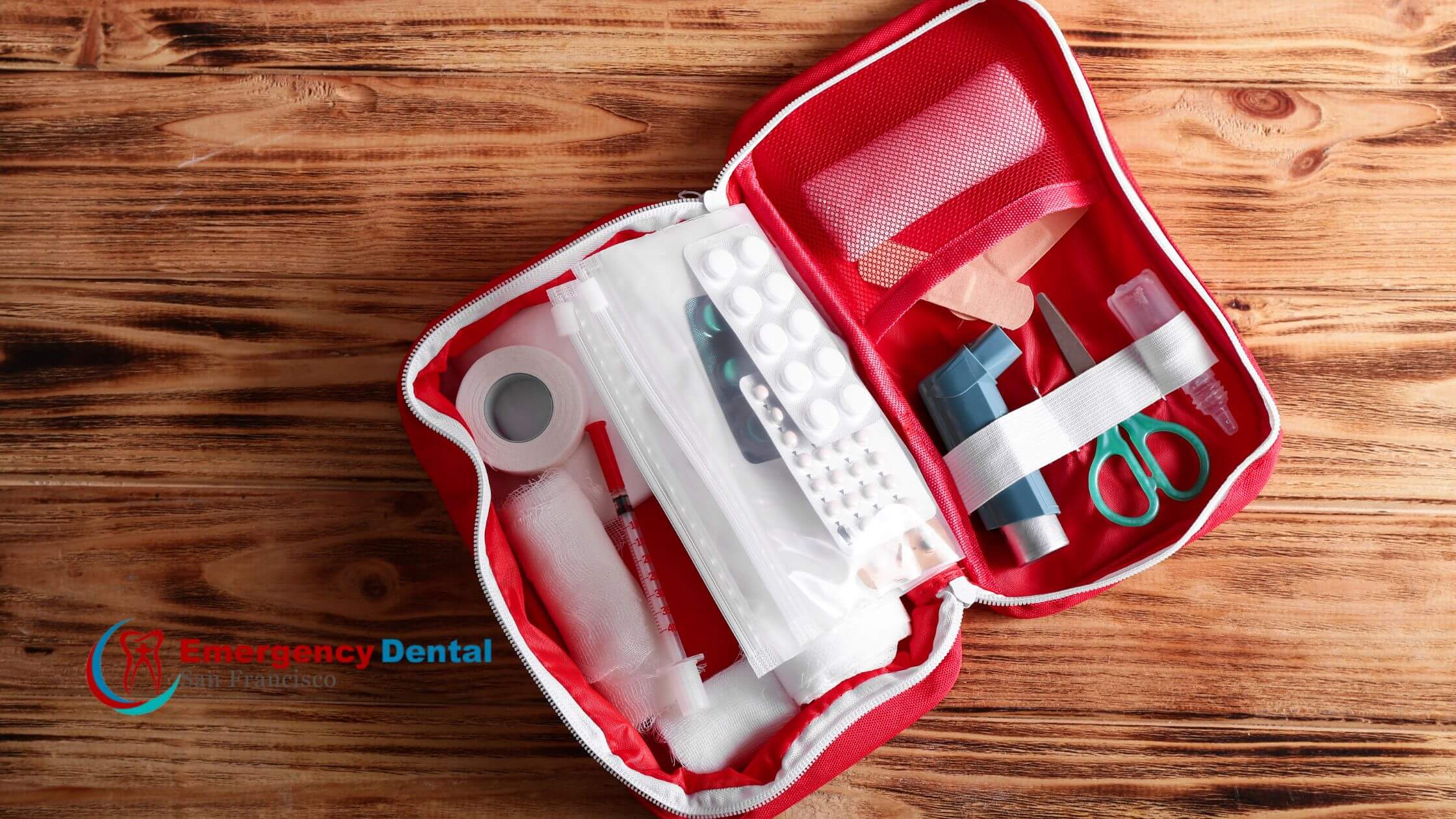
dental emergencies strike without warning, often at the worst possible moments. A comprehensive emergency dental kit can mean the difference between managing pain effectively and enduring hours of discomfort while waiting for professional care. Having the right supplies readily available allows you to take immediate action, potentially saving a tooth or preventing complications until you can reach a dental clinic.
This guide covers everything you need to build an effective emergency dental kit and understand when home care transitions to professional intervention. You’ll discover essential items recommended by dental professionals, learn proper emergency response techniques, and understand how Emergency Dental San Francisco provides 24/7 care for situations beyond home management.
Key Takeaways
- Emergency dental kits should include pain relievers, gauze, temporary cement, and antiseptic rinses for immediate relief.
- Professional care becomes necessary for knocked-out teeth, severe infections, uncontrolled bleeding, and suspected fractures.
- Proper storage and regular kit maintenance ensure supplies remain effective in emergencies.
- Time-sensitive situations, such as tooth avulsion, require professional treatment within 30 minutes for optimal outcomes.
- Emergency Dental San Francisco offers same-day appointments and 24/7 availability for urgent dental crises.
Essential Emergency Dental Kit Components for Home Preparedness
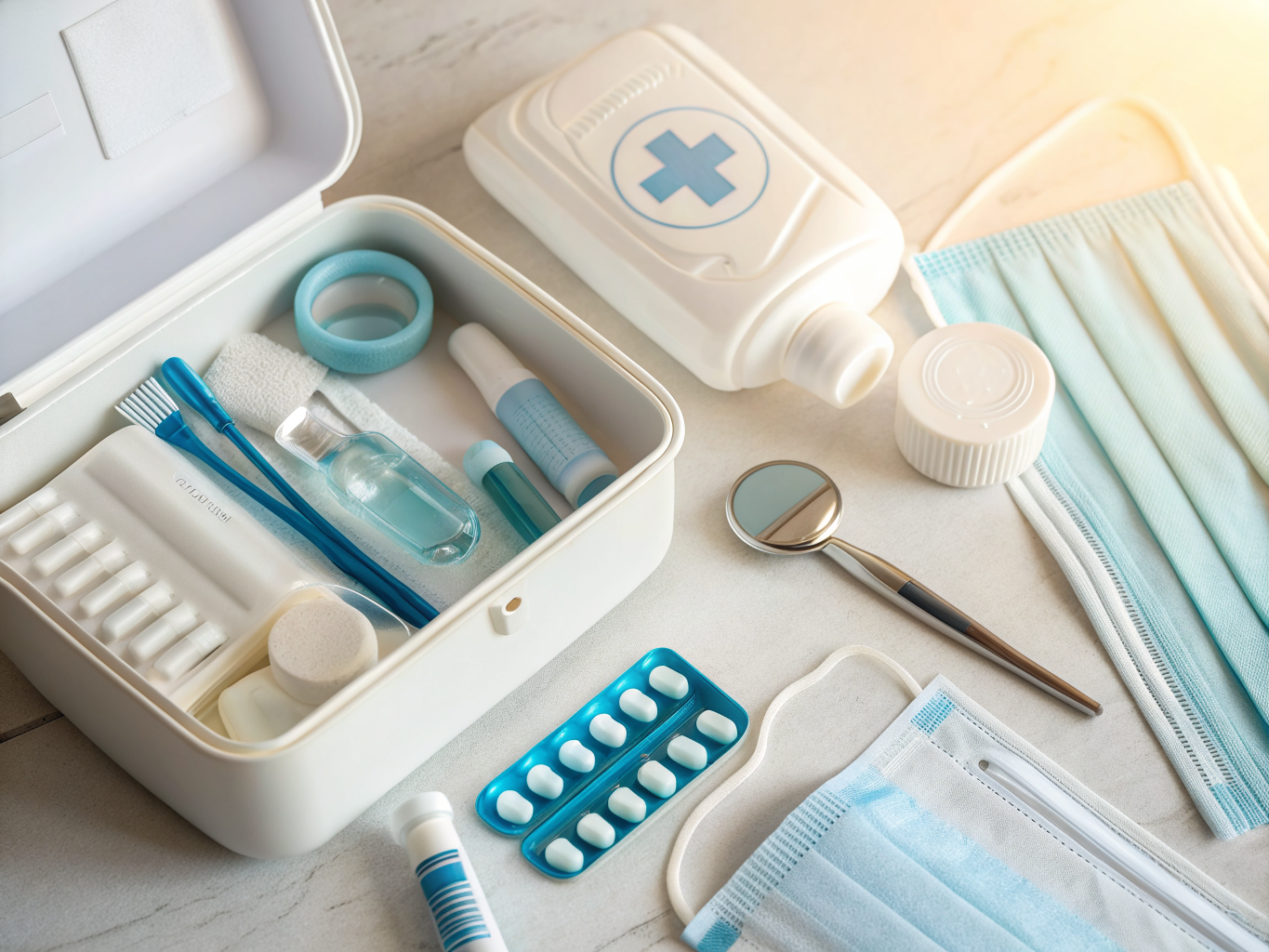
Building an effective emergency dental kit requires selecting items that address the most common urgent situations. Professional dental organizations recommend specific supplies that provide immediate relief while maintaining safety standards. Your kit should focus on pain management, bleeding control, and temporary protection until professional care becomes available.
Quality matters when selecting emergency supplies. Choose sterile materials and check expiration dates regularly to ensure effectiveness during critical moments.
1. Pain Relief Medications
Over-the-counter pain relievers form the foundation of emergency dental care. Ibuprofen is most effective for dental pain because it reduces inflammation while providing analgesia.
2. Sterile Gauze and Cotton Rolls
Bleeding control requires proper materials that won’t leave fibers in wounds. Include both 2×2 gauze pads and dental cotton rolls for different emergency scenarios.
3. Temporary Dental Cement
Lost crowns and fillings need immediate protection to prevent further damage. Temporary cement available at pharmacies provides short-term solutions until professional repair.
4. Antiseptic Rinse Solutions
Saltwater rinses and hydrogen peroxide help prevent infection in damaged tissues. Mix 1 teaspoon of salt into 1 cup of warm water for emergency cleaning.
5. Cold Compress Materials
Instant cold packs reduce swelling and numb pain without requiring refrigeration. Keep several packs on hand since they’re single-use.
6. Dental Tools and Accessories
Small dental mirrors and tweezers help assess damage and safely remove debris. Choose tools with smooth edges to avoid additional injury.
7. Emergency Contact Information
Include contact details for your regular dentist and emergency services, such as Emergency Dental San Francisco at 415-230-2783. Quick access to professional help saves crucial time during crises.
Proper emergency response often determines treatment outcomes and recovery time.
Proper Storage and Maintenance of Your Emergency Dental Kit
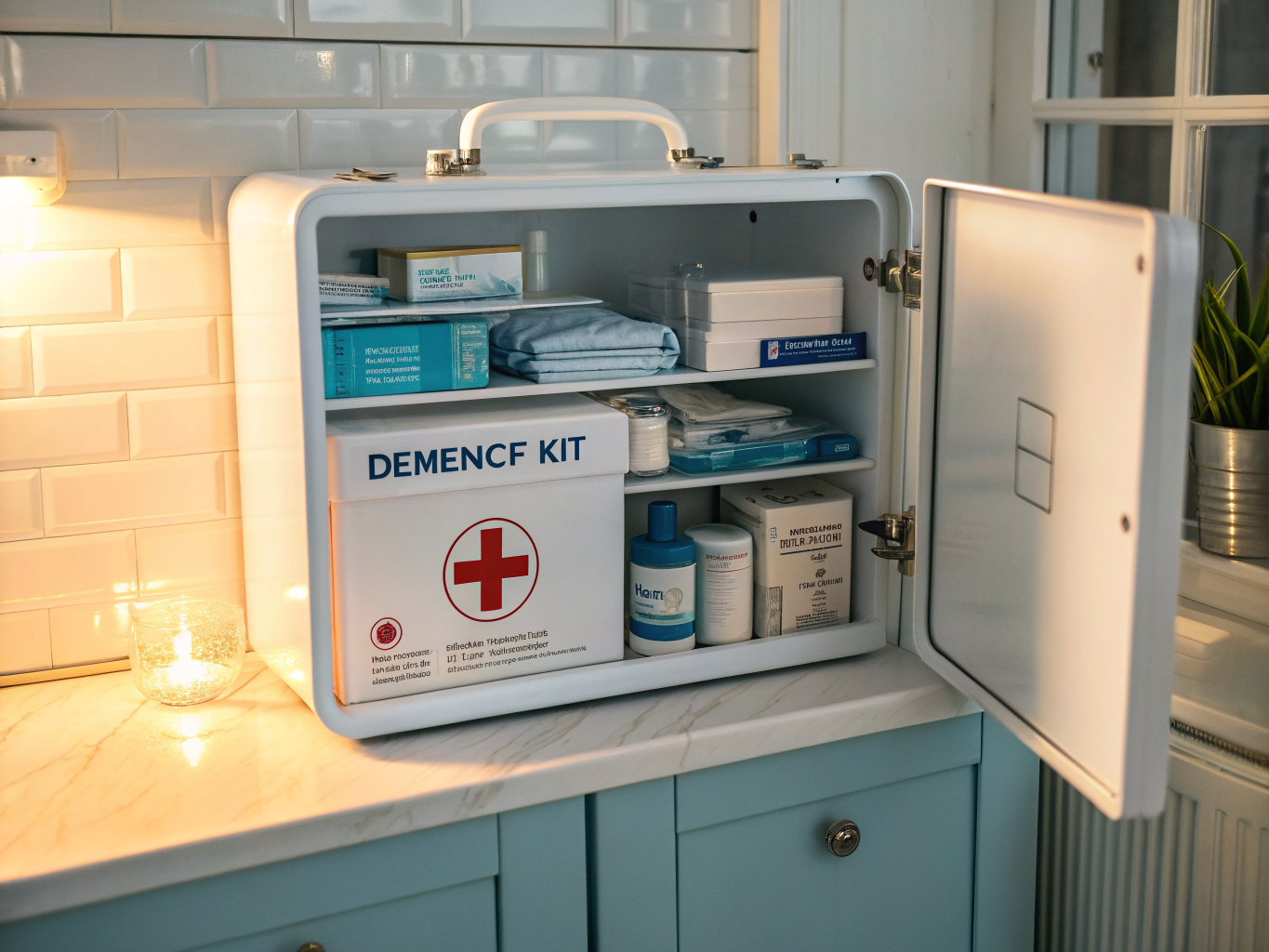
Effective emergency preparedness requires proper storage of kits and regular maintenance. Supplies lose effectiveness over time, and poor storage conditions can compromise sterility. Regular inspection ensures your kit remains ready for actual emergencies when seconds count.
Location matters as much as content when preparing for dental emergencies. Your kit should be easily accessible but protected from temperature extremes and moisture.
Storage Location Guidelines
Choose a cool, dry location away from direct sunlight and temperature fluctuations. Bathroom medicine cabinets often experience fluctuations in humidity that can damage stored supplies.
Consider keeping smaller kits in multiple locations, like your car, office, and travel bags. Emergencies don’t wait for convenient timing or locations.
Expiration Date Management
Check expiration dates every six months and replace outdated items immediately. Expired medications lose potency, and sterile supplies may become contaminated over time.
Create a simple checklist with purchase dates to track when replacements become necessary. Most over-the-counter pain relievers remain effective for 2 to 3 years when stored properly.
Regular Kit Inspection
Monthly inspections help identify damaged packaging or missing items before emergencies occur. Replace any supplies that show signs of damage or contamination.
Test cold packs periodically to ensure they activate properly when needed. These items can fail without obvious external signs of damage.
Proper maintenance transforms your emergency dental kit from a collection of supplies into a reliable emergency response system.
Building Your Complete Emergency Preparedness Strategy
Comprehensive dental emergency preparedness extends beyond assembling supply kits to include planning, education, and professional relationships. Effective preparation considers various emergency scenarios and establishes clear response protocols for different family members. Your strategy should address both immediate response and long-term care coordination.
Integration with professional services like Emergency Dental San Francisco creates a complete safety net for dental emergencies. Having established relationships with emergency providers streamlines care when urgent situations arise.
Family Emergency Planning
Each family member should understand basic emergency response techniques and know how to access professional help quickly. Children need age-appropriate instruction on recognizing dental emergencies and providing initial responses.
Designate specific responsibilities for each family member during emergencies to avoid confusion and delays.
Regular Dental Check-Ups for Prevention
Preventive care through regular dental check-ups identifies potential problems before they become emergencies. Professional cleanings and examinations catch issues early when treatment options remain simple and effective.
ADA dental guidelines recommend routine examinations every 6 months to maintain optimal oral health and prevent emergencies.
Insurance and Financial Preparation
Understanding your dental insurance coverage for emergency care helps avoid financial surprises during stressful situations. Emergency Dental San Francisco accepts most dental insurance plans and offers financing options for comprehensive care.
Keep insurance information readily available with your emergency kit for quick access during urgent situations.
Communication and Documentation
Establish clear communication protocols with family members about emergency contacts and procedures. Written instructions help maintain clarity during high-stress situations when memory might be unreliable.
Document allergies, medications, and medical conditions that might affect emergency treatment decisions.
Practice and Training
Regular review of emergency procedures helps maintain readiness and confidence during actual emergencies. Practice using kit supplies and review contact information periodically.
Consider first aid training that includes basic emergency dental care techniques for comprehensive preparedness.
Complete emergency preparedness transforms potential dental crises into manageable situations with positive outcomes.
Step-by-Step Emergency Response Protocols Using Your Dental Kit
Having supplies available means nothing without knowing proper emergency response techniques. Each dental emergency requires specific steps to maximize effectiveness and prevent additional damage. Following established protocols helps you remain calm and take appropriate action during stressful situations.
These protocols provide immediate relief while preparing for professional care. Remember that home treatment serves as a bridge to proper clinical intervention, not a replacement for professional evaluation.
1. Assess the Situation Quickly
Take a moment to evaluate the severity and type of emergency before acting. Look for signs of serious trauma, bleeding, or swelling that might require immediate professional attention rather than home care.
2. Control Pain and Bleeding
Address immediate discomfort with appropriate pain relievers and direct pressure for bleeding control. Use sterile gauze and maintain pressure for 10-15 minutes to allow clotting.
3. Clean and Protect Damaged Areas
Gently rinse with saltwater to remove debris and bacteria from injured tissues. Avoid aggressive cleaning that might cause additional damage to sensitive areas.
4. Apply Temporary Solutions
Use temporary cement for lost crowns or fillings, but avoid permanent repairs that might complicate professional treatment. These measures provide short-term protection only.
5. Document the Incident
Take photos if possible and note the time and circumstances of the injury. This information helps dental professionals understand the full scope of treatment needed.
6. Seek Professional Care
Contact Emergency Dental San Francisco at 415-230-2783 for same-day appointments or immediate consultation. A professional evaluation determines appropriate treatment and helps prevent complications.
7. Follow Aftercare Instructions
Continue using appropriate kit supplies for ongoing care as directed by dental professionals. Proper follow-up care supports healing and prevents secondary problems.
Effective emergency response combines immediate action with professional follow-up care for optimal outcomes.
When Home Care Transitions to Professional Dental Emergency Treatment
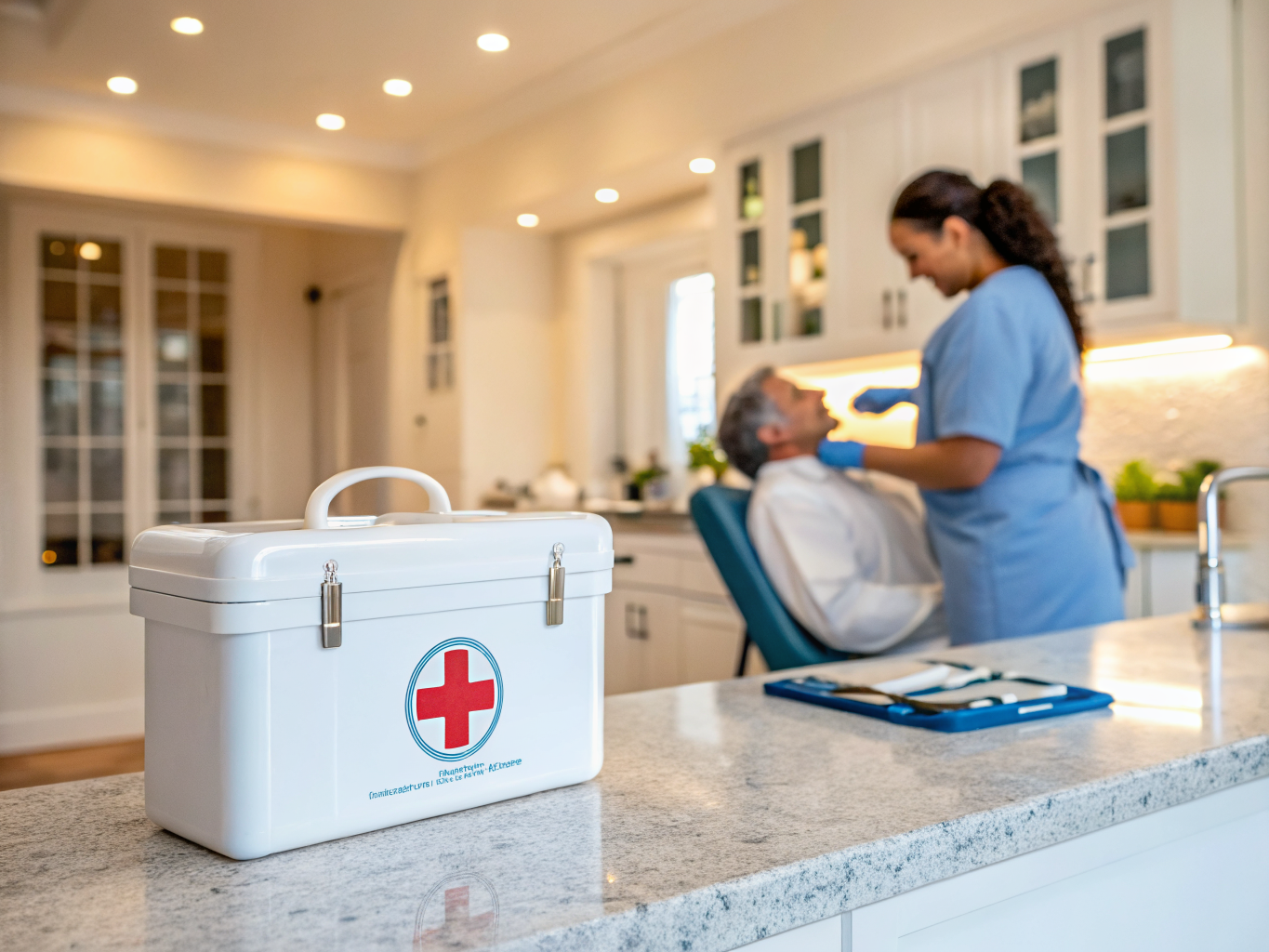
Emergency dental kits provide temporary relief, but certain situations require immediate professional intervention. Understanding these boundaries prevents complications and improves treatment success rates. Some dental emergencies can worsen rapidly without proper clinical care, making a quick professional assessment critical.
Emergency Dental San Francisco handles urgent cases that exceed the capabilities of home care. Our clinic provides same-day appointments and walk-in availability for situations requiring immediate attention.
1. Knocked-Out or Avulsed Teeth
Complete tooth loss requires professional reimplantation within 30 minutes for optimal success rates. Home care involves gentle cleaning and moisture preservation, but only dental professionals can properly reattach teeth.
2. Suspected Dental Abscesses
Swelling accompanied by fever indicates serious infection requiring antibiotic therapy and drainage. These infections can spread to vital structures without prompt professional treatment.
3. Uncontrolled Bleeding
Bleeding that doesn’t stop with direct pressure needs immediate evaluation. A professional assessment determines whether sutures or other interventions are necessary.
4. Severe Fractures
Broken teeth extending below the gum line or involving nerve exposure require emergency treatment. Temporary pain relief helps, but professional repair prevents further damage.
5. Jaw Trauma
Suspected jaw fractures or dislocations need immediate medical evaluation. These injuries often require coordination between dental and medical professionals.
6. Orthodontic Emergencies
Broken braces or wires that cause soft-tissue injury require professional adjustment. Temporary wax provides relief, but proper repair requires clinical intervention.
Recognizing when professional care becomes necessary can prevent minor emergencies from becoming major complications.
Professional Emergency Dental Services Beyond Home Care Capabilities
While emergency dental kits handle initial responses effectively, many situations require professional intervention beyond home care capabilities. Advanced procedures, prescription medications, and specialized equipment provide treatment options unavailable through home management alone. Understanding these limitations helps you recognize when professional care becomes necessary.
Emergency Dental San Francisco offers comprehensive urgent care services that complement your home emergency preparedness. Our 24/7 availability ensures professional help remains accessible when home treatment reaches its limits.
Advanced Pain Management
Professional pain control includes prescription medications and injection techniques that provide superior relief compared to over-the-counter options. Local anesthesia allows comfortable treatment of severe injuries that would be unbearable with home pain management alone.
Some dental emergencies involve nerve damage requiring specialized pain protocols beyond standard home care capabilities.
Infection Control and Antibiotic Therapy
Dental infections often require prescription antibiotics and professional drainage procedures that prevent spread to surrounding tissues. Home antiseptic rinses provide temporary relief but cannot replace comprehensive infection management.
Professional assessment determines appropriate antibiotic selection and dosing based on infection severity and patient factors.
Emergency Surgical Procedures
Tooth extractions, root canal therapy, and soft tissue repair require clinical facilities and professional expertise. These procedures address underlying problems rather than just managing symptoms.
Same-day surgical intervention often prevents complications that could develop with delayed treatment approaches.
Diagnostic Imaging and Assessment
Digital X-rays reveal hidden damage invisible to visual examination alone. Professional diagnostic capabilities identify fractures, infections, and other conditions that require specific treatment approaches.
Accurate diagnosis guides appropriate treatment selection and prevents unnecessary procedures or delayed healing.
Specialized Equipment and Materials
Professional dental materials provide permanent solutions rather than temporary measures available in home kits. High-quality restorations and repairs restore full function and prevent future problems.
Clinical sterilization and infection control standards ensure safe treatment in controlled environments.
Professional emergency dental care provides definitive treatment that transforms temporary relief into lasting solutions.
Conclusion
Preparation of an emergency dental kit provides crucial first-response capabilities for unexpected dental crises. Professional care through services like Emergency Dental San Francisco ensures comprehensive treatment beyond home management. Combining proper preparation with immediate professional access creates optimal emergency dental care outcomes.
Emergency Dental San Francisco provides 24/7 emergency care for unexpected dental crises. Our experienced team delivers fast pain relief and professional treatment any time. Learn more about preparing for dental emergencies today.
FAQs
What Should Be in an Emergency Dental Kit?
Include gauze, a small cold pack, ibuprofen/acetaminophen (as directed), salt packets (for warm salt-water rinses), dental wax (for sharp edges/braces), temporary filling/cement, floss, a soft toothbrush, a small container with a lid (for a tooth), saline or contact-lens solution (not water) for rinsing a knocked-out tooth, and our number (415-230-2783) for same-day guidance and care.
How Do You Use a Temporary Filling Kit?
Rinse your mouth, gently remove food debris, dry the tooth area with gauze/cotton, press a small amount of temporary material into the hole (avoid deep packing), bite down gently to shape it, and follow the kit’s setting time. Use it only as a short-term seal—call us for prompt, definitive treatment.
Can You Use Super Glue to Reattach a Tooth or Crown?
No—household super glue is not medical-grade and can irritate tissues, trap bacteria, and complicate treatment. If a crown is off, you can use dental crown cement from a pharmacy as a temporary measure and contact us for urgent re-cementing or replacement.
What Can I Do for a Broken Tooth Until I See a Dentist?
Rinse with warm salt water, apply a cold compress to reduce swelling, take OTC pain relief as directed, and cover sharp edges with dental wax or sugar-free gum. Save any fragments, avoid chewing on that side, and come in for same-day evaluation to prevent infection or further cracking.
How Do You Stop Tooth Pain Fast at Home?
Use cold compresses, take ibuprofen/acetaminophen as directed (if safe for you), rinse with warm salt water, gently floss to remove trapped food, and avoid very hot or cold foods and sugary foods. If pain is severe, throbbing, or paired with swelling/fever, call 415-230-2783—fast relief often requires urgent dental treatment.

Emergency Dental San Francisco is a dental office focused on providing same-day dental appointments to patients in San Francisco and the surrounding area. We provide urgent dental care services during weekends, evenings and holidays.
We accept several forms of payment and have financing options available to those who qualify. We accept most dental insurance.