


10 Feb Emergency Dental Care Pediatric: Lost Filling Pain Relief
When your child loses a filling, the pain can be overwhelming and frightening for both you and your little one. A lost filling exposes the tooth’s sensitive inner layers, causing sharp pain that worsens with eating, drinking, or even breathing. Emergency dental care and pediatric services become essential when children experience this type of dental trauma, as prompt professional treatment prevents further complications and provides immediate relief.
This guide will help you understand what to do when your child loses a filling, how to manage their pain safely, and when to seek immediate professional care. You’ll learn about treatment options, prevention strategies, and how to find reliable emergency dental care in your area.
Key Takeaways
- Lost fillings in children require immediate dental attention to prevent infection and further tooth damage.
- Temporary pain relief includes cold compresses, over-the-counter children’s pain medication, and avoiding hot or cold foods.
- Emergency dental clinics provide same-day treatment, including temporary fillings, permanent restorations, and pain management.
- Professional care within 24-48 hours can prevent complications such as tooth decay, infection, and increased sensitivity.
- Prevention strategies include regular dental checkups, protective mouthguards for sports, and avoiding hard or sticky foods.
Understanding Lost Fillings in Children and Immediate Pain Relief
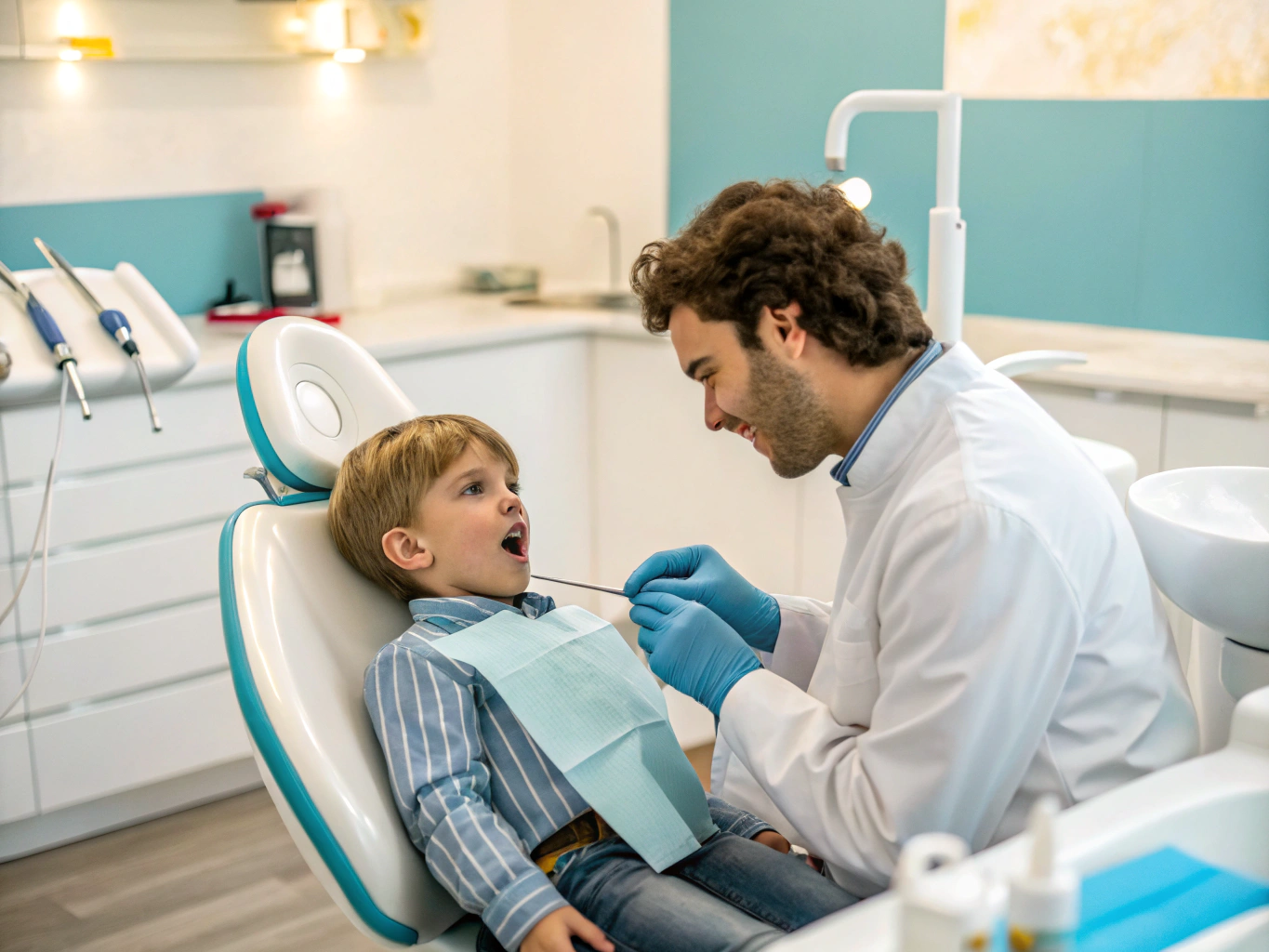
Children lose fillings more frequently than adults due to their eating habits, teeth grinding, and active lifestyles. The exposed tooth structure becomes extremely sensitive to temperature changes, pressure, and bacteria. Emergency dental care pediatric specialists understand that children experience pain differently and require gentle, compassionate treatment approaches.
When a filling falls out, the tooth’s nerve endings become exposed to air, food particles, and bacteria. This exposure creates intense pain that can interfere with eating, sleeping, and daily activities. The pain often worsens at night when children lie down, as increased blood flow to the head intensifies the discomfort.
Immediate pain management becomes the first priority while seeking professional dental care. Parents should avoid placing aspirin directly on the tooth or gums, as this can cause chemical burns. Instead, age-appropriate over-the-counter pain relievers provide safer relief when used as directed on the package.
Immediate Steps for Managing Pediatric dental emergencies
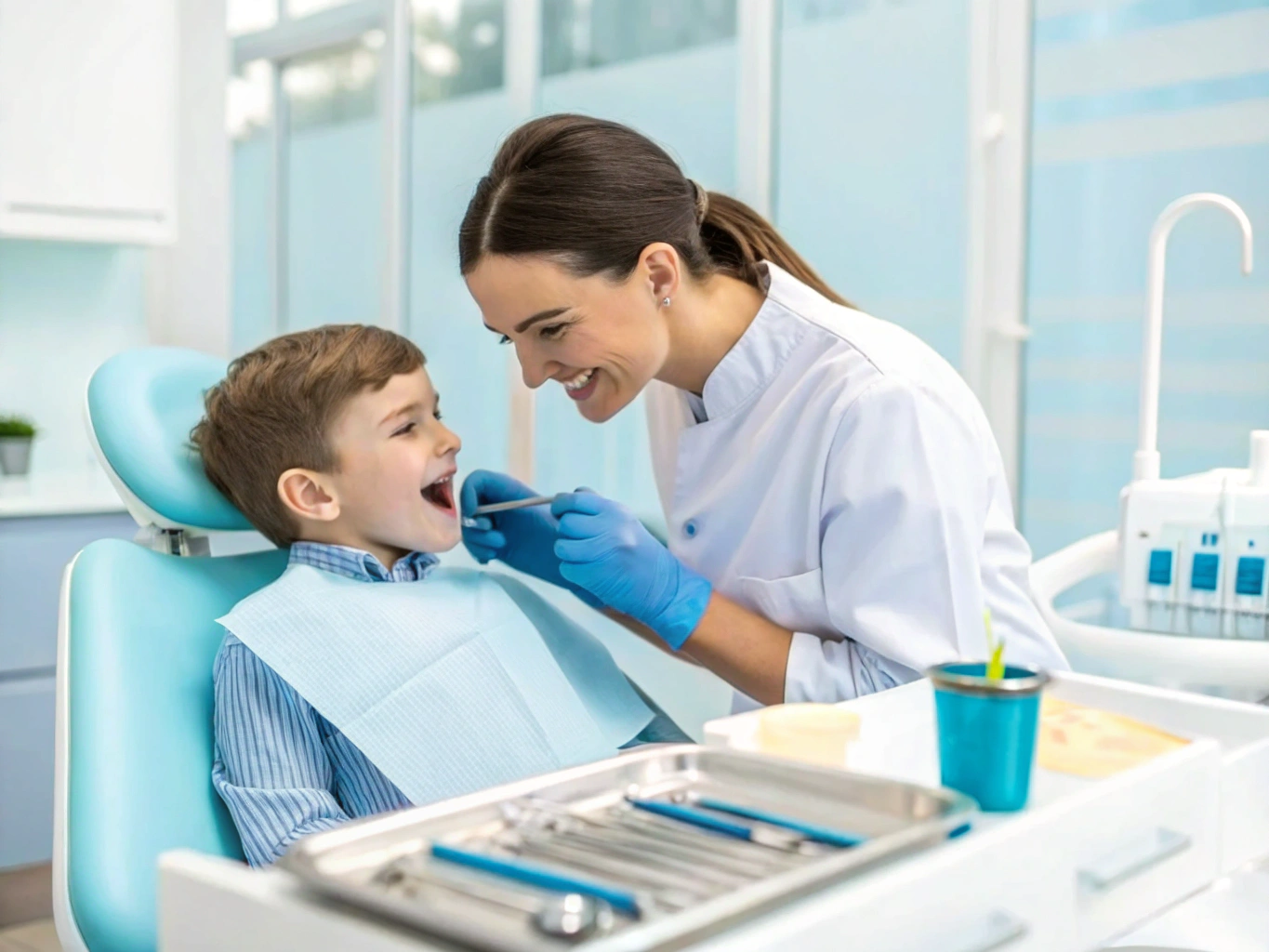
Taking quick action when your child loses a filling can prevent complications and significantly reduce their discomfort. Emergency dental care pediatric protocols emphasize immediate pain control followed by professional evaluation and treatment.
1. Assess the Situation and Comfort Your Child
Stay calm and reassure your child that you will help them feel better. Gently examine the affected tooth using a clean flashlight or phone light. Look for visible damage, swelling, or bleeding around the area.
2. Clean the Area Carefully
Rinse your child’s mouth with warm water to remove food particles and debris from the exposed tooth. Use a soft-bristled toothbrush to gently clean around the affected area without applying pressure to the sensitive spot.
3. Apply a cold compress for Swelling
Place a cold compress or ice pack wrapped in a thin towel against the outside of your child’s cheek for 10-15 minutes. This reduces swelling and temporarily numbs the pain while you arrange professional care.
4. Provide Age-Appropriate Pain Relief
Administer children’s ibuprofen or acetaminophen according to the package instructions based on your child’s age and weight. These medications reduce both pain and inflammation effectively when used properly.
5. Protect the Exposed Tooth
Temporary dental cement from a pharmacy can cover the exposed area until professional treatment. Apply a small amount according to package directions, ensuring your child doesn’t swallow any of the material.
6. Contact Emergency Dental Services
Call an emergency dental care dentist immediately to schedule same-day treatment. Many dental clinics offer after-hours and weekend appointments specifically for pediatric emergencies, such as lost fillings.
7. Monitor for Complications
Watch for signs of infection, including fever, facial swelling, or pus around the affected tooth. These symptoms require immediate professional attention to prevent serious complications.
Professional Treatment Options for Lost Fillings in Children
When a child loses a filling, the treatment plan depends on how much tooth structure is exposed, how deep the cavity is, and the child’s age and comfort level. An emergency dental evaluation helps determine if a simple replacement will solve the problem or if the tooth needs stronger protection to prevent pain, infection, or further damage. The goal is to relieve discomfort quickly and restore the tooth, so your child can eat, sleep, and smile normally again.
| Treatment Option | Time Required | Durability | Best For |
|---|---|---|---|
| Temporary Filling | 15–20 minutes | 2–4 weeks | Immediate pain relief |
| Permanent Composite Filling | 30–45 minutes | 5–10 years | Small to medium cavities |
| Crown Restoration | 60–90 minutes | 10–15 years | Extensive damage |
| Root Canal Therapy | 45–75 minutes | Permanent | Infected or damaged nerve |
Temporary fillings can stabilize the tooth the same day, while permanent composite fillings rebuild structure and protect against decay using tooth-colored materials. When damage is more severe, a crown may be recommended to reinforce the tooth and restore bite strength, and root canal therapy may be needed if the nerve is infected or compromised. For families in the San Francisco Bay Area, our pediatric emergency dental care team offers same-day support 24/7 with a gentle, child-friendly approach—prioritizing pain relief, then explaining clear options parents can feel confident about.
Recognizing When Emergency Dental Care Becomes Critical
A lost filling in a child can sometimes be managed briefly at home, but certain symptoms mean you should seek emergency dental care right away. These warning signs often indicate deeper tooth involvement, an increased risk of infection, or complications that can escalate quickly in children. Prompt treatment not only relieves pain faster, but it also reduces the chance your child will need more complex procedures.
- Severe, throbbing pain that doesn’t improve with OTC medication (may signal nerve involvement or infection, often worse at night or radiating to the face/head)
- Facial swelling around the cheek or jaw (can indicate an abscess or spreading infection that may require antibiotics and urgent dental treatment)
- Fever with dental pain (suggests possible systemic infection and needs immediate professional care)
- Bleeding that won’t stop after 10–15 minutes of gentle pressure (may point to tissue injury or complications beyond a simple lost filling)
- Difficulty eating, drinking, or swallowing (puts nutrition and hydration at risk and typically requires rapid pain relief and restoration)
When these symptoms appear, waiting can allow the infection to spread and the pain to intensify, especially in younger children. Emergency pediatric dental providers can quickly determine if the tooth needs a simple restoration, stronger protection, or advanced care such as drainage or nerve treatment. Getting seen early helps your child feel better sooner and protects the tooth while keeping treatment as conservative as possible.
Prevention Strategies for Protecting Children’s Dental Fillings
Preventing lost fillings requires a combination of good oral hygiene, dietary awareness, and protective measures during physical activities. Emergency dental care data for pediatric patients shows that many filling failures are preventable through proper care and regular maintenance.
1. Maintain Excellent Oral Hygiene
Brush twice daily with fluoride toothpaste and floss regularly to prevent decay around existing fillings. Bacteria and plaque buildup can weaken the bond between fillings and tooth structure, leading to premature failure.
2. Avoid Hard and Sticky Foods
Limit ice chewing, hard candies, and sticky treats that can dislodge fillings. Teach children to chew carefully and avoid using their teeth as tools to open packages or crack nuts.
3. Use Protective Mouthguards
Custom-fitted mouthguards protect teeth during sports and recreational activities. These devices distribute impact forces and prevent dental trauma that can damage fillings or cause tooth fractures.
4. Address Teeth Grinding
Night guards help children who grind their teeth during sleep. Bruxism creates excessive pressure on fillings and can cause them to crack or become loose over time.
5. Schedule Regular Dental Checkups
Professional examinations every six months allow early detection of filling problems before they become painful emergencies. Dental clinic visits include checking filling integrity and replacing worn restorations proactively.
6. Monitor for Warning Signs
Teach children to report sensitivity, rough edges, or unusual tastes that may indicate filling problems. Early intervention prevents minor issues from becoming major emergencies requiring extensive treatment.
Finding Reliable Emergency Dental Care in Your Area
Locating quality emergency dental care pediatric services before you need them ensures rapid access during dental emergencies. Research shows that prompt professional treatment within 24-48 hours of filling loss significantly improves outcomes and reduces complications.
Look for dental practices that offer same-day appointments, after-hours availability, and specific pediatric emergency protocols. Many open dental clinics now provide 24/7 phone access and weekend services specifically for urgent dental situations involving children.
Verify that the emergency dental care dentist has experience treating children and uses age-appropriate pain management techniques. Pediatric dental emergencies require specialized approaches that consider children’s unique physical and emotional needs during stressful situations.
Insurance acceptance and payment options become important factors when choosing emergency dental services. Many families face unexpected dental expenses, so practices offering flexible payment plans and transparent pricing help make urgent care more accessible.
We serve families throughout San Francisco and the greater Bay Area with 24/7 emergency dental care pediatric services. Our team understands that children’s dental emergencies can’t wait for regular business hours, which is why we maintain around-the-clock availability for urgent situations like lost fillings, tooth trauma, and severe pain.
Conclusion
Lost fillings in children require immediate attention and professional care to prevent complications. Quick pain management combined with same-day emergency dental treatment ensures your child’s comfort and oral health. Don’t wait when dental emergencies occur—seek professional care promptly for the best outcomes.
Emergency Dental San Francisco provides immediate pain relief for children’s lost fillings with same-day appointments. Our compassionate team prioritizes comfort and safety for young patients. Learn more about our pediatric emergency services today.
FAQs
What Is Considered a Pediatric Dental Emergency?
A pediatric dental emergency is any mouth or tooth problem that needs same-day care, such as severe toothache, facial swelling, bleeding that won’t stop, a knocked-out or loose tooth, a broken/cracked tooth, a dental abscess, or signs of infection (fever, swelling, trouble swallowing). If your child is in significant pain or swelling is spreading, call Emergency Dental San Francisco at 415-230-2783 for urgent guidance and care.
What Should I Do If My Child Knocks Out a Tooth?
Stay calm and act quickly. If it’s a permanent tooth, gently pick it up by the crown (not the root), rinse briefly if dirty, try to place it back in the socket, or store it in milk or saliva, and get to an emergency dentist immediately. If it’s a baby tooth, do not reinsert it—seek urgent dental care to protect the developing adult tooth. Call 415-230-2783 for same-day help.
Where Can I Take My Child for Emergency Dental Care?
You can bring your child to Emergency Dental San Francisco for same-day, after-hours, weekend, and holiday urgent dental care. We serve San Francisco and the Bay Area, accept walk-ins when available, and you can book online or call 415-230-2783 24/7 for the fastest next steps.
How Much Does emergency pediatric dental care Cost?
Costs vary based on what’s needed (exam, X-rays, pain relief, filling repair, drainage, or extraction). We accept most dental insurance plans, offer financing options for those who qualify, and for self-pay patients we accept cash and major credit cards with transparent pricing discussed before treatment whenever possible.
Can I Take My Child to the ER for a Dental Emergency?
Yes, go to the ER or call 911 for trouble breathing, uncontrolled bleeding, severe facial swelling, high fever, or major trauma. For most dental emergencies (tooth pain, broken tooth, abscess, lost filling), an emergency dentist is usually the best place for definitive treatment—ERs often can only provide temporary pain control and antibiotics. If you’re unsure, call 415-230-2783 and we’ll help you decide the safest next step.

Emergency Dental San Francisco is a dental office focused on providing same-day dental appointments to patients in San Francisco and the surrounding area. We provide urgent dental care services during weekends, evenings and holidays.
We accept several forms of payment and have financing options available to those who qualify. We accept most dental insurance.