


10 Mar Emergency Dental Visit for Severe Tooth Pain: How Dentists Identify the Cause Before Treatment
Severe tooth pain can strike at any moment, turning a normal day into an urgent situation that demands immediate professional attention. When intense dental pain hits, seeking prompt care at a specialized emergency dental clinic becomes essential for both relief and preventing serious complications that could affect your overall health.
This article explains when severe tooth pain requires emergency treatment, what to expect during your dental emergency visit, and how professional urgent care can quickly resolve your discomfort while protecting your long-term oral health.
Key Takeaways
- Severe tooth pain often signals serious underlying conditions requiring immediate professional treatment.
- Emergency dental visits provide rapid pain relief through targeted treatments and medications.
- Professional urgent care prevents complications like infections from spreading to other areas.
- Same-day appointments and 24/7 availability ensure access when pain strikes unexpectedly.
- Specialized emergency dental clinics offer comprehensive diagnostic tools and treatment options.
Understanding When Tooth Pain Requires Emergency Dental Care
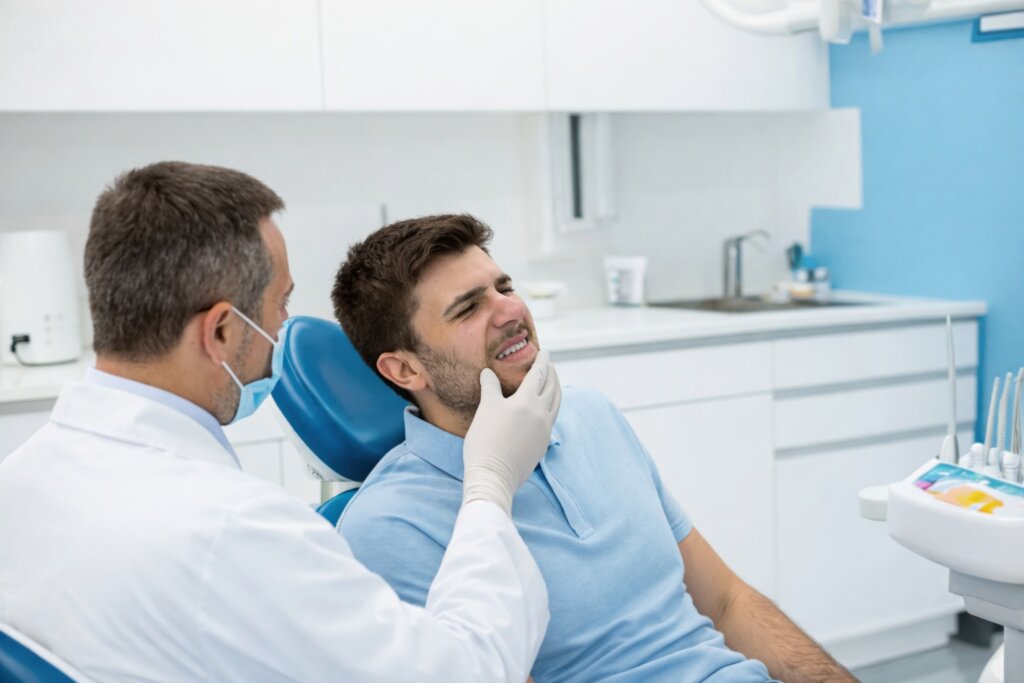
Not all tooth discomfort constitutes a true dental emergency, but certain pain characteristics indicate the need for immediate professional intervention. Severe, throbbing pain that disrupts sleep or daily activities often signals serious underlying issues, such as infections or nerve damage. Pain accompanied by facial swelling, fever, or difficulty swallowing requires urgent attention as these symptoms may indicate spreading infection.
Sharp pain when biting down could suggest a cracked tooth or a damaged filling that needs immediate repair. Persistent pain lasting more than a day, especially when accompanied by sensitivity to hot or cold temperatures, typically indicates nerve involvement and requires prompt treatment.
Recent data shows tooth disorders accounted for nearly 2 million emergency department visits annually during 2020-2022, highlighting the widespread need for accessible emergency dental care. Many of these visits could be better served at specialized dental clinics equipped to handle urgent oral health situations.
What Happens During Your Emergency Dental Visit
Your emergency dental visit begins with rapid triage to assess your pain level and identify any immediate threats to your health. The dental team prioritizes pain control first, often administering local anesthesia or prescribing medications to provide quick relief while conducting a thorough examination.
Digital X-rays and clinical examination help pinpoint the exact source of your pain, whether it stems from decay, infection, trauma, or other dental issues. This diagnostic phase typically takes 15-20 minutes but provides crucial information for developing an effective treatment plan.
1. Initial Pain Assessment and Triage
Emergency dental professionals evaluate your pain intensity using standardized scales and assess any accompanying symptoms, such as swelling or fever. This initial assessment determines the urgency level and guides immediate pain management strategies.
2. Comprehensive Diagnostic Examination
Digital imaging and visual inspection identify the root cause of your pain, examining teeth, gums, and surrounding tissues. Advanced diagnostic tools help detect issues not visible to the naked eye, ensuring accurate treatment planning.
3. Immediate Pain Relief Measures
Local anesthesia, anti-inflammatory medications, or other pain management techniques provide rapid relief while preparing for definitive treatment. This step often brings significant comfort within minutes of arrival.
4. Treatment Options Discussion
Your emergency dentist explains available treatment options in clear language, discussing the benefits, risks, and costs of each approach. This transparent communication helps you make informed decisions about your care.
5. Same-Day Treatment When Possible
Many emergency dental conditions can be treated immediately, including extractions, root canal therapy, or temporary repairs. Same-day treatment eliminates the need for multiple visits while managing acute pain.
6. Follow-Up Care Planning
Your visit concludes with detailed aftercare instructions and scheduling any necessary follow-up appointments. Written instructions and prescription medications ensure continued healing and pain management at home.
Common Emergency Dental Treatments for Severe Pain
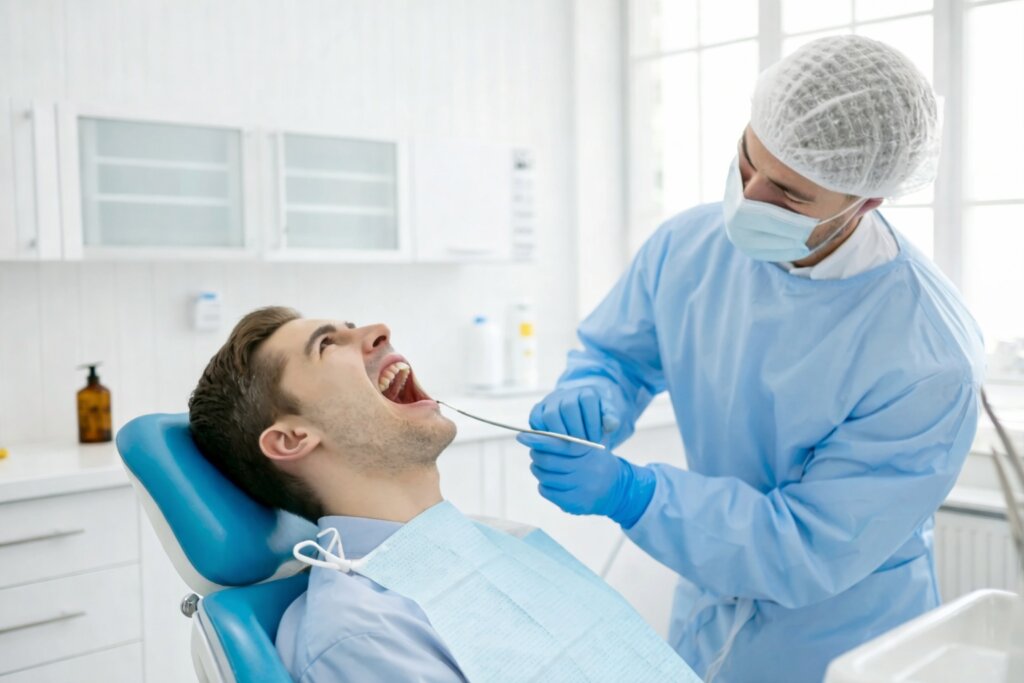
Emergency dental clinics offer various treatments specifically designed to address acute pain and prevent further complications. Root canal therapy removes infected or damaged nerve tissue, providing immediate relief from severe toothaches while saving the natural tooth structure. Emergency extractions may be necessary when teeth are too damaged to repair or when infections pose serious health risks.
Drainage of dental abscesses provides rapid pain relief and prevents infection from spreading to other areas of the face or body. Temporary or permanent restoration of broken teeth eliminates sharp edges and protects exposed nerve endings that cause significant discomfort.
| Treatment Type | Pain Relief Timeline | Typical Duration |
|---|---|---|
| Root Canal Therapy | Immediate during procedure | 60-90 minutes |
| Emergency Extraction | Within 30 minutes | 30-45 minutes |
| Abscess Drainage | Immediate relief | 15-30 minutes |
| Temporary Restoration | Immediate protection | 20-40 minutes |
We provide comprehensive emergency dental services including urgent examinations, same-day extractions, infection control through root canal therapy, and repair of damaged teeth. Our clinic follows strict sterilization protocols and uses modern equipment to ensure safe, effective treatment in a clean clinical environment.
When to Seek Emergency Dental Care Immediately
Certain symptoms require immediate emergency dental attention and should not be delayed even for a few hours. Severe swelling of the face, neck, or throat area, especially when accompanied by difficulty swallowing or breathing, indicates a serious infection requiring urgent treatment.
Uncontrolled bleeding following dental trauma or procedures, persistent severe pain that doesn’t respond to over-the-counter medications, and signs of systemic infection like high fever or chills all warrant immediate professional care.
- Facial swelling affecting breathing or swallowing
- Uncontrolled bleeding from the mouth
- Severe pain unresponsive to pain medications
- Signs of serious infection including fever and chills
- Trauma resulting in jaw fracture or dislocation
- Knocked-out permanent teeth (especially within 30 minutes)
You might be wondering whether your situation truly requires emergency care. When in doubt, calling an emergency dental clinic for professional guidance helps determine the appropriate level of care needed and may prevent serious complications from developing.
Benefits of Professional Emergency Dental Care Over Home Remedies
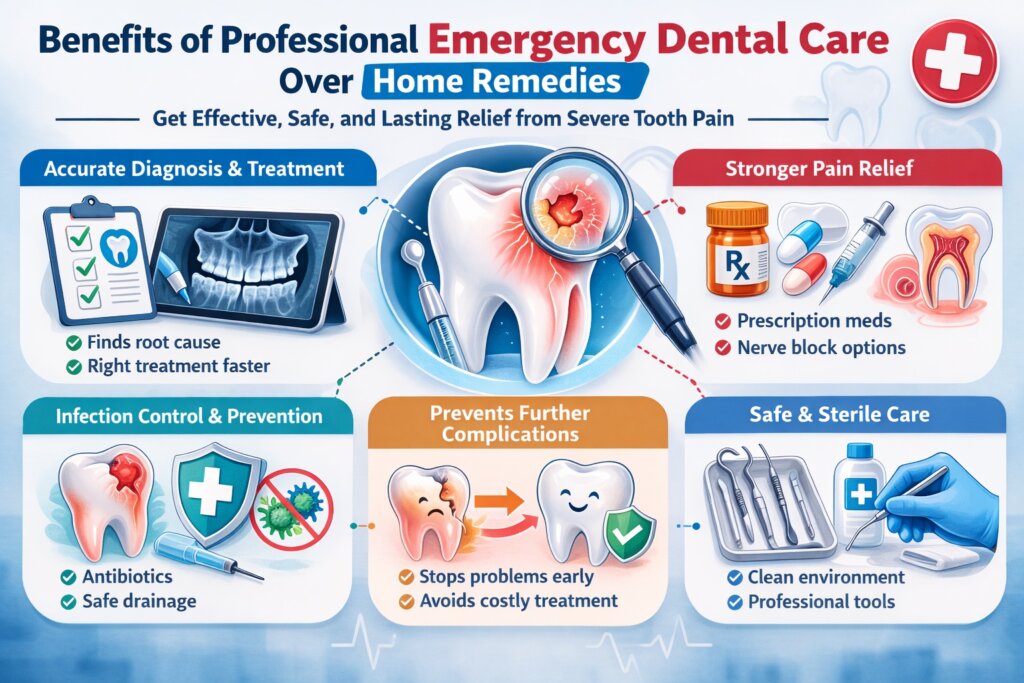
While over-the-counter pain medications and home remedies may provide temporary relief, professional emergency dental care addresses the underlying cause of severe tooth pain. Licensed dental professionals can prescribe stronger pain medications and antibiotics when infections are present, providing more effective and longer-lasting relief than home treatments alone.
Professional treatment prevents minor issues from developing into serious complications that could require more extensive and expensive procedures later. Emergency dental visits also provide peace of mind through accurate diagnosis and appropriate treatment planning.
1. Accurate Diagnosis and Treatment
A professional examination and digital imaging identify the exact cause of your pain, ensuring appropriate treatment rather than relying on home remedies. Accurate diagnosis prevents ineffective treatments and reduces recovery time.
2. Stronger Pain Management Options
Licensed dentists can prescribe prescription-strength pain medications and perform procedures like nerve blocks that provide superior pain relief. These options are not available through over-the-counter treatments or home remedies.
3. Infection Control and Prevention
Professional treatment addresses bacterial infections with appropriate antibiotics and, when necessary, drainage procedures. Untreated dental infections can spread to other parts of the body, creating serious health risks.
4. Prevention of Complications
Early professional intervention prevents minor dental problems from progressing to more serious conditions requiring extensive treatment. This proactive approach often saves both time and money in the long term.
5. Safe and Sterile Treatment Environment
Emergency dental clinics maintain strict infection control standards and use sterile instruments, reducing the risk of additional complications. Professional treatment eliminates the safety concerns associated with attempting self-treatment.
Choosing the Right Emergency Dental Clinic
Selecting an appropriate emergency dental clinic ensures you receive quality care when experiencing severe tooth pain. Look for clinics that offer 24/7 availability, same-day appointments, and walk-in services to accommodate urgent situations that arise outside normal business hours. Verify that the clinic employs licensed dental professionals and maintains current safety certifications.
Consider clinics that accept your insurance or offer financing options to make emergency care affordable. Transparent pricing and upfront estimates help you understand costs before beginning treatment, reducing financial stress during already difficult situations.
We serve San Francisco and the greater Bay Area, including South San Francisco, Alameda, Berkeley, Daly City, Fremont, Oakland, and San Leandro with 24/7 availability for dental emergencies. Our clinic accepts most dental insurance plans and offers financing options for qualified patients, ensuring accessible emergency care when you need it most.
Conclusion
Severe tooth pain demands professional emergency dental care to provide effective relief and prevent serious complications. Same-day treatment at specialized clinics offers superior outcomes compared to delaying care or relying solely on home remedies. Taking prompt action protects both your immediate comfort and long-term oral health.
Emergency Dental San Francisco provides same-day urgent care for severe tooth pain with compassionate, professional relief. Our licensed clinicians prioritize immediate pain relief and clear treatment plans. Learn more about ending your dental emergency today.
FAQs
What Is Considered a Dental Emergency?
A dental emergency is any mouth or tooth problem that needs urgent care to stop severe pain, bleeding, swelling, or infection—such as a severe toothache, abscess, broken/cracked tooth, knocked-out tooth, uncontrolled bleeding, or facial swelling. If symptoms are worsening or affecting eating, sleeping, or breathing, it’s an emergency.
Should I Go to the ER for a Dental Emergency?
Go to the ER if you have trouble breathing or swallowing, rapidly spreading facial/neck swelling, high fever, uncontrolled bleeding, or signs of a serious infection. For most urgent dental issues (severe tooth pain, abscess, broken tooth), an emergency dentist is usually the fastest way to get targeted relief and same-day treatment—call 415-230-2783 anytime.
How Much Does an Emergency Dental Visit Cost?
Costs vary based on the exam, X-rays, and treatment needed, but we keep pricing transparent and review options before care. We accept most dental insurance plans, offer financing for those who qualify, and take cash and major credit cards for patients without insurance.
What Can I Do for a Dental Emergency at Home Until I See a Dentist?
Rinse gently with warm salt water, use a cold compress for swelling, and take over-the-counter pain relief as directed on the label (if safe for you). Avoid placing aspirin on the gums, don’t try to drain swelling, and keep the area clean; if a tooth is knocked out, store it in milk or saliva and get seen immediately.
Can an Emergency Dentist Treat a Tooth Infection or Abscess?
Yes—an emergency dentist can evaluate the infection, take X-rays, and provide same-day treatment to relieve pain and address the source (such as drainage or starting appropriate medication when indicated), then give clear next steps for definitive care like root canal treatment or extraction if needed.

Emergency Dental San Francisco is a dental office focused on providing same-day dental appointments to patients in San Francisco and the surrounding area. We provide urgent dental care services during weekends, evenings and holidays.
We accept several forms of payment and have financing options available to those who qualify. We accept most dental insurance.