

25 Mar Kids’ Dental Emergencies: How Parents Should Respond to Baby Tooth vs. Permanent Tooth Injuries
When your child suddenly cries out in pain from a toothache or comes home with a knocked-out tooth, panic can set in quickly. Recent data shows that emergency room visits for children’s dental problems have risen almost 60% nationally from 2019 to 2022, with many families turning to hospital ERs when they can’t find immediate dental care. The reality is that most pediatric dental emergencies require specialized dental treatment, not general emergency room care.
This comprehensive guide will walk you through the most common kids emergency dental situations, provide step-by-step first aid instructions, and help you understand when professional urgent care is necessary. You’ll also learn how to prepare for dental emergencies and find reliable after-hours care in your area.
Key Takeaways
- Children’s emergency dental visits have increased significantly, making it crucial for parents to know proper first aid steps.
- Most pediatric dental emergencies require immediate professional dental care rather than hospital emergency room treatment.
- Quick action within the first 30 minutes can often save a knocked-out permanent tooth.
- Having a reliable emergency dentist’s contact information readily available can prevent costly ER visits.
- Proper preparation and knowledge of warning signs can help parents respond effectively during dental crises.
Recognizing Kids Emergency Dental Situations
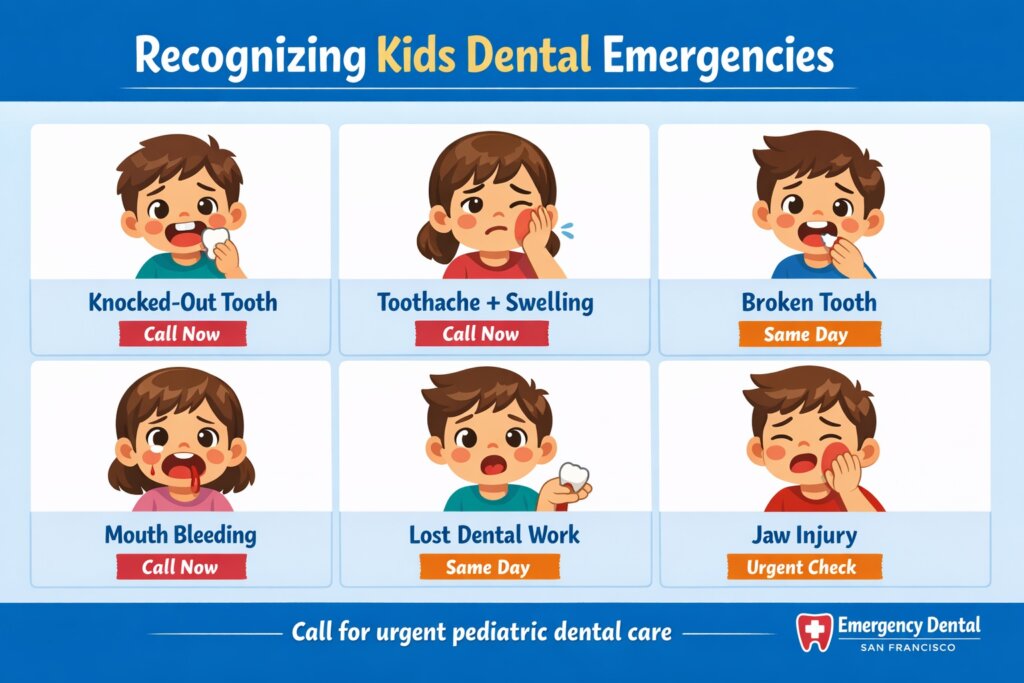
Understanding what constitutes a true dental emergency versus a situation that can wait helps you make better decisions under pressure. Severe tooth pain that prevents your child from sleeping or eating requires immediate attention, as does any facial swelling accompanied by fever. Knocked-out permanent teeth, significant bleeding from the mouth, or visible cracks in teeth all warrant urgent professional care.
Less urgent situations include minor chips without pain, loose baby teeth that are ready to fall out naturally, or mild sensitivity that doesn’t interfere with daily activities.
1. Knocked-Out Permanent Teeth
This represents the most time-sensitive pediatric dental emergency. The tooth has the best chance of successful reimplantation if you reach professional care within 30 minutes.
2. Severe Toothache With Swelling
Pain combined with facial swelling often indicates infection that could spread if left untreated. Fever alongside these symptoms requires immediate professional evaluation.
3. Broken or Fractured Teeth
Significant breaks that expose the tooth’s inner pulp cause intense pain and increase the risk of infection. Even seemingly minor chips can have underlying damage that needs assessment.
4. Uncontrolled Bleeding
Bleeding from the gums or tongue that doesn’t stop with gentle pressure within 15 minutes needs professional attention. This could indicate deeper injury or underlying health issues.
5. Lost Dental Work
Crowns, fillings, or orthodontic appliances that fall out or break can leave teeth vulnerable to further damage. Sharp edges from broken braces can also injure soft tissues.
6. Jaw Injury or Locking
Any trauma to the jaw area or inability to open and close the mouth normally could indicate fractures or joint problems requiring immediate evaluation.
Emergency Dental San Francisco provides specialized pediatric urgent care for all these situations, with gentle approaches designed specifically for anxious children and worried parents.
Essential First Aid Steps for Common Kids Emergency Dental Issues
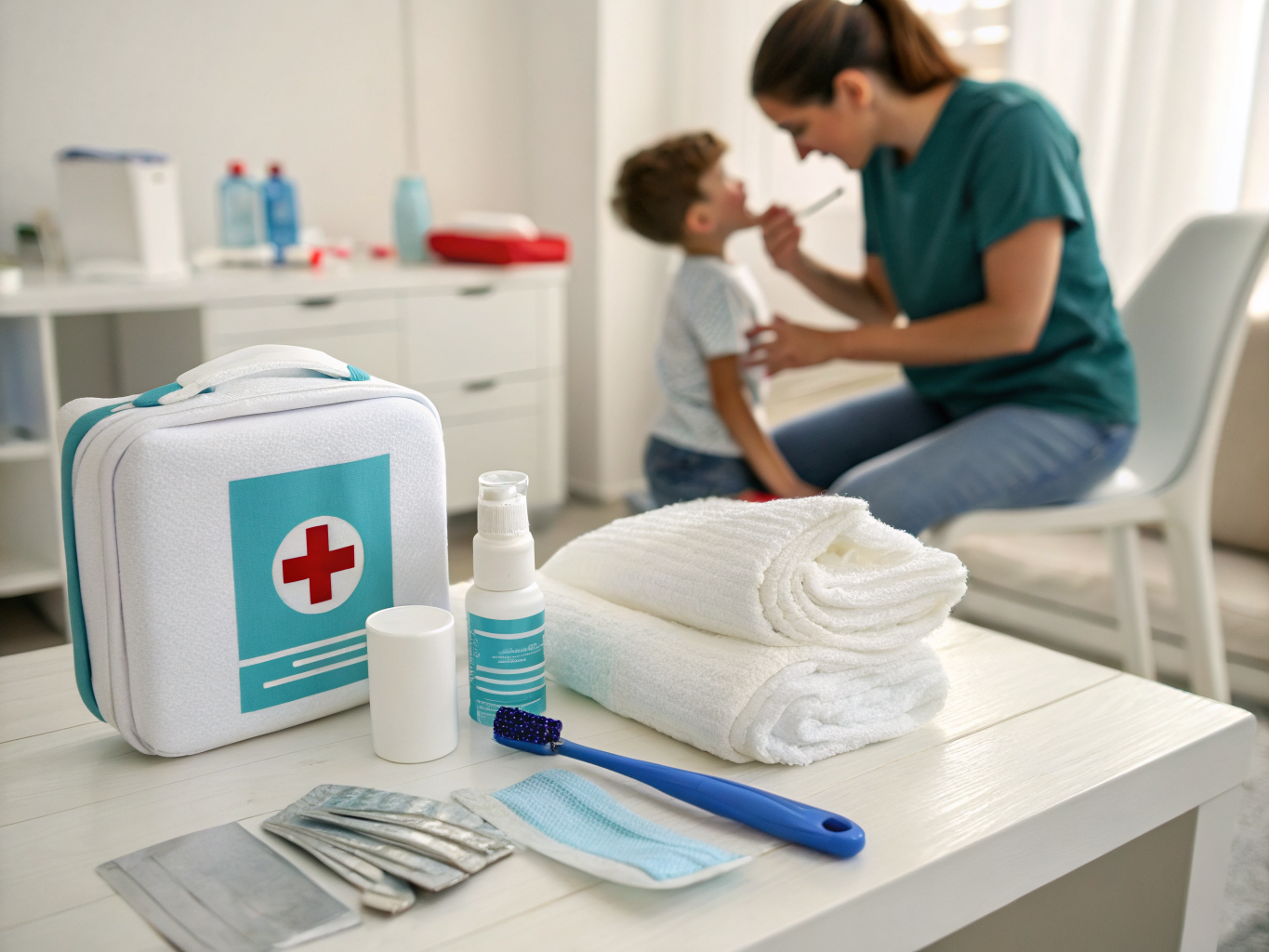
Your immediate response can significantly impact the outcome of your child’s dental emergency. Staying calm helps your child remain cooperative while you provide necessary first aid. Having basic supplies like clean gauze, a small container, and cold packs readily available makes emergency response more effective.
These step-by-step instructions cover the most frequent pediatric dental emergencies you might encounter.
1. Knocked-Out Permanent Tooth Protocol
Handle the tooth only by the crown, never touching the root surface. Gently rinse with clean water if dirty, but don’t scrub or remove any attached tissue fragments.
Try to reinsert the tooth into its socket if your child can cooperate and won’t swallow it. If reinsertion isn’t possible, store the tooth in milk, saline solution, or between your child’s cheek and gum.
2. Managing Severe Toothache
Rinse your child’s mouth with warm salt water to reduce inflammation and clean the area. Apply a cold compress to the outside of the cheek for 15-20 minutes to control swelling. Avoid placing aspirin directly on gums, as this can burn tissue. Over-the-counter children’s pain medication can provide temporary relief while seeking professional care.
3. Handling Broken or Chipped Teeth
Save any tooth fragments you find and bring them to your dental appointment. Rinse your child’s mouth gently with warm water to remove debris.
Cover sharp edges with dental wax or sugar-free gum to prevent cuts to the tongue or cheeks. Avoid hard or sticky foods until professional repair.
4. Controlling Oral Bleeding
Apply gentle, steady pressure with clean gauze or a damp cloth to the bleeding area. Have your child bite down softly if the bleeding is from tooth extraction or injury.
If bleeding doesn’t slow after 15 minutes of pressure, seek immediate professional care. Avoid rinsing vigorously, which can dislodge forming blood clots.
5. Dealing With Lost Crowns or Fillings
Keep the area clean by rinsing gently with warm water. Save any intact dental work to bring to your appointment.
Temporary dental cement from pharmacies can provide short-term protection, but professional replacement should happen within 24-48 hours to prevent further damage.
When to Choose Professional Dental Care Over Emergency Rooms
Hospital emergency rooms excel at treating medical emergencies but have limited dental capabilities. Most ERs can only provide pain medication and antibiotics for dental infections, leaving the underlying problem unresolved. This approach often leads to repeat visits and higher overall costs for families.
Professional emergency dental clinics offer definitive treatment that addresses the root cause of your child’s pain or injury.
Choose emergency dental care for tooth pain, infections without breathing difficulty, knocked-out teeth, broken dental work, and most oral injuries. ERs are appropriate for suspected facial fractures, uncontrolled bleeding that won’t stop with pressure, difficulty swallowing or breathing, or signs of serious infection spreading beyond the mouth area. Recent statistics show that 36% of parents reported child oral health issues in the past two years, yet many still default to expensive ER visits that provide only temporary relief.
We specialize in pediatric emergency care with child-friendly approaches that reduce anxiety while providing comprehensive treatment. Our clinic offers same-day appointments, after-hours availability, and financing options that make professional care more accessible than repeated ER visits.
Finding Reliable Emergency Dental Care in Your Area
Having contact information for trustworthy emergency dental providers before you need them saves precious time during crises. Research clinics that specifically mention pediatric emergency services and after-hours availability. Look for practices that accept your insurance and offer transparent pricing for uninsured families.
Read reviews from other parents to understand how different clinics handle anxious children and emergency situations.
While some parents consider alternatives like SDN Dental, Heritage Dental, Grove Dental, or Riverstone Dental for routine care, emergency situations require providers with immediate availability and specialized urgent care protocols. Some families even explore dental treatment abroad at facilities like Helvetic Clinics for complex procedures, but emergency care needs local, immediate access.
We provide 24/7 emergency dental care specifically designed for children and families throughout San Francisco and the greater Bay Area. Our team understands that pediatric dental emergencies happen at inconvenient times and focuses on rapid pain relief with gentle, age-appropriate care.
Conclusion
Pediatric dental emergencies require quick thinking and immediate professional care for the best outcomes. Being prepared with knowledge, supplies, and reliable emergency dental contacts protects your child’s oral health when unexpected situations arise. Remember that professional dental care almost always provides better results than emergency room visits for dental problems.
Emergency Dental San Francisco specializes in pediatric dental trauma care with same-day appointments. We provide fast, compassionate treatment for knocked-out teeth and dental injuries. Learn more about protecting your child’s smile.
FAQs
What Is Considered a Dental Emergency for a Child?
A dental emergency for a child includes severe tooth pain, facial swelling, uncontrolled bleeding, a knocked-out permanent tooth, or a broken tooth with visible inner tissue. Injuries involving fever, infection, or trauma to the face also need prompt attention. If your child has trouble breathing or severe swelling, seek emergency medical care right away.
What Should I Do if My Child Knocks Out a Tooth?
If your child knocks out a permanent tooth, pick it up by the crown, rinse it gently if dirty, and get to a dentist immediately. Try to keep the tooth moist in milk or saline if it cannot be placed back in the socket. If it is a baby tooth, do not reinsert it and call a dentist as soon as possible.
Where Can I Take My Child for Emergency Dental Care?
You can take your child to a pediatric dentist or an emergency dental clinic that treats children. If the problem happens after hours, call your regular dentist first for instructions or a referral. Go to the ER if your child has facial trauma, severe swelling, fever, or trouble breathing.
How Much Does a Kids Emergency Dentist Cost?
The cost of a kids emergency dentist visit depends on the type of injury, needed treatment, X-rays, and your location. A simple emergency exam usually costs less than treatment for infection, trauma, or sedation. Calling the dental office ahead of time is the best way to ask about exam fees and treatment estimates.
Can I Take My Child to the ER for a Dental Emergency?
Yes, you can take your child to the ER for a dental emergency if there is severe swelling, uncontrolled bleeding, high fever, or serious facial injury. The ER can help manage urgent medical issues, but they may not provide full dental treatment. For tooth pain, chipped teeth, or a knocked-out tooth without major medical symptoms, a dentist is usually the better choice.

Emergency Dental San Francisco is a dental office focused on providing same-day dental appointments to patients in San Francisco and the surrounding area. We provide urgent dental care services during weekends, evenings and holidays.
We accept several forms of payment and have financing options available to those who qualify. We accept most dental insurance.