
17 Apr Is a Broken Crown a Dental Emergency?
A broken crown can turn your day upside down, leaving you wondering if you need immediate dental care or if it can wait until your regular dentist has an appointment. The answer depends on several factors, including pain level, visible damage, and whether the underlying tooth is exposed. Most broken crowns require prompt attention within 24-48 hours, but certain symptoms warrant emergency treatment right away.
This article will help you determine when a broken crown becomes a true dental emergency and what steps to take for immediate relief. You’ll learn the warning signs that require urgent care, temporary measures to protect your tooth, and how to find reliable emergency dental services in your area.
Key Takeaways
- A broken crown becomes an emergency when accompanied by severe pain, swelling, or bleeding.
- Sharp edges from a damaged crown can cut your tongue or cheek and need immediate attention.
- Complete crown loss exposes the underlying tooth to bacteria and sensitivity.
- Temporary measures can provide relief until professional treatment is available.
- Same-day emergency dental care prevents complications and saves damaged teeth.
Understanding When a Broken Crown Requires Emergency Dental Care
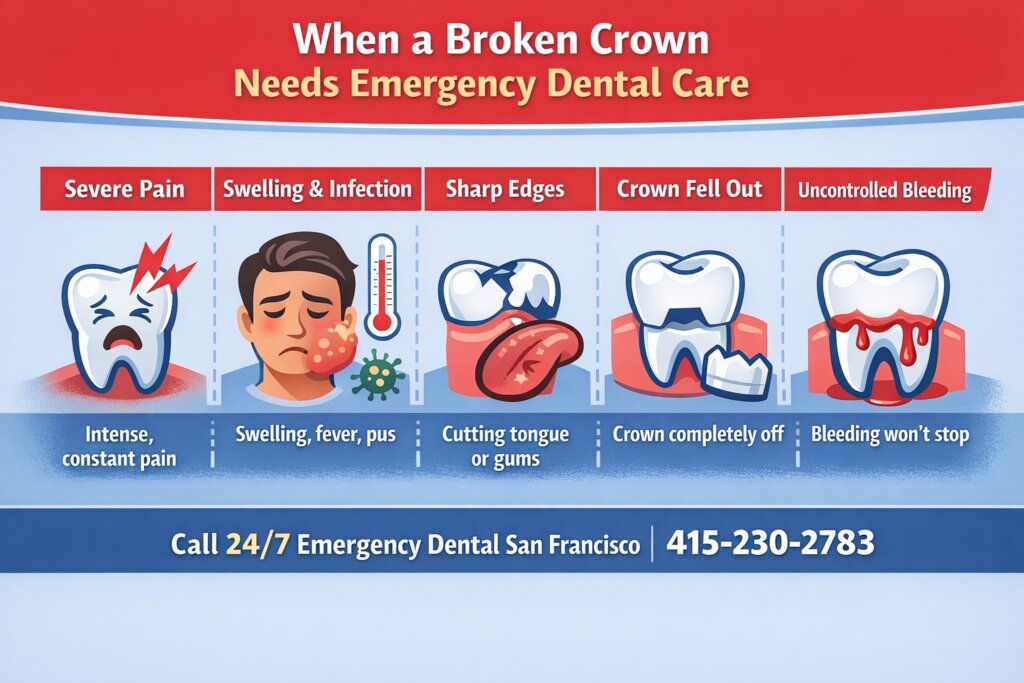
Not every broken crown constitutes a dental emergency, but certain symptoms warrant immediate professional attention. Pain intensity, visible damage, and exposure of the underlying tooth structure help determine urgency levels. Emergency Dental San Francisco evaluates each case individually to provide appropriate triage and treatment recommendations.
The distinction between urgent and emergency care often confuses patients experiencing crown damage. Understanding these differences helps you make informed decisions about seeking treatment.
1. Severe Pain That Disrupts Daily Activities
Sharp, throbbing, or constant pain signals potential nerve involvement or infection requiring immediate intervention. Pain that prevents eating, sleeping, or concentrating indicates emergency-level urgency that cannot wait for regular office hours.
2. Visible Swelling or Signs of Infection
Facial swelling, fever, or pus discharge around the affected tooth suggests bacterial infection spreading beyond the crown area. These symptoms require prompt antibiotic treatment and professional drainage to prevent serious complications.
3. Sharp Edges Cutting Soft Tissues
Jagged crown fragments or exposed tooth edges can lacerate your tongue, cheeks, or gums with each movement. These sharp surfaces pose an ongoing risk of injury and discomfort, which emergency dentists can smooth or cover immediately.
4. Complete Crown Detachment
A crown that falls out completely leaves the prepared tooth vulnerable to bacteria, temperature sensitivity, and further damage. The exposed tooth structure often causes significant discomfort and requires protection within hours.
5. Bleeding That Won’t Stop
Persistent bleeding from the crown area, especially when accompanied by pain or swelling, indicates tissue damage requiring professional evaluation. Uncontrolled bleeding may signal deeper injury to the tooth or surrounding gums.
Now let’s explore the specific symptoms that help distinguish between situations requiring immediate emergency care versus those that can wait for the next business day.
Immediate Emergency Symptoms vs. Urgent But Manageable Issues
Distinguishing between true emergencies and urgent situations helps you respond appropriately to crown damage. Emergency symptoms require immediate professional intervention, while urgent issues need prompt attention but allow time for preparation. Understanding these differences prevents unnecessary panic while ensuring you receive timely care when needed.
The following comparison helps clarify when to seek immediate emergency treatment versus scheduling urgent same-day care.
| Emergency Symptoms (Call Immediately) | Urgent Symptoms (Same-Day Care) |
|---|---|
| Severe, uncontrollable pain | Moderate discomfort when chewing |
| Facial swelling with fever | Mild sensitivity to temperature |
| Uncontrolled bleeding | Minor bleeding that stops with pressure |
| Sharp edges cutting tissues | Rough surfaces causing irritation |
| Signs of spreading infection | Localized tenderness around the crown |
Emergency Dental San Francisco provides 24/7 triage to help patients determine the appropriate level of care and receive guidance on immediate relief measures. Our team evaluates symptoms over the phone and provides clear instructions for managing pain until treatment begins.
Understanding these symptom categories helps you prepare appropriately and communicate effectively with emergency dental providers.
Immediate Steps to Take When Your Crown Breaks
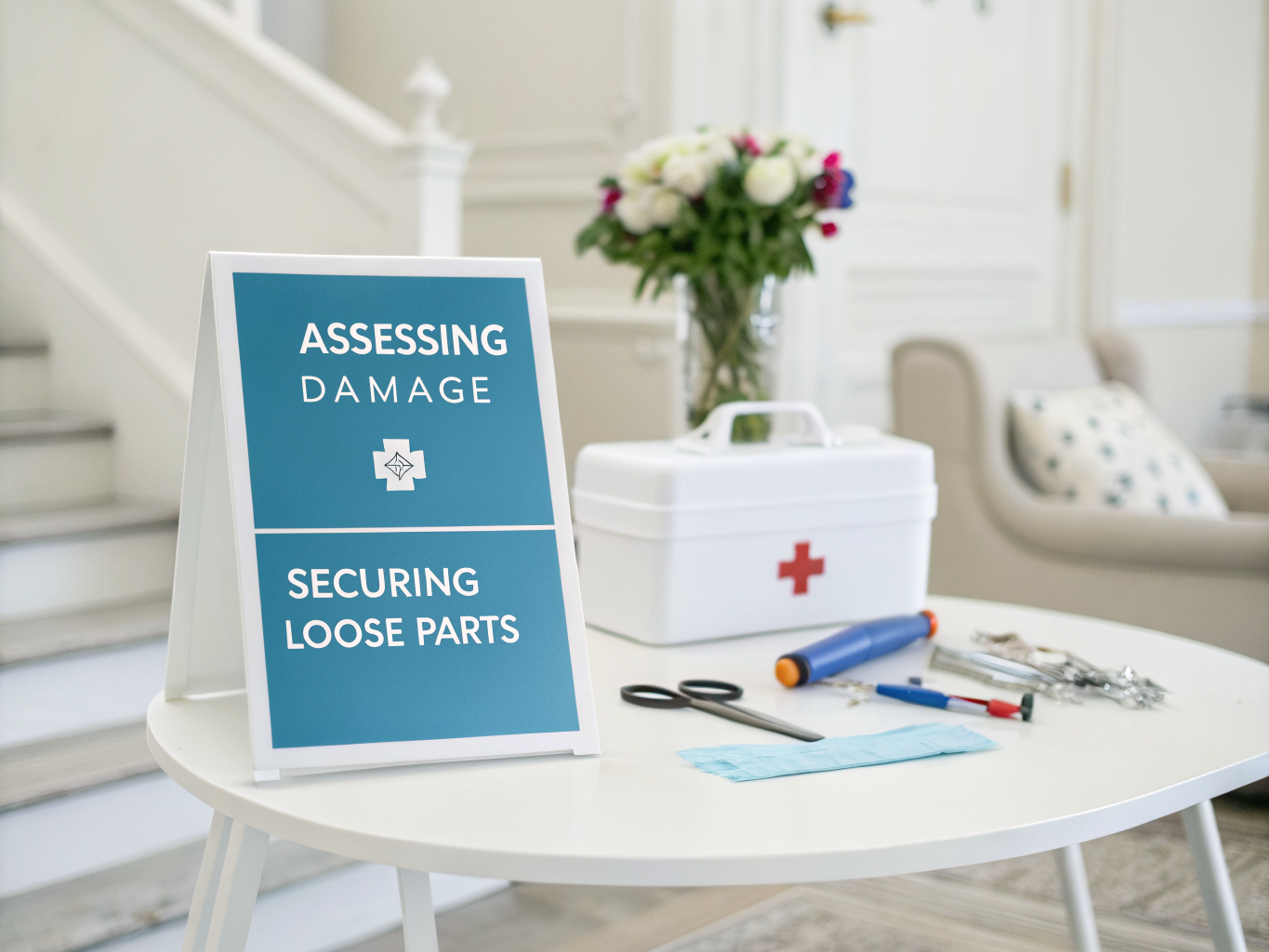
Taking proper immediate action when a crown breaks can prevent complications and reduce discomfort until professional treatment becomes available. These steps protect the damaged tooth and surrounding tissues while maintaining your comfort. Quick response often determines whether the original crown can be saved or requires complete replacement.
Follow these essential steps immediately after discovering crown damage to optimize your treatment outcome.
1. Rinse Your Mouth Gently
Use warm salt water to clean the area and remove any loose debris without disturbing the damaged crown. Avoid vigorous swishing, which may dislodge crown fragments or cause further damage to sensitive tissues.
2. Save Any Crown Pieces
Collect all visible crown fragments and store them in a clean container with a small amount of water or milk. Intact pieces may allow for crown repair rather than complete replacement, potentially saving time and cost.
3. Protect the Exposed Tooth
Apply dental wax, sugar-free gum, or temporary dental cement from a pharmacy to cover sharp edges and protect the underlying tooth. This temporary barrier prevents bacterial contamination and reduces temperature sensitivity.
4. Manage Pain and Swelling
Take over-the-counter pain medication as directed and apply a cold compress to the outside of your cheek for 15-20 minutes. Avoid placing aspirin directly on the gums, as this can cause chemical burns to soft tissues.
5. Avoid Certain Foods and Activities
Skip hard, sticky, or extremely hot or cold foods that could worsen damage or increase sensitivity. Chew on the opposite side of your mouth and avoid using the affected tooth until professional treatment.
6. Contact Emergency Dental Services
Call Emergency Dental San Francisco at 415-230-2783 for immediate triage and treatment scheduling, even after hours or on weekends. Our team provides guidance for managing symptoms and arranges appropriate care based on your specific situation.
These immediate measures provide temporary relief while you arrange professional treatment for permanent crown restoration.
Treatment Options for Emergency Crown Repair
Emergency dental treatment for broken crowns varies based on damage extent, underlying tooth condition, and patient symptoms. Professional evaluation determines whether temporary stabilization, immediate repair, or crown replacement provides the best outcome. Modern emergency dental practices offer multiple treatment approaches to address crown damage effectively.
Treatment selection depends on several factors that emergency dentists evaluate during your visit.
1. Temporary Crown Placement
A temporary crown protects the prepared tooth while a permanent replacement is fabricated in the dental laboratory. This option works best when the underlying tooth structure remains intact and healthy.
2. Crown Recementation
Intact crowns that detach cleanly can often be recemented immediately if the underlying tooth shows no decay or damage. This quick procedure restores function and comfort within minutes when conditions allow.
3. Crown Repair and Reinforcement
Minor chips or cracks may be repairable using dental bonding materials that restore crown integrity and appearance. This conservative approach preserves the original crown when damage remains limited to small areas.
4. Emergency Root Canal Treatment
Severe pain or signs of infection may require root canal therapy before crown replacement to address nerve damage or bacterial contamination. This treatment eliminates pain sources and prevents further complications.
5. Complete Crown Replacement
Extensively damaged crowns require complete replacement with new restorations fabricated to match your bite and appearance. Same-day crown technology allows for immediate restoration in many emergency situations.
6. Extraction and Immediate Planning
Severely compromised teeth that cannot support new crowns may require extraction followed by immediate planning for replacement options. Emergency dentists discuss implant, bridge, or partial denture solutions during the same visit.
Emergency Dental San Francisco offers comprehensive crown repair services with same-day treatment options and transparent pricing for all procedures.
Preventing Future Crown Emergencies
Preventing crown damage requires understanding common causes and adopting protective habits that extend the longevity of restorations. Most crown failures result from preventable factors like teeth grinding, poor oral hygiene, or dietary choices that stress dental work. Proactive care significantly reduces emergency dental visits and maintains crown integrity for years.
These prevention strategies help protect your crowns from damage and extend their functional lifespan.
- Avoid Hard Foods: Skip ice, hard candies, nuts, and other foods that can crack or dislodge crowns with excessive force.
- Use Night Guards: Protect crowns from grinding and clenching damage with custom-fitted night guards worn during sleep.
- Maintain Excellent Hygiene: Brush twice daily and floss around crowns to prevent decay at the crown margins where bacteria accumulate.
- Regular Dental Checkups: Schedule routine visits every six months for crown evaluation and early problem detection before emergencies develop.
- Address Teeth Grinding: Seek treatment for bruxism through stress management, medication adjustment, or bite correction to reduce crown stress.
- Choose Appropriate Activities: Wear mouthguards during sports and avoid using teeth as tools for opening packages or bottles.
Following these guidelines helps maintain crown integrity and reduces the likelihood of experiencing painful emergency situations that disrupt your daily routine.
Finding Reliable Emergency Dental Care in San Francisco
Locating quality emergency dental care before you need it ensures quick access during actual emergencies when pain and stress impair decision-making. Emergency Dental San Francisco provides comprehensive urgent care services throughout the Bay Area with 24/7 availability and same-day treatment options. Our practice serves San Francisco, South San Francisco, Alameda, Berkeley, Daly City, Fremont, Oakland, and San Leandro with walk-in appointments and online scheduling.
We accept most dental insurance plans and offer financing options to make emergency care accessible regardless of your financial situation.
What to Bring to Your Emergency Appointment
Arrive about 15 minutes early with your government ID, insurance card, current medication list, and any recent dental records or X-rays. Having this information ready streamlines your visit and helps our team provide efficient, targeted treatment for your crown emergency.
Our Emergency Services Include
- Urgent exams and X-rays for accurate diagnosis
- Emergency crown recementation and repair
- Same-day crown replacement when needed
- Pain management and infection control
- Root canal therapy for compromised teeth
- Extraction services when restoration isn’t possible
Our clinic follows strict CDC and OSHA infection-control standards with comprehensive sterilization protocols and licensed professionals using modern equipment in a clean, clinical environment.
Conclusion
A broken crown becomes a dental emergency when accompanied by severe pain, swelling, bleeding, or sharp edges that cut soft tissues. Quick action and proper immediate care protect your tooth until professional treatment restores function and comfort. Emergency Dental San Francisco provides 24/7 access to comprehensive crown repair services, ensuring you receive prompt, professional care when dental emergencies strike.
Emergency Dental San Francisco provides same-day crown repair for broken dental crowns. We offer immediate relief and professional restoration services throughout the Bay Area. Learn more about our emergency crown services today.
FAQs
Is a Broken Crown Considered a Dental Emergency?
It can be. If you have pain, swelling, bleeding, a cracked tooth under the crown, or the crown came off and the tooth is exposed, you should be seen the same day to prevent further damage or infection. If it’s not painful and the tooth is protected, it’s still urgent—call us for the soonest available visit.
What Should I Do If My Dental Crown Breaks or Falls Off?
Save the crown, avoid chewing on that side, and keep the area clean with gentle brushing and warm salt-water rinses. If the tooth is sensitive, cover it with temporary dental cement from a pharmacy (don’t use super glue). Call Emergency Dental San Francisco at 415-230-2783 or book online for same-day guidance and care.
Can I Wait To Fix a Broken Crown?
Waiting increases the risk of tooth fracture, decay, bite problems, and pain. If the crown is off or loose, it’s best to come in as soon as possible—often the tooth can be protected and the crown re-cemented or replaced before the situation worsens.
Will a Broken Crown Cause Pain or Infection?
It can. A broken or missing crown may expose dentin or an underlying crack/decay, leading to sensitivity, sharp pain, or infection (especially if there’s swelling, a bad taste, or a pimple on the gum). Prompt evaluation and X-rays help us confirm what’s happening and treat it safely.
How Much Does It Cost To Repair or Replace a Broken Crown?
Cost depends on whether we can re-cement the crown, need a new crown, or must treat the tooth first (such as a filling or root canal). We accept most dental insurance, offer financing for those who qualify, and can provide a clear estimate after an exam and X-rays.

Emergency Dental San Francisco is a dental office focused on providing same-day dental appointments to patients in San Francisco and the surrounding area. We provide urgent dental care services during weekends, evenings and holidays.
We accept several forms of payment and have financing options available to those who qualify. We accept most dental insurance.