

14 Apr Emergency Dental Prescription Guide: Antibiotics, Pain Relief & Aftercare
When a dental emergency strikes, understanding which medications your emergency dentist might prescribe can help you prepare for treatment and recovery. Emergency dental prescription protocols vary by your specific condition, but antibiotics and pain relievers are commonly used to manage infections and discomfort during urgent dental care.
This comprehensive guide covers everything you need to know about emergency dental prescriptions, from common antibiotics used for dental infections to effective pain management strategies and proper aftercare instructions.
Key Takeaways
- Emergency dental prescriptions are issued in only 20% of urgent dental visits, primarily for infections and severe pain.
- Antibiotics such as amoxicillin-clavulanic acid are most commonly prescribed for dental abscesses and other infections.
- NSAIDs and prescription pain relievers help manage acute dental pain during emergency treatment.
- Proper aftercare following emergency dental prescription guidelines ensures faster healing and prevents complications.
- Emergency Dental San Francisco provides same-day prescriptions with 24/7 urgent care across the Bay Area.
Understanding Emergency Dental Prescription Protocols

Research from dental university clinics shows that medication is prescribed in approximately 20% of emergency dental appointments. The most frequently prescribed medications include antibiotics for infections and NSAIDs for pain management. Emergency dentist near me services focus on addressing the immediate cause of pain rather than simply masking symptoms with medication.
At Emergency Dental San Francisco, our licensed clinicians follow evidence-based prescription protocols to ensure you receive appropriate medication for your specific condition. We provide same-day prescriptions when medically necessary, along with clear instructions for proper use and follow-up care.
Emergency dental care dentist professionals evaluate each case individually to determine whether prescription medication is needed alongside procedural treatment.
Common Antibiotics for Dental Emergencies
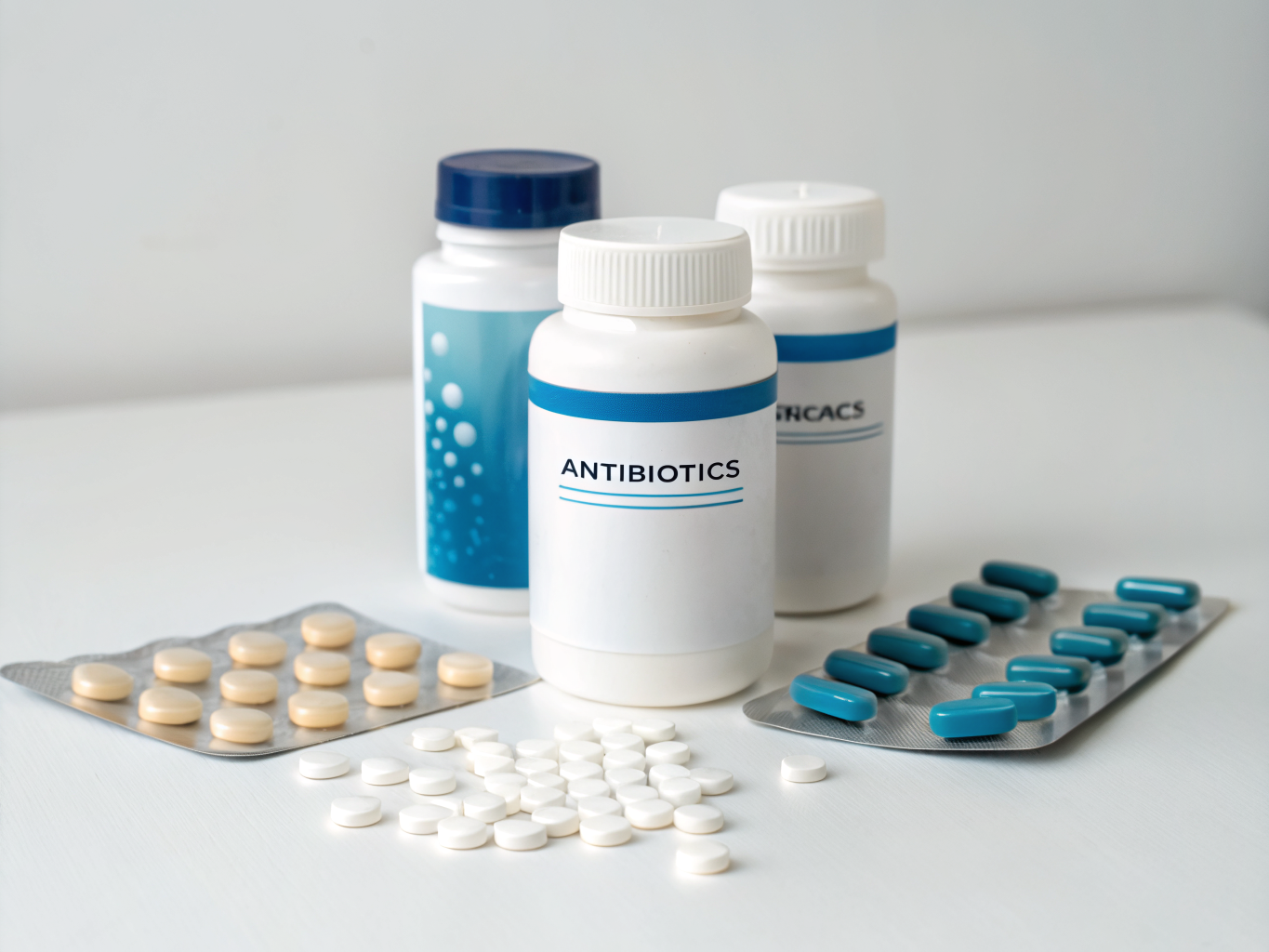
Dental infections require prompt antibiotic treatment to prevent serious complications. Studies indicate that antibiotics are prescribed in 65% of emergency department visits for dental conditions, with narrow-spectrum penicillins being the most common choice. Understanding which antibiotics your emergency dental clinic might prescribe helps you prepare for treatment.
1. Amoxicillin with Clavulanic Acid
This combination antibiotic is prescribed in 17 out of 33 antibiotic cases at emergency dental clinics. The clavulanic acid component helps overcome bacterial resistance, making it highly effective for dental abscesses and periapical infections.
2. Penicillin-Based Antibiotics
Narrow-spectrum penicillins account for 66% of antibiotic prescriptions in emergency dental situations. These medications target specific bacteria commonly found in dental infections while minimizing disruption to your normal bacterial flora.
3. Clindamycin
Prescribed in 25% of cases where penicillin allergies exist, clindamycin provides effective coverage against anaerobic bacteria often present in severe dental infections. This medication is particularly useful for patients with penicillin sensitivities.
4. Metronidazole
Often prescribed alongside other antibiotics for severe infections, metronidazole specifically targets anaerobic bacteria. Your open dental emergency provider may recommend this for complex infections involving multiple bacterial species.
5. Azithromycin
This macrolide antibiotic offers convenient dosing schedules and broad-spectrum coverage. Emergency dental care dentist professionals may prescribe azithromycin for patients who cannot tolerate penicillin-based medications.
Different types of dental infections may require specific antibiotic protocols based on the bacteria involved and the severity of your condition.
Pain Relief Medications in Emergency Dental Prescription
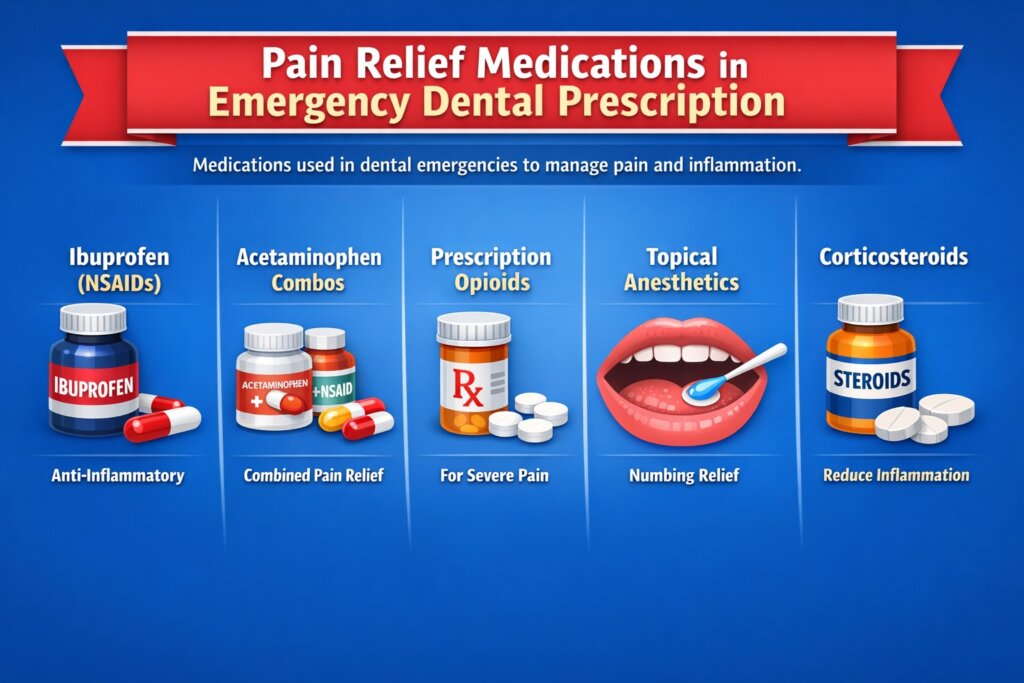
Effective pain management is crucial during dental emergencies. NSAIDs are prescribed in 30 out of 50 medication cases at emergency dental clinics, reflecting their effectiveness for dental pain. Your emergency dentist near me will select pain medications based on your pain severity, medical history, and treatment plan.
1. Ibuprofen (NSAIDs)
High-dose ibuprofen provides excellent anti-inflammatory effects for dental pain. Prescription-strength formulations offer superior pain control compared to over-the-counter options, especially for acute dental inflammation.
2. Acetaminophen Combinations
Combined with NSAIDs or opioids, acetaminophen enhances pain relief through different mechanisms. This approach allows for lower doses of individual medications while maintaining effective pain control.
3. Prescription Opioids
Reserved for severe pain cases, short-term opioid prescriptions may be necessary after major dental procedures. Your emergency dental clinic will provide strict guidelines for safe use and disposal of unused medication.
4. Topical Anesthetics
Prescription-strength topical medications provide localized pain relief for oral tissues. These medications work well in combination with systemic pain relievers for comprehensive comfort.
5. Corticosteroids
For severe swelling and inflammation, short-course corticosteroids may be prescribed. These medications help reduce tissue swelling, which can contribute to pain and pressure during dental emergencies.
Pain relief strategies often combine different classes of medication to address both inflammation and pain perception.
When an Emergency Dental Prescription Is Necessary
Not every dental emergency requires prescription medication. Your open dental emergency provider will assess specific symptoms and conditions to determine appropriate treatment. Understanding when medications are typically prescribed helps you know what to expect during your visit.
| Condition | Antibiotic Needed | Pain Medication | Typical Duration |
|---|---|---|---|
| Dental Abscess | Yes | Yes | 7-10 days |
| Severe Toothache | Sometimes | Yes | 3-5 days |
| Broken Tooth | Rarely | Yes | 2-3 days |
| Gum Infection | Yes | Sometimes | 5-7 days |
| Post-Extraction | Sometimes | Yes | 3-7 days |
Certain dental conditions have higher likelihood of requiring prescription intervention based on infection risk and pain severity.
Proper Emergency Dental Prescription Aftercare
Following your emergency dental prescription instructions exactly as directed ensures optimal healing and prevents complications. Proper medication compliance significantly impacts your recovery timeline and reduces the risk of antibiotic resistance or prolonged pain. Your emergency dental care dentist will provide detailed aftercare instructions tailored to your specific medications.
1. Complete Antibiotic Courses
Take all prescribed antibiotics even if you feel better before finishing the medication. Incomplete antibiotic courses can lead to treatment failure and antibiotic-resistant infections requiring more aggressive treatment.
2. Follow Dosing Schedules
Maintain consistent medication timing to keep therapeutic levels in your system. Set phone alarms or use pill organizers to ensure you don’t miss doses during your recovery period.
3. Monitor for Side Effects
Watch for allergic reactions, digestive upset, or unusual symptoms while taking prescribed medications. Contact your emergency dentist near me immediately if you experience severe side effects or signs of allergic reactions.
4. Avoid Drug Interactions
Inform your emergency dental clinic about all medications and supplements you currently take. Some combinations can reduce effectiveness or increase side effect risks, requiring dosage adjustments.
5. Maintain Oral Hygiene
Gentle oral care supports medication effectiveness and prevents secondary infections. Use prescribed mouth rinses and follow specific brushing instructions provided by your dental care team.
6. Follow Dietary Restrictions
Some medications require specific dietary considerations or meal timing. Dairy products can interact with certain antibiotics, while some pain medications are better taken with food to prevent stomach upset.
Aftercare extends beyond taking medications and includes lifestyle modifications that support healing.
Emergency Dental San Francisco: Same-Day Prescription Services
When you need immediate relief from dental pain or infection, Emergency Dental San Francisco provides comprehensive urgent care with same-day prescription services. Our licensed clinicians are available 24/7 to evaluate your condition and prescribe appropriate medications when medically necessary. We serve San Francisco and the greater Bay Area, including South San Francisco, Alameda, Berkeley, Daly City, Fremont, Oakland, and San Leandro.
Our clinic follows strict CDC and OSHA protocols while providing transparent, affordable emergency dental care. We accept most dental insurance plans and offer financing options to make urgent care accessible when you need it most.
What to Bring for Your Emergency Dental Prescription Visit
Preparing for your emergency dental appointment helps streamline the prescription process and ensures safe medication selection. Your open dental emergency provider needs specific information to prescribe appropriate medications and avoid dangerous drug interactions. Bringing the right documentation saves time during urgent situations.
- Current medication list including dosages and frequency
- Known drug allergies and adverse reactions
- Medical history including chronic conditions
- Recent dental records or X-rays if available
- Insurance information and identification
- Emergency contact information
Proper preparation allows your emergency dental care dentist to focus on treatment rather than gathering basic information.
Recognizing Emergency Dental Prescription Complications
While emergency dental prescriptions are generally safe and effective, monitoring for complications ensures prompt intervention if problems arise. Antibiotic-associated complications occur in a small percentage of patients, but early recognition prevents serious consequences. Your emergency dentist near me will provide specific warning signs to watch for during your recovery.
1. Antibiotic Resistance Signs
Worsening infection symptoms despite 48-72 hours of antibiotic treatment may indicate resistance. Contact your emergency dental clinic if swelling increases or fever develops while taking prescribed antibiotics.
2. Allergic Reactions
Skin rash, difficulty breathing, or severe digestive symptoms require immediate medical attention. Stop the medication and seek emergency care if you experience signs of serious allergic reactions.
3. Digestive Complications
Severe diarrhea, especially with blood or mucus, can indicate antibiotic-associated colitis. This serious condition requires prompt medical evaluation and possible medication changes.
4. Pain Medication Issues
Inadequate pain relief or concerning side effects from prescription pain medications need professional evaluation. Your emergency dental care dentist can adjust medications or provide alternative pain management strategies.
5. Drug Interaction Effects
Unusual symptoms when combining prescribed medications with your regular drugs may indicate interactions. Report any unexpected effects to your dental care team for medication review.
Understanding normal healing versus concerning symptoms helps you make informed decisions about seeking additional care.
Conclusion
Emergency dental prescriptions play a vital role in managing pain and preventing serious complications during urgent dental situations. Understanding common medications, proper usage, and aftercare requirements helps ensure successful treatment outcomes. For immediate emergency dental prescription services in San Francisco and the Bay Area, call Emergency Dental San Francisco at 415-230-2783 for same-day relief and expert care.
Emergency Dental San Francisco provides same-day emergency care with proper prescriptions for antibiotics and pain relief. Our licensed clinicians ensure safe medication protocols and clear aftercare instructions. Learn more about immediate dental relief today.
FAQs
Can an Emergency Dentist Prescribe Antibiotics?
Yes. An emergency dentist can prescribe antibiotics when there are signs of a spreading bacterial infection (such as swelling, fever, or an abscess). We evaluate you the same day, confirm what’s going on with an exam and X-rays if needed, and prescribe only when it’s clinically appropriate—along with the treatment needed to fix the source.
What Prescription Do Dentists Give for Tooth Infection?
Common prescriptions include antibiotics such as amoxicillin or penicillin; clindamycin may be used for some patients with certain allergies. The best choice depends on your symptoms, medical history, allergies, and how severe the infection is, which we review carefully before prescribing.
Can a Dentist Prescribe Pain Medication for Emergency Tooth Pain?
Yes. Depending on your condition, a dentist may prescribe pain medication, but we often start with the safest effective options and focus on fast relief by treating the cause (like draining an abscess, stabilizing a cracked tooth, or addressing severe decay). We’ll explain what to take, how to take it, and what to avoid.
Do I Need Antibiotics Before an Emergency Dental Appointment?
Usually not. Most dental pain does not require antibiotics, and taking them unnecessarily can cause side effects and reduce effectiveness over time. It’s best to be evaluated first—if antibiotics are needed, we can prescribe them after your exam.
How Long Does It Take for Dental Antibiotics to Work for an Abscess?
Many patients feel some improvement in 24–48 hours, but antibiotics alone typically don’t “cure” the abscess without definitive dental treatment (such as drainage, root canal therapy, or extraction). If symptoms worsen, swelling spreads, or you develop fever or trouble swallowing/breathing, seek urgent care immediately.

Emergency Dental San Francisco is a dental office focused on providing same-day dental appointments to patients in San Francisco and the surrounding area. We provide urgent dental care services during weekends, evenings and holidays.
We accept several forms of payment and have financing options available to those who qualify. We accept most dental insurance.