

13 Mar Emergency Dental Work After Knee Replacement: When Antibiotic Precautions and Medical History Matter
Having knee replacement surgery doesn’t mean you’re stuck with dental pain if an emergency strikes. Recent guidelines indicate that emergency dental treatment for acute infections can be performed within the first three months after knee replacement, with current research showing no evidence of an increased risk of prosthetic joint infection from urgent dental procedures during this timeframe. Many patients worry about complications, but understanding the proper protocols can help you safely get the relief you need.
This article covers everything you need to know about handling dental emergencies after knee replacement surgery, including timing considerations, antibiotic protocols, and how to access safe emergency care when pain can’t wait.
Key Takeaways
- Emergency dental treatment for infections is safe within 3 months of knee replacement surgery.
- Antibiotic prophylaxis may be recommended for major dental work within the first 2 years.
- The American Dental Association notes no conclusive evidence linking dental procedures to prosthetic joint infections.
- Emergency procedures for acute pain and infections should not be delayed.
- Professional emergency dental clinics follow strict protocols to ensure patient safety.
Understanding the relationship between dental care and joint replacement recovery helps patients make informed decisions about their oral health needs.
Understanding Emergency Dental Work After Knee Replacement Timing

The timing of your dental emergency relative to your knee replacement surgery determines the best treatment approach. Current medical guidelines distinguish between emergency procedures for acute conditions and elective dental work, with different recommendations for each scenario. Emergency situations involving severe pain, swelling, or infection require immediate attention regardless of your recent surgery.
1. Immediate Post-Surgery Period (0-3 Months)
Emergency dental treatment for acute infections and severe pain can be performed safely during this timeframe. Research from major dental organizations confirms that urgent procedures pose minimal risk to your healing joint replacement.
2. Early Recovery Phase (3-6 Months)
Both emergency and some elective procedures can typically proceed with standard precautions. Your orthopedic surgeon may recommend antibiotic prophylaxis based on your specific case and the complexity of the dental work.
3. Established Recovery (6+ Months)
Most dental procedures can be performed with routine protocols. Some surgeons continue to recommend prophylactic antibiotics, though current evidence doesn’t conclusively support this practice for all patients in the long term.
4. High-Risk Patient Considerations
Patients with compromised immune systems, diabetes, or other complicating factors may need modified protocols. Your dental and medical teams will coordinate care based on your individual health profile.
5. Emergency vs. Elective Distinctions
True dental emergencies involving pain, infection, or trauma should never be delayed due to a recent joint replacement. Elective procedures, such as routine cleanings or cosmetic work, can be scheduled according to your surgeon’s preferences.
Most orthopedic surgeons and dental professionals now follow evidence-based protocols that prioritize patient comfort and safety. The fear of prosthetic joint infection, while understandable, shouldn’t prevent you from seeking necessary emergency dental care when you’re experiencing significant pain or signs of infection.
Antibiotic Protocols for Emergency Dental Work After Knee Replacement
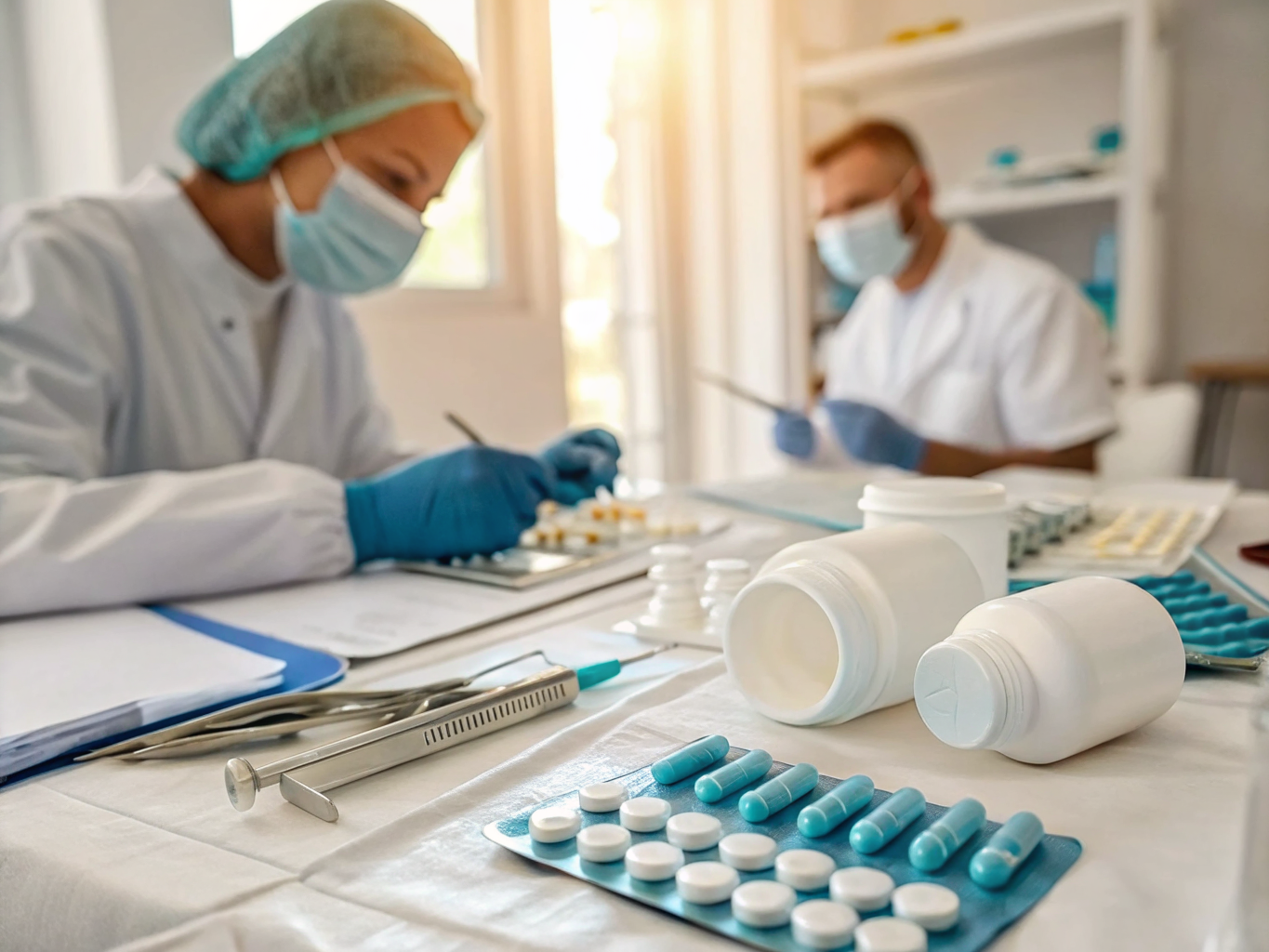
Antibiotic prophylaxis recommendations vary depending on the timing of your dental emergency and the specific procedure required. For major dental work within the first two years after joint replacement, patients typically receive 2 grams of amoxicillin one hour before the procedure, or 600mg of clindamycin if allergic to penicillin. These protocols help prevent potential bacterial spread during more invasive procedures.
| Timeframe | Emergency Procedures | Antibiotic Protocol |
|---|---|---|
| 0-3 months | Permitted for acute conditions | Case-by-case evaluation |
| 3-24 months | Standard emergency care | Often recommended for major work |
| 2+ years | Routine emergency protocols | Individual risk assessment |
Emergency Dental San Francisco follows current medical guidelines and coordinates with your orthopedic team when antibiotic prophylaxis is indicated. Our clinicians maintain up-to-date protocols based on the latest research and professional recommendations.
Common Emergency Dental Situations After Knee Replacement
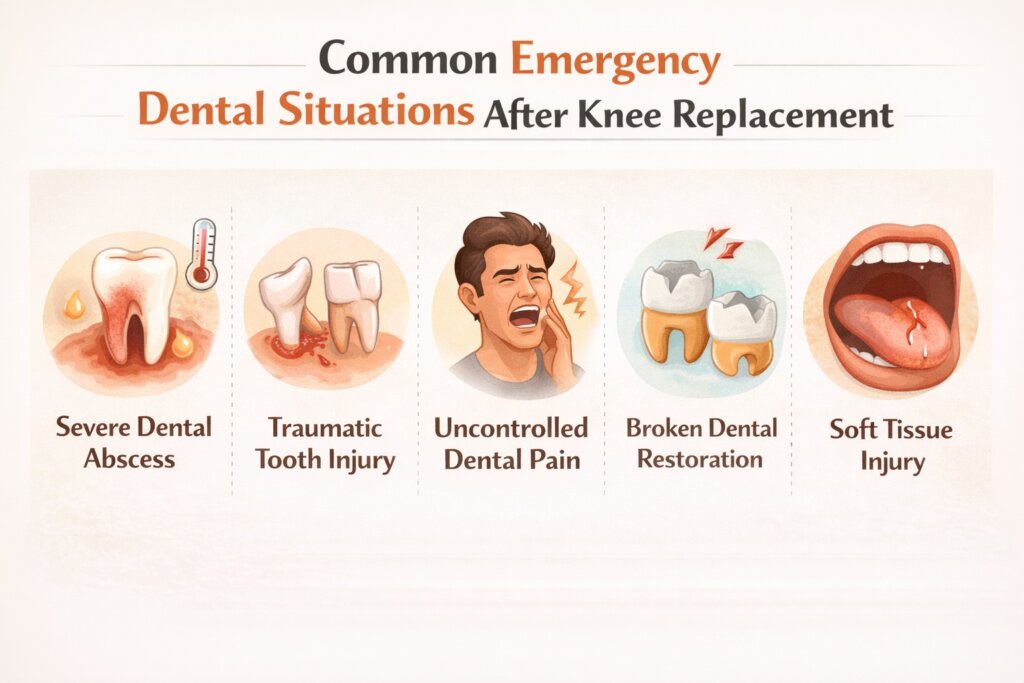
Dental emergencies don’t pause for surgical recovery, and certain conditions require immediate attention regardless of your recent knee replacement. Severe toothaches, dental abscesses with swelling and fever, and traumatic injuries to teeth all constitute genuine emergencies that need prompt professional care. Delaying treatment for these conditions can lead to more serious complications that are harder to manage.
1. Severe Dental Abscesses
Infections with swelling, fever, and severe pain require immediate treatment. These conditions can become life-threatening if left untreated and should never be delayed due to recent surgery.
2. Traumatic Tooth Injuries
Knocked-out, fractured, or severely damaged teeth from accidents need urgent care. Quick action can often save damaged teeth and prevent more extensive treatment later.
3. Uncontrolled Dental Pain
Severe toothaches that don’t respond to over-the-counter pain medications indicate serious underlying problems. These situations require professional diagnosis and treatment to provide relief.
4. Broken Dental Restorations
Lost crowns, broken fillings, or damaged dental work can expose sensitive tooth structures. While not always painful initially, these situations can quickly become emergencies if bacteria enter exposed areas.
5. Soft Tissue Injuries
Cuts, lacerations, or injuries to gums, tongue, or cheeks may require sutures or other immediate care. These injuries can be particularly concerning for patients on blood-thinning medications post-surgery.
Understanding which situations truly require emergency care helps you make the right decision when pain strikes. Some discomfort may be managed with over-the-counter medications and home care, while other symptoms require immediate professional intervention.
Safety Protocols for Emergency Dental Treatment
Professional emergency dental clinics follow strict safety protocols to protect patients with recent joint replacements. These measures include comprehensive medical history review, coordination with your orthopedic team when necessary, and adherence to current guidelines from dental and medical organizations. Proper sterilization techniques, the use of appropriate dental dam materials, such as latex dental dams, for isolation, and infection control measures are standard practice.
At Emergency Dental San Francisco, we maintain CDC and OSHA infection control standards through strict sterilization protocols and appropriate PPE use. Our licensed professionals use modern equipment in a clean, clinical environment designed to minimize the risk of complications for patients who have recently undergone surgery.
1. Pre-Treatment Medical Assessment
Comprehensive review of your medical history, current medications, and recent surgical procedures. This assessment helps determine the safest approach for your specific situation.
2. Coordination with Medical Team
Communication with your orthopedic surgeon or primary care physician when indicated. This coordination ensures all providers are aware of your treatment plan and any special considerations.
3. Sterile Technique Implementation
Use of proper sterilization methods, sterile instruments, and appropriate barrier techniques. Professional clinics maintain equipment standards similar to those used by major dental suppliers like Henry Schein Dental.
4. Antibiotic Prophylaxis When Indicated
Administration of appropriate antibiotics based on current guidelines and your individual risk factors. Timing and dosage follow established medical protocols for joint replacement patients.
5. Post-Treatment Monitoring
Clear aftercare instructions and follow-up protocols to monitor healing. Patients receive guidance on warning signs that require immediate attention.
When to Seek Immediate Emergency Dental Care
Certain symptoms require immediate professional attention, even with a recent knee replacement. Severe pain that interferes with sleep or daily activities, facial swelling that affects your ability to swallow or breathe, and signs of serious infection like fever and malaise all warrant urgent care. These conditions can rapidly worsen and may require more extensive treatment if delayed.
Don’t let concerns about your recent surgery prevent you from seeking necessary dental care. Modern emergency dental practices are well-equipped to handle patients with various medical conditions safely and effectively.
1. Signs of Serious Infection
Fever, facial swelling, difficulty swallowing, or swollen lymph nodes may indicate a potentially serious dental infection. These symptoms require immediate evaluation and treatment.
2. Severe Unmanageable Pain
Pain that doesn’t respond to over-the-counter medications or prevents normal activities needs professional intervention. Waiting often makes the underlying problem more difficult to treat.
3. Traumatic Dental Injuries
Accidents resulting in knocked-out, fractured, or severely damaged teeth require urgent care. Time is critical for saving injured teeth and preventing complications.
4. Uncontrolled Bleeding
Bleeding from dental procedures, injuries, or extractions that don’t stop with direct pressure needs immediate attention. This is particularly important for patients on blood-thinning medications.
5. Breathing or Swallowing Difficulties
Any dental condition that affects your ability to breathe or swallow normally requires emergency room evaluation. These symptoms indicate potentially life-threatening complications.
Recovery and Follow-Up Care
Post-emergency dental treatment recovery requires special attention for patients with recent knee replacements. Following prescribed antibiotic regimens completely, maintaining excellent oral hygiene, and attending scheduled follow-up appointments help ensure proper healing. Monitor for signs of complications, such as increasing pain, swelling, or fever, which may require immediate attention.
Your recovery timeline may be slightly different due to your recent surgery, but most emergency dental treatments heal normally with proper care. Communication between your dental and medical providers ensures coordinated care throughout your recovery process.
Conclusion
Emergency dental work after knee replacement is safe when performed by qualified professionals in accordance with current medical guidelines. Don’t delay necessary treatment due to concerns about your recent surgery, as untreated dental emergencies can lead to serious complications that are more difficult to manage later.
Emergency Dental San Francisco provides safe emergency dental care for patients with medical conditions, such as recent knee replacements. Our licensed professionals follow strict protocols to ensure your safety and comfort. Learn more about our specialized emergency services.
FAQs
Do I Need Antibiotics Before Emergency Dental Work After a Knee Replacement?
Sometimes. Most patients with a stable knee replacement do not routinely need antibiotics, but your orthopedic surgeon or dentist may recommend them if you’re early post-op, immunocompromised, have a history of joint infection, or the dental procedure involves significant gum manipulation. We’ll review your medical history, coordinate with your surgeon if needed, and follow current clinical guidance to keep you safe.
How Soon After Knee Replacement Can I Have Emergency Dental Treatment?
If it’s an emergency (pain, swelling, abscess, trauma), you can be treated right away—delaying treatment can increase the risk of infection. For non-urgent care, many surgeons prefer waiting several weeks to months after surgery. We focus on fast pain relief and infection control while taking extra precautions based on your surgery date and health status.
What Should I Do If I Have a Dental Infection After Knee Replacement Surgery?
Call an emergency dentist immediately. A dental infection should be evaluated the same day to reduce the risk of it spreading. We can diagnose the source, take X-rays, drain or treat the infection when appropriate, prescribe medications if indicated, and provide clear next steps—while coordinating with your medical team as needed.
Can Dental Work Cause an Infection in a Knee Replacement?
It’s very unlikely, but not impossible. Bacteria can enter the bloodstream during some dental procedures, and in rare cases, this can seed a joint replacement—especially in higher-risk patients. Treating dental infections promptly and taking appropriate precautions are the best ways to reduce risk.
Is It Safe to Have a Tooth Extraction After a Knee Replacement?
Yes, when it’s clinically necessary and done with proper precautions. If an extraction is the safest way to eliminate infection or severe pain, we’ll assess your timing after surgery, medical conditions, and medications, and determine whether antibiotics or coordination with your surgeon is appropriate before proceeding.

Emergency Dental San Francisco is a dental office focused on providing same-day dental appointments to patients in San Francisco and the surrounding area. We provide urgent dental care services during weekends, evenings and holidays.
We accept several forms of payment and have financing options available to those who qualify. We accept most dental insurance.