
11 Mar Dental Emergency Today? 7 Steps to Protect Your Tooth Before Your Appointment
When a dental emergency strikes, every minute counts. Whether you’re dealing with severe tooth pain, a knocked-out tooth, or sudden swelling, knowing what to do in those first critical moments can make the difference between saving and losing a tooth. The right immediate actions can reduce pain, prevent complications, and improve your treatment outcome when you reach professional care.
This guide outlines seven essential steps to take during a dental emergency today, helping you respond quickly and effectively while preparing for urgent dental care. We’ll cover immediate pain management, tooth preservation techniques, and when to seek emergency dental services versus hospital care.
Key Takeaways
- Assess the severity of your dental emergency to determine if you need immediate professional care or can manage symptoms temporarily.
- Control bleeding and swelling using clean gauze, cold compresses, and proper head positioning.
- Preserve knocked-out or broken teeth by handling them correctly and keeping them moist until you reach a dentist.
- Manage pain safely with over-the-counter medications while avoiding harmful home remedies.
- Gather important information including insurance cards, medication lists, and recent dental records.
- Contact an emergency dentist immediately rather than waiting for regular office hours.
- Know when to visit the emergency room versus an urgent dental clinic for your specific situation.
Understanding how to respond to dental emergencies can prevent minor issues from becoming major problems.
1. Assess the Emergency Dental Situation Today
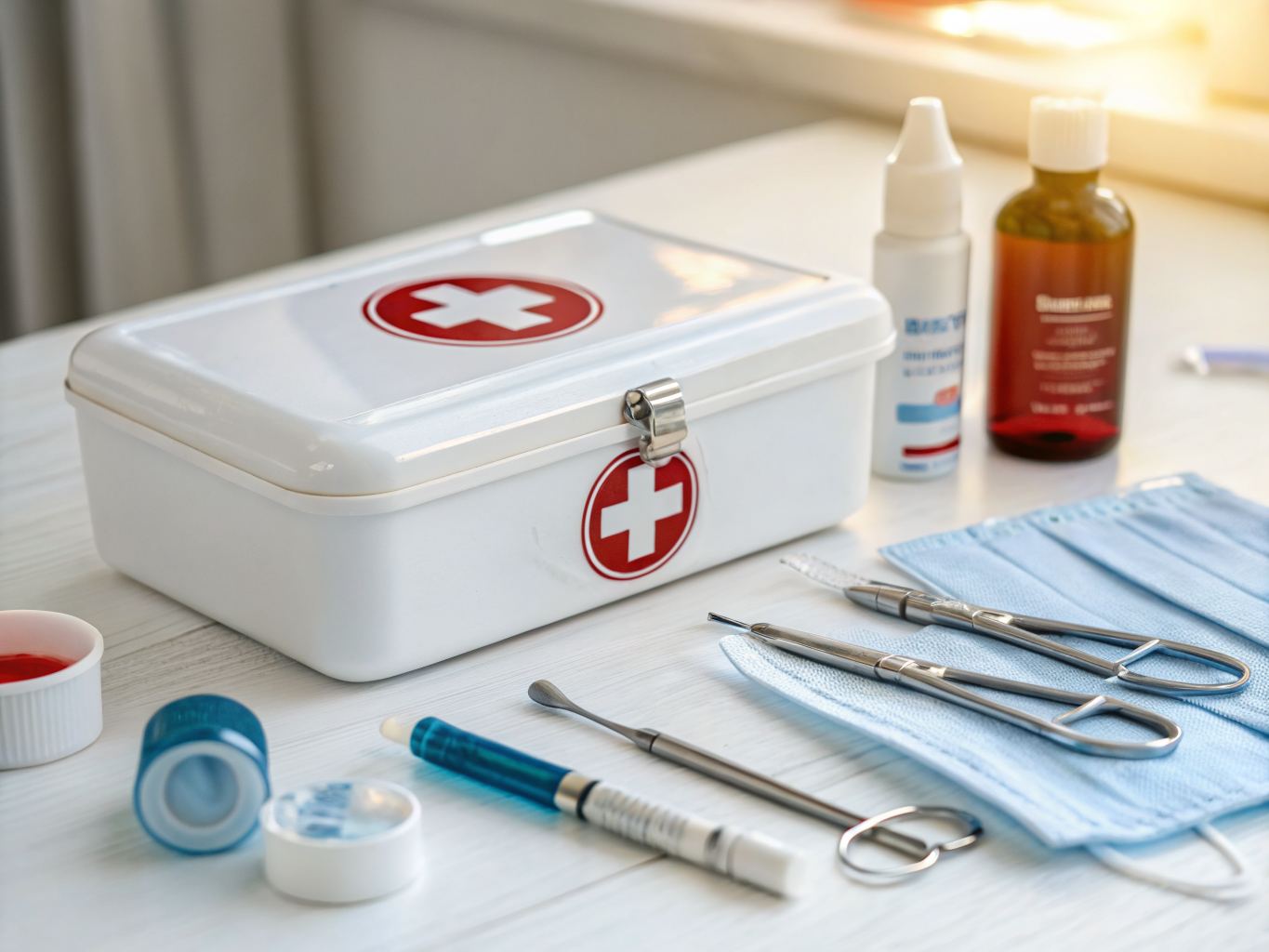
Your first step is to quickly assess the severity of your dental emergency. Look for signs that require immediate attention: severe pain that prevents normal activities, visible swelling in your face or neck, bleeding that won’t stop after 10 minutes of pressure, or a completely knocked-out tooth. These situations need professional care within hours, not days.
Check for fever, difficulty swallowing, or trouble opening your mouth. These symptoms may indicate a serious infection spreading beyond the tooth.
Some dental problems can wait until morning or the next business day. Minor chips without pain, small cavities that aren’t causing discomfort, or loose dental work that isn’t sharp typically fall into this category. When in doubt, call an emergency dentist near me for guidance on whether your situation requires immediate attention.
2. Control Bleeding and Swelling in Your Emergency Dental Care
If bleeding is present, your priority is getting it under control quickly. Rinse your mouth gently with warm water to remove debris and blood clots that might interfere with healing. Apply direct pressure to the bleeding area with clean gauze or a damp tea bag for 10-15 minutes without lifting to check.
For facial swelling, apply a cold compress to the outside of your cheek for 15 minutes on, 15 minutes off. Keep your head elevated when lying down to reduce blood flow to the affected area.
Avoid aspirin for pain relief if you’re bleeding, as it can interfere with blood clotting. If bleeding doesn’t stop after 20 minutes of continuous pressure, this indicates you need emergency dental care immediately.
3. Preserve Knocked-Out or Broken Teeth From Your Dentist Visit
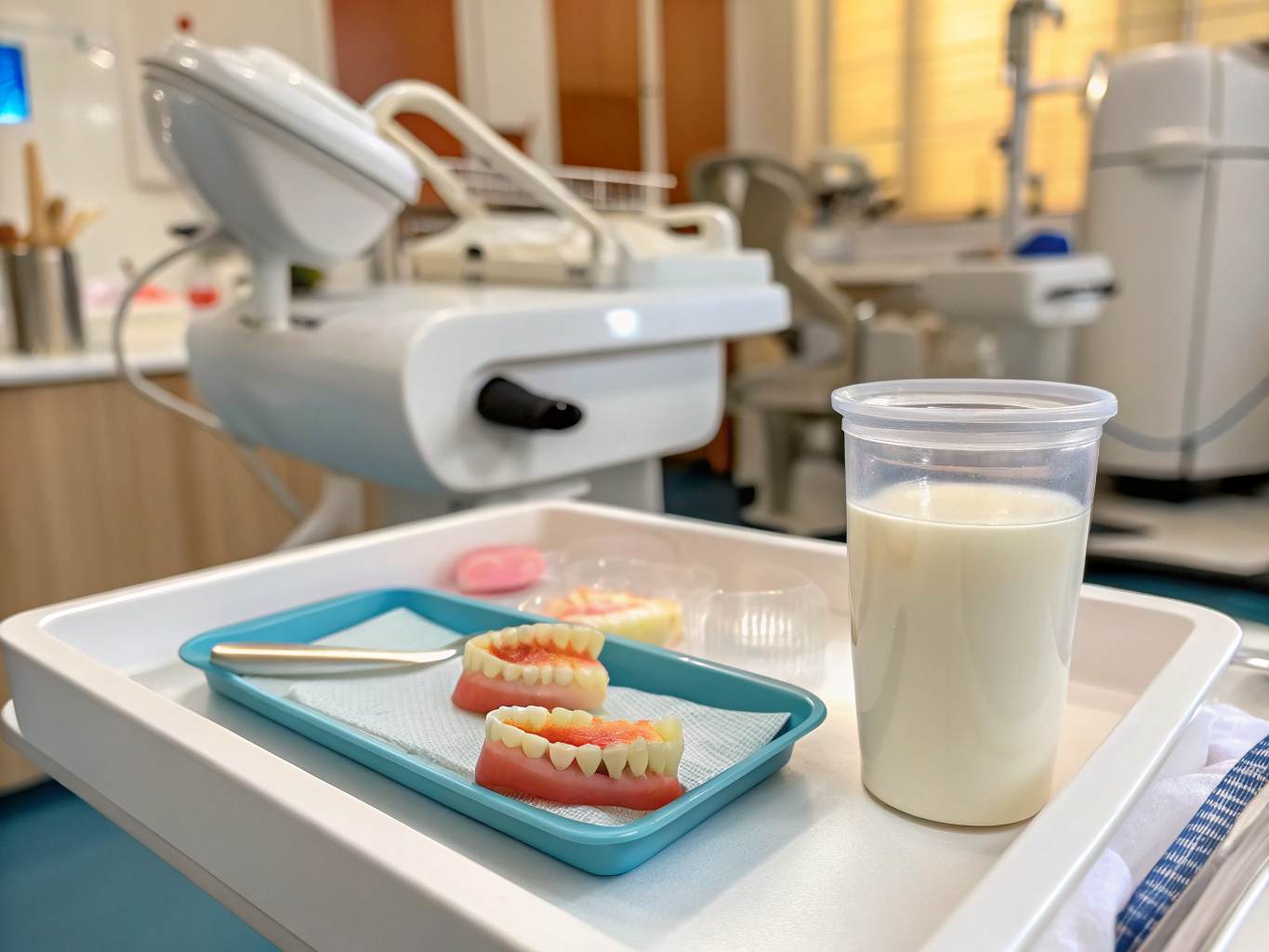
Time is critical when dealing with knocked-out teeth – you have roughly 30 minutes to an hour for the best chance of successful reimplantation. Handle the tooth only by the crown (the white part you normally see), never touch the root surface. Gently rinse the tooth with water if it’s dirty, but don’t scrub or use soap.
Try to reinsert the tooth into its socket if possible, biting down gently on clean gauze to hold it in place. If reinsertion isn’t possible, keep the tooth moist by placing it in milk, your saliva, or between your cheek and gum.
For broken teeth, collect any fragments you can find and bring them with you. Rinse your mouth with warm water and save the pieces in milk or saline solution. Even partial teeth can sometimes be reattached by an emergency dentist, so don’t discard anything.
4. Manage Pain Safely During Your Open Dental Emergency
Over-the-counter pain relievers can provide temporary relief while you arrange emergency dental care. Ibuprofen works particularly well for dental pain because it reduces both pain and inflammation. Take the recommended dosage on the package, typically 400-600mg every 6-8 hours for adults.
Acetaminophen can be used alongside ibuprofen for severe pain, but never exceed the recommended doses of either medication. Create a warm saltwater rinse by adding 1/2 teaspoon of salt to a cup of warm water to help reduce bacteria and provide mild pain relief.
Avoid placing aspirin directly on your gums, as this can cause chemical burns. Ice applied to the outside of your cheek can help numb pain, but never place ice directly on the tooth, as extreme cold can damage the nerve.
5. Gather Essential Information for Your Emergency Dentist Near Me
While managing your immediate symptoms, start collecting important information you’ll need for your dental clinic visit. Locate your insurance cards, driver’s license, and any recent dental X-rays or treatment records you might have at home. Write down all medications you’re currently taking, including dosages and any drug allergies.
Make a list of when your symptoms started, what might have caused the problem, and what makes the pain better or worse. This information helps your emergency dental care dentist diagnose the problem more quickly.
If you have photos of previous dental work or X-rays on your phone, gather those as well. Having your regular dentist’s contact information can be helpful if the emergency dentist needs to coordinate follow-up care.
6. Contact Emergency Dental Services Immediately
Don’t wait until morning or Monday if you’re experiencing a true dental emergency today. Many dental practices offer after-hours emergency lines, and urgent care dental clinics provide same-day appointments even on weekends and holidays. Call as soon as you’ve stabilized your immediate symptoms.
When calling, clearly describe your symptoms, how long you’ve had them, and any treatments you’ve tried. Emergency Dental San Francisco provides 24/7 emergency dental care across the Bay Area, with same-day appointments and walk-in availability for urgent situations.
Ask about what to expect during your visit, the estimated costs, and the available payment options. Many emergency dental practices accept insurance and offer financing options for patients without coverage.
7. Decide Between Emergency Room and Dental Clinic Care
Most dental emergencies are best treated at an urgent care dental practice rather than a hospital emergency room. Emergency rooms typically can only provide pain medication and antibiotics – they cannot perform dental procedures like extractions, root canals, or tooth repairs. Choose emergency dental care for severe toothaches, knocked-out teeth, broken teeth, lost fillings or crowns, and dental abscesses without breathing problems.
Visit the emergency room only for facial trauma that might involve broken bones, uncontrolled bleeding that won’t stop with pressure, difficulty breathing or swallowing, or signs of serious infection spreading to your neck or chest. Hospital emergency departments can address life-threatening complications, but will refer you to a dentist for actual dental treatment.
Emergency Dental San Francisco offers comprehensive urgent dental services, including tooth extractions, root canal therapy, infection treatment, and repair of broken teeth – services you won’t find in most emergency rooms.
| Emergency Type | Immediate Action | Timeframe | Where to Go |
|---|---|---|---|
| Knocked-out tooth | Keep moist, try to reinsert | 30-60 minutes | Emergency dentist |
| Severe toothache | Pain relief, cold compress | Same day | Emergency dentist |
| Facial trauma | Control bleeding, ice | Immediately | Emergency room first |
| Broken tooth | Save pieces, rinse mouth | Within 24 hours | Emergency dentist |
| Abscess with fever | Salt water rinse, pain relief | Same day | Emergency dentist |
Recent data shows that emergency department visits for dental conditions increased nearly 60% among children under 15 between 2019 and 2022, highlighting the growing need for accessible emergency dental care.
The key to managing any dental emergency lies in quick assessment and appropriate immediate care. Taking the right steps in those first crucial minutes can mean the difference between a simple repair and extensive treatment later.
Conclusion
Dental emergencies require swift action and professional care to prevent complications and preserve your oral health. Following these seven essential steps – assessing severity, controlling bleeding, preserving teeth, managing pain, gathering information, contacting emergency services, and choosing appropriate care – gives you the best chance for successful treatment. Emergency Dental San Francisco stands ready to provide immediate, professional care when dental emergencies strike, offering 24/7 availability and same-day treatment across the Bay Area.
Emergency Dental San Francisco provides immediate same-day care for broken teeth and urgent dental situations. We’re available 24/7 including weekends and holidays throughout the Bay Area. Learn more about protecting your smile during dental emergencies.
FAQs
Can I Get an Emergency Dentist Appointment Today?
Yes—many dental emergencies can be seen the same day. Emergency Dental San Francisco offers same-day, after-hours, weekend, and holiday care; call 415-230-2783 or book online, and we’ll help you get in as quickly as possible.
What Counts as a Dental Emergency?
A dental emergency is anything causing severe pain, swelling, bleeding, infection (abscess), trauma (cracked/knocked-out tooth), or a problem that could worsen quickly. If you’re unsure, call us 24/7 and we’ll help you triage your symptoms.
How Much Does an Emergency Dental Visit Cost?
Costs vary based on the exam, X-rays, and treatment needed, but we’ll explain pricing and options before we proceed. We accept most dental insurance plans, offer financing for those who qualify, and take cash and major credit cards for patients without insurance.
What Should I Do If I Have a Toothache and Can’t See a Dentist Today?
Rinse with warm salt water, keep the area clean, use a cold compress for swelling, and take OTC pain relief as directed (avoid placing aspirin on the gum). If you have swelling, fever, pus, or worsening pain, call Emergency Dental San Francisco right away for guidance and the soonest available visit.
Can the ER Treat a Dental Emergency?
The ER can help with severe swelling, uncontrolled bleeding, facial trauma, or signs of a spreading infection, and may provide pain control or antibiotics, but they usually can’t do definitive dental treatment (like a root canal or extraction). For most urgent dental problems, an emergency dentist can treat the source of the pain and provide clear next steps.

Emergency Dental San Francisco is a dental office focused on providing same-day dental appointments to patients in San Francisco and the surrounding area. We provide urgent dental care services during weekends, evenings and holidays.
We accept several forms of payment and have financing options available to those who qualify. We accept most dental insurance.