

06 Mar 7 Dental Emergencies That Require Urgent Care: Which Symptoms Should Never Wait?
Dental emergencies strike without warning and can transform an ordinary day into a painful crisis requiring immediate attention. Recent data shows that 1.6 million Americans visited emergency rooms for dental-related conditions in 2022, costing $3.9 billion nationwide. Many of these situations could have been better managed at specialized emergency dental clinics rather than hospital emergency departments.
This guide outlines seven critical situations that demand urgent dental services and emergency care and explains when to seek professional treatment immediately. You’ll discover the warning signs of a true dental emergency and learn practical steps to take before seeking professional care.
Key Takeaways
- Severe tooth pain, swelling, and fever indicate a serious infection requiring immediate treatment.
- Knocked-out teeth have the best chance of survival when treated within 30 minutes.
- Uncontrolled bleeding from dental trauma needs professional intervention to prevent complications.
- Facial swelling that affects breathing or swallowing constitutes a medical emergency.
- Broken or fractured teeth should be evaluated promptly to prevent further damage.
- Lost crowns or fillings expose sensitive tooth structures and need quick replacement.
- Jaw injuries or locking require immediate assessment for potential fractures.
Understanding these emergency situations helps you make informed decisions about when to seek immediate care versus waiting for regular dental appointments.
1. Severe Toothache With Signs of Infection

A throbbing toothache accompanied by facial swelling, fever, or bad taste in your mouth signals a serious dental infection. These symptoms indicate that bacteria have invaded the tooth’s pulp or surrounding tissues. The infection can spread rapidly to other parts of your face and neck, and even into your bloodstream, if left untreated.
Dental abscesses account for approximately 40% of emergency dental visits, with over 60,000 cases reported annually in Massachusetts alone. The pain typically worsens when lying down and may radiate to your ear, jaw, or neck.
Emergency Dental San Francisco provides immediate infection control through drainage procedures, antibiotic therapy, and pain management. Our team performs urgent root canal therapy when possible to save infected teeth or extractions when necessary to eliminate the source of infection.
2. Knocked-Out Tooth (Avulsed Tooth)
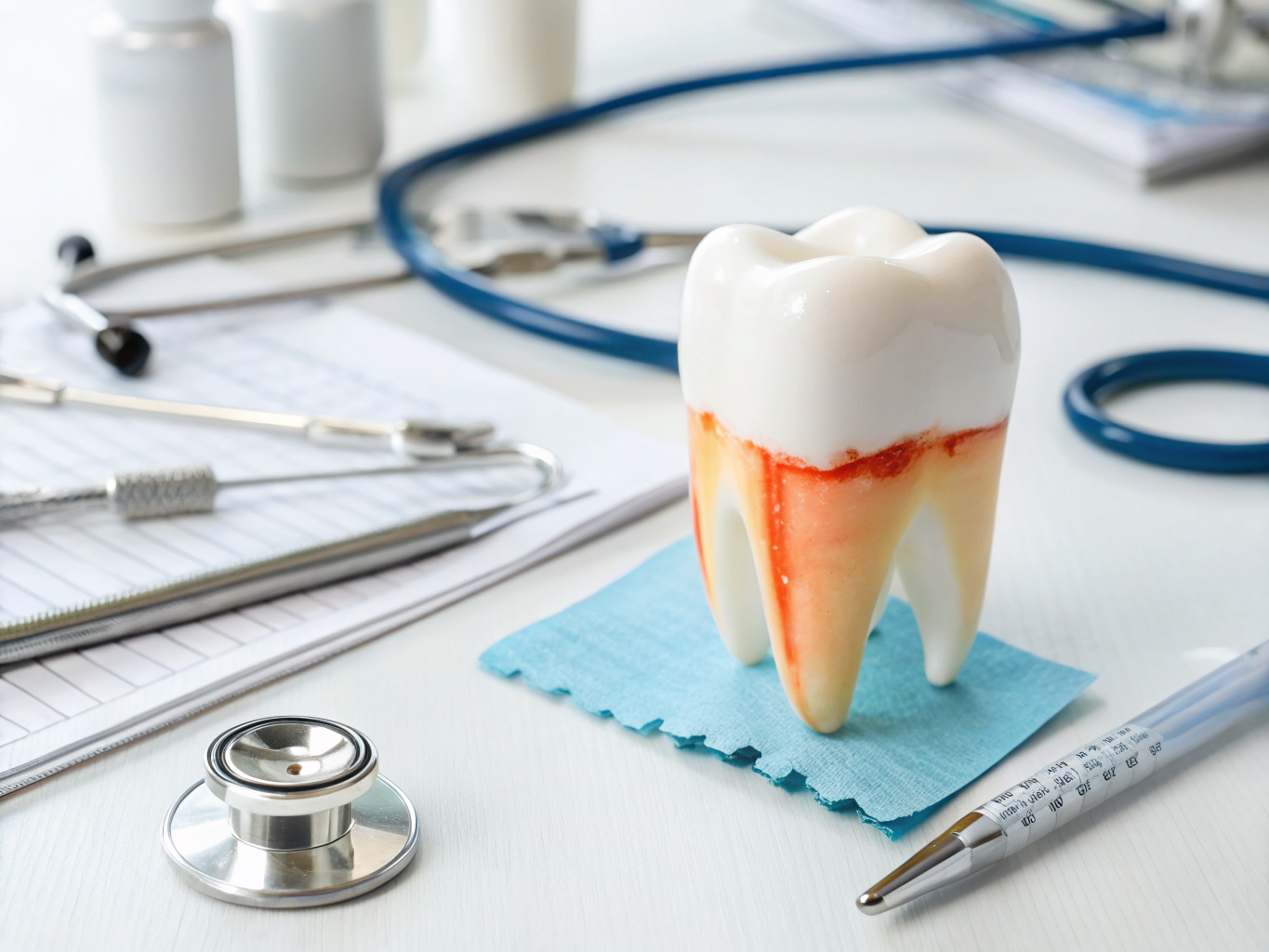
A completely knocked-out permanent tooth represents one of the most time-sensitive dental emergencies. The periodontal ligament cells that help reattach the tooth to your jawbone begin dying within minutes of the injury. Statistics show that knocked-out teeth account for about 20% of dental emergency cases, with approximately 30,000 incidents occurring annually.
The success rate for reimplanting knocked-out teeth drops significantly after the first 30 minutes. Teeth treated within this golden window have up to a 90% survival rate, while those treated after two hours have much lower survival rates.
We maintain specialized protocols for handling avulsed teeth, including immediate splinting procedures and follow-up root canal therapy when indicated.
3. Uncontrolled Bleeding From Dental Trauma
Persistent bleeding from the mouth following dental trauma requires immediate professional attention. While minor bleeding from small cuts may stop with pressure, continuous bleeding that doesn’t respond to direct pressure within 15-20 minutes indicates damage to larger blood vessels. This situation becomes particularly concerning when bleeding interferes with breathing or swallowing.
Dental trauma can result from sports injuries, falls, car accidents, or biting down on hard objects. The bleeding may originate from torn gums, fractured tooth roots, or injured soft tissues inside the mouth.
Our dental clinic maintains emergency protocols for managing oral bleeding, including suturing techniques and hemostatic agents to control hemorrhaging effectively.
4. Facial Swelling Affecting Breathing or Swallowing
Rapid facial swelling that extends beyond the immediate tooth area can indicate a serious spreading infection. When swelling affects your ability to breathe, swallow, or fully open your mouth, this constitutes a true medical emergency requiring immediate intervention. These symptoms suggest the infection may be spreading to deeper tissue spaces in your neck and throat.
Ludwig’s angina, a severe form of dental infection, can cause life-threatening airway obstruction. The condition typically develops from infected lower molars and can progress rapidly within hours.
Warning signs requiring immediate emergency care:
- Difficulty swallowing saliva
- Trouble breathing or shortness of breath
- Fever above 101°F (38.3°C)
- Swelling extending to neck or under jaw
- Inability to fully open mouth
For severe facial swelling with breathing difficulties, proceed directly to a hospital emergency room. For localized swelling without airway involvement, our emergency dental care dentist can provide drainage, antibiotics, and pain management.
5. Broken, Cracked, or Fractured Teeth
Fractured teeth require prompt evaluation to prevent further damage and potential infection. The severity ranges from minor chips affecting only the enamel to complete crown fractures that expose the tooth’s nerve. Vertical root fractures are the most serious type and often require tooth extraction.
Temperature sensitivity, pain when biting, or sharp edges cutting your tongue indicate significant tooth damage. Even hairline cracks can worsen over time, leading to complete tooth failure if not addressed promptly.
| Fracture Type | Pain Level | Treatment Options | Urgency |
|---|---|---|---|
| Minor chip | Mild | Bonding, smoothing | Same day preferred |
| Crown fracture | Moderate to severe | Crown, root canal | Within 24 hours |
| Root fracture | Severe | Extraction, implant | Immediate |
| Vertical split | Severe | Extraction | Immediate |
Save any broken tooth fragments in milk or saliva. Our team can often reattach larger pieces or provide same-day crowns for extensively damaged teeth.
6. Lost Crown, Filling, or Dental Restoration
Lost dental restorations expose sensitive tooth structures to bacteria, temperature changes, and physical damage. While not always painful initially, exposed tooth surfaces can quickly develop sensitivity or become infected. The underlying tooth structure may be weakened and prone to fracture without its protective restoration.
Crowns and large fillings often fail due to decay underneath the restoration, trauma, or normal wear over time. The exposed tooth may appear dark, feel rough, or develop sharp edges.
We provide same-day crown recementing when possible or temporary restorations to protect exposed teeth. Our open dental clinic accepts walk-ins for urgent restoration repairs, ensuring you don’t have to endure prolonged discomfort.
7. Jaw Injury or Inability to Open Mouth
Jaw injuries from trauma can result in fractures, dislocations, or severe muscle spasms that prevent normal mouth opening. These conditions require immediate evaluation to rule out serious structural damage. Temporomandibular joint (TMJ) dislocation can occur from yawning, dental procedures, or facial trauma.
Inability to close your mouth properly, severe pain when attempting to open or close, or obvious facial asymmetry suggests possible jaw fracture. These injuries often accompany other dental trauma and may require coordination between emergency dental services and medical specialists.
Signs of serious jaw injury:
- Malocclusion – Teeth don’t fit together properly
- Limited opening – Cannot open mouth normally
- Numbness – Loss of sensation in lip or chin
- Visible deformity – Facial asymmetry or step-off
- Severe pain – Intense discomfort with jaw movement
For suspected jaw fractures, avoid moving the jaw and seek immediate care at a hospital emergency room. For TMJ dislocations or severe muscle spasms without fracture, our emergency dentist near me can provide muscle relaxants and gentle manipulation techniques.
Our comprehensive emergency protocols include digital imaging capabilities to assess jaw injuries and coordination with oral surgeons when surgical intervention becomes necessary.
When to Choose Emergency Dental Services Over Hospital Emergency Rooms
Hospital emergency rooms treat life-threatening conditions but typically provide only temporary relief for dental problems. Emergency departments can prescribe antibiotics and pain medications but rarely perform definitive dental treatments like root canals, extractions, or restorations.
Choose hospital emergency care for breathing difficulties, uncontrolled bleeding, suspected facial fractures, or signs of serious systemic infection. For tooth-specific problems such as severe pain, infections without airway involvement, or dental trauma, specialized emergency dental care offers more comprehensive treatment.
We accept most dental insurance plans and offer financing options for patients without coverage, making emergency care accessible when you need it most.
Conclusion
Recognizing these seven emergency situations helps you respond appropriately when dental crises occur. Quick action often determines treatment outcomes, especially for knocked-out teeth and serious infections. Our 24/7 emergency services ensure professional care is always available when you need it most.
Emergency Dental San Francisco provides immediate relief for urgent situations like broken fillings and severe tooth pain. We offer same-day appointments, after-hours care, and walk-in services throughout the Bay Area. Learn more about our emergency dental services today.
FAQs
What Is Considered a Dental Emergency?
A dental emergency is any mouth or tooth problem that needs prompt care to stop severe pain, control bleeding, treat infection (like an abscess), or prevent permanent damage—such as a knocked-out tooth, broken/cracked tooth, facial swelling, or injury to the gums or jaw.
Can The ER Treat A Dental Emergency?
An ER can help with serious swelling, uncontrolled bleeding, fever, or trauma, and may provide pain relief or antibiotics, but they typically can’t perform dental procedures like fillings, root canals, or extractions—an urgent-care dentist can diagnose and treat the source of the problem the same day.
How Much Does An Emergency Dental Visit Cost?
Costs vary based on the exam, X-rays, and treatment needed; we accept most dental insurance, offer financing for those who qualify, and provide clear, upfront options so you can make an informed decision before care begins.
What Should I Do If I Have A Toothache And Can’t See A Dentist?
Call an emergency dentist for same-day guidance and care; until you’re seen, rinse with warm salt water, use a cold compress for swelling, take OTC pain medication as directed (if safe for you), and avoid placing aspirin on the gums—seek urgent help right away if you have facial swelling, fever, or trouble swallowing/breathing.
Do Emergency Dentists Take Walk-Ins?
Many do, and we welcome walk-ins when possible, but calling 415-230-2783 or booking online helps us get you in faster—especially after-hours, on weekends, and holidays.

Emergency Dental San Francisco is a dental office focused on providing same-day dental appointments to patients in San Francisco and the surrounding area. We provide urgent dental care services during weekends, evenings and holidays.
We accept several forms of payment and have financing options available to those who qualify. We accept most dental insurance.