

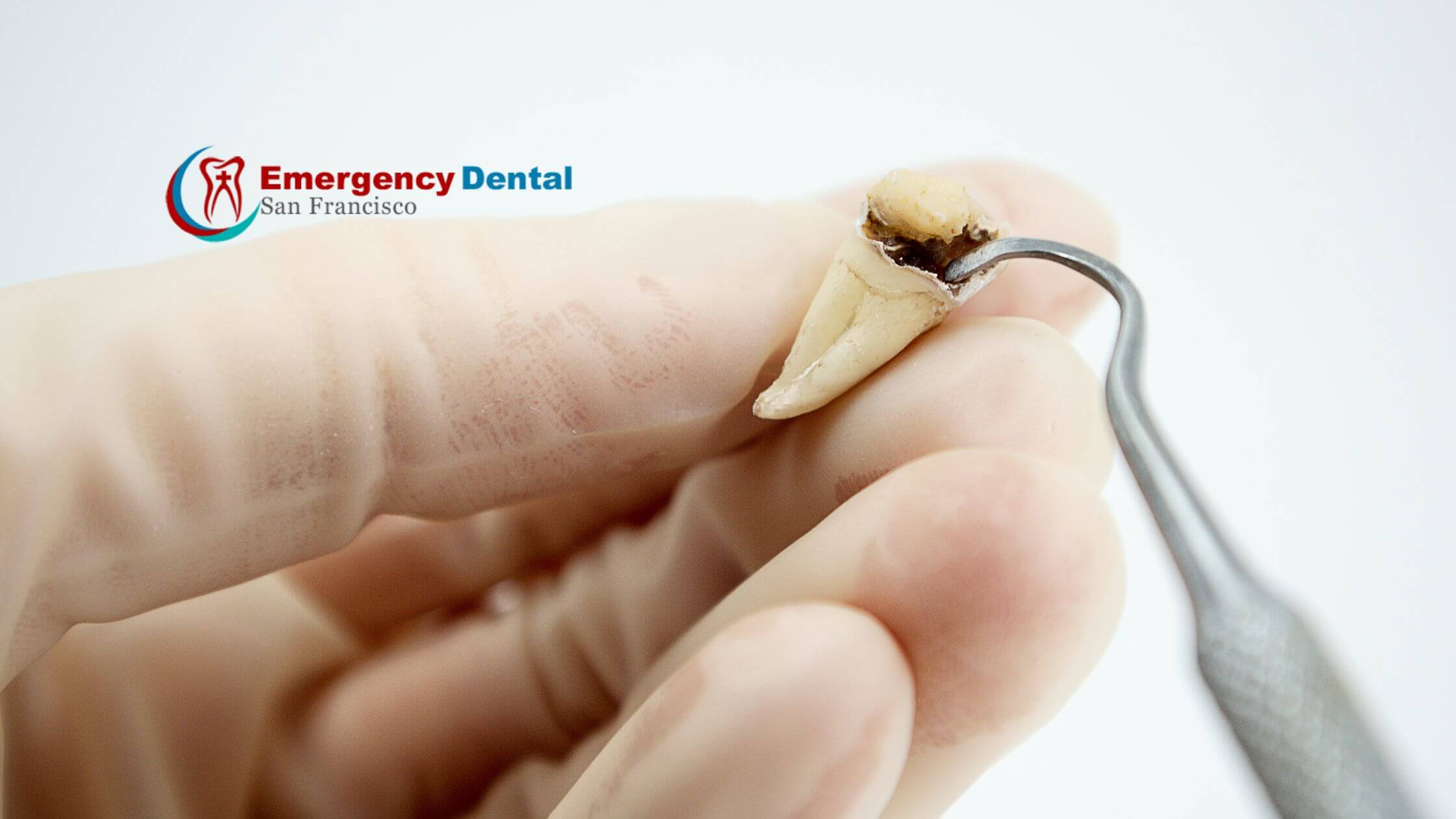
20 Feb Is a Cavity a Dental Emergency: What You Need to Know
When sharp tooth pain strikes at midnight, or a dull ache suddenly becomes unbearable, you face a critical question: Is a cavity a dental emergency? The answer depends on your symptoms and pain level. A simple cavity typically develops slowly and may cause mild discomfort, but when decay reaches the tooth’s inner pulp, it can trigger severe pain that demands immediate attention.
This article explains when cavity-related pain warrants emergency care and what steps to take for relief. You’ll learn the difference between urgent and non-urgent dental issues, discover immediate pain management strategies, and understand when professional intervention becomes necessary.
Key Takeaways
- A cavity becomes a dental emergency when it causes severe pain, swelling, or signs of infection.
- The ADA classifies painful cavities as urgent care requiring prompt treatment but not life-threatening intervention.
- Untreated cavities can lead to abscesses, tooth fractures, and infections requiring root canals or extractions.
- Emergency dental care focuses on immediate pain relief and preventing complications.
- Same-day treatment options include fillings, root canals, or extractions, depending on the severity of the decay.
Understanding the progression from simple cavity to dental emergency helps you make informed decisions about your oral health.
Understanding When Is a Cavity a Dental Emergency

The American Dental Association defines a dental emergency as a situation that is potentially life-threatening and requires immediate treatment to stop bleeding or address severe infection. Most cavities don’t fall into this category initially. A standard cavity develops gradually as bacteria produce acids that erode tooth enamel, creating small holes that may cause minor sensitivity or discomfort.
The emergency threshold changes when decay progresses deeper into the tooth structure. When bacteria reach the pulp chamber, which contains nerves and blood vessels, inflammation occurs rapidly, causing intense throbbing pain that often worsens at night or when lying down.
Emergency Dental San Francisco treats cavity-related emergencies daily, from severe toothaches to abscessed teeth requiring immediate intervention. Our 24-hour availability means patients experiencing sudden dental pain can receive same-day relief rather than suffer through sleepless nights or missed workdays.
Signs Your Cavity Requires Emergency Tooth Decay Treatment
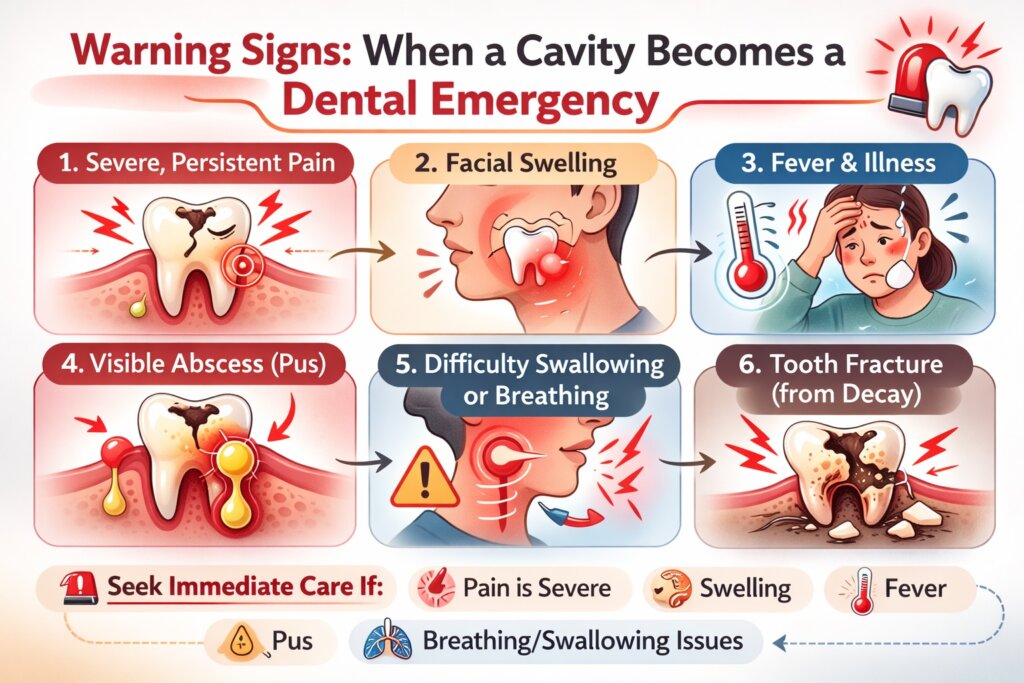
Several warning signs indicate that a cavity has progressed beyond routine dental care. Recognizing these symptoms helps you determine whether to seek immediate professional attention or schedule a regular appointment.
1. Severe, Persistent Pain
Intense throbbing or sharp pain that doesn’t respond to over-the-counter medications signals advanced decay. This pain often intensifies when biting down, consuming hot or cold foods, or lying flat.
2. Facial Swelling
Swelling around the affected tooth, jaw, or cheek may indicate an infection spreading beyond the tooth root. This symptom requires prompt evaluation to prevent complications.
3. Fever and General Illness
A fever accompanying dental pain suggests your body is fighting an active infection. This combination warrants immediate professional assessment and likely antibiotic treatment.
4. Visible Abscess or Pus
A pimple-like bump on the gums near the painful tooth, especially one that drains pus, indicates an abscessed tooth requiring emergency drainage and treatment.
5. Difficulty Swallowing or Breathing
These symptoms suggest a serious infection that could affect your airway. Seek emergency room care immediately if swallowing becomes difficult or breathing is compromised.
6. Tooth Fracture from Decay
When extensive decay weakens a tooth enough to cause fractures or breaks, immediate treatment prevents further damage and addresses exposed nerves causing severe pain.
Not every cavity is an emergency, but these symptoms suggest the problem has moved beyond simple filling-level care. Early intervention often means simpler treatment and a better chance of saving the tooth. If you’re unsure, it’s safer to get evaluated quickly—especially when swelling, fever, pus, or breathing changes are involved.
How Cavities Progress to Emergency Situations
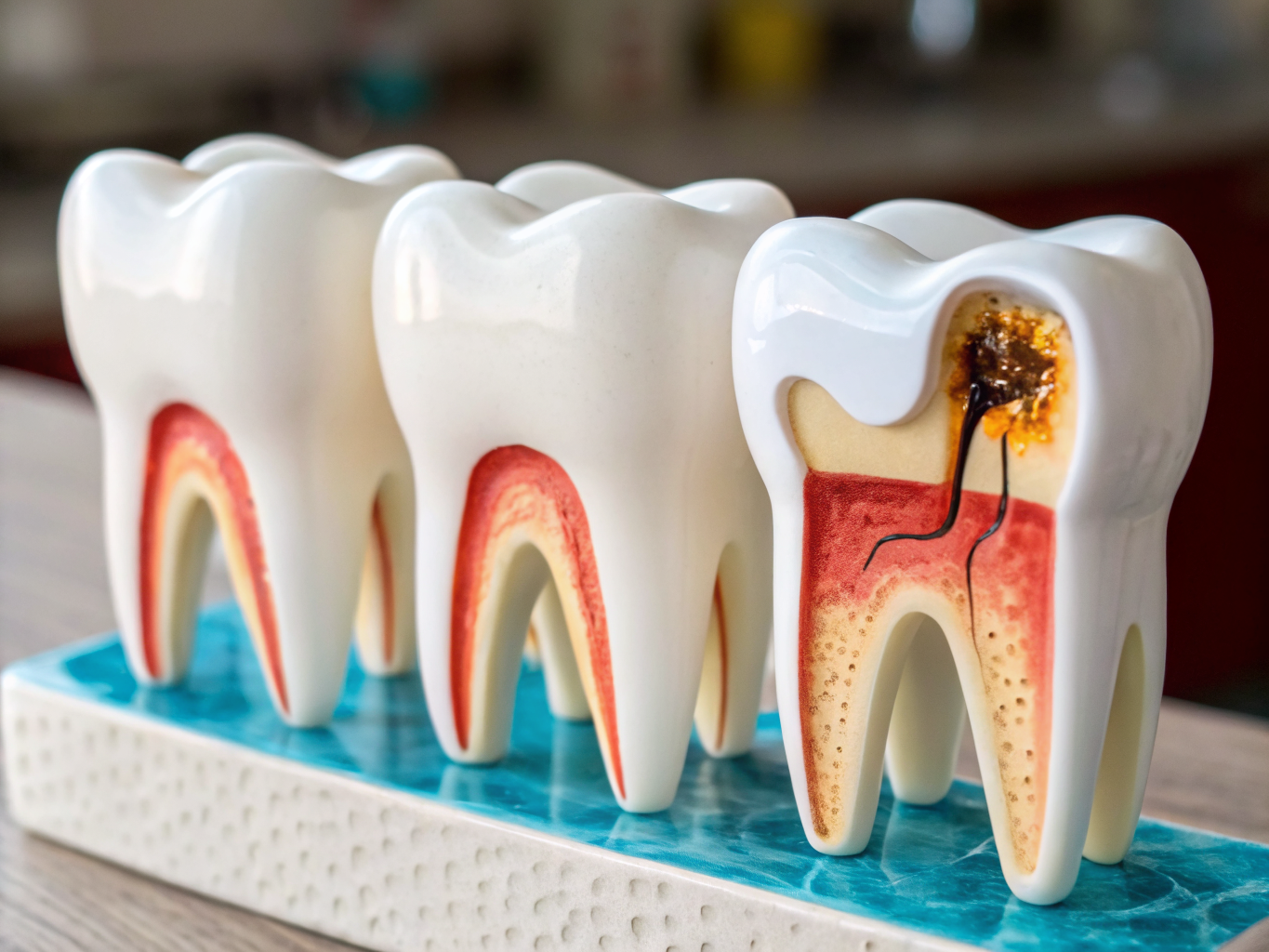
Understanding cavity progression helps explain why some dental issues become urgent while others remain manageable. The process typically follows predictable stages, each with distinct symptoms and treatment requirements.
Initial enamel decay rarely causes pain since enamel contains no nerve endings. You might notice slight sensitivity to sweets or temperature changes, but discomfort remains minimal and manageable with routine dental care.
When decay penetrates the dentin layer beneath enamel, sensitivity increases noticeably. The tooth may ache when exposed to hot, cold, or sweet substances, but pain typically subsides quickly once the stimulus is removed. At this stage, a filling usually resolves the problem completely.
The critical transition occurs when bacteria reach the pulp chamber. This living tissue contains nerves and blood vessels that become inflamed when exposed to bacterial toxins. The resulting pulpitis causes severe, persistent pain that may throb constantly or spike with pressure changes.
Without intervention, infected pulp tissue dies, creating an ideal environment for bacterial growth. The infection can spread beyond the tooth root, forming an abscess in the surrounding bone and soft tissue. This progression transforms a manageable cavity into a serious medical condition requiring immediate attention.
Emergency Tooth Decay Treatment Options Available
Emergency tooth decay treatment focuses on two priorities: relieving pain quickly and stopping infection from spreading. The right option depends on how deep the decay is, if an abscess is present, and how much healthy tooth structure remains. In many cases, treatment is done in stages—stabilize first, then complete the permanent repair once the tooth is safe and comfortable.
| Treatment Option | What It Does | When It’s Used |
|---|---|---|
| Root Canal Therapy | Removes infected pulp, cleans and seals the tooth to prevent reinfection | Deep decay with nerve involvement, tooth can still be saved |
| Tooth Extraction | Removes the tooth and eliminates the infection source | Tooth is too damaged to restore or infection risk is high |
| Incision & Drainage | Releases pus and reduces pressure from an abscess | Visible swelling/abscess or pressure pain needing rapid relief |
| Antibiotic Therapy | Helps control bacterial spread alongside definitive treatment | Fever, facial swelling, or infection extending beyond the tooth |
| Emergency Filling/Crown | Seals exposed areas and protects nerves (often temporary first) | Enough tooth remains to restore and stabilize quickly |
| Pain Management | Reduces pain and inflammation while treatment takes effect | Severe discomfort before/after definitive dental treatment |
Even in an emergency, antibiotics and pain medication are usually support measures—not the complete fix—because the source of infection must be treated. Getting care early can mean saving the tooth and avoiding more serious complications, such as spreading swelling or systemic illness. After the urgent problem is stabilized, follow-up visits are often needed to place a permanent restoration and prevent recurrence.
When to Seek 24 Hour Dentist Care for Cavity Pain
Timing is crucial in cavity-related emergencies. Certain symptoms require immediate professional attention, while others can be managed at home during regular office hours.
Seek immediate care if pain prevents sleep, eating, or normal activities. Severe, constant throbbing that doesn’t respond to pain medications indicates advanced decay requiring professional intervention.
Swelling that spreads beyond the immediate tooth area warrants urgent evaluation. Facial swelling, especially when accompanied by difficulty opening your mouth or swallowing, suggests infection spread that could become dangerous without prompt treatment.
Our clinic provides 24-hour dentistry services throughout San Francisco and the Bay Area, including South San Francisco, Alameda, Berkeley, Daly City, Fremont, Oakland, and San Leandro. Patients can walk in during acute pain episodes or call 415-230-2783 for immediate guidance and same-day appointment scheduling.
Temperature elevation above 101°F combined with dental pain indicates systemic infection requiring immediate antibiotic therapy. Don’t wait for regular office hours when fever accompanies severe tooth pain, as infections can spread rapidly without proper treatment.
Conclusion
A cavity becomes a dental emergency when pain becomes severe or infection develops. Prompt professional treatment prevents complications and provides rapid relief. Don’t let financial concerns delay necessary emergency dental care when your health is at stake.
Emergency Dental San Francisco provides same-day cavity treatment when dental pain can’t wait. Our urgent-care practice serves the Bay Area with immediate relief and transparent care. Learn more about emergency cavity solutions today.
FAQs
Is a Cavity Considered a Dental Emergency?
A cavity isn’t always an emergency, but it can quickly become one. If you have significant pain, swelling, a broken tooth, fever, or trouble chewing, seek urgent treatment to prevent infection and more serious damage.
When Should a Cavity Be Treated Urgently?
Seek same-day care if the cavity causes persistent or worsening toothache, sensitivity that lingers, visible holes or a broken edge, swelling or gum “pimple,” bad taste/drainage, or pain that keeps you from sleeping or eating. These signs often mean the decay is close to—or has reached—the nerve.
Can I Wait to Treat a Cavity, or Will It Get Worse?
Cavities don’t heal on their own and typically get worse over time. Waiting can turn a simple filling into a root canal, crown, or extraction, so earlier treatment is usually faster, safer, and less costly.
What Should I Do If I Have a Cavity and Tooth Pain?
Call for an urgent dental exam as soon as possible so we can identify the cause and relieve pain safely. Until you’re seen, avoid chewing on that side; keep the area clean with gentle brushing and warm saltwater rinses; and use over-the-counter pain relief as directed on the label. Avoid placing aspirin directly on the tooth or gums.
How Do I Know If a Cavity Has Turned Into an Infection or Abscess?
Warning signs include facial or gum swelling, a throbbing toothache, fever, swollen lymph nodes, pus or a bad taste, a gum boil, or pain when biting. If you have swelling, fever, or trouble swallowing or breathing, treat it as urgent and call immediately for prompt evaluation and care.

Emergency Dental San Francisco is a dental office focused on providing same-day dental appointments to patients in San Francisco and the surrounding area. We provide urgent dental care services during weekends, evenings and holidays.
We accept several forms of payment and have financing options available to those who qualify. We accept most dental insurance.