
21 Jan What Counts as a Dental Emergency After a Cracked Tooth?
A cracked tooth can quickly escalate from a minor inconvenience to a serious dental emergency requiring immediate attention. The key difference lies in whether you’re experiencing severe pain, signs of infection, or risk of further damage that could compromise the tooth permanently. Understanding these warning signs helps you determine when to seek urgent care and when to schedule a routine appointment.
This article explains the specific symptoms that warrant emergency treatment for a cracked tooth, outlines the risks of delaying treatment, and provides clear guidance on when to contact an emergency dentist immediately. You’ll also learn what immediate steps to take and how Emergency Dental San Francisco can provide same-day relief for urgent dental situations.
Key Takeaways
- Severe pain that doesn’t respond to over-the-counter medication indicates an emergency involving a cracked tooth.
- Swelling, fever, or discharge around a cracked tooth may indicate an infection requiring immediate treatment.
- Visible nerve exposure or deep cracks extending below the gum line need urgent professional care.
- Delaying treatment for cracked teeth that require emergency care can lead to tooth loss and serious complications.
- Emergency Dental San Francisco provides 24/7 same-day care for cracked tooth emergencies throughout the Bay Area.
What Counts as a Dental Emergency When Your Tooth Cracks
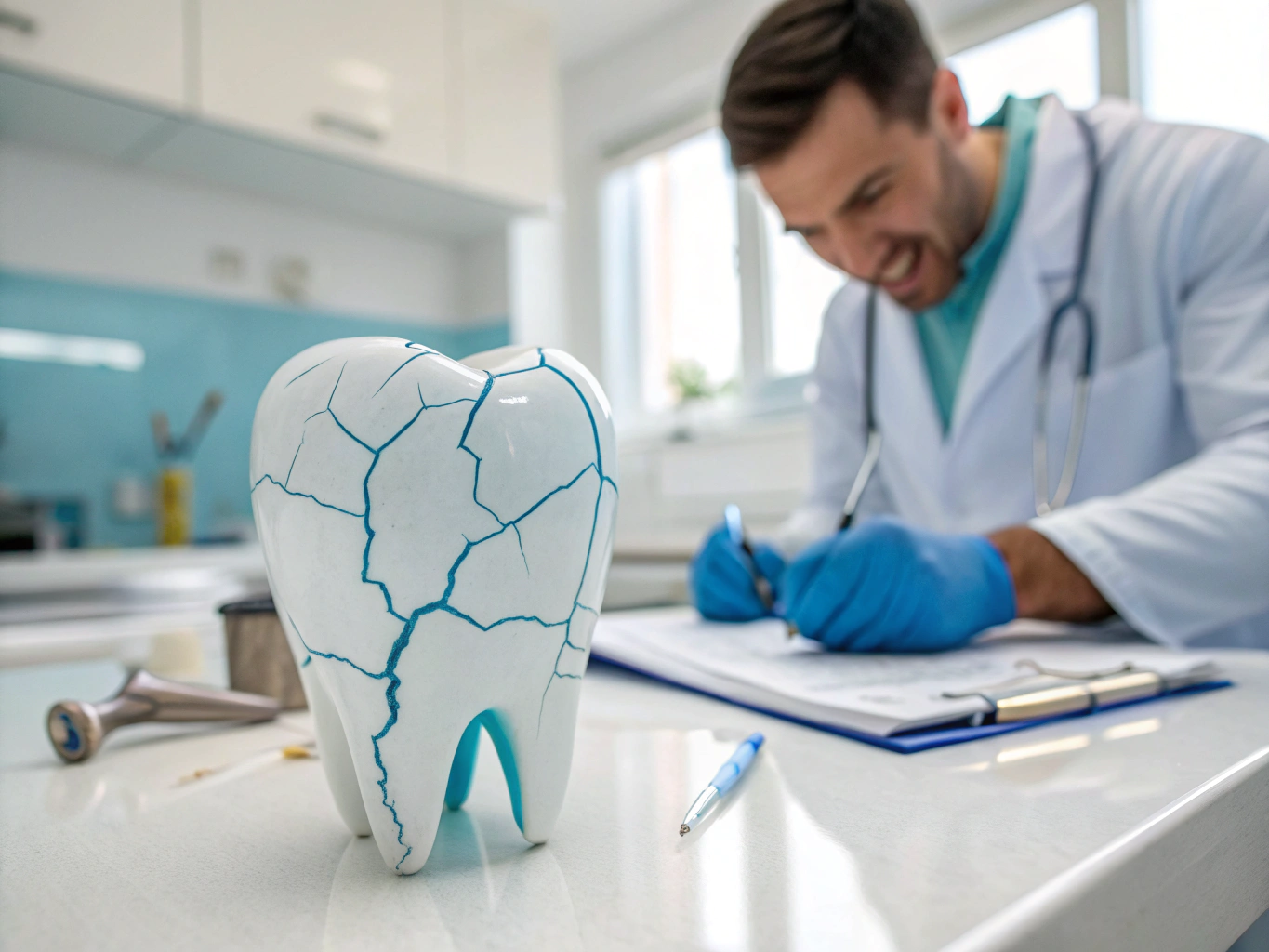
Not every cracked tooth requires emergency treatment, but certain symptoms transform a simple crack into an urgent situation. The primary indicators include uncontrolled pain, visible damage to the tooth’s inner structure, or signs that bacteria have entered the tooth. These conditions can worsen rapidly without professional intervention.
Emergency-level cracked teeth typically involve damage that extends beyond the outer enamel layer. When cracks reach the dentin or pulp chamber, bacteria can infiltrate the tooth’s interior, leading to infection and potentially life-threatening complications.
1. Severe Pain That Persists or Worsens
Pain that continues despite taking recommended doses of over-the-counter pain relievers indicates nerve involvement or infection. This type of discomfort often intensifies when biting down, consuming hot or cold foods, or even during normal jaw movement.
2. Visible Nerve Exposure or Deep Cracks
When you can see pink or red tissue inside the crack, or if the crack extends visibly below the gum line, the tooth’s inner structures are compromised. These situations require immediate professional assessment to prevent permanent damage.
3. Swelling Around the Affected Tooth
Facial swelling, gum inflammation, or tender lymph nodes suggest bacterial infection has developed. Swelling that spreads toward the eye, neck, or throat area constitutes a serious medical emergency requiring immediate attention.
4. Fever or General Illness Symptoms
Fever accompanying dental pain indicates your body is fighting an infection that may be spreading beyond the tooth. This combination of symptoms requires urgent antibiotic treatment and possible drainage procedures.
5. Discharge or Bad Taste
Pus, blood, or persistent bad taste coming from the cracked tooth area signals active infection. The drainage may be intermittent, but any discharge warrants immediate professional evaluation.
6. Complete Tooth Fragment Loss
If a significant piece of the tooth breaks away, especially if it includes the crown or a large portion of the tooth structure, emergency treatment is necessary to assess whether the tooth can be saved.
7. Inability to Close Your Mouth Normally
When a cracked tooth prevents normal jaw function or causes your bite to feel completely different, the structural damage may be extensive enough to require immediate stabilization.
Why Cracked Tooth Emergencies Require Immediate Attention
The urgency surrounding certain cracked teeth stems from the rapid progression of complications that can occur once the tooth’s protective barriers are compromised. Bacteria naturally present in your mouth can quickly colonize exposed tooth structures, leading to infections that spread beyond the original site. Time becomes a critical factor in preserving both the affected tooth and your overall health.
Delaying treatment for emergency-level cracked teeth often results in more extensive and expensive procedures later. What might initially require a simple crown or filling can progress to requiring root canal therapy, extraction, or even hospitalization for serious infections.
| Symptom Level | Treatment Timing | Potential Consequences if Delayed |
|---|---|---|
| Mild sensitivity, small visible crack | Schedule within 1-2 weeks | Crack may worsen, sensitivity may increase |
| Moderate pain, larger crack, no swelling | Schedule within 2-3 days | Pain progression, possible nerve damage |
| Severe pain, swelling, fever | Seek emergency care immediately | Tooth loss, serious infection, hospitalization |
1. Infection Can Spread Rapidly
Dental infections don’t remain localized to the tooth when left untreated. The bacteria can travel through your bloodstream or spread to nearby tissues, potentially causing life-threatening conditions like Ludwig’s angina or sepsis.
2. Tooth Structure Continues Deteriorating
Cracked teeth are mechanically unstable and continue to break down under normal chewing forces. Each additional crack or fracture reduces the likelihood of successful restoration and may eventually render the tooth non-salvageable.
3. Pain Typically Intensifies Over Time
Nerve inflammation inside cracked teeth generally worsens rather than improves on its own. What starts as mild sensitivity can quickly progress to excruciating pain that interferes with sleep, eating, and daily activities.
4. Adjacent Teeth May Become Affected
Infections from cracked teeth can spread to neighboring teeth, gums, and supporting bone structures. This progression can jeopardize multiple teeth rather than just the originally damaged one.
5. Systemic Health Complications
Untreated dental infections can contribute to serious medical conditions, particularly in patients with diabetes, heart disease, or compromised immune systems. The inflammatory response can affect blood sugar control and cardiovascular health.
Immediate Steps to Take With an Emergency Cracked Tooth
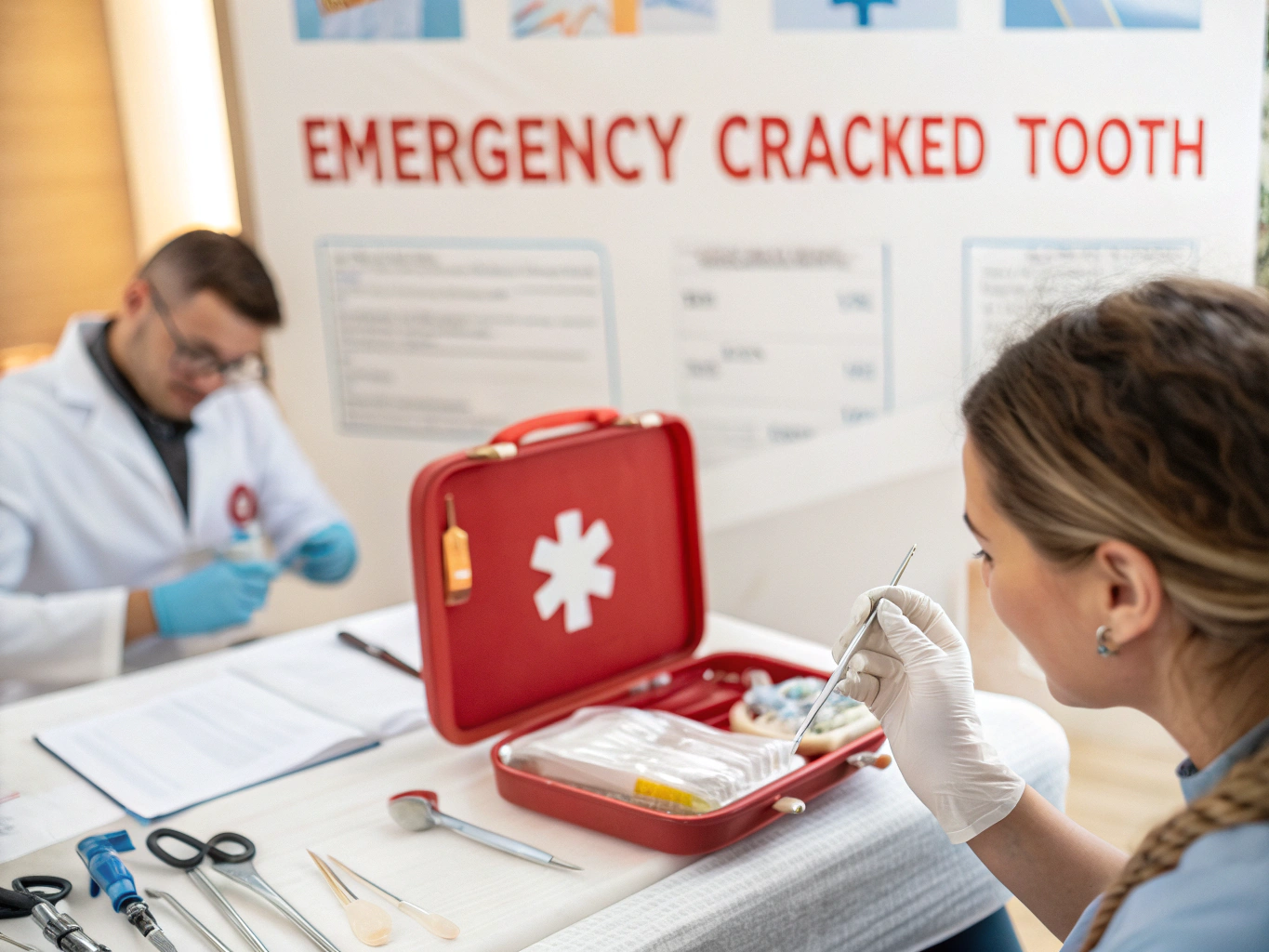
When you identify that your cracked tooth constitutes a dental emergency, taking appropriate immediate action can help preserve the tooth and manage pain until you receive professional treatment. Your response in the first few hours can significantly impact the treatment outcome and your comfort level. Quick, proper care also helps prevent the situation from deteriorating further.
Emergency Dental San Francisco recommends these immediate steps while you arrange urgent dental care. Our clinic provides 24/7 emergency services throughout San Francisco and the greater Bay Area, including same-day appointments for urgent situations like severe cracked teeth.
1. Rinse Gently With Warm Salt Water
Mix 1/2 teaspoon of salt into a cup of warm water, then gently swish it around the affected area. This helps clean the area and may provide mild pain relief while reducing bacterial load around the crack.
2. Apply a Cold Compress to Reduce Swelling
Place a cold pack or ice wrapped in a thin towel against the outside of your cheek for 15-20 minutes at a time. This helps control swelling and can provide temporary pain relief.
3. Take Over-the-Counter Pain Medication
Use ibuprofen or acetaminophen as directed on the package for pain management. Avoid placing aspirin directly on the gums, as this can cause tissue damage.
4. Protect the Cracked Tooth
Avoid chewing on the affected side and stick to soft foods. If possible, cover sharp edges with dental wax or sugar-free gum to prevent further damage to your tongue or cheek.
5. Save Any Broken Tooth Pieces
If fragments of the tooth have broken off, rinse them gently and store them in milk or saliva. Bring these pieces to your emergency dental appointment, as they may be reattachable in some cases.
6. Contact emergency dental care Immediately
Call 415-230-2783 to reach Emergency Dental San Francisco for immediate guidance and appointment scheduling. Our team can provide specific instructions based on your symptoms and arrange urgent care.
When to Choose Emergency Dental Care Over the Emergency Room
Many patients with dental emergencies face confusion about whether to visit a hospital emergency room or seek specialized dental emergency care. While emergency rooms can provide pain medication and antibiotics for dental infections, they typically cannot perform the definitive treatments needed to resolve cracked tooth emergencies. Understanding when each option is appropriate can save you time and ensure you receive the most effective care.
Emergency Dental San Francisco specializes in urgent dental situations and can provide comprehensive treatment for cracked teeth, including X-rays, pain relief, temporary or permanent repairs, and follow-up care planning. Our facility is equipped specifically for dental procedures and staffed by licensed dental professionals available 24/7.
Choose Emergency Dental Care When You Have:
- severe tooth pain with or without swelling confined to the mouth area
- Visible cracks or breaks in teeth requiring repair or extraction
- Lost dental work, like crowns or fillings, that need replacement
- Dental infections without breathing difficulties or facial swelling spreading to the neck
- Need for immediate tooth-saving procedures like root canals or extractions
Choose Emergency Room Care When You Experience:
- Difficulty breathing or swallowing due to facial swelling
- Suspected facial bone fractures from trauma
- Uncontrolled bleeding that doesn’t respond to direct pressure
- Signs of serious systemic infection, such as high fever, chills, or confusion
- Severe allergic reactions to dental medications
Preventing Future Cracked Tooth Emergencies
While some tooth fractures result from unavoidable accidents, many cracked tooth emergencies can be prevented through awareness of risk factors and protective measures. Understanding what makes teeth vulnerable to cracking helps you make informed decisions about activities, diet, and oral care habits. Prevention strategies are particularly important if you’ve already experienced one cracked tooth, as the risk factors often affect multiple teeth.
Regular preventive care and early intervention for minor dental issues can prevent many issues from progressing to an emergency. Our clinic emphasizes patient education about risk factors and provides custom protective devices when appropriate.
Common Risk Factors to Address:
- Teeth grinding or clenching, especially during sleep
- Large existing fillings that weaken tooth structure
- Previous root canal treatment without crown protection
- Age-related enamel thinning and brittleness
- Frequent consumption of hard foods like ice, nuts, or hard candies
- Using teeth as tools for opening packages or bottles
- Contact sports participation without proper mouth protection
Conclusion
Recognizing when a cracked tooth becomes a dental emergency can save your tooth and prevent serious complications. Severe pain, signs of infection, or visible nerve exposure require immediate professional attention rather than waiting until regular office hours. Emergency Dental San Francisco provides 24/7 urgent care throughout the Bay Area, ensuring you receive prompt, professional treatment when dental emergencies strike—call 415-230-2783 for immediate assistance.
Emergency Dental San Francisco provides same-day emergency care for cracked teeth and severe pain. We’re available after hours, on weekends, and on holidays throughout the Bay Area. Learn more about immediate dental relief today.
FAQs
What Is Considered a Dental Emergency?
A dental emergency is any mouth or tooth problem that needs prompt care to stop severe pain, control bleeding or swelling, prevent infection from spreading, or save a tooth—such as a cracked tooth with pain, an abscess, a knocked-out tooth, or facial swelling. If you’re unsure, calling an emergency dentist right away is the safest choice.
What Dental Issues Require Immediate Attention?
Seek same-day care for severe toothache, swelling of the face or gums, fever with dental pain, pus or a bad taste (possible abscess), uncontrolled bleeding, a broken or cracked tooth with pain, a knocked-out or loose adult tooth, or jaw injury. These can worsen quickly and may require urgent treatment to prevent complications.
Is A Toothache Considered A Dental Emergency?
Yes—especially if the pain is severe, lasts more than a day, wakes you up, or comes with swelling, fever, or sensitivity to hot/cold. Toothaches can signal infection or nerve inflammation, and early treatment often means faster relief and fewer procedures.
Is A Chipped Or Broken Tooth A Dental Emergency?
It can be. A small chip without pain may be scheduled soon, but a broken or cracked tooth is urgent if you have pain, sharp edges cutting your tongue/cheek, bleeding, or sensitivity—because the tooth can fracture further or become infected. Getting evaluated quickly helps protect the tooth and relieve discomfort.
When Should I Go To The ER For A Dental Problem?
Go to the ER (or call 911) for trouble breathing or swallowing, rapidly spreading facial/neck swelling, high fever, severe uncontrolled bleeding, major trauma, or signs of an allergic reaction. For most dental emergencies like cracked teeth, abscesses, and severe toothaches, an urgent-care dentist can usually treat the cause faster and more directly.

Emergency Dental San Francisco is a dental office focused on providing same-day dental appointments to patients in San Francisco and the surrounding area. We provide urgent dental care services during weekends, evenings and holidays.
We accept several forms of payment and have financing options available to those who qualify. We accept most dental insurance.