


07 Jan Emergency Dental Without Insurance: Affordable Tooth Extraction
When severe tooth pain strikes without warning, the lack of dental insurance shouldn’t prevent you from getting immediate relief. Emergency Dental San Francisco offers same-day tooth extractions for patients without insurance, with transparent pricing and flexible payment options to ensure urgent dental care remains accessible. Our clinic operates 24/7, accepting walk-ins and emergency appointments when you need relief most.
This guide explains how to access affordable emergency dental extractions without insurance, what to expect during your visit, and practical steps to manage costs while receiving professional care. You’ll discover payment alternatives, preparation tips, and when extraction becomes the best solution for ending dental pain.
Key Takeaways
- Emergency tooth extractions without insurance cost significantly less at specialized urgent care dental clinics than hospital emergency rooms.
- Same-day appointments and walk-in availability make immediate pain relief accessible for uninsured patients.
- Payment plans, cash discounts, and credit card acceptance provide flexible options for managing extraction costs.
- Proper preparation and understanding of the extraction process help reduce anxiety and ensure smooth treatment.
- Follow-up care and pain management are essential components of successful recovery after emergency tooth extraction.
Understanding your options for emergency dental care without insurance can save both time and money when facing urgent tooth pain.
Emergency Dental Without Insurance: Same-Day Tooth Extraction Options
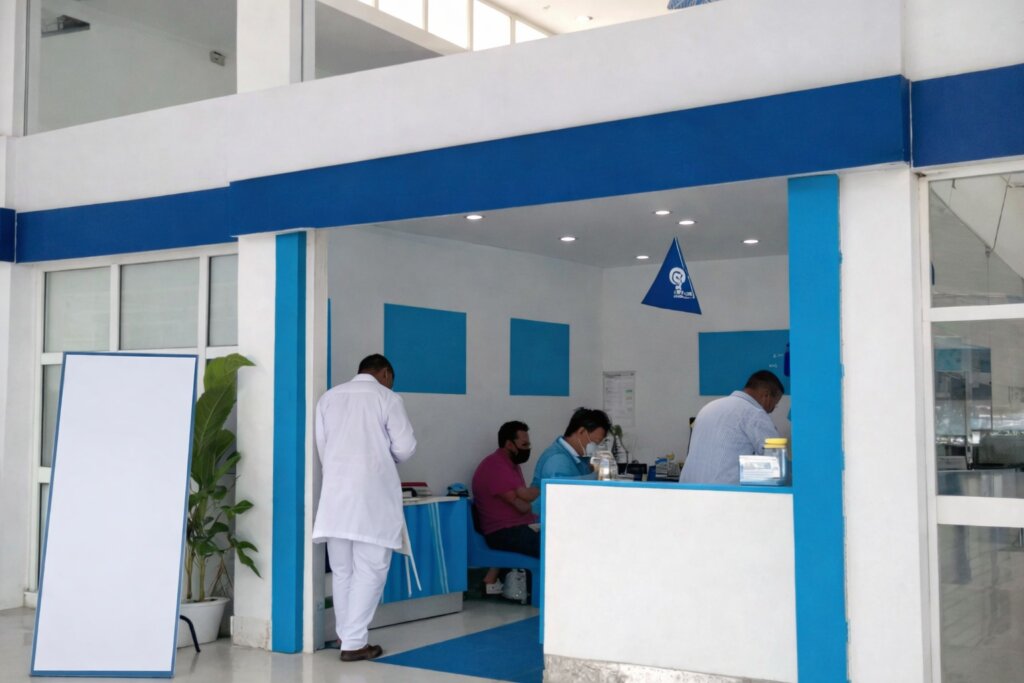
Uninsured patients facing dental emergencies have several pathways to receive immediate tooth extraction services. Emergency Dental San Francisco specializes in urgent dental care for patients without insurance, providing same-day extractions at transparent, affordable rates. Our clinic accepts cash payments and all major credit cards, eliminating insurance approval delays that can prolong suffering.
Walk-in availability means you don’t need to wait days for an appointment when tooth pain becomes unbearable. Same-day X-rays and examinations determine if extraction offers the best solution for your specific situation.
1. Urgent Care Dental Clinics vs Hospital Emergency Rooms
Emergency dental clinics provide specialized tooth extraction services at significantly lower costs than hospital emergency departments. While hospital ERs typically only prescribe pain medication and antibiotics for dental issues, urgent care dental facilities perform actual extractions and definitive treatment.
2. Cash Payment Discounts and Transparent Pricing
Many emergency dental practices offer cash payment discounts for uninsured patients seeking tooth extractions. Transparent upfront pricing eliminates surprise bills and allows you to make informed decisions about your care without insurance complications.
3. Financing Options Through Third-Party Providers
CareCredit and similar healthcare financing companies provide payment plans for dental extractions, allowing uninsured patients to spread costs over several months. These options often include interest-free periods for qualified applicants.
4. Community Health Centers and Sliding Fee Scales
Federally qualified health centers sometimes offer dental services on sliding fee scales based on income. These facilities can provide tooth extractions at reduced costs for patients who meet specific financial criteria.
5. Dental Schools and Training Programs
Accredited dental schools often provide supervised tooth extraction services at reduced rates. While treatment takes longer due to the educational component, costs remain significantly lower than private practice fees.
Each option presents different advantages depending on your specific circumstances and urgency level.
Preparing for Emergency Tooth Extraction Without Insurance
Proper preparation streamlines your emergency dental visit and helps control costs when paying out of pocket. Gathering the necessary documentation and understanding the extraction process reduces anxiety and ensures efficient treatment. Emergency Dental San Francisco recommends arriving 15 minutes early with essential items to expedite your care.
Preparation also includes understanding pain management options and post-extraction care requirements before treatment begins.
1. Essential Documents and Information to Bring
Bring government-issued identification, a complete list of current medications and allergies, and any recent dental records or X-rays from previous treatments. This information helps your emergency dentist near me provide safe, effective care tailored to your medical history.
2. Payment Method Preparation
Confirm accepted payment methods before your visit and ensure your credit card has sufficient available credit for potential extraction costs. Some dental clinics offer cash discounts that can significantly reduce your total expense.
3. Transportation Arrangements
Arrange reliable transportation home after your extraction, especially if sedation is required for complex procedures. Pain medication and local anesthesia can impair your ability to drive safely following treatment.
4. Pre-Extraction Pain Management
Take over-the-counter pain relievers as directed before your appointment to help manage discomfort during the procedure. Avoid aspirin, which can increase the risk of bleeding during and after tooth extraction.
5. Fasting Requirements for Sedation
If your extraction requires sedation, follow the fasting instructions provided by your emergency dental care dentist to prevent complications. Simple extractions under local anesthesia typically don’t require fasting.
6. Post-Extraction Supplies
Purchase gauze pads, ice packs, and soft foods before your appointment to ensure comfortable recovery at home. Having supplies ready eliminates the need for additional trips while managing post-extraction discomfort.
Thorough preparation helps your emergency extraction proceed smoothly and supports optimal healing outcomes.
Managing Costs and Payment Options
Emergency tooth extractions without insurance require strategic financial planning to manage costs effectively while receiving quality care. Multiple payment options and cost-reduction strategies can make urgent dental treatment more affordable for uninsured patients. Understanding these alternatives before your emergency helps you make informed decisions about your care.
Transparent pricing discussions with your open dental provider prevent unexpected expenses and allow you to budget appropriately for treatment.
| Payment Option | Typical Terms | Best For |
|---|---|---|
| Cash Payment | 10-20% discount, immediate payment | Patients with available savings |
| CareCredit | 0-24% APR, 6-60 month terms | Qualified applicants needing time |
| Credit Card | Standard card terms apply | Immediate payment with rewards |
| Payment Plan | Clinic-specific terms vary | Established patients with good history |
1. Healthcare Credit Cards and Financing
Specialized healthcare credit cards like CareCredit offer promotional interest rates for dental procedures, including emergency extractions. These cards often provide 6-12 months of interest-free financing for qualified applicants, making treatment more manageable financially.
2. Negotiating Payment Plans
Many emergency dental practices will arrange payment plans for uninsured patients facing significant treatment costs. Discussing your financial situation honestly often leads to flexible arrangements that work within your budget constraints.
3. Seeking Multiple Cost Estimates
Obtaining cost estimates from several emergency dental providers helps you find competitive pricing for tooth extraction services. Price variations can be significant, making comparison shopping worthwhile for non-urgent situations.
4. Timing Considerations for Cost Management
While true emergencies require immediate treatment, some extractions can be scheduled strategically to align with pay periods or tax refunds. Delaying treatment risks complications, so weigh timing carefully with professional guidance.
5. Insurance Marketplace Options
Short-term dental insurance or discount dental plans might provide coverage for future emergencies, though waiting periods typically apply. These options work better for preventive planning than immediate emergency needs.
Exploring all financial options ensures you receive necessary emergency dental care without overwhelming financial burden.
The Emergency Tooth Extraction Process

Understanding what happens during an emergency tooth extraction can help reduce anxiety and prepare you for each step of the procedure. Most extractions at our emergency dental clinic follow a standardized protocol designed for patient comfort and safety. The entire process typically takes 30-60 minutes from initial examination to post-procedure instructions.
Clear communication with your emergency dentist throughout the procedure ensures your comfort and addresses any concerns immediately.
1. Initial Examination and X-Ray Assessment
Your visit begins with a thorough examination of the affected tooth and surrounding tissues, followed by digital X-rays to assess root structure and potential complications. This diagnostic phase determines the extraction approach and identifies any special considerations for your case.
2. Local Anesthesia Administration
Local anesthetic injection numbs the extraction site completely, eliminating pain during the procedure while allowing you to remain conscious and responsive. The numbing effect typically lasts 2-4 hours after your extraction is complete.
3. Tooth Loosening and Removal
Specialized dental instruments gradually loosen the tooth from its socket through controlled rocking motions, minimizing tissue trauma and reducing healing time. Simple extractions usually require only a few minutes of gentle manipulation.
4. Socket Cleaning and Inspection
After tooth removal, your dentist cleans the extraction socket thoroughly and inspects the area for any remaining root fragments or debris. This step prevents infection and promotes proper healing of the extraction site.
5. Bleeding Control and Gauze Placement
Sterile gauze pads are placed over the extraction site with firm pressure to control bleeding and promote blood clot formation. You’ll bite down on the gauze for 30-45 minutes to achieve proper hemostasis.
6. Post-Extraction Instructions and Prescriptions
Detailed written instructions cover pain management, activity restrictions, and warning signs that require immediate attention. Prescriptions for pain medication or antibiotics are provided when clinically indicated.
Following these steps carefully ensures the best possible outcome from your emergency tooth extraction.
Post-Extraction Care and Recovery
Proper post-extraction care prevents complications and promotes faster healing, reducing the overall cost and discomfort of your emergency dental treatment. Following specific guidelines during the first 24-48 hours after extraction is critical for successful recovery. Emergency Dental San Francisco provides detailed written instructions and remains available for post-treatment questions or concerns.
Understanding normal healing progression helps you identify potential complications that require immediate professional attention.
1. Immediate Post-Extraction Instructions
Keep gauze pads in place with firm pressure for 30-45 minutes after extraction, replacing them as needed if bleeding continues. Avoid spitting, rinsing, or using straws for the first 24 hours to protect blood clot formation.
2. Pain Management Strategies
Take prescribed or recommended pain medications as directed, starting before the local anesthesia wears off completely. Ice packs applied for 15-20 minutes at a time during the first day help reduce swelling and discomfort.
3. Dietary Modifications
Consume only soft, cool foods for the first few days after extraction, gradually returning to normal diet as healing progresses. Avoid hot liquids, alcohol, and hard or crunchy foods that could irritate the extraction site.
4. Oral Hygiene Adaptations
Brush and floss normally in unaffected areas while avoiding the extraction site for the first 24 hours. Gentle salt water rinses can begin after the first day to promote healing and maintain cleanliness.
5. Activity Restrictions
Limit physical activity for 24-48 hours after extraction to minimize bleeding and swelling risk. Heavy lifting, exercise, and bending over should be avoided during the initial healing period.
6. Warning Signs Requiring Immediate Attention
Contact your emergency dental provider immediately if you experience severe or worsening pain, excessive bleeding, signs of infection, or dry socket symptoms. Early intervention prevents minor issues from becoming serious complications.
Diligent post-extraction care significantly improves your healing experience and reduces the likelihood of costly complications.
Conclusion
Emergency tooth extractions without insurance remain accessible through specialized urgent care dental practices offering transparent pricing and flexible payment options. Same-day treatment availability and professional care standards ensure you receive quality emergency dental services regardless of insurance status. Call 415-230-2783 for immediate relief when dental pain becomes unbearable.
Emergency Dental San Francisco makes urgent care accessible with affordable same-day extractions and flexible payment options. We accept cash, credit cards, and offer financing for qualifying patients. Get started with immediate relief today.
FAQs
How Much Does an Emergency Dentist Cost Without Insurance?
Costs vary by the problem and what’s needed (exam, X-rays, antibiotics, extraction, etc.). Many urgent visits start with an exam and X-rays, then you’ll receive a clear, itemized estimate before treatment. Emergency Dental San Francisco accepts cash and major credit cards and offers financing options for those who qualify—call 415-230-2783 for same-day pricing guidance.
Can I Go to the ER for a dental emergency Without Insurance?
Yes, but ERs typically treat symptoms (pain control, antibiotics) and usually don’t perform dental procedures like extractions. For faster, definitive care—especially for severe tooth pain, abscesses, or broken teeth—an emergency dentist is usually the best option, and we offer same-day, after-hours, weekend, and holiday visits.
What Qualifies as a Dental Emergency?
Severe toothache, facial swelling, suspected abscess, uncontrolled bleeding, a knocked-out tooth, a cracked/broken tooth with pain, or signs of infection (fever, pus, worsening swelling) can all be emergencies. If you’re unsure, call us 24/7 and we’ll help you decide what to do next.
Where Can I Get Emergency Dental Care If I Can’t Afford It?
Start by calling an urgent-care dental office that can provide transparent pricing and options; we’ll explain lower-cost paths when appropriate and help you prioritize what’s needed for safe pain relief. You can also check local dental schools and community clinics for reduced-fee services, though availability may be limited for same-day emergencies.
Do Dentists Offer Payment Plans for Emergency Visits?
Many do. Emergency Dental San Francisco offers financing options for those who qualify, and we’ll review the total cost and payment choices before treatment so you can make a clear, informed decision.

Emergency Dental San Francisco is a dental office focused on providing same-day dental appointments to patients in San Francisco and the surrounding area. We provide urgent dental care services during weekends, evenings and holidays.
We accept several forms of payment and have financing options available to those who qualify. We accept most dental insurance.