


18 Dec Sunday Dental Emergency: Severe Toothache Relief in San Francisco
When severe tooth pain strikes on a Sunday in San Francisco, you need immediate relief—not a wait until Monday morning. emergency dental San Francisco provides same-day urgent care seven days a week, including Sundays and holidays, with walk-in appointments and 24/7 phone access at 415-230-2783. Our clinic specializes in rapid pain relief, emergency extractions, abscess drainage, and other urgent dental procedures when regular offices are closed.
In this article, we’ll cover immediate pain management strategies, Sunday-specific emergency dental availability in San Francisco, what to expect during your urgent visit, and transparent cost information to help you get relief without delay.
Key Takeaways
- You can manage pain safely at home with salt-water rinses, cold compresses, and OTC meds as labeled—while you line up care.
- Sunday dental emergencies are treatable the same day with walk-ins, same-day appointments, and 24/7 phone triage at 415-230-2783.
- Red-flag symptoms need immediate attention like facial swelling, fever, or trouble swallowing/breathing.
- Your Sunday visit is streamlined with quick triage, digital X-rays, clear options, and fast anesthesia-based relief.
- Emergency dental clinics fix the cause (extractions, root canals, abscess care) while ERs usually only manage symptoms and refer out.
Immediate Sunday dental emergency Pain Relief Options

Severe toothache pain can feel unbearable, especially when it hits on a Sunday afternoon or evening. The first step involves managing pain safely while arranging professional care. Emergency teeth pulling and other urgent dental procedures become necessary when conservative measures fail to provide adequate relief.
Start with gentle warm salt-water rinses every few hours to reduce inflammation. Mix half a teaspoon of salt in warm water and swish gently around the affected area.
1. Over-the-Counter Pain Management
Ibuprofen works best for dental pain because it reduces both pain and inflammation. For OTC ibuprofen, adults typically take 200–400 mg every 4–6 hours as needed and should not exceed 1,200 mg/day unless a clinician directs otherwise.
2. Cold Compress Application
Apply a cold pack to the outside of your cheek for 15-20 minutes at a time. This helps numb pain and reduce swelling until you can reach our clinic.
3. Avoid Common Mistakes
Never place aspirin directly on gums, as this can cause chemical burns. Avoid extremely hot or cold foods that may trigger additional pain.
4. When to Call Immediately
Contact Emergency Dental San Francisco right away if you experience facial swelling, fever, difficulty swallowing, or signs of infection. These symptoms indicate serious conditions requiring immediate professional intervention.
5. Temporary Filling Solutions
For lost fillings or crowns, dental wax from a pharmacy can provide temporary protection. Keep the area clean and avoid chewing on that side.
Recent CDC data shows that during 2020-2022, tooth disorders accounted for about 1.9 million emergency department visits per year in the U.S. This highlights why dedicated Sunday dental emergency services prove essential for proper care.
Sunday Emergency Dental Availability Across San Francisco
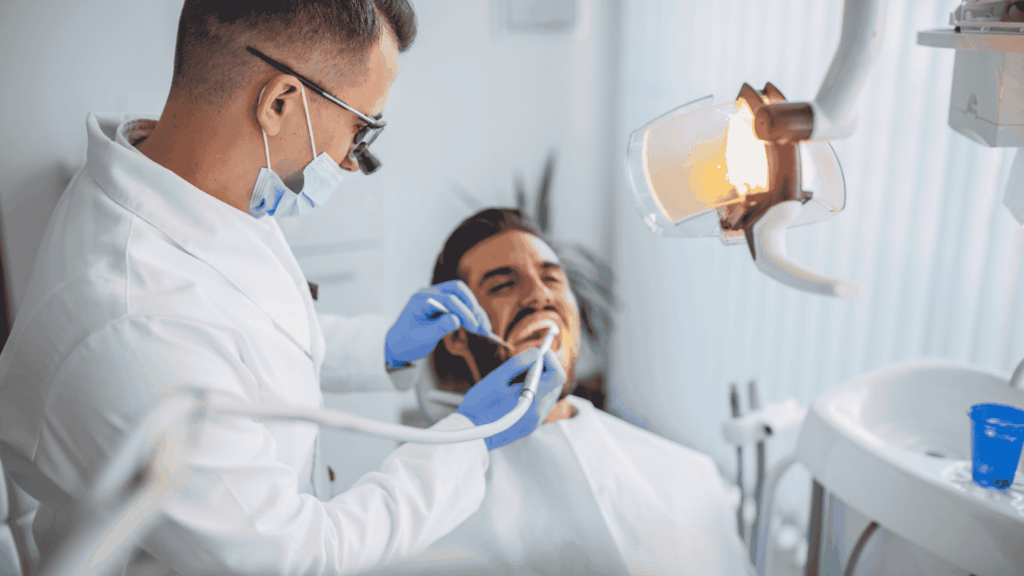
Unlike traditional dental practices that close on weekends, Emergency Dental San Francisco maintains full operational capacity every Sunday. We serve San Francisco and surrounding Bay Area communities including South San Francisco, Alameda, Berkeley, Daly City, Fremont, Oakland, and San Leandro. Our Sunday schedule accommodates both scheduled appointments and walk-in patients experiencing urgent dental crises.
Many patients discover that hospital emergency rooms cannot provide definitive dental treatment beyond pain medication and antibiotics. Emergency rooms typically refer dental patients to specialized clinics like ours for actual tooth repair, extractions, or root canal therapy.
1. Same-Day Appointment Scheduling
Call 415-230-2783 any Sunday for immediate scheduling or book online through our patient portal. We typically accommodate urgent cases within 2-4 hours of initial contact.
2. Walk-In Emergency Protocol
Patients experiencing severe pain, swelling, or trauma can walk into our clinic without prior appointment. We triage cases based on severity and provide immediate pain relief while arranging definitive treatment.
3. 24/7 Phone Consultation
Our phone lines remain open around the clock for emergency consultation and triage guidance. This helps patients determine whether immediate care is necessary or if symptoms can be managed until regular business hours.
4. Geographic Coverage Area
We strategically serve the greater San Francisco Bay Area, understanding that dental emergencies don’t respect city boundaries. Patients from neighboring communities receive the same prompt, professional care as San Francisco residents.
5. Holiday and Weekend Continuity
Our commitment extends beyond Sundays to include all major holidays when other dental offices remain closed. This ensures consistent access to emergency dental procedures throughout the year.
| Service Type | Sunday Availability | Typical Wait Time |
|---|---|---|
| Emergency Consultation | 24/7 Phone Access | Immediate |
| Same-Day Appointments | 8 AM – 8 PM | 2-4 Hours |
| Walk-In Care | All Day | 30-60 Minutes |
What to Expect During Your Sunday Emergency Dental Visit
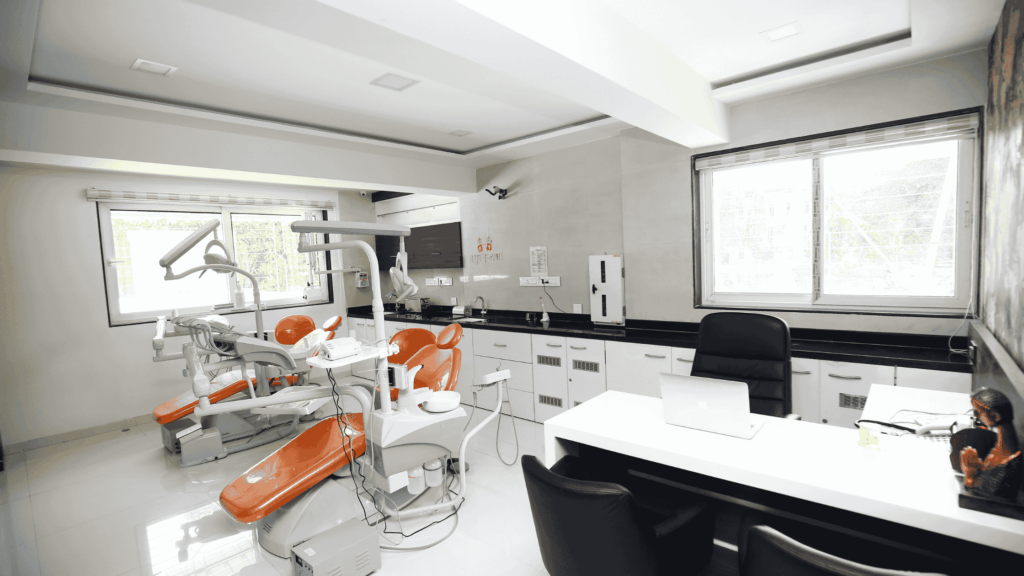
Understanding the emergency dental process helps reduce anxiety and ensures you arrive prepared for efficient treatment. Emergency Dental San Francisco follows a streamlined protocol designed to provide rapid pain relief while maintaining high clinical standards. Our Sunday emergency visits typically follow the same thorough procedures as weekday appointments, with licensed professionals using modern equipment in our sterile clinical environment.
Adults ages 25-34 make the largest share of tooth-related emergency visits at 29.2%, followed by ages 35-44 at 20.2%, according to recent CDC statistics. This demographic often experiences Sunday dental emergencies due to delayed treatment of existing problems.
1. Initial Triage and Pain Assessment
We begin every visit with immediate pain evaluation and triage to determine urgency level. This allows us to prioritize severe cases while ensuring all patients receive appropriate care timing.
2. Digital X-Rays and Diagnosis
Modern digital imaging provides instant results, allowing our clinicians to identify fractures, infections, or other issues requiring immediate intervention. X-rays help determine whether emergency teeth pulling or other dental procedures will be necessary.
3. Treatment Options Discussion
We explain all available treatment options in plain language, including extraction, root canal therapy, temporary repair, or pain management approaches. Cost estimates are provided upfront whenever possible.
4. Immediate Pain Relief Procedures
Local anesthesia and other pain management techniques provide rapid relief during examination and treatment. We prioritize patient comfort throughout all emergency dental procedures.
5. Definitive Treatment or Stabilization
Depending on the condition, we either provide complete treatment during your Sunday visit or stabilize the situation with temporary measures and clear follow-up instructions.
6. Aftercare Instructions and Prescriptions
Written aftercare guidelines, pain medication prescriptions, and antibiotic therapy when indicated ensure proper healing. We provide 24/7 contact information for post-treatment concerns.
Sunday Emergency Dental Procedure Costs and Payment Options
Dental emergency costs vary significantly based on the required treatment, but Sunday emergency care typically costs far less than hospital emergency room visits. Non-traumatic dental conditions in emergency departments cost an estimated $3.9 billion annually in the U.S., making dedicated emergency dental clinics a more cost-effective choice. We maintain transparent pricing and accept multiple payment methods to ensure financial concerns don’t delay necessary treatment.
Emergency Dental San Francisco accepts most dental insurance plans and provides upfront cost estimates whenever possible. For patients without insurance coverage, we offer financing options and accept cash and all major credit cards.
1. Common Sunday Emergency Procedure Costs
Emergency examinations with X-rays typically range from $150-300, while emergency extractions may cost $200-500 depending on complexity. Root canal therapy and abscess drainage procedures vary based on tooth location and severity.
2. Insurance Coverage and Benefits
Most dental insurance plans cover emergency procedures at 70-80% after deductibles, though coverage varies by plan. We verify benefits quickly and handle insurance paperwork to minimize patient burden during urgent situations.
3. Financing and Payment Plans
Qualified patients can access financing options for larger procedures, with approval often available within minutes. This ensures that cost doesn’t prevent necessary emergency dental procedures on Sundays or holidays.
4. Comparison with Hospital Emergency Room Costs
Nationally, the mean cost of an emergency department visit for a non-traumatic dental condition rose to $2,437 in 2022 (up from $1,887 in 2019), and ED care typically focuses on relieving symptoms instead of fixing the tooth. Emergency dental clinics can provide definitive care (such as extractions, root canals, or abscess drainage), and CareQuest notes the mean ED cost is much higher than the average cost of a dental visit.
5. Transparent Pricing Policy
We provide written estimates before beginning treatment whenever possible, explaining all costs clearly without hidden fees. This transparency helps patients make informed decisions about their emergency dental care.
| Procedure Type | Estimated Cost Range | Insurance Coverage |
|---|---|---|
| Emergency Exam + X-rays | $150-300 | 70-100% |
| Emergency Extraction | $200-500 | 70-80% |
| Root Canal Therapy | $800-1500 | 50-80% |
| Temporary Crown/Filling | $150-400 | 70-80% |
Note: Dental abscesses and infections are common and can become serious if they spread, which is why same-day evaluation matters.
Preventing Future Sunday Dental Emergencies
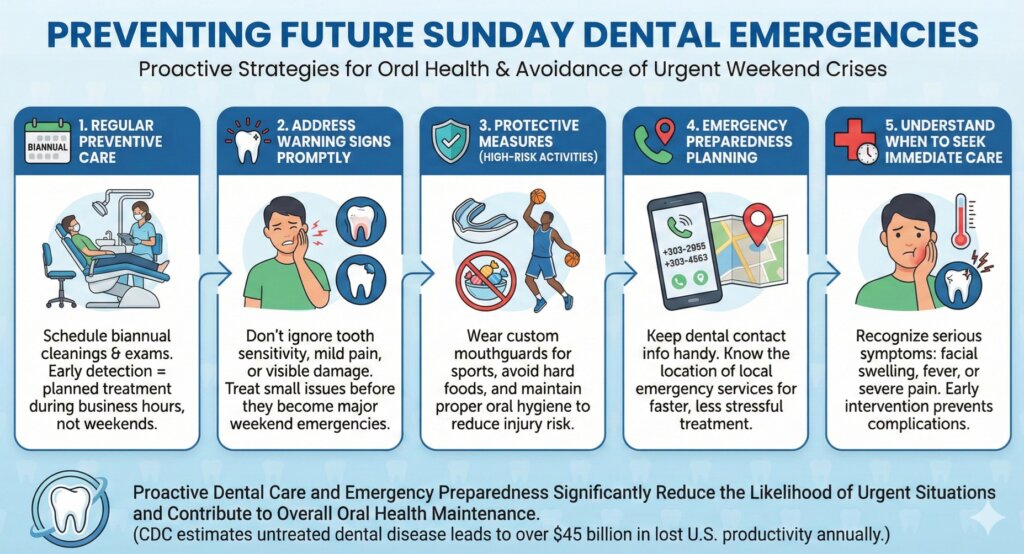
While emergency dental care provides essential relief during crises, prevention strategies can significantly reduce the likelihood of Sunday dental emergencies. Regular preventive care, prompt attention to minor issues, and protective measures help maintain oral health and avoid urgent situations. Some patients explore comprehensive dental treatment abroad through services like Helvetic Clinics for major restorative work, though immediate emergency care should always be addressed locally.
The CDC estimates that untreated dental disease leads to over $45 billion in lost U.S. productivity annually, emphasizing the importance of proactive dental care and emergency preparedness.
1. Regular Preventive Care Scheduling
Biannual cleanings and examinations help identify potential problems before they become emergency situations requiring Sunday intervention. Early detection allows for planned treatment during regular business hours.
2. Addressing Warning Signs Promptly
Tooth sensitivity, mild pain, or visible damage should receive attention quickly rather than waiting until symptoms worsen. Small problems often become major emergencies when left untreated over weekends.
3. Protective Measures for High-Risk Activities
Custom mouthguards for sports, avoiding hard foods that can crack teeth, and proper oral hygiene reduce injury risk. These simple measures prevent many common Sunday dental emergencies.
4. Emergency Preparedness Planning
Keep our contact information readily available and know the location of emergency dental services in your area. Having a plan reduces stress and ensures faster treatment when emergencies occur.
5. Understanding When to Seek Immediate Care
Learning to recognize serious symptoms like facial swelling, fever, or severe pain helps patients seek appropriate care promptly. Early intervention often prevents complications requiring more extensive emergency dental procedures.
Conclusion
Sunday dental emergencies require immediate professional attention that only specialized emergency dental clinics can provide effectively. Emergency Dental San Francisco offers comprehensive urgent care with transparent pricing, insurance acceptance, and 24/7 accessibility for Bay Area residents. Call 415-230-2783 now for immediate relief and professional emergency dental procedures when you need them most.
Emergency Dental San Francisco provides same-day weekend emergency care for severe toothaches and dental pain. Our licensed clinicians prioritize immediate relief with compassionate, professional treatment. Learn more about our Sunday emergency services.
FAQs
What will the ER do for unbearable tooth pain?
In most cases, an emergency room focuses on stabilizing you and controlling symptoms, not fixing the tooth. They may examine you for serious issues (facial swelling, fever, trouble swallowing/breathing), give stronger pain relief, prescribe antibiotics if an infection is suspected, and sometimes use imaging or a dental nerve block to reduce pain for several hours. They typically then refer you to an emergency dentist/oral surgeon for definitive treatment like a root canal or extraction.
What the ER can usually do:
- Pain control (medication, sometimes a nerve block)
- Treat severe infection concerns (antibiotics, evaluation for spread)
- Handle emergencies tied to medical danger (airway risk, uncontrolled bleeding, major trauma)
What the ER usually won’t do:
- Fill cavities, place crowns, perform root canals, or do routine extractions (these are dental-office procedures).
Can I go to an emergency for a bad toothache?
Yes—you can go to the ER for a bad toothache, especially when you can’t reach a dentist and the pain is severe. That said, an emergency dentist is usually the best option for toothaches because they can treat the cause (infection, nerve inflammation, cracked tooth) instead of only managing symptoms.
Go to the ER now if you have:
- Facial swelling that’s spreading, fever, or you feel very ill
- Trouble breathing, swallowing, or opening your mouth normally
- Uncontrolled bleeding or significant facial/jaw trauma
Go to an emergency dentist (same-day) if you have:
- severe tooth pain without medical red flags, a suspected abscess, a cracked tooth, or a lost filling/crown.
What is the 3-3-3 rule for toothache?
The “3-3-3 rule” is a commonly shared dental-office rule of thumb, usually described as 600 mg of ibuprofen (3×200 mg) taken 3 times a day for up to 3 days to reduce inflammation-related tooth pain while you arrange dental care. It’s not an official universal guideline, and it can exceed typical OTC label limits, so it’s safest to use only with clinician guidance and only if ibuprofen is safe for you.
Important safety notes
- OTC ibuprofen self-dosing is commonly 200–400 mg every 4–6 hours, max 1,200 mg/day unless a clinician instructs otherwise.
- Avoid ibuprofen if you have certain conditions (ulcer history, kidney disease, blood thinners, some heart conditions, late pregnancy); ask a clinician/pharmacist if unsure.
- If you use acetaminophen, don’t exceed 4,000 mg/day from all sources (many combination meds contain it).
How do you get immediate relief from a severe toothache?
You can often reduce pain temporarily by lowering inflammation and calming the area, but you still need dental treatment if the cause is infection, a deep cavity, or a cracked tooth. If you have swelling, fever, or worsening symptoms, seek urgent care the same day.
Fast, at-home relief steps
- Warm salt-water rinse (helps soothe irritated gums): swish gently, then spit.
- Cold compress on the cheek for 15–20 minutes at a time (helps numb and reduce swelling).
- OTC pain meds as labeled (ibuprofen can help because it targets inflammation; do not exceed label limits).
- Elevate your head when resting to reduce pressure and throbbing.
- Avoid common mistakes: don’t put aspirin on gums, avoid very hot/cold foods, and don’t apply heat if infection is possible.

Emergency Dental San Francisco is a dental office focused on providing same-day dental appointments to patients in San Francisco and the surrounding area. We provide urgent dental care services during weekends, evenings and holidays.
We accept several forms of payment and have financing options available to those who qualify. We accept most dental insurance.