


15 Dec Emergency Dental Extractions: When Dentists Recommend Removal Instead of Saving a Tooth
emergency dental extractions become necessary when a tooth poses an immediate threat to your health or causes unbearable pain that disrupts your daily life. These urgent procedures differ from routine extractions because they address severe infections, trauma, or complications that cannot wait for a scheduled appointment. Understanding when you need immediate care can prevent serious complications and help you get relief faster.
This guide explains the critical signs that require urgent tooth removal, walks you through the extraction process step-by-step, and provides essential aftercare instructions. You’ll learn how to manage pain before your appointment and recognize warning signs that need immediate attention.
Key Takeaways
- severe tooth pain with swelling and fever indicates a possible abscess requiring immediate extraction.
- Emergency dental extractions follow a predictable process with effective pain control throughout.
- Proper aftercare prevents complications like dry socket and promotes faster healing.
- Same-day emergency care is available 24/7 at specialized dental clinics in San Francisco.
- Most dental insurance plans cover emergency extractions when medically necessary.
Signs You May Need Emergency Dental Extractions Right Now
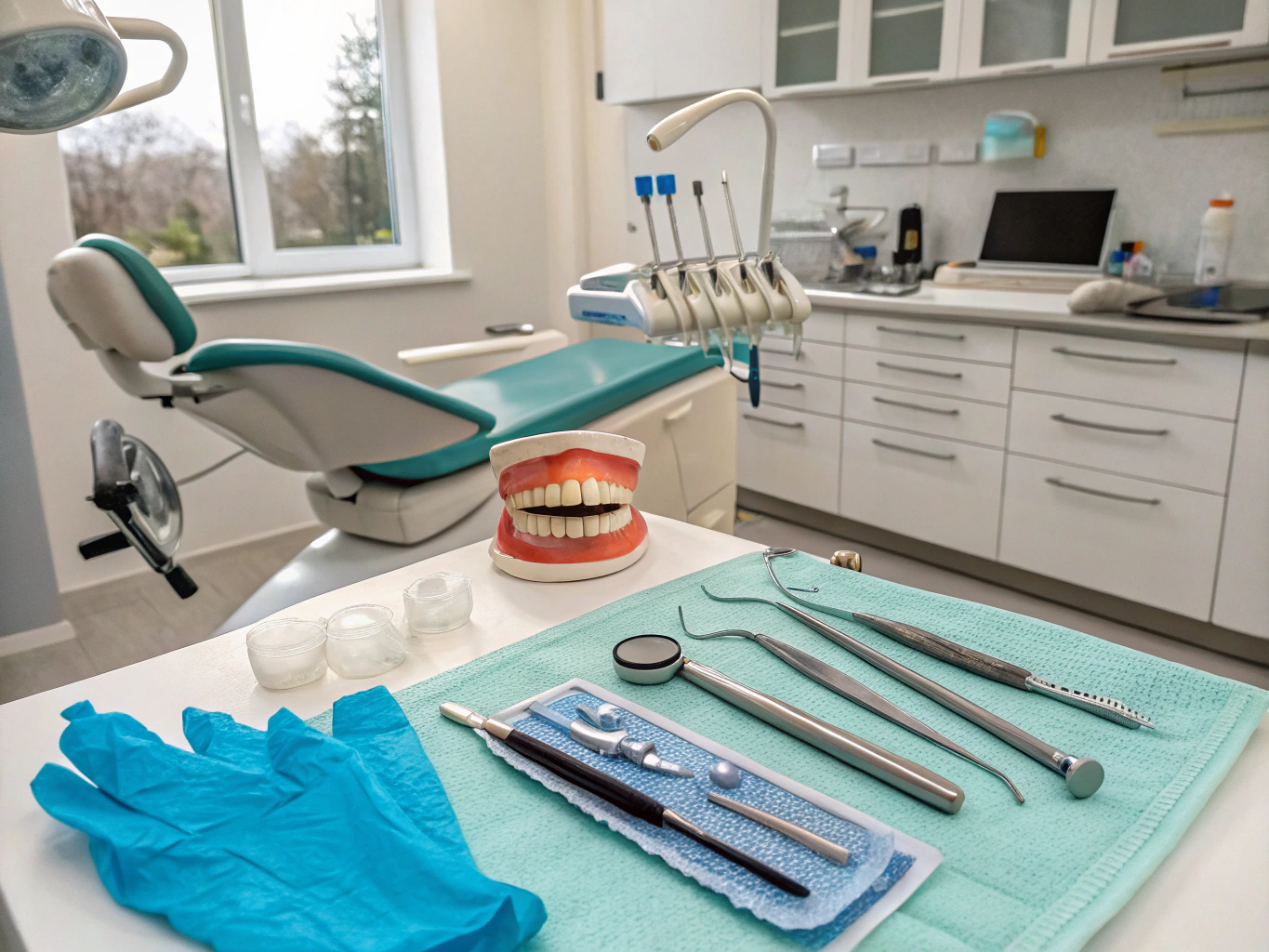
Recognizing when a tooth needs immediate removal can save you from dangerous complications and prolonged suffering. Emergency extractions address situations where waiting could lead to serious health risks or permanent damage. The key is distinguishing between discomfort that can wait and symptoms that demand urgent attention.
These warning signs indicate you need same-day dental care for possible tooth removal.
1. Severe Toothache That Disrupts Sleep and Eating
Pain that prevents you from sleeping or eating signals a serious problem requiring immediate attention. This type of intense, throbbing pain often indicates nerve damage or infection that won’t resolve on its own.
2. Facial Swelling With Fever
Swelling in your face, jaw, or neck combined with fever suggests a spreading infection that could become life-threatening. These symptoms require emergency dental care within hours, not days.
3. Visible Abscess or Pus Discharge
A pocket of pus around your tooth or gums indicates a severe infection that needs immediate drainage and treatment. Abscesses can spread quickly to other parts of your body if left untreated.
4. Tooth Cracked Below the Gumline
Fractures that extend below the gum typically cannot be repaired and require extraction to prevent infection. These breaks often result from trauma or biting down on hard objects.
5. Uncontrolled Bleeding After dental trauma
Persistent bleeding from a tooth injury that doesn’t stop with direct pressure needs immediate professional care. This bleeding may indicate damage to surrounding tissues that requires surgical intervention.
6. Loose Adult Tooth From Injury
An adult tooth that becomes loose from an accident or sports injury may need extraction if it cannot be stabilized. Quick treatment gives the best chance of saving the tooth.
7. Wisdom Tooth Causing Severe Crowding Pain
Impacted wisdom teeth that cause intense pain and swelling in the back of your mouth often require emergency removal. These teeth can damage adjacent teeth and create pockets where bacteria accumulate.
When you experience these symptoms, Emergency Dental San Francisco provides 24/7 urgent care with same-day appointments and walk-in availability throughout the Bay Area.
What Happens During Emergency Dental Extractions Step-by-Step
Understanding the extraction process helps reduce anxiety and prepares you for what to expect during your emergency visit. Emergency dental extractions follow established protocols designed to minimize pain and ensure safe, effective treatment. Each step serves a specific purpose in protecting your health and comfort.
The procedure becomes predictable once you know the sequence of events.
1. Urgent Triage and Pain Assessment
Your dentist first evaluates your pain level and determines the urgency of your situation. This assessment guides the treatment plan and helps prioritize immediate pain relief.
2. Digital X-rays and Clinical Examination
Modern digital imaging reveals the tooth’s position, root structure, and surrounding bone condition. These X-rays help your dentist plan the safest extraction approach and identify potential complications.
3. Local Anesthesia Administration
Your dentist injects numbing medication around the affected tooth to eliminate pain during the procedure. The injection itself causes brief discomfort, but you’ll feel pressure rather than pain once it takes effect.
4. Simple Extraction Technique
For teeth visible above the gumline, your dentist uses specialized instruments to loosen and remove the tooth. This process involves gentle rocking motions to expand the tooth socket gradually.
5. Surgical Extraction When Necessary
Broken teeth or impacted wisdom teeth may require surgical removal with small incisions in the gum tissue. Your dentist removes bone or sections the tooth to extract it safely.
6. Socket Cleaning and Inspection
After removal, your dentist cleans the extraction site and inspects it for remaining fragments or signs of infection. This step prevents future complications and promotes proper healing.
7. Gauze Placement and Bleeding Control
Sterile gauze pads are placed over the extraction site to control bleeding and help form a protective blood clot. You’ll bite down firmly on the gauze for 30-45 minutes after the procedure.
Our emergency dental care dentist uses modern techniques and equipment to make extractions as comfortable and efficient as possible.
Pain Control and Infection Management Before, During, and After

Effective pain management starts before you arrive at the dental office and continues throughout your recovery period. Emergency dental extractions require careful attention to both immediate pain relief and infection prevention. Your comfort and safety depend on following specific protocols at each stage of treatment.
Here’s how pain and infection are managed throughout the process.
1. Safe Home Pain Relief Before Your Visit
Take over-the-counter pain medication as directed on the package, but avoid aspirin which can increase bleeding. Use cold compresses on the outside of your face for 15 minutes at a time to reduce swelling.
2. Professional Pain Control During Treatment
Your dentist administers local anesthesia that blocks pain signals from the extraction site completely. Additional sedation options are available for patients with severe anxiety or complex extractions.
3. Antibiotic Therapy When Indicated
Antibiotics are prescribed when infection is present or when you have certain medical conditions that increase infection risk. Take the full course as directed, even if you feel better before finishing the medication.
4. Prescription Pain Medication
Your dentist may prescribe stronger pain medication for the first few days after extraction. These medications should be taken exactly as directed to maintain comfort while avoiding side effects.
5. Anti-inflammatory Treatment
Ibuprofen helps reduce both pain and swelling when taken regularly during the first 48-72 hours. This medication works best when taken on schedule rather than waiting for pain to return.
6. Infection Prevention Protocols
Gentle salt water rinses starting 24 hours after extraction help keep the area clean without disturbing the healing blood clot. Avoid vigorous rinsing or spitting that could dislodge the clot.
7. Warning Signs Requiring Immediate Attention
Contact your dentist immediately if you experience increasing pain after day three, fever above 101°F, or foul-smelling discharge. These symptoms may indicate complications that need prompt treatment.
Recovery Timeline and Aftercare That Prevents Complications
Proper aftercare following emergency dental extractions determines how quickly you heal and whether you develop complications. The first 72 hours are critical for establishing healthy healing patterns and preventing problems like dry socket. Following specific guidelines during each phase of recovery protects your investment in emergency dental care.
Your recovery progresses through predictable stages with specific care requirements.
| Recovery Phase | Timeline | Key Care Points | Expected Symptoms |
|---|---|---|---|
| Immediate | 0-24 hours | Bite gauze, avoid rinsing | Bleeding, numbness |
| Early Healing | 1-3 days | Soft foods, gentle cleaning | Swelling, mild pain |
| Active Healing | 4-7 days | Resume normal hygiene | Decreasing discomfort |
| Late Healing | 1-2 weeks | Avoid hard foods | Minimal symptoms |
1. Blood Clot Protection in First 24 Hours
Avoid drinking through straws, smoking, or vigorous rinsing that could dislodge the protective blood clot. This clot serves as a natural bandage that promotes healing and prevents dry socket.
2. Dietary Modifications for Optimal Healing
Stick to soft, cool foods like yogurt, smoothies, and soup for the first few days after extraction. Gradually return to normal foods as comfort allows, but avoid hard or crunchy items near the extraction site.
3. Oral Hygiene Adaptations
Continue brushing and flossing your other teeth normally, but avoid the extraction site for the first 24 hours. After that, gentle salt water rinses help maintain cleanliness without disrupting healing.
4. Activity Restrictions and Rest
Avoid strenuous exercise or heavy lifting for 48-72 hours to prevent bleeding and swelling. Rest with your head elevated to minimize swelling and promote comfortable sleep.
5. Swelling Management Techniques
Apply ice packs for 15 minutes on, 15 minutes off during the first day to control swelling. After 24 hours, switch to warm compresses if swelling persists.
6. Expected Healing Milestones
Most patients experience peak discomfort on days 2-3, with significant improvement by day 5-7. Complete soft tissue healing typically occurs within 2-3 weeks, while bone healing continues for several months.
7. Red Flags Requiring Emergency Follow-up
Severe pain that worsens after day 3, dry socket symptoms, persistent bleeding, or signs of infection need immediate attention. Don’t hesitate to contact your emergency dental care provider if you’re concerned about your recovery.
At Emergency Dental San Francisco, we provide detailed aftercare instructions and remain available 24/7 for any post-extraction concerns or complications.
Fast, Gentle Emergency Dental Extractions in San Francisco When You Need Relief Today
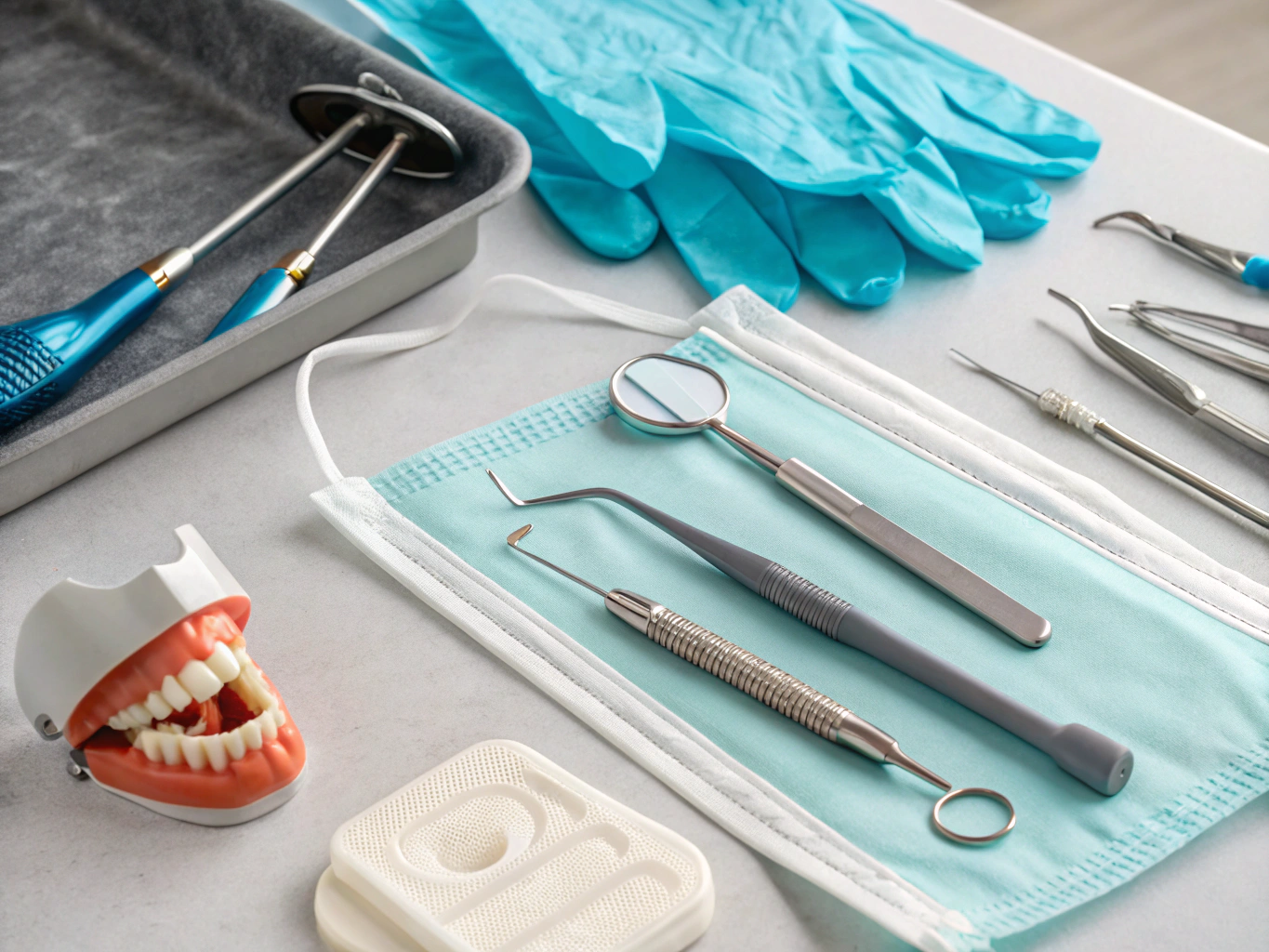
When dental pain strikes, you need immediate access to professional care that prioritizes your comfort and safety. Emergency Dental San Francisco specializes in urgent extractions with same-day appointments, walk-in availability, and 24/7 emergency access throughout the Bay Area. Our approach combines rapid pain relief with gentle, comprehensive care that addresses both your immediate needs and long-term oral health.
We understand that dental emergencies don’t follow business hours, which is why our dentist open on saturday and holiday schedule ensures you can get help when you need it most.
1. 24/7 Emergency Availability and Same-Day Care
Our urgent care dental practice operates around the clock, including weekends and holidays, with no appointment necessary for true emergencies. Call 415-230-2783 any time for immediate triage and same-day treatment scheduling.
2. Comprehensive Emergency Extraction Services
We handle all types of urgent extractions, from infected teeth and trauma cases to impacted wisdom teeth and failed root canals. Our open dental clinic maintains advanced equipment for both simple and surgical extractions.
3. Gentle Care for Patients of All Ages
Our team provides compassionate treatment for adults and children experiencing dental emergencies, with specialized techniques for anxious patients. We explain each step clearly and ensure your comfort throughout the entire process.
4. Advanced Pain Management and Sedation Options
Multiple anesthesia options are available to ensure completely pain-free extractions, including local anesthesia, nitrous oxide, and oral sedation. Our goal is to eliminate both physical discomfort and anxiety during your emergency visit.
5. Infection Control and Antibiotic Management
We follow strict CDC and OSHA protocols for infection control while providing immediate antibiotic therapy when needed. Our sterile environment and modern equipment ensure safe, hygienic emergency dental care.
6. Transparent Pricing and Insurance Flexibility
We accept most dental insurance plans and provide upfront cost estimates for emergency extractions before treatment begins. Financing options and payment plans help make urgent care accessible regardless of your insurance situation.
7. Comprehensive Aftercare and Follow-up Support
Every extraction includes detailed aftercare instructions, prescription medications when needed, and 24/7 access for post-treatment questions or concerns. We remain available throughout your recovery to ensure optimal healing.
Our Bay Area locations in San Francisco, Oakland, Berkeley, and surrounding communities provide convenient access to emergency extraction services when you need relief most.
Conclusion
Emergency dental extractions provide immediate relief when severe tooth problems threaten your health and well-being. Recognizing urgent symptoms and seeking prompt professional care prevents complications and reduces suffering. With proper aftercare and professional support, you can expect comfortable healing and a return to normal function within days of your emergency extraction.
Emergency Dental San Francisco provides same-day emergency extractions with compassionate, professional care. Our licensed clinicians prioritize pain relief and clear treatment plans. Learn more about immediate extraction services today.
FAQs
What Is An Emergency Dental Extraction?
An emergency dental extraction is a procedure to remove a tooth that is causing severe pain, infection, or other urgent issues. This often includes broken, decayed, or impacted teeth that require immediate attention to alleviate discomfort and prevent further complications.
How Do I Know If I Need An Emergency Dental Extraction?
You may need an emergency dental extraction if you experience intense tooth pain, swelling, or signs of infection, such as fever or pus. Additionally, if a tooth is severely damaged or impacting adjacent teeth, it’s crucial to seek immediate care to evaluate the situation.
What Happens During An Emergency Dental Extraction?
During an emergency dental extraction, our experienced clinicians will first evaluate your condition and take necessary X-rays. After administering local anesthesia to ensure your comfort, the dentist will carefully remove the affected tooth using specialized tools. Post-procedure instructions will be provided to aid recovery.
How Much Does An Emergency Dental Extraction Cost?
The cost of an emergency dental extraction can vary based on factors such as the complexity of the extraction and any necessary follow-up care. We accept most dental insurance plans and offer financing options to make emergency care accessible. Our team will provide a clear estimate before proceeding with treatment.
What Should I Do After An Emergency Dental Extraction?
After an emergency dental extraction, it’s important to follow post-operative care instructions, including managing pain with prescribed medications, applying ice to reduce swelling, and avoiding certain foods. We recommend scheduling a follow-up appointment to ensure proper healing and discuss long-term dental care options.

Emergency Dental San Francisco is a dental office focused on providing same-day dental appointments to patients in San Francisco and the surrounding area. We provide urgent dental care services during weekends, evenings and holidays.
We accept several forms of payment and have financing options available to those who qualify. We accept most dental insurance.